What Happens if You Drink Hand Sanitizer?
Drinking hand sanitizer can cause side effects ranging from headaches, blurred vision, nausea, vomiting, and abdominal pain to blindness and death.
During the Sars Cov-2 Coronavirus pandemic, the Centers for Disease Control and Prevention (CDC) encouraged people to use hand sanitizer to maintain hand hygiene when soap and water weren’t available. A wide variety of alcohol-based hand sanitizer products became available, leading to some people using them for purposes outside of killing germs, including intentionally swallowing them and suffering the consequences. Regardless of whether it is accidental or intentional, swallowing alcohol-based hand sanitizer, especially in young children, can have lasting health effects and be fatal. Calls to poison control centers and emergency rooms involving swallowing alcohol-based hand sanitizer continue to rise throughout the United States. Some cases are due to accidental ingestion, but many more are from people attempting to get drunk from drinking hand sanitizer.
Drinking hand sanitizer exposes you to alcohol concentrations of 60-95%, equivalent to 120-proof liquor or higher. You’ll experience nausea, vomiting, confusion, and loss of coordination as the alcohol overwhelms your liver’s metabolic capacity. Methanol-contaminated products pose even deadlier risks, just 10 ml can cause permanent blindness, while 30 ml can be fatal. If ingestion occurs, call Poison Help at 1-800-222-1222 immediately. Understanding the specific dangers for vulnerable populations can help you respond effectively.
What to Do If Someone Swallows Hand Sanitizer
If someone swallows hand sanitizer, you should call the Poison Help hotline at 1-800-222-1222 immediately, don’t wait for symptoms to appear. You can also use the webPOISONCONTROL online tool for guidance. Regional poison control centers provide free, confidential advice 24 hours a day.
Call 911 if the person collapses, experiences seizures, has difficulty breathing, or becomes unresponsive. Drinking hand sanitizer containing methanol requires immediate emergency medical care. Clinicians should maintain a high index of suspicion for methanol poisoning following any ingestion. Patients with methanol poisoning typically present with metabolic acidosis and may experience visual impairment or decreased responsiveness.
Isopropyl alcohol ingestion demands prompt evaluation when compatible signs appear or swallowing is confirmed. Health departments work with poison centers to identify cases and coordinate responses. Always obtain medical management advice from your local poison center when needed. To prevent accidental ingestion, hand sanitizers should be kept out of reach of children and used only with adult supervision. Parents should be aware that the National Poison Data System has reported increased unintentional exposures, particularly in children ages 5 and younger, during the COVID-19 pandemic.
Hand Sanitizer Poisoning Symptoms You Can’t Ignore
When someone drinks hand sanitizer, symptoms can appear within minutes and range from mild discomfort to life-threatening emergencies. Early signs of ethanol toxicity include nausea, vomiting, abdominal pain, and oral irritation. You may notice headache, dizziness, and confusion as alcohol poisoning progresses.
Watch for blurred vision and burning sensations in the mouth, these indicate significant exposure. In methanol-containing products, blindness can develop rapidly. Loss of coordination and decreased consciousness signal advancing toxicity requiring immediate intervention.
Severe cases present with anion-gap metabolic acidosis, where blood pH drops to dangerous levels between 6.70-7.25. You’ll observe seizures, respiratory depression, and potential coma in critical poisoning events. Respiratory arrest represents the most severe outcome, particularly in pediatric cases where small ingestions cause rapid unconsciousness.
Why Children and Elderly Face the Highest Risk
Young children face disproportionate danger from hand sanitizer ingestion because their smaller body mass means even tiny amounts of alcohol produce toxic blood concentrations. Hand sanitizers contain 60-95% ethanol or isopropyl alcohol, significantly more concentrated than alcoholic beverages. Children aged 0-5 account for approximately 90% of poison control cases, with brightly colored packaging and fruity scents increasing accidental ingestion risk.
Between 2011-2014, the CDC documented over 70,669 exposures among children under 12, with five cases resulting in comas. You should know that common adverse effects include vomiting, drowsiness, and seizures. The COVID-19 pandemic intensified this crisis, producing a 79% spike in poison control calls during March 2020.
Elderly individuals similarly face heightened vulnerability due to medication interactions, compromised liver function, and potential confusion regarding product purpose.
Hand Sanitizer Is as Strong as 120-Proof Liquor
The alcohol concentration in hand sanitizers explains why even minimal ingestion produces severe toxicity. You’re dealing with products containing 60% to 95% alcohol by volume, that’s equivalent to 120-proof liquor or higher. Most hard liquors max out at 47.5% alcohol, making sanitizers considerably more potent than what you’d find in a typical bottle of whiskey or vodka.
When you ingest these concentrations, your body absorbs alcohol rapidly, overwhelming your liver’s metabolic capacity. This triggers dangerous CNS depression, manifesting as confusion, respiratory failure, and potential coma. The CDC recommends sanitizers contain at least 60% alcohol for germ-killing efficacy, but this same concentration makes them lethal if swallowed. Even small amounts can produce blood alcohol levels far exceeding legal intoxication limits, causing severe organ damage within minutes.
Methanol-Contaminated Sanitizers Cause Blindness and Death
Although ethanol-based sanitizers pose significant risks, methanol-contaminated products represent an even deadlier threat. You should know that methanol is never acceptable in hand sanitizers due to its severe toxicity. When you ingest as little as 10 ml, you risk permanent blindness. Consuming 30 ml can kill you.
Between May and June 2020, fifteen methanol poisoning cases emerged in Arizona and New Mexico, resulting in four deaths. The FDA recalled dozens of contaminated brands, primarily imported from Mexico, where products tested positive for methanol despite ethanol labeling.
Methanol poisoning damages your:
- CNS, causing seizures, coma, and permanent nervous system impairment
- Kidneys, contributing to high anion gap metabolic acidosis
- Vision, leading to irreversible blindness
You’ll experience initial symptoms including nausea, vomiting, headache, and blurred vision before severe complications develop.
Can You Drink Hand Sanitizer to Get Drunk?
Technically you can drink hand sanitizer to get drunk or at least experience symptoms similar to intoxication from alcohol meant for human consumption as few as 3 to 4 pumps or swallows of an alcohol-based hand sanitizer can result in intoxication or even alcohol poisoning.
You are far more likely to have severe, possibly life-threatening complications than a pleasurable experience from ingesting hand sanitizer.
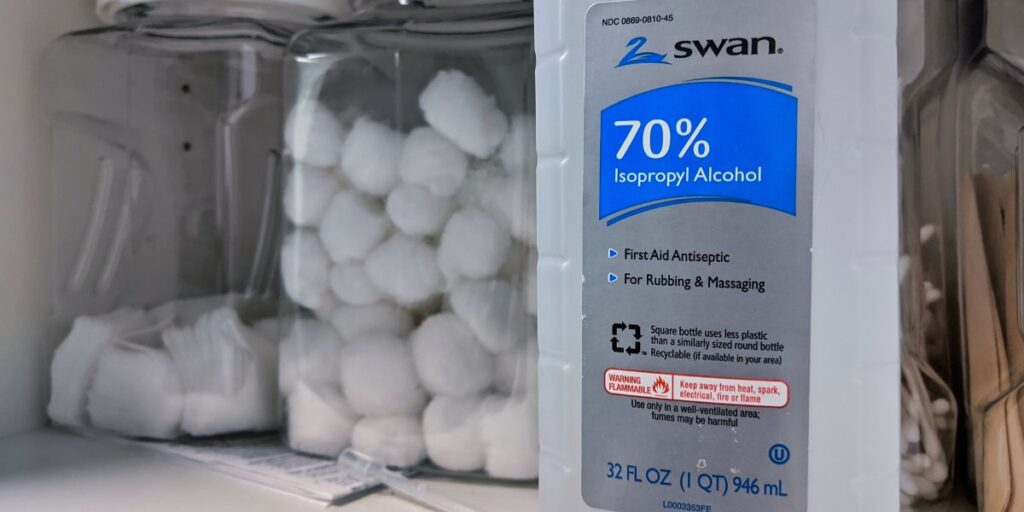
Alcohol-based hand sanitizers contain different types of alcohol and concentrations than spirits used to make cocktails and affect the human body differently. Ethyl alcohol (ethanol), found in liquor, beer, and wine, is the only alcohol safe for human consumption. Isopropyl alcohol (isopropanol) is a medical-grade disinfectant, not safe for ingestion.
The concentration of either type of alcohol, ethanol or isopropanol, in hand sanitizers ranges from 60-95%, which is more potent than most liquors. Some products contain only one kind of alcohol for disinfecting, and others have a combination. None of them are safe to drink.
Previous to 2020, methanol alcohol was a common ingredient in hand sanitizers; however, the United States Food and Drug Administration (FDA) determined it to be highly toxic and outlawed it.
From May to June 2020, 15 people in Arizona and New Mexico sought emergency treatment for methanol poisoning, a unique type of toxicity related to drinking hand sanitizer that contained methanol. Four of the people died, and three more developed permanent visual impairments.
Side Effects
Because the alcohol concentrations in hand sanitizer products are so high, the side effects of drinking it set in reasonably quickly. The symptoms and side effects of drinking hand sanitizer are similar to someone with an extremely high blood alcohol content (BAC).
Side effects of ingesting hand sanitizer include:
- Nausea
- Vomiting
- Headache
- Blurred vision
- Dizziness
- Slurred speech
- Burning in the nose, mouth, and throat
- Abdominal pain and cramping
- Metabolic acidosis, or kidney failure from a build-up of acid in the body
- Permanent blindness
- Nerve damage
- Seizures
- Coma
- Death
The FDA warns that combining regular alcohol with products containing methanol can cause delayed symptoms that appear up to eight hours after ingestion. Suppose you have hand sanitizer products and young children or someone struggling with an alcohol use disorder in your home. In that case, it is essential to learn the signs and dangers of drinking hand sanitizer and what to do in an emergency.
Drinking Hand Sanitizer Warnings
Multiple public health agencies have issued warnings about drinking hand sanitizer.
People desperate to become intoxicated or avoid alcohol withdrawal syndrome will resort to drinking hand sanitizer despite the warning and potentially life-threatening complications.
If you believe someone has ingested alcohol-based hand sanitizer, you should immediately call a poison control center or get them to an emergency room. Do not wait for the symptoms to appear.
Hangers and ER Visits
Ironically, some of the most well-known cases of hand sanitizer intoxication happened during emergency room visits. Hangers, a slang term for hand sanitizer dispensers that hang from walls, are in almost every room of hospitals, providing easy access for people desperately wanting to get or stay intoxicated.
One patient admitted to an ER for public intoxication baffled his care team when he remained clinically intoxicated for 18 hours after he arrived. When doctors questioned him and searched his belongings, he admitted that he had been drinking available hand sanitizer to avoid withdrawal seizures. Luckily he didn’t suffer permanent damage but was transferred to inpatient care and referred to addiction treatment. Similar cases are not rare.
People struggling with addiction tend to be less than honest with medical professionals. The National Institutes of Health (NIH) recommends that doctors screen for substance use disorders regardless of why a person is in the emergency room and take appropriate precautions by removing hangers and other potential temptations to patients.
Drinking Hand Sanitizer Addiction Treatment
Drinking hand sanitizer is almost always a sign of a more significant, advanced addiction; whether you abuse hand sanitizer because it is easily accessible or to avoid alcohol withdrawal, help is available.
At Northridge Addiction Treatment Center, we understand that addiction can cause people to do drastic things, like drink hand sanitizer. We offer onsite medical detox to ensure you can withdraw in a safe, peaceful environment with 24-hour medical support and care without shame or judgment.
We work closely with you to address addiction’s mental and behavioral health effects through an individualized treatment plan using only researched, evidence-based approaches. During your time at NATC, you’ll learn healthy ways to deal with triggers and future challenges to face life confidently after treatment.
Our goal is to empower you to take control of your life and achieve long-term recovery. Reach out to our treatment specialists to start on your path to recovery today.
Frequently Asked Questions
Can Inhaling Hand Sanitizer Fumes Cause Health Problems?
Yes, inhaling hand sanitizer fumes can cause health problems. You may experience headaches, nausea, vomiting, dizziness, and respiratory irritation from acute exposure. If you’re exposed repeatedly, you risk permanent damage to your mucous membranes, loss of smell, and chemical burns inside your nose. You’ll also worsen existing respiratory conditions. Always use hand sanitizer in well-ventilated areas, and don’t intentionally inhale the fumes, as this can lead to alcohol poisoning.
How Many Hand Sanitizer Poisoning Cases Were Reported During the COVID-19 Pandemic?
During the COVID-19 pandemic, you’d find alarming increases in hand sanitizer poisoning cases. U.S. poison control centers reported 32,892 exposure cases from January to November 2020, a 73% increase from 2019. The UK saw an even sharper 157% rise, jumping from 155 to 398 cases. Additionally, 2,164 methanol-based hand sanitizer exposures occurred between June and September 2020, with ingestion causing all major outcomes and deaths.
Are There Warning Labels Required on Hand Sanitizer Products?
Yes, you’ll find required warning labels on hand sanitizer products. The FDA mandates a Drug Facts panel containing specific warnings: “For external use only” and “Flammable. Keep away from fire or flame” must appear in bold. You’re also warned not to use the product on children under 2 months or open wounds. Labels must instruct you to keep it away from children and contact Poison Control if swallowed.
What Other Toxic Chemicals Besides Methanol Have Been Found in Hand Sanitizers?
Beyond methanol, you’ll find several toxic chemicals in hand sanitizers. These include 1-propanol, which causes CNS depression two to four times more potent than ethanol. Benzene, a known carcinogen, has been detected in some products. Acetaldehyde and ethyl acetate have also been reported. Additionally, antimicrobial agents like benzalkonium chloride, benzethonium chloride, and chloroxylenol pose toxicity concerns, including endocrine disruption, genotoxic effects, and organ damage.
Have Psychiatric Patients Died From Drinking Hand Sanitizer in Hospitals?
Yes, psychiatric patients have died from drinking hand sanitizer in hospitals. You’ll find documented cases including a 30-year-old woman in an English psychiatric unit who died after ingesting alcohol-based gel, with postmortem blood alcohol at 214 mg/100 mL. A 76-year-old man with suspected dementia died six days after swallowing sanitizing foam. These cases have prompted recommendations to limit sanitizer access for high-risk psychiatric patients.