 Skip to content



- Opioid detox is medically supervised withdrawal management. It is the first step of treatment, not the whole treatment.
- Buprenorphine (Suboxone) relieves withdrawal and cravings and can be continued as ongoing MAT or tapered. Non opioid medications treat the physical symptoms.
- With fentanyl, timing is everything. Starting buprenorphine too early can cause precipitated withdrawal, so physicians use COWS scores or a low dose (micro) induction.
- Tolerance drops fast after detox. Stepping straight into residential care, having naloxone on hand, and leaving with a medication plan are critical protections against overdose.
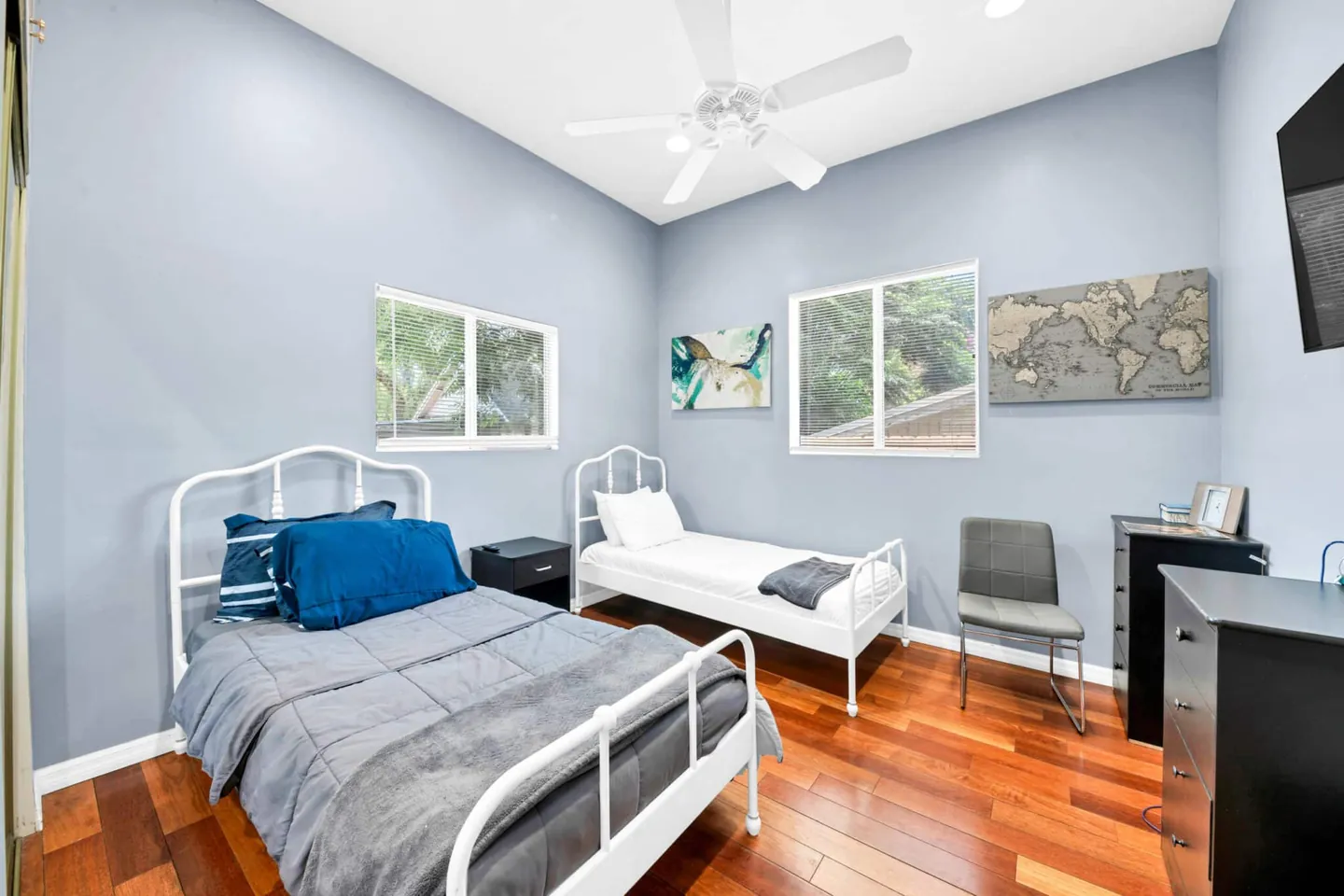
- Northridge provides 24/7 physician supervised opioid detox, buprenorphine and naltrexone options, and residential care in one private 12 bed Encino home.
If you are searching for opioid detox in Los Angeles, you are probably worried about two things: how bad withdrawal will be, and whether you can actually get through it this time. Both worries are reasonable, and both are exactly what good medical detox is designed to address.
The stakes are real. Los Angeles County recorded 2,298 accidental drug overdose deaths in 2025. That is down nearly 30% from the 2022 peak of 3,220, but fentanyl was still involved in about half of those deaths (1,135). Nationally, 4.8 million people aged 12 and older had an opioid use disorder in 2024. This guide explains how opioid detox works, which medications help, what to expect at our opioid and fentanyl detox program in Encino, and how to choose the right program.
Opioid detox is medically supervised withdrawal management for people dependent on opioids such as fentanyl, heroin, oxycodone, or hydrocodone. Physicians use medications such as buprenorphine and non opioid comfort medications to control withdrawal safely, then transition patients into ongoing treatment. Inpatient opioid detox usually takes about 5 to 10 days, depending on the opioid.
Who Needs Inpatient Opioid Detox?
Opioid dependence does not look one way. At Northridge, we treat people dependent on:
- Prescription painkillers such as oxycodone (OxyContin, Percocet), hydrocodone (Norco, Vicodin), and oxymorphone. See our prescription drug rehab program.
- Illicit fentanyl, including counterfeit pressed pills made to look like oxycodone or Xanax.
- Heroin, which in Southern California is frequently mixed with or replaced by fentanyl.
- Concentrated 7 OH and kratom products sold in smoke shops (see our 7 OH detox guide and 7 OH & kratom detox program).
- Combinations, such as opioids together with benzodiazepines, alcohol, or stimulants.
Inpatient detox is usually the safer choice if you use daily, use fentanyl, have tried to quit at home and could not, have had precipitated withdrawal before, also use alcohol or benzodiazepines, live with chronic pain, or have depression, anxiety, or trauma that makes withdrawal harder to tolerate.
Opioid Withdrawal at a Glance
Withdrawal timing depends mostly on which opioid you have been using. Here is a summary. Our complete fentanyl and opioid withdrawal timeline goes day by day.
| Withdrawal Stage | Short Acting Opioids (Oxycodone, Hydrocodone, Heroin) | Illicit Fentanyl and Pressed Pills |
|---|---|---|
| First symptoms | Usually 8 to 12 hours after the last dose | Often 12 to 30 hours, sometimes in waves |
| Peak | 36 to 72 hours | Days 2 to 5 |
| Acute symptoms ease | Days 5 to 7 | Days 6 to 10 |
| Post acute phase | Weeks 2 to 4: low mood, fatigue, poor sleep, cravings | Weeks 2 to 6: flat mood, anxiety, and lowered opioid tolerance |
Common symptoms include sweating, chills, yawning, runny nose, dilated pupils, goosebumps, restlessness, deep muscle and bone aches, stomach cramps, nausea, vomiting, diarrhea, a racing heart, insomnia, anxiety, and strong cravings.
The Medications Used in Opioid Detox
Modern opioid detox is not about white knuckling it. Physicians combine medications that address the cause of withdrawal with medications that relieve specific symptoms.
| Medication | What It Does | When It Is Used |
|---|---|---|
| Buprenorphine (Suboxone) | A partial opioid agonist that binds tightly to opioid receptors, easing withdrawal and cravings without the high of full opioids | During detox and, if you choose, as ongoing MAT afterward |
| Alpha 2 agonists (such as clonidine or lofexidine) | Calm the adrenaline surge behind sweating, anxiety, cramps, and a racing heart. Lofexidine became the first FDA approved non opioid medication for opioid withdrawal symptoms in 2018. | Early in withdrawal and while waiting to start buprenorphine |
| Comfort medications | Target nausea, diarrhea, muscle aches and spasms, and sleep | As needed throughout detox |
| Naltrexone (oral) or extended release naltrexone (Vivitrol) | An opioid blocker that prevents opioids from having an effect and reduces relapse risk | After detox, once you have been opioid free long enough (typically at least 7 to 10 days after short acting opioids, and often longer after fentanyl or long acting opioids) |
| Naloxone (Narcan) | Reverses an opioid overdose | Education and readiness for you and your family before discharge |

Why Timing Matters: Precipitated Withdrawal
Buprenorphine sticks to opioid receptors more tightly than most opioids, but it activates them only partially. If it is given while another opioid, especially fentanyl, is still occupying those receptors, it pushes that opioid off and replaces strong activation with weaker activation. The result is precipitated withdrawal: a sudden, severe spike in symptoms within minutes. Many people who call our admissions line had this happen after taking a Suboxone film at home.
With chronic use, timing is harder because fentanyl may build up in fat tissue and keep releasing for days. At Northridge, our physicians greatly lower the risk of precipitated withdrawal with serial Clinical Opiate Withdrawal Scale (COWS) assessments, non opioid bridge medications while residual fentanyl clears, and carefully timed or low dose micro induction buprenorphine starts.
Should You Stay on Buprenorphine or Taper Off?
There is no single right answer. Some people do best continuing buprenorphine as Medication Assisted Treatment for months or longer because it reduces cravings and helps protect against relapse. Others prefer to taper during their stay and transition to extended release naltrexone. ASAM’s national practice guideline adds that counseling should be offered but should not delay or prevent access to medication.
At Northridge, Dr. Hussain reviews every medication decision with you daily. Whether your goal is buprenorphine stabilization or a carefully monitored taper, the plan is individualized, and it is yours. Some programs follow a rigid no medication after detox approach, so ask any program you are considering whether you will have a choice.
Step by Step: What Opioid Detox Looks Like at Northridge
Our medical detox takes place in a gated 12 bed Encino residence licensed by the California Department of Health Care Services (#191075AP) with Incidental Medical Services and accredited by The Joint Commission.
- Call and verify insurance. Our admissions line is answered 24/7, benefits checks are confidential, and same day admission is often available.
- Arrival and intake exam. A physician exam, toxicology, a baseline COWS score, and a full history: what you have used (including possible fentanyl, xylazine, or benzodiazepine exposure), past detox experiences, pain conditions, and mental health.
- Bridge comfort care. Non opioid medications, fluids, and rest keep you as comfortable as possible while residual opioids clear.
- Buprenorphine at the right moment. Serial COWS assessments guide timing. For fentanyl, physicians may use low dose (micro) induction.
- Stabilization. Nutrition, sleep, electrolytes, gentle movement, and the quiet of a private or semi private suite.
- Residential treatment begins. Same house, same team: individual therapy, CBT, DBT, dual diagnosis psychiatry, and small peer groups inside our residential treatment program.
- Discharge with protection. A personalized 90 day aftercare plan, MAT prescribing coordination when needed, naloxone education, and an open invitation to our alumni gatherings (life after NATC).
Detox for Prescription Painkiller Dependence
Many people who call us never bought a drug on the street. Their dependence started with a legitimate prescription after a surgery or injury, and over time the pills became something they needed just to function. If that is you, there is no judgment here.
Detoxing from prescription opioids raises a fair question: what happens to the pain? Our physicians assess your pain condition honestly, and residential treatment builds a non opioid plan around sleep, movement, stress management, and evidence based therapy. Your aftercare plan includes appropriate medical follow up after you leave.
Fentanyl Detox in Los Angeles: Why It Is Different
Fentanyl withdrawal often starts later, comes in waves, and lasts longer than withdrawal from heroin or oxycodone because of how the drug may be stored in the body. The local supply adds another layer of risk: illicit fentanyl in Southern California frequently contains undisclosed benzodiazepines or xylazine, which calls for close medical observation during the first week.
Our 24/7 medical team monitors vital signs around the clock, screens for these co exposures, and tailors buprenorphine timing to your actual toxicology and symptoms. Read more about fentanyl and opioid treatment at Northridge.
What About Rapid or "Ultra Rapid" Detox Under Anesthesia?
Some clinics advertise opioid detox in a day or two under general anesthesia or heavy sedation. ASAM’s national practice guideline recommends against anesthesia assisted ultra rapid opioid detoxification because of a high risk of adverse events or death. A CDC report on one New York City clinic found that, of 75 patients who had the procedure during January through September 2012, two died and five others had serious adverse events requiring hospitalization. Aetna classifies the procedure as experimental and unproven.
Detox with buprenorphine and non opioid medications takes longer, but it is safer, it is comfortable when done well, and it leads directly into the treatment that keeps you well.
How to Choose an Opioid Detox in Los Angeles
- State licensure for detox. Look for a California DHCS license with Incidental Medical Services and check the number on the DHCS website. Ours is #191075AP.
- Independent accreditation, such as The Joint Commission.
- A physician available 24/7, not just during business hours.
- Buprenorphine options and a real choice about continuing it after detox.
- Fentanyl experience, including COWS guided timing and low dose induction.
- Detox and residential care in the same place, so you are not handed off at your most vulnerable moment.
- A small census and psychiatric care for anxiety, depression, trauma, and chronic pain.
- Overdose protection at discharge: naloxone education, a MAT plan, and structured aftercare.
- Clear answers on insurance and what you will owe.
- A phone policy that fits your life. Northridge offers approved phone and laptop access after stabilization.
Does Insurance Cover Opioid Detox and MAT?
Yes, in most cases. Federal and California parity laws require most commercial plans to cover medically necessary opioid detox, Medication Assisted Treatment, and residential addiction treatment on terms comparable to medical and surgical care. Northridge works with a wide range of PPO, EPO, POS, self funded employer TPA, state employee (including NYSHIP), union health and welfare, military, and federal health plans, including UnitedHealthcare, Blue Cross Blue Shield, UMR, Anthem Blue Cross, Aetna, Cigna, Evernorth, Gravie, Curative, Carelon Behavioral Health, GEHA, Harvard Pilgrim Health Care, Medical Mutual, Medica, Blue Shield ILWU Longshoremen, Highmark Blue Cross Blue Shield, First Health Network, ComPsych, TRICARE, and Magellan Health.
Coverage at Northridge is not limited to the plans listed above, and our admissions team verifies hundreds of additional national and regional employer policies every week. Case Manager Patrick Damicis and our team also assist directly with confidential FMLA and short term disability paperwork under HIPAA and 42 CFR Part 2. Verify your insurance in minutes.
Don’t see your insurance company or plan type below? We are not limited to these featured plans and work with hundreds of additional PPO, EPO, POS, self funded employer TPA, state employee (including NYSHIP), union health and welfare, and regional policies 24/7.
Opioid Detox for Los Angeles, the San Fernando Valley, and Beyond
Northridge is in Encino, at the center of the San Fernando Valley and close to Van Nuys, North Hollywood, Burbank, Glendale, Northridge, Porter Ranch, Granada Hills, and Simi Valley. We regularly welcome clients from West Hollywood, Hollywood, Downtown Los Angeles, Long Beach, and clients traveling from out of state (including New York, New Jersey, and Texas), with a clear packing checklist before arrival.
Call +1 (747) 293 4326 any time, day or night, or verify your insurance online. Same day admission is often available. Learn more about our opioid and fentanyl detox program.
Frequently Asked Questions
How long does opioid detox take?
Acute withdrawal from short acting opioids such as oxycodone or heroin usually eases within 5 to 7 days. Fentanyl often takes 7 to 10 days because of how it clears from the body. Most residents then complete about 30 days of residential treatment.
Can I detox from opioids at home?
It is risky. Home attempts often fail because of severe symptoms, and tolerance drops quickly, so relapsing after even a few days can cause an overdose. Taking Suboxone at the wrong time can also trigger precipitated withdrawal. Talk to a physician before you stop.
Will I be put on Suboxone?
Only if it is clinically appropriate and you agree. Many people use buprenorphine during detox. Afterward, you can continue it as MAT, taper off, or transition to naltrexone. Your physician reviews the options with you.
What is precipitated withdrawal?
A sudden, severe worsening of withdrawal that happens when buprenorphine or naltrexone is taken while other opioids are still active in the body. Careful timing with COWS scores or low dose induction greatly lowers the risk of it.
When can I start Vivitrol after opioid detox?
Naltrexone requires an opioid free period first, typically at least 7 to 10 days after short acting opioids and often longer after fentanyl or long acting opioids, to avoid precipitated withdrawal. Your physician will confirm the right timing for you.
Is detox enough on its own?
No. Detox resolves physical dependence, but going home right after detox is dangerous because tolerance has dropped while cravings and triggers remain. Residential treatment, a medication plan, and aftercare are what protect your recovery.
Can I keep my phone and laptop during opioid detox and rehab?
Yes. After initial medical stabilization, residents receive approved access to their personal phone and laptop.
Does insurance cover opioid detox in Los Angeles?
Most commercial PPO, EPO, POS, self funded TPA, union, and federal behavioral health plans cover medically necessary opioid detox, MAT, and residential treatment, and we are not limited to the carriers listed on our website. Call +1 (747) 293 4326 or use our online form for a free, confidential benefits check.
Related Reading
References
- Los Angeles County Department of Public Health. Drug Related Overdose Deaths in LA County Continue to Fall. June 25, 2026. Source
- LAist. LA County drug overdose deaths declined for third straight year in 2025. June 2026. Source
- Long Beach Post. LA County drug overdose deaths declined for third straight year in 2025, mirroring national trend. June 2026. Source
- Addiction Policy Forum. Over 48 Million People Have a Diagnosable Substance Use Disorder in the United States (2024 NSDUH summary). Source
- Substance Abuse and Mental Health Services Administration. TIP 63: Medications for Opioid Use Disorder. Updated 2021. Source
- American Society of Addiction Medicine. National Practice Guideline for the Treatment of Opioid Use Disorder (provider guide). Source
- Wolters Kluwer NursingCenter. Guideline Summary: ASAM National Practice Guideline for the Treatment of Opioid Use Disorder (2020). Source
- Centers for Disease Control and Prevention. Deaths and Severe Adverse Events Associated with Anesthesia Assisted Rapid Opioid Detoxification, New York City, 2012. MMWR. 2013;62(38):777 to 780. PMID 24067581. Source
- Aetna. Clinical Policy Bulletin 0317: Ultra Rapid Detoxification (UROD). Source
- National Institutes of Health / NIDA. FDA approves first medication to reduce opioid withdrawal symptoms (Lofexidine). May 2018. Source
- Boston Medical Center Grayken Center for Addiction. Initiation of Naltrexone for Opioid Use Disorder. Updated June 2024. Source


