 Skip to content



- 7 OH (7 hydroxymitragynine) is a concentrated, kratom derived opioid. The FDA says it can be more potent than morphine, and dependence and withdrawal look like those of other opioids.
- Withdrawal usually starts 4 to 12 hours after the last dose and peaks between hours 18 and 72. With medical care, the acute phase typically settles in 5 to 7 days. Sleep, mood, and cravings take longer.
- Buprenorphine (Suboxone), started at the right time or through a low dose approach, is the best studied medication for 7 OH withdrawal so far, alongside non opioid comfort medications.
- Selling 7 OH for consumption is already illegal in California, and a federal Schedule I order for concentrated 7 OH could be published at any time. When supply disappears, people are forced into sudden withdrawal.
- Northridge provides 24/7 physician supervised 7 OH detox and residential treatment under one roof in a private 12 bed Encino estate, and accepts most PPO plans.
It usually starts innocently. A tablet or a "kratom shot" from a smoke shop to push through a long workday, take the edge off back pain, or ease off prescription painkillers. Within months, many people across Los Angeles find themselves dosing every few hours just to feel normal, and waking up at 3 a.m. sweating, restless, and sick when they go too long without it.
That is opioid withdrawal, and it is exactly what our medical team hears about when people call Northridge Addiction Treatment Center about 7 OH. This guide explains what 7 OH is, what withdrawal looks like phase by phase, which treatments the evidence supports, how the 2026 legal changes affect you, and how 7 OH and kratom detox works at our licensed 12 bed residence in Encino.
7 OH detox is the medically supervised process of stopping 7 hydroxymitragynine while a physician manages opioid type withdrawal, usually with buprenorphine and non opioid comfort medications, followed by therapy and relapse prevention planning. Inpatient 7 OH detox typically takes about 5 to 7 days and continues directly into residential treatment.
What Is 7 OH (7 Hydroxymitragynine)?
7 hydroxymitragynine, usually shortened to 7 OH or 7OH, is an alkaloid found in the leaves of the kratom plant (Mitragyna speciosa). In natural leaf it appears only in trace amounts, typically less than 0.05% by weight, according to a 2026 Health Affairs analysis. The products now sold in smoke shops, gas stations, and online are different. They are semisynthetic concentrates that pack far more 7 OH into chewable tablets, sublingual strips, liquid shots, and gummies, and more than 93% of the products in a 2025 market audit were labeled as "kratom."
The FDA has warned that 7 OH binds to the brain’s mu opioid receptors and "can be more potent than morphine." Laboratory assays put it at roughly 13 times the potency of morphine. In July 2025 the agency formally recommended that concentrated 7 OH products be controlled under the Controlled Substances Act. It also stresses that there are no FDA approved 7 OH drugs and that 7 OH is not lawful in dietary supplements.
Is 7 OH an Opioid?
Functionally, yes. Even though it comes from a plant and is often sold as "kratom," 7 OH acts on the same mu opioid receptors as oxycodone and fentanyl. Federal regulators call these "7 OH opioid products," and published case reports describe dependence and withdrawal that mirror other opioid use disorders. That is why our physicians treat 7 OH dependence with the same clinical rigor as any opioid withdrawal syndrome.
Kratom Leaf vs. Concentrated 7 OH: What Is the Difference?
| Feature | Traditional Kratom Leaf | Concentrated 7 OH Products |
|---|---|---|
| 7 OH content | Trace amounts (often under 0.05% by weight) | Intentionally concentrated |
| Main active alkaloid | Mitragynine | 7 hydroxymitragynine |
| Common forms | Powder, capsules, tea | Tablets, sublingual strips, extract shots, gummies |
| Tolerance | Builds gradually for most users | Often builds quickly, with dosing every few hours |
| Withdrawal | Opioid like; severity varies with dose | Opioid type and often intense |
| California status | Illegal to sell for consumption (CDPH, Oct. 2025) | Illegal to sell for consumption (CDPH, Oct. 2025) |
Signs 7 OH Use Has Turned Into Dependence
- You need more tablets or shots to get the same effect, or the effect wears off faster than it used to.
- You dose on a schedule (before meetings, before bed, in the middle of the night) to avoid feeling sick.
- You feel sweaty, restless, anxious, or nauseated when a dose is late.
- You have tried to cut back or stop and couldn’t.
- You are spending more than you planned. Addiction physicians have reported patients spending up to $1,500 a month on 7 OH just to keep withdrawal away.
- You hide how much you use from a partner, family, or employer.
- You started 7 OH to get off prescription painkillers or other opioids and now feel stuck on it instead.
If several of these sound familiar, you are not weak and you are not alone. Concentrated 7 OH is built to be taken often, and the brain adapts to it quickly.
7 OH Withdrawal Symptoms
Because 7 OH works on opioid receptors, stopping it suddenly produces a classic opioid withdrawal syndrome. Many people also describe a deep inner restlessness that makes it almost impossible to sit still or sleep.
Physical Symptoms
- Restless legs, muscle twitching, and inner restlessness
- Sweating, chills, and goosebumps
- Runny nose, watery eyes, and yawning
- Stomach cramps, nausea, vomiting, and diarrhea
- Deep muscle, joint, and bone aches
- Rapid heart rate and elevated blood pressure
- Severe insomnia
Psychological Symptoms
- Anxiety and panic
- Low mood, irritability, and dysphoria
- Intense cravings
- Trouble concentrating
- Fatigue that lingers after the physical symptoms fade
7 OH Withdrawal Timeline
Everyone is different. Timing depends on the product, how much and how often you used, how long you have used, and whether other substances are involved. Under 24/7 medical detox care, the pattern our team sees most often looks like this:
| Phase | When | What It Feels Like | How Medical Detox Helps |
|---|---|---|---|
| Early withdrawal | 4 to 12 hours after the last dose | Restlessness, leg kicking, sweating, runny nose, yawning, stomach cramps, rising anxiety | Physician intake exam, vital signs, a baseline withdrawal score, hydration, early comfort medications |
| Peak withdrawal | Hours 18 to 72 | Bone and muscle pain, nausea, vomiting, diarrhea, rapid heart rate, chills, near total insomnia, dysphoria | Buprenorphine timed to withdrawal severity (or a low dose start), plus non opioid support for sleep, GI symptoms, and restless legs |
| Stabilization | Days 4 to 7 | Acute physical symptoms ease; appetite and sleep begin to return | Nutrition, rest, and gentle movement; therapy begins |
| Post acute phase | Weeks 2 to 6 and beyond | Fatigue, low mood, disrupted sleep, cue triggered cravings | Residential CBT, DBT, dual diagnosis care, MAT decisions, and relapse prevention planning |
For a closer look at how opioid withdrawal unfolds day by day, see our fentanyl and opioid withdrawal timeline.
Why Quitting 7 OH Cold Turkey at Home So Often Fails
Opioid type withdrawal is not usually life threatening for healthy adults, but it can become dangerous, and it is miserable enough that most people go back to using within a day or two. Home attempts tend to break down for predictable reasons:
- Relentless insomnia and restlessness. Several nights without sleep wear down even the most determined person.
- Dehydration. Vomiting and diarrhea can cause serious fluid and electrolyte loss, especially for people with heart or kidney conditions.
- Mixing substances. People often reach for alcohol, benzodiazepines, or sleep aids to get through the night, which raises the risk of overdose.
- Lost tolerance. After even a few days off, tolerance drops. Going back to the old dose, or switching to street pills that may contain fentanyl, can cause an overdose.
- Mistimed Suboxone. Taking buprenorphine too early on your own can trigger precipitated withdrawal, a sudden and severe worsening of symptoms.
Call 911 or go to the nearest emergency room for chest pain, fainting, confusion, a seizure, or signs of severe dehydration, or if someone is unresponsive or breathing slowly. Naloxone (Narcan) is the standard emergency treatment for a suspected opioid overdose.
How Medical 7 OH Detox Works at Northridge
At Northridge Addiction Treatment Center, medical detox happens inside the same gated 12 bed Encino residence where you continue residential treatment. There is no hospital ward and no transfer between buildings. We are licensed by the California Department of Health Care Services (#191075AP) with Incidental Medical Services and accredited by The Joint Commission. Medical Director Dr. Asad Hussain, MD, a board certified psychiatrist, oversees every detox protocol.

- Same day admission and a full assessment. A medical, psychiatric, and biopsychosocial evaluation covers which products you have used (tablets, strips, shots, or leaf), how much, when you last dosed, other substances, pain conditions, and mental health history.
- Withdrawal staging, around the clock. Our team tracks vital signs and uses the Clinical Opiate Withdrawal Scale (COWS) to measure how far withdrawal has progressed, so medication is given at the right time rather than by guesswork.
- Buprenorphine stabilization or a short taper. When clinically appropriate, our physicians use FDA approved buprenorphine (Suboxone), started either once withdrawal is established or through a low dose initiation designed to avoid precipitated withdrawal.
- Non opioid comfort care. Targeted, non addictive medications address restless legs, sweating and blood pressure spikes, nausea, diarrhea, and sleep.
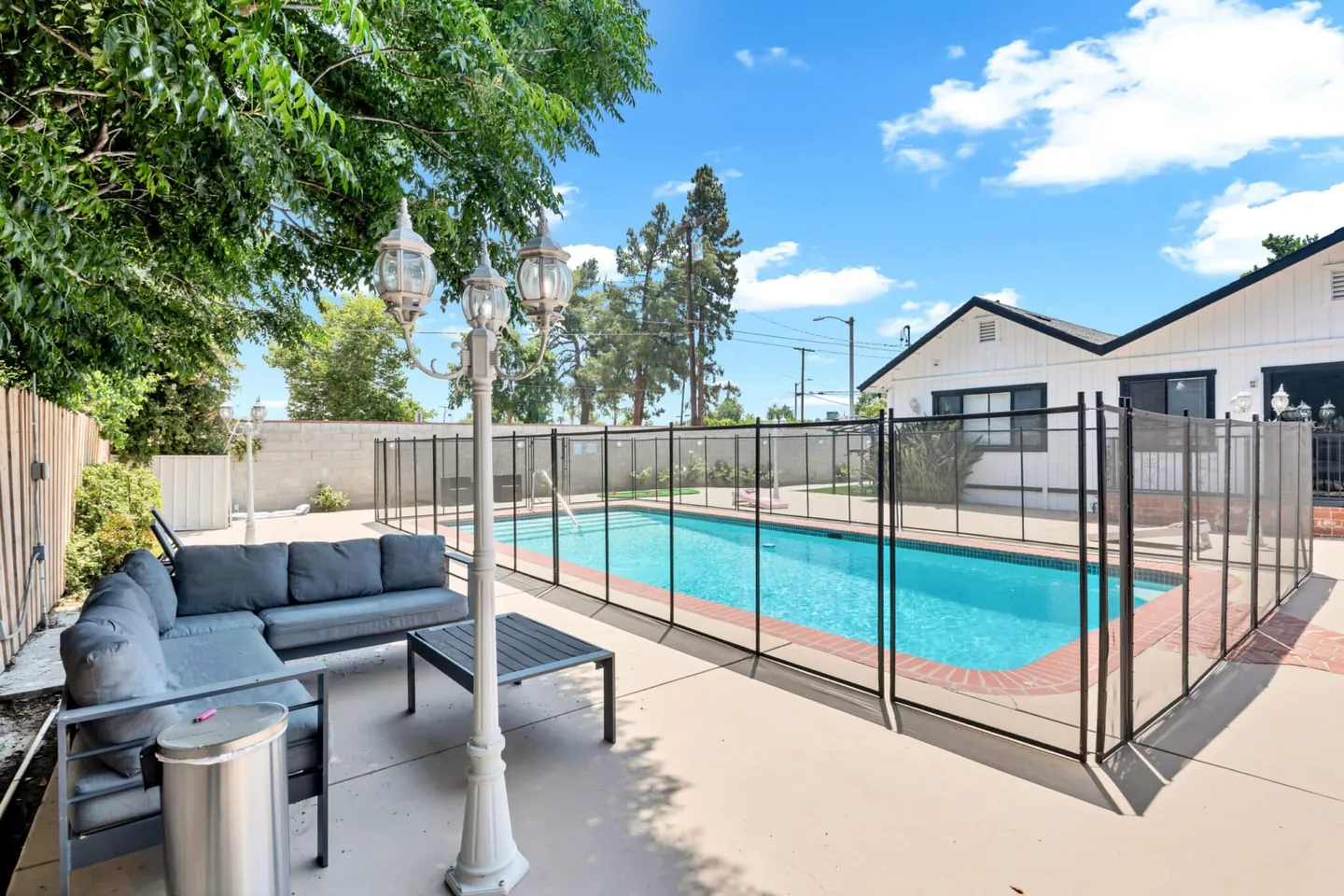
- Physical restoration. Three chef prepared meals a day, hydration, and rest in a quiet semi private or private suite. Once you feel up to it, there is a heated pool, putting green, and outdoor gym.
- A seamless step into residential treatment. As soon as you are medically stable, therapy begins in the same house with the same team.
What the Research Says About Buprenorphine for 7 OH
Because concentrated 7 OH is new, the published evidence is still early, mostly case reports and small case series. What exists is encouraging and points in one direction:
- 88.9% stabilization in 2026 case series: A 2026 retrospective case series of nine patients treated with buprenorphine for purified 7 OH use reported successful initiation and stabilization in 88.9% of cases (8 of 9), with no precipitated withdrawal. Six patients received a low dose initiation and three received a standard initiation (Fenske et al., 2026).
- Inpatient COWS guided taper: A published inpatient case report (Wightman and Hu, 2025; print issue 2026) described a 38 year old patient whose daily 7 OH withdrawal (peaking at a COWS score of 14) was managed with a short, symptom guided course of sublingual buprenorphine. He tapered off buprenorphine during his stay and moved directly into residential care, the same detox to residential pathway we use at Northridge.
- State public health guidance: The Minnesota Department of Health’s August 2026 clinical guidance tells clinicians not to delay treatment just because the exposure is 7 OH, and notes that many providers report success with low dose buprenorphine initiation.
- Longer term retention: For kratom use disorder more broadly, a case series of 28 patients treated with buprenorphine (Broyan et al., 2022) found that 20 (about 71%) were still in treatment after an average of 11 months.
Addiction physicians also report that people using high daily amounts of 7 OH may need higher buprenorphine doses or more flexible starts than traditional kratom users. That is one reason round the clock physician oversight matters.
Will I Have to Stay on Suboxone?
Not necessarily. Some residents choose to stay on buprenorphine as ongoing Medication Assisted Treatment because it reduces cravings and helps protect against relapse. Others prefer a short taper during their stay. Once you have been opioid free long enough, which your physician determines, extended release naltrexone (Vivitrol) is another option: a monthly injection that blocks opioid effects. Dr. Hussain reviews these choices with you every day, and the decision is yours.
After Detox: Residential Treatment for 7 OH Addiction
Detox clears the drug. It does not address why you started or what could pull you back. Almost nobody reaches for 7 OH looking for an addiction. Most people we treat started using it to power through demanding workdays, quiet anxiety, manage chronic back or joint pain, or step down from prescription painkillers on their own.
In residential treatment at Northridge, Clinical Director Melissa Snyder and our clinical team build an individualized plan that typically includes:
- One on one therapy plus Cognitive Behavioral Therapy and Dialectical Behavior Therapy
- Dual diagnosis psychiatric care for anxiety, depression, PTSD, and trauma
- A non opioid plan for chronic pain, sleep, and stress
- 12 Step facilitation and small peer process groups
- Family sessions and, when both partners need help, couples treatment
- A structured 90 day aftercare plan, built with your case manager before you leave
Many of our residents are executives, professionals, and parents, so Northridge offers approved phone and laptop access after initial medical stabilization. You can handle essential work and family obligations privately while you recover. Most residents complete about 30 days of residential care after detox.
Is 7 OH Legal in California? What the 2026 Changes Mean for You
In California, selling 7 OH for consumption is already illegal. On October 24, 2025, the California Department of Public Health (CDPH) declared that foods, dietary supplements, and drugs containing kratom or 7 OH are dangerous and illegal to manufacture or sell in the state. Enforcement has been aggressive: in September 2026 the Governor’s office reported that 7,888 kratom and 7 OH products had been pulled from store shelves.
Federal action is moving quickly too. After the FDA’s July 2025 recommendation, the DEA announced in July 2026 that it intended to temporarily place concentrated 7 OH in Schedule I. On October 14, 2026, it replaced that notice with a revised one, based on updated HHS science, covering products with more than 1 milligram of 7 OH per gram (solids) or per milliliter (liquids), or with a mitragynine to 7 OH ratio below 100 to 1. The DEA stated that the final temporary scheduling order could be published on or after November 13, 2026. As of November 23, 2026, the DEA had not yet published that final order in the Federal Register.
For someone who is physically dependent, a ban does not end the dependence. It ends the supply. When products vanish from shelves, people are pushed into sudden, unplanned withdrawal or toward riskier substitutes such as counterfeit pills that may contain fentanyl. Planning a supervised detox now, on your own terms, is far safer than waiting for the shelves to empty.
Does Insurance Cover 7 OH Detox?
In many cases, yes. Commercial health plans evaluate 7 OH dependence under the same medical necessity criteria used for other opioid related substance use disorders, especially when withdrawal requires 24/7 medical supervision, outpatient attempts have not worked, or co occurring mental health conditions are present. Federal and California parity laws require most plans to cover substance use treatment on terms comparable to other medical care.
Northridge works with a wide range of PPO, EPO, POS, self funded employer TPA, state employee (including NYSHIP), union health and welfare, military, and federal plans, including UnitedHealthcare, Blue Cross Blue Shield, UMR, Anthem Blue Cross, Aetna, Cigna, Evernorth, Gravie, Curative, Carelon Behavioral Health, GEHA, Harvard Pilgrim Health Care, Medical Mutual, Medica, Blue Shield ILWU Longshoremen, Highmark Blue Cross Blue Shield, First Health Network, ComPsych, TRICARE, and Magellan Health.
Coverage is never limited to the providers listed above, as we verify hundreds of additional national and regional employer policies 24/7. Our admissions team can verify your benefits confidentially in minutes and assist directly with confidential FMLA and short term disability paperwork.
Don’t see your insurance company or plan type below? We are not limited to these featured plans and work with hundreds of additional PPO, EPO, POS, self funded employer TPA, state employee (including NYSHIP), union health and welfare, and regional policies 24/7.
Why People Across Southern California Choose Northridge for 7 OH Detox
- Only 12 residents at a time, so your physician and therapists actually know you.
- Detox and residential care under one roof. No transfers and no starting over with a new team.
- A board certified psychiatrist as Medical Director, which matters when anxiety, depression, or trauma is part of the picture.
- Buprenorphine and naltrexone options, not a one size fits all protocol.
- Approved phone and laptop access after stabilization.
- Joint Commission accreditation, California DHCS licensure (#191075AP), and LegitScript certification.
- A 4.9 star Google rating from residents and families.
- Easy to reach from anywhere in LA. We are in Encino, minutes from Sherman Oaks, Woodland Hills, Tarzana, Calabasas, and Simi Valley, and just over the Sepulveda Pass from Brentwood, Beverly Hills, and Santa Monica. We also welcome clients traveling from out of state (including New York, Texas, and Colorado) with a clear packing checklist before arrival.
Call +1 (747) 293 4326 any time, day or night, or verify your insurance online. Same day admission is often available at our private 12 bed estate at 6215 White Oak Avenue, Encino, CA 91316. Learn more about our 7 OH and kratom detox program.
Frequently Asked Questions
How long does 7 OH withdrawal last?
Acute symptoms typically begin 4 to 12 hours after the last dose, peak between hours 18 and 72, and ease over about 5 to 7 days with medical care. Low energy, mood changes, poor sleep, and cravings can continue for several weeks, which is why residential treatment and aftercare matter.
Can I detox from 7 OH at home?
Some people with light, short term use can taper with outpatient medical support. Heavy daily use of concentrated tablets or shots, though, usually brings withdrawal that is very hard to get through at home. Dehydration, mixing in alcohol or sleep aids, mistimed Suboxone, and lost tolerance all raise the risks. Talk to a physician before you stop.
Is Suboxone used for 7 OH withdrawal?
Yes. Buprenorphine, the main ingredient in Suboxone, is the most studied medication for 7 OH withdrawal so far. Timing matters: starting too early can cause precipitated withdrawal, which is why our physicians use COWS scores or a low dose initiation approach.
Is 7 OH withdrawal dangerous?
Opioid type withdrawal is not usually life threatening for healthy adults. Severe vomiting and diarrhea can cause dangerous dehydration, though, and the risk of overdose rises sharply if someone relapses after tolerance drops or mixes 7 OH with other sedating substances.
Does 7 OH show up on a drug test?
Routine urine drug screens may not detect 7 OH or other kratom alkaloids, and specialized testing is usually needed. People can arrive in clear opioid withdrawal with a negative standard opioid screen, so tell your care team exactly what you have been taking.
Is 7 OH the same thing as kratom?
No. Kratom leaf contains only trace amounts of 7 OH. Concentrated 7 OH products are semisynthetic and far more potent, even though most are marketed as kratom.
Can I keep my phone and laptop during 7 OH treatment?
Yes. After initial medical stabilization, residents receive approved access to their personal phone and laptop so they can manage essential work and family responsibilities.
Will my insurance cover 7 OH detox in Los Angeles?
Most commercial PPO, EPO, POS, self funded TPA, union, and federal behavioral health plans cover medically necessary detox and residential treatment, and we are not limited to the carriers listed on our website. Call +1 (747) 293 4326 or use our online form for a free, confidential benefits check.
Related Reading
References
- U.S. Food and Drug Administration. FDA Takes Steps to Restrict 7 OH Opioid Products Threatening American Consumers. July 29, 2025. Source
- Health Affairs Forefront. When An Herbal Supplement Becomes A Potent Opioid: The Emerging Threat Of Concentrated Kratom Derivatives. May 14, 2026. Source
- California Department of Public Health. Foods, Dietary Supplements and Medical Drugs Containing Kratom or 7 OH (consumer warning, October 24, 2025). Source
- Office of Governor Gavin Newsom. Governor Newsom announces nearly 15,300 illegal hemp, kratom and 7 OH products removed from California store shelves. September 2, 2026. Source
- U.S. Department of Justice. Department of Justice Announces Updates to Emergency Scheduling Actions for 7 OH and Related Opioid Substances. October 9, 2026. Source
- Federal Register. Schedules of Controlled Substances: Temporary Placement of 7 Hydroxymitragynine and Mitragynine Pseudoindoxyl Above a Specified Threshold in Schedule I. October 14, 2026. Source
- Fenske E, Williams B, Hallock Koppelman L, Buchheit BM. Buprenorphine for the Management of 7 Hydroxymitragynine (7 OH) Use: A Retrospective Case Series. Journal of Addiction Medicine. 2026;20(6):e242 to e248 (Epub June 1, 2026). PMID 42225057. Source
- Wightman RS, Hu D. A Case of 7 Hydroxymitragynine Use Requiring Inpatient Medically Managed Withdrawal. Journal of Addiction Medicine. 2026;20(4):416 to 418 (Epub August 4, 2025). PMID 40758956. Source
- Minnesota Department of Health. Prepare for Patients Using Concentrated 7 OH Products. August 31, 2026. Source
- Broyan VR, Brar JK, Allgaier T, Allgaier JT. Long term buprenorphine treatment for kratom use disorder: A case series. Substance Abuse. 2022;43(1):763 to 766. PMID 35112990. Source
- Fenske E, Buchheit BM. Kratom vs. 7 OH: Understanding the potency gap and risks. KevinMD. March 13, 2026. Source


