As more people become aware of the opioid and overdose crisis in the United States, there is one recurring question; can you die from touching fentanyl? Undoubtedly, fentanyl is a dangerous drug, but you cannot die simply from touching it.
Being cautious about drugs and handling them with care is essential, but knowing the facts from fiction is vital in addressing addiction and removing harmful stigmas, especially around opioid exposure and treating overdoses.
You won’t die from briefly touching fentanyl powder. Your skin acts as an effective barrier, transdermal absorption requires 6-12 hours to reach significant serum levels, and powder lacks the permeability enhancers found in pharmaceutical patches. No confirmed overdose cases from casual contact exist in medical literature. What’s often reported as “overdose” symptoms are typically panic attacks or vasovagal syncope. Understanding the pharmacokinetics behind this myth helps you assess actual exposure risks.
In 2021, the San Diego County Sherriff Department released footage from a police officer’s body camera showing another officer overdosing after exposure to fentanyl. According to police officers’ statements, they were processing drugs that did test positive for fentanyl at a crime scene when the deputy lost consciousness and stopped breathing. After several doses of the life-saving drug Narcan and emergency medical treatment, the officer fully recovered.
You can see the dramatic footage in the news clip below.
Copyright: FOX Television Stations
Source: https://www.foxla.com/video/963816/
The footage from the body camera quickly went viral. It sparked discussions on how dangerous fentanyl is and whether you can overdose or die just from touching or accidentally inhaling fentanyl.
Misinformation surrounding fentanyl and opioid exposure stems from a lack of understanding of how drugs work. In an overabundance of protecting police officers and public safety workers who come in contact with fentanyl, information is repeated and spread quickly, often before experts can weigh in. It is certainly never a bad thing to take safety precautions; however, experts worry that the misinformation leads to fear surrounding fentanyl users and could delay life-saving response times.
What Is Fentanyl?
Fentanyl is a highly potent synthetic opioid painkiller. Fentanyl works similarly to morphine but is 50 to 100 times more powerful. As a central nervous system depressant, fentanyl binds to the brain’s opioid receptors to reduce or stop pain signals from reaching the brain.
Fentanyl forms include liquid, patches, oral tablets, or lozenges, similar to cough drops. Doctors prescribe fentanyl to patients with chronic or severe pain, especially those who have become tolerant to other opioid medications. Currently, fentanyl is the most widely used opiate in medical settings.
On the streets, fentanyl is typically trafficked and sold as a loose powder making it easy to combine with other drugs or press into a pill form. Liquid fentanyl is sometimes used as a nasal spray or dripped onto candy or small pieces of tissue or paper to eat. Dealers often use fentanyl to cut other drugs like heroin and counterfeit pain pills because it is cheap and gives an intense high.
While some users actively seek out fentanyl, most people are unaware it is mixed in with their drugs, leading to accidental overdose deaths. Fentanyl overdoses are now more common than prescription opioid overdoses, and many experts believe the numbers could be higher but are hard to gauge because of a lack of testing.
On its own, fentanyl is lethal even in small doses; mixing it with other drugs with the same effect increases the lethality. Famously, rapper Mac Miller died from an overdose when he unknowingly took pills cut with fentanyl. Medical toxicologists determined that Miller would not have died from an overdose without fentanyl mixed into the drugs. The men who provided the drugs to Mac Miller are currently facing over a decade in prison for their involvement.
Can You Die From Touching Fentanyl?
You cannot die from touching fentanyl. Fentanyl has to enter the bloodstream to be effective; skin contact does not allow it to get into the body in any way that could lead to opioid toxicity or death.
The Short Answer: Touching Fentanyl Won’t Cause an Overdose

Despite widespread concern among first responders and the public, no confirmed cases of overdose from casual skin contact with illicit fentanyl powder exist in medical literature. The touching fentanyl risk you’ve heard about doesn’t align with scientific evidence. Toxicologists confirm that transdermal absorption of enough fentanyl to cause rapid overdose is physiologically impossible.
Your skin acts as an effective barrier against fentanyl exposure. Unlike pharmaceutical patches, which contain permeability-enhancing agents and require 3-13 hours for absorption, powder fentanyl cannot penetrate intact skin. Accidental poisoning through casual contact simply doesn’t occur. When officers report overdose symptoms after minimal contact, these incidents may actually represent panic attacks or vasovagal syncope triggered by context-driven anxiety rather than true fentanyl toxicity.
If you encounter fentanyl, emergency measures are straightforward: wash affected areas with soap and water. Avoid alcohol-based sanitizers, which may increase absorption. You can safely assist overdose victims without fearing incidental contact. This is critical because people who have overdosed may only have minutes to live, and hesitating to help could cost them their life. The danger lies not in touching fentanyl but in consuming it, as illicitly manufactured fentanyl contributed to 65.5% of all overdose deaths in Oregon in 2022.
Why Skin Absorption Takes Hours, Not Seconds
Understanding why casual contact poses minimal risk requires examining how fentanyl actually penetrates skin tissue. Your skin’s outer layer acts as a formidable barrier with limited skin permeability that prevents rapid drug absorption. Pharmaceutical patches require specialized formulations to overcome this natural resistance, slowly releasing medication over hours rather than seconds.
Fentanyl enters your bloodstream through micropores and reaches capillaries at a 92-94% absorption rate, but only after extended contact with enhanced delivery systems. The epidermal reservoir effect explains why absorption takes 6-12 hours to reach effective serum levels. Your epidermis must first become saturated before efficient systemic absorption occurs.
This biological reality means brief, incidental skin contact can’t deliver dangerous doses. Without patch-specific permeability enhancers and prolonged exposure, your skin simply blocks rapid fentanyl uptake.
Where the “Touching Fentanyl” Myth Came From
When you trace the origins of fentanyl contact fears, you’ll find they stem largely from a 2016 DEA advisory and training video that warned first responders of rapid overdose from touching or inhaling the drug. The DEA later removed this content after medical experts challenged its accuracy.
| Source | Claim | Outcome |
|---|---|---|
| DEA Advisory (2016) | Skin absorption causes rapid overdose | Retracted after expert criticism |
| DOJ Press Release | Incidental contact kills officers | Failed to stop myth spread |
A 2017 Ohio case reinforced misconceptions when an officer who brushed fentanyl powder experienced symptoms later diagnosed as a panic attack, not opioids poisoning. Media coverage amplified these unverified claims, embedding the touch-kill narrative into public consciousness.
But what about fentanyl patches? Fentanyl patches, also called transdermal patches, are specially designed for consistent doses of pain relief. With patches, fentanyl can be absorbed through the skin to build up in the tissue underneath and slowly released into the bloodstream. It takes 24 to 72 hours for a fentanyl patch to be effective. Brief contact with a fentanyl patch cannot kill you and is unlikely to result in any effects, especially an opioid overdose or death.
Why Fentanyl Patches Are Different Than Powder
Because transdermal patches deliver fentanyl through a controlled-release mechanism, they pose fundamentally different exposure risks than illicit powder formulations. Patches require 12-24 hours to reach steady-state release characteristics, with fentanyl dissolved in self-adhesive acrylic polymer designed for gradual skin absorption. This controlled delivery eliminates the rapid onset associated with powder forms, which work within minutes.
During patch handling, you’re dealing with a system engineered for slow, continuous transdermal penetration. The drug remains bound within the polymer matrix until activated by body heat and skin contact over extended periods. Powder fentanyl, conversely, presents immediate absorption potential through mucous membranes or inhalation. Understanding these pharmacokinetic differences helps you assess actual exposure risks, patches demand prolonged skin contact for systemic absorption, while powder formulations bypass these protective delivery constraints entirely.
Public safety workers, law enforcement officials, and emergency responders have specific safety guidelines and procedures to follow when they risk contact with the drug itself. However, there is always a risk of accidental exposure to fentanyl in unpredictable situations, especially if someone is unprepared.
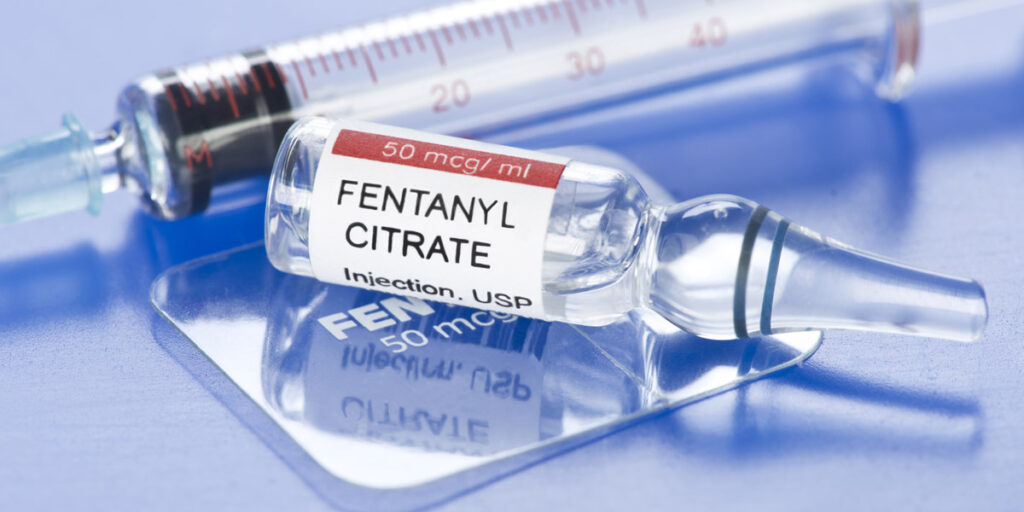
Can You Overdose From Touching Fentanyl?
Touching fentanyl cannot lead to an overdose. Even though small amounts of fentanyl can be dangerous, it must enter the bloodstream to be effective.
The American College of Medical Toxicology (ACMT), the Center for Disease Control (CDC), and the American Academy of Clinical Toxicology (AACT) have all declared it medically impossible to overdose from skin contact with fentanyl. Harm reduction activist Chad Sabora has posted multiple videos of himself holding fentanyl to help dispel the myth that touching it can lead to an overdose.
If someone were to touch fentanyl and then accidentally touch their nose or mouth, there is a chance it will enter their system. Accidentally inhaling fentanyl is much more dangerous than skin contact with the drug. Inhaling fentanyl or ingesting it allows it into the bloodstream through mucus membranes.
Even fentanyl patches handling fentanyl patches will not result in a fentanyl overdose. The patches release minimal amounts of fentanyl very slowly; it would take prolonged skin contact with multiple patches to cause harm.
Touched Fentanyl? Here’s What to Do
Knowing the science behind fentanyl absorption doesn’t eliminate the anxiety you might feel after unexpected contact with the substance. If you’ve touched suspected fentanyl, take immediate action: wash the affected area thoroughly with soap and water. Don’t use alcohol-based hand sanitizers, as they may enhance dermal absorption. Avoid touching your face, and remove any contaminated clothing.
While transdermal exposure poses minimal risk to your CNS, monitor yourself for any unusual symptoms. Respiratory depression represents the primary danger of opioid toxicity, though it’s extremely unlikely from brief skin contact alone. If you experience concerning symptoms, seek medical attention promptly.
If you believe someone is experiencing a fentanyl overdose, it is always better to be safe and take steps to treat it. Narcan (Naloxone) is a life-saving opioid reversal medication that can stop an overdose until medical help arrives. Some overdoses require several doses of Narcan. People who are not experiencing an opioid overdose don’t experience any harmful side effects from receiving Narcan.
Fentanyl Overdose Symptoms to Watch For
Although brief skin contact with fentanyl rarely triggers systemic toxicity, you should recognize the clinical signs of opioid overdose in case exposure occurs through more dangerous routes.
Respiratory Depression
Watch for slow, shallow, or absent breathing. You may hear gurgling or snoring sounds, sometimes called the “death rattle,” indicating airway obstruction.
Altered Consciousness
The person may become unresponsive, extremely drowsy, or unable to communicate. They’ll often appear to “nod out” and won’t respond to verbal or physical stimuli.
Physical Indicators
Look for pinpoint pupils, which signal opioid overdose. Skin becomes cold, clammy, and discolored, turning bluish-purple in lighter skin tones or grayish in darker complexions. The body may go limp, and you’ll notice a slow or erratic pulse.
Recognizing these symptoms enables rapid intervention and potentially life-saving treatment.
Why Is Fentanyl So Dangerous?
Fentanyl is so dangerous because even small amounts are highly potent, and it is very addictive. Fentanyl is 50 to 100 times stronger than morphine and 100 times stronger than heroin. Fentanyl’s popularity among dealers for cutting drugs makes it more prevalent on the illegal market.
People who unknowingly take fentanyl, thinking it is a drug they are used to and have developed a tolerance to, are much more likely to suffer an overdose.
Furthermore, combining fentanyl with other drugs increases its opioid toxicity and lethal potential. Fentanyl is fast-acting, which means that from the time a person ingests it to experiencing an overdose can happen within minutes.
How Much Fentanyl Can Kill You?
According to the Drug Enforcement Agency (DEA), 2 to 3 milligrams of fentanyl will kill the average adult. That’s comparable to several grains of salt.
People who are addicted to other opioids or fentanyl build a tolerance that allows them to handle more significant amounts, but even a tiny miscalculation can lead to an overdose.
Illegal chemists aren’t known for their precision when mixing drugs, which means every time someone uses, it’s a gamble on how much fentanyl might be present. The DEA reports that 2 out of 5 seized pills tested by their labs had at least 2mg of fentanyl. Measuring the amount of fentanyl mixed with loose heroin and cocaine is more challenging, but based on increasing overdose rates and deaths, it is clear that fentanyl continues to spread through drug supplies.
Is Fentanyl Addictive?
Fentanyl is very addictive. Fentanyl produces a quick high that results in intense euphoria and relaxation. On top of the psychological effects, the body becomes dependent on fentanyl rather quickly and requires repeated and higher doses to feel the effects.
Like other opioids, heroin, morphine, and oxycodone, fentanyl causes uncomfortable and dangerous withdrawal symptoms or “dope sickness” when people abruptly stop taking it. Frequently people who want to quit fentanyl use it to avoid going through withdrawal, perpetuating the cycle of addiction.
Fentanyl Treatment in Northridge, California
Another life is possible if you or a loved one is struggling with fentanyl or opioid addiction and fear of overdosing.
Northridge Addiction Treatment Center is in the heart of Los Angeles’s San Fernando Valley and offers a safe, calm, and private environment to start your life in recovery.
Our residential treatment center offers onsite medical detox with 24-hour medical attention and support to get you comfortably through withdrawal, followed by an evidence-based treatment plan tailored to your specific needs and goals.
Reach out to us today to take the first steps on your path to life-long recovery.
Frequently Asked Questions
Can Fentanyl Be Absorbed Through Clothing or Fabric Materials?
You won’t absorb fentanyl through clothing or fabric materials in any meaningful way. Fabric acts as an additional barrier beyond your skin, further reducing already minimal absorption potential. Fentanyl’s transdermal delivery requires direct, prolonged skin contact with specialized formulations designed to penetrate the stratum corneum. Casual contact with contaminated clothing doesn’t create conditions for systemic uptake. You’d need sustained exposure under specific pharmacokinetic conditions for absorption to occur.
Is It Safe to Perform CPR on Someone Who Ingested Fentanyl?
Yes, you can safely perform CPR on someone who’s ingested fentanyl. There are no confirmed cases of bystanders or first responders experiencing overdose symptoms from providing rescue breathing or chest compressions to fentanyl victims. You won’t absorb a clinically significant dose through brief skin contact or mouth-to-mouth resuscitation. However, you should note that fentanyl-induced chest wall rigidity may complicate compressions. Don’t hesitate, administer naloxone and begin CPR immediately while awaiting emergency services.
How Long Does Fentanyl Remain Detectable on Contaminated Surfaces?
Fentanyl can persist on contaminated surfaces for extended periods depending on the material and environmental conditions. On nonporous surfaces like laminate, glass, and vinyl, you’ll find the compound remains stable without degradation in the absence of chemical treatment. Water alone won’t eliminate it, you’ll recover 22, 50% even after spraying. For effective decontamination, you’ll need acidified bleach or peracetic acid with at least 1-hour contact time to achieve >95% degradation.
Can Pets Overdose From Fentanyl Exposure in the Home?
Yes, your pets can overdose from fentanyl exposure in your home. Animals face significant risk through accidental ingestion of fentanyl patches, contact with contaminated surfaces, or inhalation of airborne particles. You’ll recognize toxicity through respiratory depression, pinpoint pupils, extreme drowsiness, and loss of consciousness, symptoms that can develop within five minutes. If you suspect exposure, you should administer naloxone and seek emergency veterinary care immediately.
Does Hand Sanitizer Increase Fentanyl Absorption Compared to Soap and Water?
Yes, alcohol-based hand sanitizers increase fentanyl’s transdermal absorption rather than removing it. The alcohol disrupts your skin’s lipid barrier, enhancing drug penetration. You shouldn’t use hand sanitizer for fentanyl decontamination, it’s clinically ineffective at removing the substance from your skin. Instead, wash immediately with soap and water, which mechanically removes fentanyl particles without compromising your skin’s protective barrier. Bleach solutions similarly fail to decontaminate and may also increase absorption.