Used for the emergency treatment of an opioid overdose, Narcan is an opioid antagonist, reversing or blocking the effects of an opioid overdose and can be lifesaving until emergency medical care is provided. Narcan is the original brand name of naloxone, which comes in two FDA-approved forms, nasal spray, and injectable. You should always call 911 after giving a dose of naloxone.
Narcan (naloxone) is an opioid antagonist medication that can reverse an overdose within minutes by rapidly binding to opioid receptors in the brain and displacing drugs like fentanyl and heroin to help restore normal breathing. Proper dosing and post-administration monitoring are essential because naloxone can wear off before the opioid clears the body.
What Is Narcan (Naloxone)?
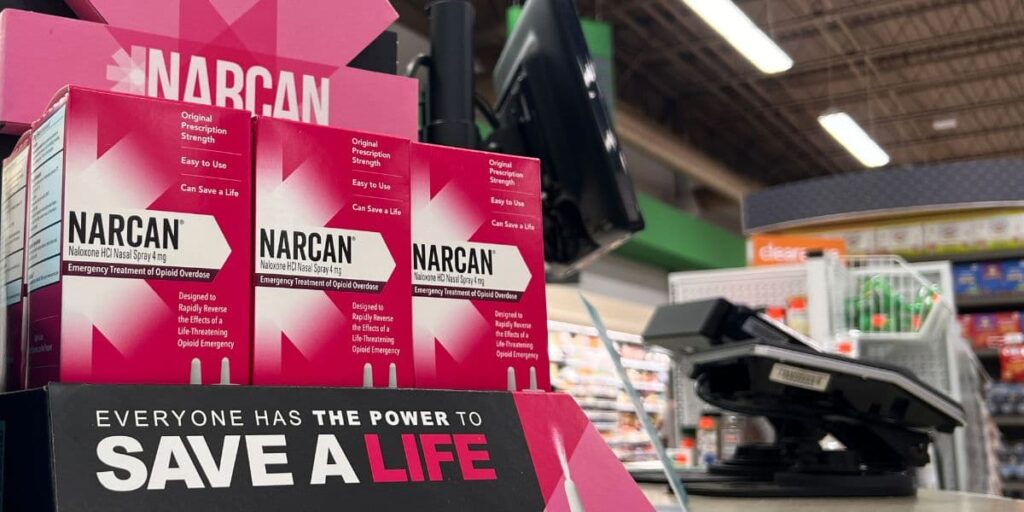
Narcan is the name brand of naloxone. If you are a caregiver, family member, or opioid user, you’ve probably heard of it. It is an antidote to opioid overdoses, including prescription opioids and those obtained on the street, resulting in an intentional or accidental drug overdose. Naloxone/Narcan comes in two forms and can save lives in the event of a life-threatening emergency. It has minimal side effects and should be given at the first symptoms of an opioid overdose.
Naloxone is available in multiple formulations, including nasal sprays, intramuscular injections, subcutaneous injections, and intravenous infusions. Other brand names include Kloxxado, Nyxoid, and Zimhi. Onset varies by route, with intravenous delivery working within minutes, intramuscular injection taking several minutes, and nasal spray typically taking a few minutes.
When Narcan is administered, it acts specifically on opioid receptors and will not produce an effect if opioids are not present in the system. Naloxone has maintained a strong safety profile for decades and cannot cause a high. The prepackaged nasal spray is a needle-free device that can be used by loved ones and bystanders without medical training.
Where to Get Narcan
Narcan is available at all local pharmacies without an individual prescription. You can learn more here.
Since 2023, Narcan (naloxone) nasal spray has also been sold over-the-counter at many pharmacies and major retailers, as well as online. Availability can vary by location, so it may be stocked on shelves near first aid or behind the register.
Common places people find Narcan:
- Chain pharmacies and big-box retailers (in-store pickup may be available)
- Online ordering through major retailers and delivery services (availability varies by region)
- Community distribution programs and public health naloxone access initiatives (often free)
Narcan Uses

Narcan has several uses such as:
- Reversal of opioid effects
- Opioid overdose
Note: Naloxone has been studied for other uses in limited or specialized settings, but it is best known and most widely used as an emergency medication to reverse opioid overdose.
Forms of Narcan
Naloxone hydrochloride is administered in two ways:
- Nasal spray is FDA approved, prepackaged, and designed for people with no formal medical training to spray in an opioid user’s nose.
- Injectable liquid is FDA approved and requires a measured dose given by needle into a vein or under the skin. This requires medical training. Emergency responders and doctors are the only ones who should use this method.
Naloxone is also available in additional formulations in some settings, including intramuscular and subcutaneous injections and intravenous dosing in medical environments. The route used can affect how quickly the medication takes effect.
Narcan Nasal Spray
Narcan Nasal Spray is used by caregivers, family members, opioid users, and emergency medical personnel in emergencies to stop opioid overdoses. Narcan Nasal Spray is not a prescription drug, , designed to be accessible at all times and easy to use for people with no formal training in the event of an overdose. Since some opioids are more potent than others, you may need to give more than one dose. It is safe to give a second dose in the alternate nostril after a few minutes.
Nasal spray and injection both reverse opioid overdose by blocking opioid receptors, but they differ in ease of use. The nasal spray delivers a fixed dose with no assembly and avoids needlestick risk, which is one reason it is commonly recommended for bystanders and families. Injectable naloxone can act quickly in medical settings, but it requires proper technique and carries needlestick and infection risks.
Nasal Spray Effects
The effects of Narcan Nasal Spray last 30 to 90 minutes and may cause the person to experience opioid withdrawal symptoms. Withdrawal can be intense and distressing. It is vital always to call 911 or seek immediate medical attention after using Narcan Nasal Spray.
How Does Narcan Work?
Narcan is an opioid antagonist and works to displace the opioid receptors in the brain to reverse the overdose abruptly. The effects of Narcan are immediate and stop the overdose from continuing or worsening.
Naloxone only works on people experiencing an opioid crisis. If you give Narcan to someone not on opioids, it will have no effect.
During an opioid overdose, naloxone rapidly displaces opioid molecules from receptors in the brain. This blocks opioids from continuing to suppress breathing, helping restore normal respiration. However, opioid overdose reversal is not permanent: naloxone commonly lasts 30 to 90 minutes, while many opioids can remain active longer, so emergency medical care is still required.
| Administration Route | Typical Onset Time | Action Required |
|---|---|---|
| Intravenous | Minutes | Monitor breathing |
| Intramuscular | Several minutes | Prepare second dose if needed |
| Nasal Spray | A few minutes | Call 911 immediately |
Signs of Opioid Overdose
Narcan needs to be given at the first symptoms of an opioid overdose.
Signs and symptoms of an opioid overdose include:
- Breathing problems, shallow or inconsistent breaths, or gasping for air
- Low blood pressure
- Faint heartbeat
- Nausea, vomiting
- Extreme drowsiness, it is difficult to awaken or keep the person awake
- Unresponsive to stimuli such as loud voices or physical touch like rubbing firmly in the middle of their chest
- Dialated pupils (the black circle in the center of your eye)
- Limp arms and legs
- Pale skin
- Purple or blue color to lips and fingertips
How to Administer Narcan
You should read and understand the directions Narcan comes with when you get it to avoid wasting time in an emergency. Ask a doctor or pharmacist about anything you do not understand. The person overdosing cannot give themselves Narcan. Another person needs to administer the medicine.
How to administer naloxone/Narcan Nasal Spray:
- After taking the nasal spray out of the box, pull off the tab with a circle to open it. DO NOT DO A TEST SPRAY. This will waste the premeasured dose.
- Lay the person overdosing on their back with their head tilted upward, support their neck with your hand or put something underneath.
- Hold the nasal spray with your pointer finger on one side of the nozzle and your middle finger on the other. Your thumb should be on the bottom of the plunger.
- Carefully and slowly slide the nozzle into the nostril until your fingers are against the bottom of their nose.
- Firmly press the plunger upward with your thumb to deliver the dose of Narcan.
- Remove the nasal spray from the nostril.
- Move the person onto their side. This is called the “recovery position.”
- If no one has called for emergency medical help, do so now and continue to check the patient.
- A second dose of Narcan can be given in the alternate nostril after two to three minutes by repeating the steps above.
- You can repeat this process until the patient responds or professional help arrives.
What to Do After Giving Someone Naloxone
After naloxone takes effect, monitoring is still required because the medication can wear off before the opioid clears the body. Emergency responders should be called immediately, and the person should be watched closely for a return of slowed or stopped breathing.
Place the person in the recovery position (on their side) to help keep the airway open and reduce aspiration risk if vomiting occurs. If breathing does not improve or symptoms return, additional doses can be given every few minutes while waiting for emergency medical care.
Naloxone can trigger sudden withdrawal symptoms in opioid-dependent people (for example, agitation, nausea, vomiting, sweating, and body aches). Even if the person wakes up quickly, professional evaluation remains important due to the risk of re-sedation and re-overdose.
Narcan Doses
The average nasal dosage of Narcan for children and adults is one spray, which is 2 to 4 milligrams in one nostril. If the patient remains unresponsive, it is safe to give multiple doses, alternating nostrils, every two to three minutes.
Why Fentanyl Overdoses May Need Multiple Narcan Doses
Fentanyl and related synthetic opioids can complicate overdose response because they may outlast naloxone’s protective window. Naloxone commonly works for 30 to 90 minutes, while some opioids can remain active longer, creating a risk of re-sedation and re-overdose after initial reversal.
| Factor | Naloxone | Some Opioids |
|---|---|---|
| Typical duration | 30, 90 minutes | Can be longer |
| Repeat dosing | May be needed | Can continue depressing breathing |
| Key risk | Wears off sooner | Re-sedation / re-overdose |
Administer the first dose immediately and call 911. If breathing does not improve within 2 to 3 minutes, administer another dose in the alternate nostril. Rescue breathing and CPR should be provided as appropriate while awaiting emergency medical care.
What Happens If You Give Narcan and It Wasn’t an Opioid Overdose?
Administering naloxone to someone who has not taken opioids generally does not cause harm because the medication works only on opioid receptors. If opioids are not present, naloxone typically produces no effect and does not reverse overdoses from stimulants, benzodiazepines, alcohol, or other non-opioid substances.
If an overdose is suspected and it is unclear whether opioids are involved, naloxone can still be administered while emergency services are contacted. The person should be monitored closely, and emergency evaluation is still required even if naloxone does not appear to work.
Side Effects
If you have a medical history of allergic reactions, specifically you are allergic to naloxone hydrochloride, or heart problems, you should talk to a medical professional about naloxone use when possible. In an overdose emergency, naloxone is used to restore breathing and prevent death, including in pregnant or breastfeeding people, because the risk of untreated overdose is life-threatening. After emergency use, follow-up medical care is essential.
Some side effects of Narcan include:
- Nausea and vomiting
- Body aches
- Sweating
- Fever
- Increased heart rate
- Diarrhea
- Runny nose
- Shivering or trembling
- Stomach cramping
- Aggressive behavior
- Headache
You can report side effects to the FDA.
Getting Opioid Addiction Treatment
Opioid addiction impacts millions of Americans daily and is a long-term, chronic condition that can have lasting harmful effects. Most people need professional help to overcome opioid addiction.
Northridge Addiction Treatment Center has a highly trained team of doctors, nurses, and mental health professionals offering a wide range of effective therapies. NATC focuses on the individual as a whole, treating the addiction and the underlying causes, including co-occurring disorders.
We work to establish a long-term path to a healthy life in recovery. Our alumni program helps ensure you stay successful even after you leave our care. Our luxury residential facility is in the valley of Los Angeles, California, offering a peaceful, scenic place that allows our residents to prioritize their recovery in privacy and comfort.
Reach out today to speak with our specialists and begin the journey to meaningful recovery.
Frequently Asked Questions
Can Narcan Cause a High or Be Abused Like Opioids?
No, Narcan does not cause a high and is not abused like opioids. Naloxone is an opioid antagonist that blocks receptors without activating them, so it does not produce euphoria or rewarding effects. In people who are opioid-dependent, naloxone can trigger withdrawal symptoms rather than pleasure.
How Long Does Narcan’s Overdose-Reversing Effect Last in the Body?
Narcan’s overdose-reversing effects commonly last about 30 to 90 minutes. Because some opioids last longer than naloxone, symptoms can return after initial improvement. Medical evaluation and continued monitoring are important, and additional doses may be needed if respiratory depression returns.
Will Narcan Work on Someone Overdosing From Cocaine or Methamphetamine?
No, Narcan does not reverse stimulant overdoses from cocaine or methamphetamine because those substances do not work through opioid receptors. However, in a suspected mixed overdose where opioids may also be involved, naloxone can address the opioid component while emergency services manage the rest.
Does Giving Narcan Cause Withdrawal Symptoms in Opioid-Dependent People?
Yes, naloxone can precipitate sudden withdrawal symptoms in opioid-dependent people because it rapidly displaces opioids from receptors. Symptoms can include agitation, nausea, vomiting, sweating, and body aches. While uncomfortable, restoring breathing during an overdose is the priority, followed by emergency medical care.
Why Is Naloxone Included in Medications Like Suboxone?
Naloxone is included in some combination medications to deter misuse. When taken as prescribed, naloxone has minimal effect, but if the medication is injected, naloxone can block opioid effects and trigger withdrawal, discouraging non-medical use.