Methamphetamine is made from precursor chemicals like pseudoephedrine or ephedrine, which are found in some cold medications. You’ll find that illegal production involves combining these with dangerous substances including anhydrous ammonia, lithium metals, acetone, and corrosive acids like hydrochloric or sulfuric acid. This volatile mix creates toxic byproducts such as phosphine gas and hydrogen chloride that contaminate the final product. Understanding what’s actually in street meth reveals why it’s so harmful to your body.
Meth is categorized as Schedule II controlled substance that can cause addiction and serious health issues with prolonged use. It is also called methamphetamine. Long-term meth use can lead to both physical and mental health problems. Frequently referred to by slang terms like meth, crystal meth, ice, speed, and glass, it is distinguished for its powerful impacts.
Meth is a strong stimulant that boosts energy, talkativeness, and feelings of happiness. Meth is synthesized in laboratories through the combination of various toxic chemicals, unlike naturally-derived narcotics such as marijuana, heroin, and cocaine.
Meth is a strong stimulant that boosts energy, talkativeness, and feelings of happiness, and its effects often lead people to search broader drug-related questions such as can dmt be snorted. Meth is synthesized in laboratories through the combination of various toxic chemicals, unlike naturally derived narcotics such as marijuana, heroin, and cocaine.
This article explains what meth is made from, the ingredients used, the production process involved, and the health risks of meth addiction.
What Is Meth Made From?
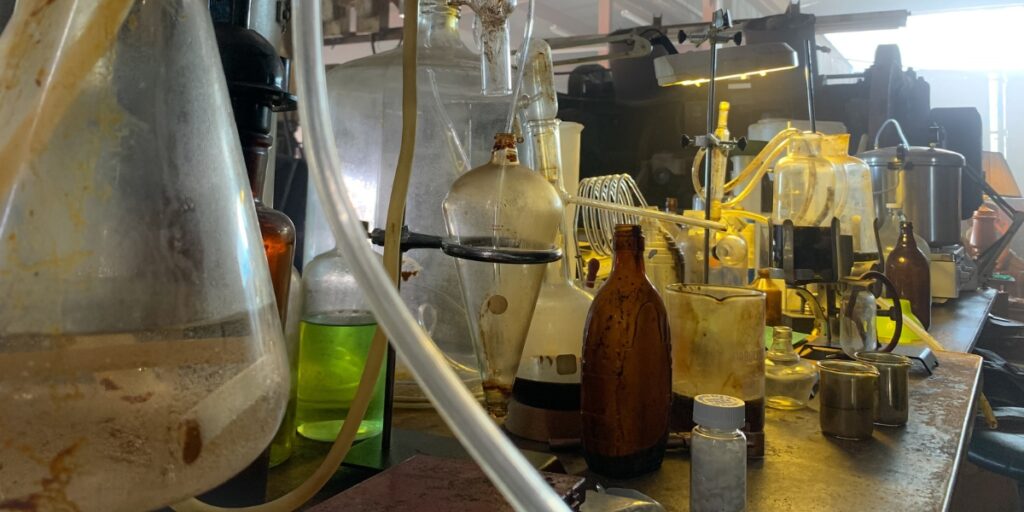
Meth can be made in a small lab using ephedrine or pseudoephedrine. These ingredients are commonly found in cold medicines that can be purchased without a prescription.
Meth can be made in a small lab using ephedrine or pseudoephedrine, ingredients commonly found in cold medicines that can be purchased without a prescription, which has led to increased restrictions and online searches about alternatives like the p2p method.
In 2005, Congress passed a law called the Combat Methamphetamine Epidemic Act to stop methamphetamine production. When Congress passed this law, its only purpose was to stop the methamphetamine manufacturing process. The law required pharmacies and stores to track all purchases of pseudoephedrine and restrict how much people can buy in a single day.
How Is Meth Made?
People mix ephedrine and pseudoephedrine, known as precursor chemicals, with harmful chemicals called cutting agents to make meth. These additional ingredients can include other stimulant drugs, as well as household chemicals like drain cleaner and paint thinner.
To make this, mix the ingredients, add water, and heat with alcohol or acetone. This heating process is crucial as it generates the meth crystals.
What Is Meth Cut With?
Meth is often “cut” or diluted with various substances to enhance its profitability, effects, and potency. Meth cooks use these cutting agents because they are inexpensive, readily available, and commonly found in household items, such as waste products like use kitchen oil. Adding these substances increases the health dangers of the drug and makes a deadly overdose more likely.
Common ingredients used to make meth include:
- Battery acid
- Lithium
- Turpentine
- Nail polish remover
- Chemical substances such as drain cleaner
- Anhydrous ammonia
- Freon
- Phosphorous trioxide, also known as red phosphorus
- Amphetamines or other stimulant drugs
- Fentanyl or other deadly synthetic opioids
Making Meth

The Drug Enforcement Administration (DEA) states that Mexican drug syndicates are the primary producers and suppliers of meth to urban areas in the Midwest and Western United States. Large illegal drug groups operate “super labs” that quickly make a lot of powerful meth for cheap.
Domestic “small toxic labs” produce limited quantities of meth, typically in makeshift settings such as motel rooms, vehicles, rural areas, or other locations. One big worry is the toxic waste from labs that can harm people, including children, by exposing them to chemicals. For every pound of meth produced, up to five pounds of toxic waste may contaminate the soil and groundwater surrounding these areas.
The process of making meth releases harmful toxic fumes that can hurt anyone around them. Meth labs are highly flammable because of the chemicals used.
The process of making meth releases harmful toxic fumes that can injure anyone nearby, and this danger is especially associated with methods commonly referred to as shake & bake meth. Meth labs are highly flammable due to the volatile chemicals involved, putting both producers and surrounding communities at serious risk.
These chemicals can create explosive gases. This increases the risk of accidental fires and explosions. In 2017, the National Institute on Drug Abuse (NIDA) reported 3,036 incidents involving meth labs.
Why Meth Is So Dangerous to Make
The production of methamphetamine ranks among the most hazardous illegal drug manufacturing processes. When you examine clandestine labs, you’ll find volatile chemicals that create immediate fire and explosion risks. The heating process involves flammable substances like acetone and ethyl alcohol that ignite easily, while explosive materials such as lithium aluminum hydride increase blast potential.
Illegal drug labs release deadly gases including phosphine, ammonia, and hydrogen chloride. If you’re exposed to these fumes, you risk severe lung damage, chemical burns, and respiratory failure. Freon inhalation can cause sudden cardiac arrest. Skin contact with the chemicals used in production can result in serious burns that require immediate medical attention.
The environmental impact extends beyond the lab itself. One pound of meth generates five to seven pounds of toxic waste, contaminating soil and water sources while leaving properties hazardous for months after shutdown. Improper disposal of this waste down drains can kill fish and wildlife in nearby lakes, rivers, and streams.
Toxic Chemicals That End Up in Street Meth
Street meth contains dozens of toxic chemicals that persist as residues, byproducts, and intentional adulterants. When manufacturers extract pseudoephedrine from cold medications or use anhydrous ammonia in production, dangerous compounds remain in the final product. These include corrosive acids like hydrochloric and sulfuric acid, reactive metals such as lithium and sodium, and volatile solvents including acetone and benzene.
You’re also exposed to deadly byproducts like phosphine gas and hydrogen chloride when you use street meth. Fentanyl contamination now appears in approximately 12.5% of powder meth samples, dramatically increasing overdose risk. Other common adulterants include methylsulfonylmethane and various metal salts that give meth distinctive colors, greenish hues from copper, orange from nickel, or purplish tints from phosphorus residues indicating extreme toxicity.
With prolonged use, meth users often suffer from severe short-term health effects, including unpredictable behavior and aggression. Additionally, they may experience psychotic episodes and intense paranoia.
How Contaminated Meth Harms Your Body

Beyond the immediate toxicity of these chemicals lies a broader pattern of harm that affects not just users but anyone who encounters contaminated environments. When you’re exposed to residues from methamphetamine synthesis, your body absorbs these substances through your skin, lungs, and mucous membranes.
Meth lab contamination doesn’t discriminate, toxic residues silently penetrate your body through every exposure route imaginable.
You may experience respiratory effects including persistent coughing, throat irritation, and asthma-like symptoms. Your eyes can become sore and watery, while skin rashes develop from surface contact.
More concerning is the systemic and organ damage that occurs with prolonged exposure. Your liver and kidneys process these toxins, potentially sustaining lasting damage. Neurological symptoms like headaches, dizziness, and cognitive impairment commonly emerge.
Children face the highest risk due to hand-to-mouth behaviors. Hair samples confirm that contamination leads to measurable methamphetamine absorption throughout your system.
Long-term meth use can lead to many serious health and psychological problems. If you use meth for a long time, you might experience:
- Insomnia
- Hostile emotions
- Explosive tantrums
- Respiratory issues
- Intense yearnings
- Severe dental decay, commonly referred to as “meth mouth,” that leads to tooth loss
- Despondency
- False beliefs
- Emotional fluctuations
- Visual and auditory misperceptions
Warning Signs of Meth Lab Exposure
How do you know if you’ve been exposed to a meth lab environment? Your body often signals exposure through distinct physical symptoms. You may experience headaches, nausea, or vomiting, reported in up to 17% and 14% of exposure cases respectively.
Respiratory symptoms are particularly telling. You might develop a persistent cough, shortness of breath, or asthma-like symptoms from inhaling volatile compounds. Understanding what is meth made from helps explain these reactions, the toxic meth ingredients release harmful vapors that irritate your airways and lungs.
Watch for eye irritation, skin rashes, or burning sensations on your skin. Neurological signs include dizziness, disorientation, confusion, and trouble sleeping. Children exposed to these environments show especially high healthcare utilization rates, with 46% requiring medical attention.
Treatment Options for Meth Addiction

Recovery from methamphetamine addiction requires evidence-based treatment approaches, as no FDA-approved medications currently exist specifically for this condition. Behavioral therapies remain the primary treatment option, with cognitive-behavioral therapy and contingency management showing the strongest outcomes.
Cognitive-behavioral therapy helps you identify and modify attitudes supporting cravings while developing effective coping skills. Sessions typically occur weekly over 12-20 weeks and prove particularly effective for treating co-occurring depression and anxiety.
CBT empowers you to recognize craving triggers and build practical coping strategies over 12-20 weekly sessions.
Contingency management provides tangible incentives for positive behavioral changes and demonstrates the strongest research outcomes among behavioral therapies. You’re more likely to complete treatment programs when enrolled in contingency management-based care.
The Matrix Model combines these approaches with family therapy, addiction education, and peer support over 16 weeks, reducing methamphetamine use and improving craving management.
Meth Addiction Treatment at Northridge Addiction Treatment Center
Studies indicate that the most effective remedies for methamphetamine dependency include behavioral treatment methods such as cognitive-behavioral therapy (CBT), one-on-one and group therapy, 12-step assistance programs, and a nurturing atmosphere that significantly decreases meth consumption.
If you or a loved one is struggling with methamphetamine addiction and a co-occurring mental health disorder, Northridge Addiction Treatment Center‘s residential facility could be the perfect place to start reclaiming your life and establishing a foundation for recovery.
The caring addiction specialists on our team work together with you to create a customized treatment plan that aligns with your individual needs and future aspirations. Residential rehabilitation has demonstrated superior recovery outcomes compared to outpatient schemes, particularly for intense substance dependencies such as methamphetamine.
Our medical detox program is the initial step in our evidence-based treatment plan at Northridge Addiction Treatment Center. You will receive continuous medical care to ensure your safety during withdrawal and support your empowerment to begin treatment.
Our empathetic team of addiction experts works together with you to create a customized treatment strategy that aligns with your unique needs and future objectives.
Receive a free consultation from one of our caring treatment specialists today. They are eager to assist you on your journey to recovery. Reach out now.
Frequently Asked Questions
What Is the Difference Between Crystal Meth and Regular Meth?
Crystal meth is a purer, more potent form of methamphetamine that appears as clear, glass-like shards, while regular meth typically comes as a white or yellowish powder mixed with additives. When you use crystal meth, you’ll experience faster, more intense effects, especially if you smoke or inject it. This higher purity drastically increases your risk of overdose and addiction compared to the powder form.
Why Does Meth Have Different Colors Like Blue or Pink?
You see different meth colors due to impurities and production methods. Blue typically comes from residual chemicals or added dyes, while pink results from red dye in improperly processed tablets or red phosphorus contamination. Purple hues indicate phosphorus residue, and yellow suggests leftover reagents. These color variations don’t indicate purity or potency, they’re simply byproducts of contaminated manufacturing processes and cutting agents mixed into the final product.
How Long Does Meth Stay Detectable in Your System?
Methamphetamine stays detectable for varying lengths depending on the test type. In your urine, it’s typically detectable for 1-4 days, though chronic use can extend this to a week. Blood tests detect it for 24-48 hours, while saliva tests work within a 1-4 day window. Hair testing offers the longest detection period, up to 90 days, making it useful for identifying patterns of habitual use over time.
What Makes Meth More Addictive Than Other Stimulant Drugs?
Meth is more addictive than many stimulants because it floods your brain with dopamine more intensely and for longer periods. Unlike cocaine, which your body metabolizes quickly, meth resists breakdown by liver enzymes, extending its euphoric effects for hours. This prolonged dopamine surge creates stronger reinforcement patterns in your brain’s reward system. You’ll also develop tolerance faster, requiring higher doses to achieve the same high.
Can You Become Addicted to Meth After Using It Once?
Yes, you can develop addiction after a single use of methamphetamine. When you use meth, it floods your brain with dopamine at levels up to 1,000 times above normal, creating intense euphoria that your brain remembers. Research shows approximately 15% of first-time users report uncontrollable urges within 24 hours. Your risk increases if you’re under 25, have mental health conditions, or use a high dose initially.