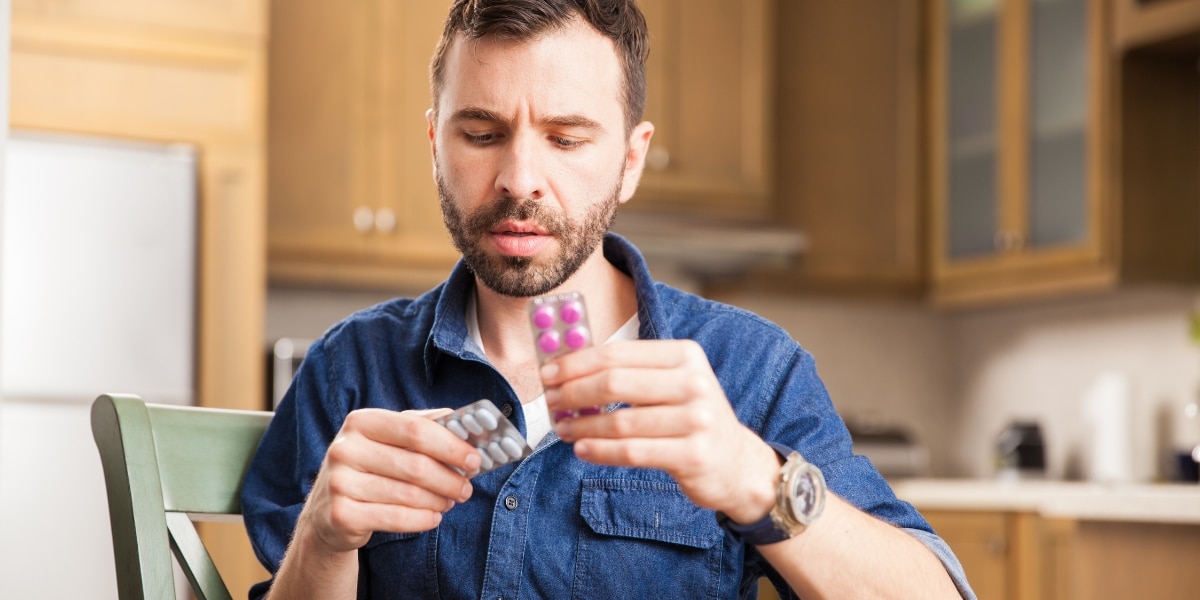
The first time many children and teenagers get high, they don’t use illegal drugs or alcohol, they use everyday household items.
Huffing refers to breathing in the toxic chemicals and fumes from products to achieve a fast and easy high. Typically users will spray the product into a bag and take deep breaths to force the chemicals into their bloodstreams. The effect is brief but similar to the effects of alcohol. Sometimes called sniffing or inhalant abuse, intentional exposure to paint, glues, nitrous oxide, and many other chemicals can have dangerous consequences.
Huffing is a form of inhalant abuse where you deliberately breathe in chemical fumes from common household products, like spray paint, glue, or aerosols, to get high. The effects hit your brain within seconds, triggering an intense but short-lived euphoria. It’s extremely dangerous because even a single episode can cause Sudden Sniffing Death Syndrome, a fatal cardiac event. Learning the signs and symptoms of inhalant abuse and how to get help can prevent a lifetime of addiction and substance abuse and prevent long-term health effects and death.
What Is Huffing and Why Is It So Dangerous?
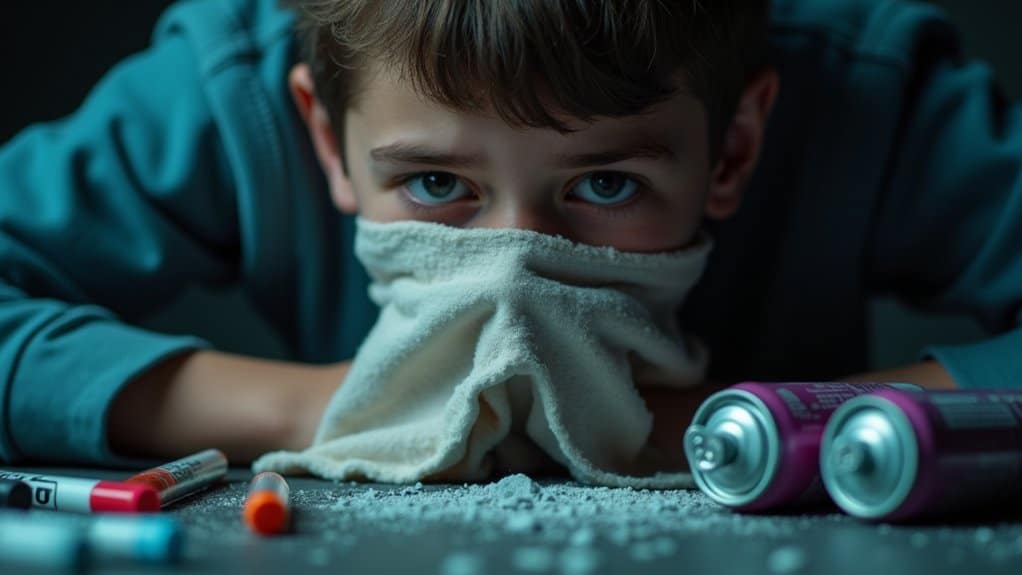
Huffing is a form of inhalant abuse where someone deliberately breathes in fumes from household substances to get high. You might encounter this practice under other names like sniffing, bagging, or solvent abuse. Common volatile substances include spray paint, glue, cleaning products, and aerosols.
The dangers of huffing are severe and immediate. When you inhale these toxic fumes, you’re exposing your body to CNS depression, which slows brain activity to dangerous levels. Your heart, lungs, liver, kidneys, and brain can sustain serious organ damage. Perhaps most alarming is sudden sniffing death syndrome, cardiac failure that can occur even on your first use. Between 100-125 people die annually from inhaling paint and substance fumes, making this a life-threatening practice requiring urgent awareness. Chronic abuse can also lead to irreversible hearing loss, bone marrow damage, and permanent brain damage that persists long after substance use stops. The chemicals in inhalants can break down the myelin sheath that protects nerve fibers, potentially causing damage similar to Multiple Sclerosis. Children and teenagers ages 12 to 17 are the most common age group that uses inhalants, making early intervention and school-based prevention programs critical.
Meaning of Huffing
Purposefully inhaling the fumes from paint, spray paint, or other household products to experience a high is called huffing.
Sometimes referred to as sniffing or inhalant abuse, huffing is popular among teens and young adults looking for an easy, quick high that doesn’t require illegal substances.
Generally, huffing involves spraying inhalants, paint, or chemicals into a paper or plastic bag, placing the bag around the mouth and nose, and inhaling deeply until the desired effects kick in. Sometimes rags are soaked with the chemicals and placed over the nose or mouth if a bag is unavailable.
Some other terms for huffing or intentionally inhaling toxic chemicals include:
- Bagging
- Sniffing
- Snorting
- Dusting
- Spraying
- Glading
- Whippits or whip-its
Many of these terms are interchangeable, but some refer to specific methods of inhaling or substances being inhaled.
The Immediate High: What Toluene Does to Your Brain
When you inhale toluene, it crosses into your brain within seconds, concentrating rapidly in areas like the frontal cortex and striatum before clearing with a half-life of approximately 20 minutes. This quick absorption triggers a near-doubling of dopamine levels in your prefrontal cortex, activating the same reward pathways that respond to cocaine and amphetamines. The resulting euphoria feels intense but fleeting, which drives repeated use and increases your risk of serious harm.
Toluene’s Rapid Brain Absorption
Although only about 3% of inhaled toluene actually reaches the brain, its lipophilic nature allows it to cross the blood-brain barrier with alarming speed. Within minutes of inhaling solvents like toluene, your blood concentration reaches 60% of its peak level. This rapid uptake explains why you’d feel effects almost immediately.
Your brain’s striatum, frontal cortex, and cerebellum absorb toluene quickly, though each region responds differently. The substance has a half-life of approximately 20 minutes, meaning it clears from your central nervous system within about 30 minutes of inhalation.
This fast absorption and clearance pattern mirrors other commonly abused drugs like cocaine and amphetamines. Understanding this timeline helps explain why people who huff often repeat the behavior frequently to maintain their high.
Dopamine Release and Euphoria
Toluene triggers a rapid surge of dopamine in your brain’s reward centers, creating the intense euphoria that drives repeated huffing behavior. When you inhale aerosols containing toluene, dopamine levels in your nucleus accumbens can nearly double within 40 minutes. This flood of dopamine produces the powerful high that makes inhalants so dangerously addictive.
Your brain experiences a biphasic response, initial stimulation followed by sedation. At lower concentrations, you’ll feel increased energy and goal-directed behavior. However, toluene doesn’t just cause temporary dopamine release; it fundamentally alters your brain’s reward circuitry. A single exposure can double the AMPA/NMDA ratio in dopamine neurons, with changes persisting up to three weeks. These long-lasting modifications to your ventral tegmental area explain why euphoria becomes increasingly difficult to resist.
Huffing Paint
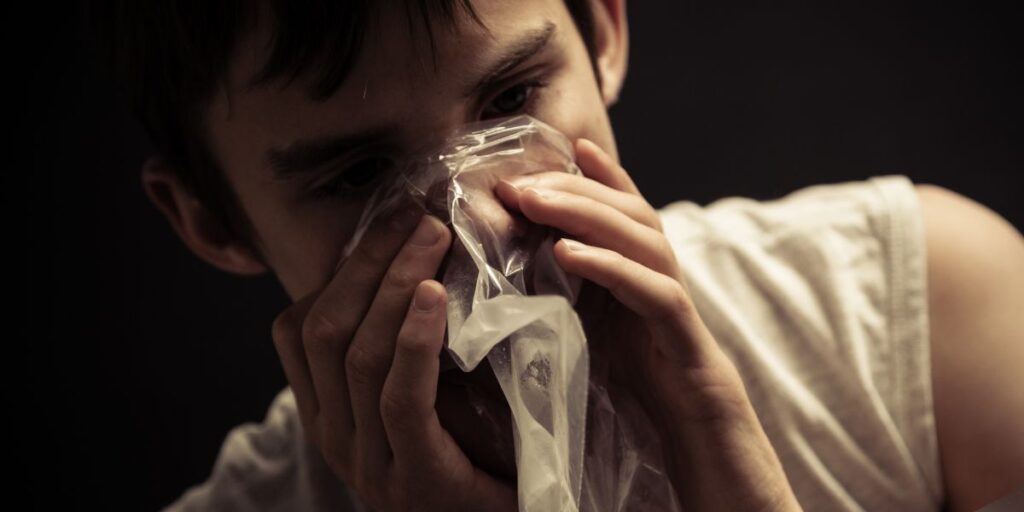
Most paint and spray paint contains toluene, a potent chemical that reacts with dopamine receptors in the brain, causing euphoria, pleasure, and relaxation.
Silver and gold paints reportedly have the highest toluene content and are the most popular when it comes to huffing paints. The popular media image of common abusers walking around with silver lips and teeth originated from that.
Toluene effects are just a bonus for people with an addiction to inhalants. The actual high from paint and any other chemical comes from the way the toxins immediately enter the bloodstream through the blood vessels in the lungs to interact with the nervous system, mimicking the effects of alcohol for a short period.
While the rush and high from huffing wear off quickly, the chemicals stay present in the body for much longer.
Other household products used for huffing include:
- Cleaning fluids
- Degreaser
- Nitrous oxide (often from whip cream canisters)
- Paint thinner
- Nail polish remover
- Glue
- Gasoline
- Markers
- Hairspray
- Leather cleaners
- Aerosol deodorizers
- Keyboard cleaner
If you are unsure if a chemical in your household can be used for inhalant abuse, a good rule of thumb is to look at the instructions to see if they recommend wearing a mask or “using in a well-ventilated area.”
Why Is Huffing Dangerous?
Huffing is dangerous because it has immediate harmful effects, long-term effects, physical and mental health dangers, and a high risk of sudden sniffing death syndrome (SSDS), affecting first-time users and habitual huffers equally.
No antidote to sudden sniffing death syndrome exists, and people often die within minutes.
The high from inhalant abuse is short-lived; most users take repeated hits, which increases the odds of permanent damage to the brain, overdose, and turning to other drugs and alcohol.
Because the chemicals themselves do not have addictive properties or consistently cause withdrawal symptoms, inhalant abuse is considered a psychological disorder by the American Psychological Association (APA) instead of a substance use disorder.
The National Institutes of Health (NIH) notes that “inhalant abuse and dependence criteria parallel the generic substance abuse and dependence diagnostic criteria” and that many inhalant abusers develop other substance use disorders.
Sudden Sniffing Death: The Risk That Comes Without Warning
Perhaps the most terrifying aspect of huffing is Sudden Sniffing Death Syndrome (SSDS), a condition that can kill even first-time users within minutes of inhalant exposure. This syndrome accounts for up to 50% of all inhalant-related deaths, striking without warning regardless of your prior experience with these substances.
When you inhale volatile hydrocarbons like butane or aerosol propellants, they rapidly absorb into your bloodstream and reach your heart and CNS within seconds. These chemicals sensitize your heart to adrenaline, meaning any sudden stress, physical exertion, or startle response can trigger fatal cardiac arrhythmias.
There’s no safe dose. If you’re startled while huffing or experience emotional distress afterward, the resulting catecholamine surge can cause immediate cardiac arrest. Bystander CPR and quick defibrillation remain your best chance for survival.
Signs and Symptoms of Huffing
The most common abusers of inhalants are teenagers, which can make spotting the signs and symptoms difficult for various reasons. However, inhalant abuse does have several distinct behavioral and physical traits that an informed loved one can use to identify addiction to inhalants in their loved ones.
Some of the signs and symptoms of huffing include:
- Slurred speech
- Lack of coordination
- Confusion
- Drowsiness
- Dizziness
- Frequent headaches
- Mood swings
- Chemical smells on their breath and skin
- Paint stained hands or face
- Empty paint or chemical containers
- Stained or discolored rags
- Paper or plastic bags with paint residue
- Coughing
- Wheezing
- Red eyes
- A hoarse or raspy voice
- Difficulty swallowing
Permanent Damage From Repeated Huffing
When you repeatedly huff inhalants, the damage extends far beyond temporary intoxication, it becomes permanent. These toxic substances destroy your brain’s white matter, the protective sheath surrounding nerve fibers that controls thinking, movement, and sensory processing. Your indispensable organs also deteriorate, with your liver, kidneys, heart, and lungs suffering cumulative toxic injury that may never fully heal.
Brain White Matter Damage
Repeated huffing causes direct, measurable damage to your brain’s white matter, the fatty myelin sheathing that protects nerve fibers and enables rapid communication between brain regions. When you inhale volatile solvents like toluene, these chemicals break down myelin while simultaneously displacing oxygen in your lungs, creating a dual assault on your nervous system.
MRI scans of chronic inhalant users reveal severe white matter changes and thinning of the corpus callosum. This damage mirrors what’s seen in multiple sclerosis patients.
The consequences extend beyond structural changes. You may experience working memory deficits, difficulty focusing, and impaired problem-solving abilities. Research shows inhalant abusers demonstrate more extensive brain abnormalities than cocaine users. In severe cases, this deterioration progresses to encephalopathy and cerebral atrophy, permanent cognitive decline that fundamentally alters your ability to function.
Organ System Deterioration
The damage from repeated huffing extends far beyond your brain, systematically attacking vital organs throughout your body.
Your heart becomes sensitized to stress hormones, triggering dangerous arrhythmias and potential sudden cardiac death, even during a single session. Chronic exposure causes irreversible heart inflammation and congestive heart failure.
Your liver and kidneys, organs rich in fat tissue, absorb these toxic chemicals readily. Prolonged huffing leads to organ toxicity and potential failure, though some damage may reverse if you stop early.
Your lungs suffer directly as fumes displace oxygen and damage respiratory tissue, causing emphysema-like conditions. Bone marrow suppression weakens your immune system and affects blood cell production.
If you’re struggling with substance use disorder involving inhalants, seeking treatment immediately can prevent permanent multi-organ damage and save your life.
Is Huffing Addictive?
How likely is someone to become addicted to inhalants? While addiction to inhalants is considered rare compared to other substances, dependence can develop with significant use levels. Your body adapts to the chemicals’ presence, building tolerance that requires larger amounts to achieve the same euphoric effect.
If you’ve been using inhalants regularly and stop, you may experience withdrawal symptoms including nausea, sweating, trouble sleeping, headaches, and mood changes. Some people report hallucinations within one to two days of cessation, with symptoms persisting up to five days.
Psychological dependence presents additional concerns. Users show higher rates of depression, anxiety, and suicidal ideation. If you’re struggling with inhalant use, behavioral therapy and residential treatment programs can help. Recovery is possible, and some effects are partially reversible with proper care.
Short-Term and Long-Term Effects
The National Institute on Drug Abuse (NIDA) warns that huffing is extremely dangerous. Even one instance of inhalant abuse can have short-term and long-term effects due to how the chemicals linger in the body and affect blood vessels and the nervous system. The more chronic the inhalant abuse is, the more likely lasting physical and mental health effects are.
Frequent short-term effects of huffing include:
- Slurred or slow speech
- Disorientation
- Lack of coordination
- Delayed reactions
- Headache
- Sweating
- Hallucinations
- Drowsiness
- Numbness
- Sores in and around the mouth
- Vomiting
- Loss of consciousness
- Laughing fits
- Aggression
- Hypersexual behavior
The build-up of chemicals from huffing, especially with repeated use, leads to long-term effects, including:
- Liver damage
- Muscle spasms
- Kidney damage
- Bone marrow loss
- Anemia
- Heart failure
- Hearing loss
- Paranoia
- Depression
- Light sensitivity
- Developmental difficulties
- Vision loss
- Lung damage
- Miscarriages
- Birth defects
- Sleep disorders
- Suicidal thoughts
- Seizures
- Coma
- Sudden sniffing death syndrome
Severe or prolonged cases of inhalant abuse, especially when another drug habit is present, may cause withdrawal symptoms that require medical help.
With proper medical care and treatment, many of these issues will be resolved or manageable once the body is free from toxic chemicals. However, many people addicted to inhalants will need professional help from addiction centers and treatment programs to quit successfully.
Warning Signs of Inhalant Abuse
Recognizing inhalant abuse early can save a life, yet many warning signs go unnoticed because they mimic other conditions or typical teenage behavior. You should watch for physical indicators like chemical odors on breath or clothing, paint stains on skin, and persistent runny nose. Behavioral changes including disorientation, irritability, and poor concentration also warrant attention.
| Physical Signs | Behavioral Signs |
|---|---|
| Red eyes, slurred speech | Confusion, disorientation |
| Chemical odor on breath/clothes | Depression, anxiety, irritability |
| Paint stains on face or hands | Dazed or drunken appearance |
Don’t overlook paraphernalia such as empty aerosol cans, chemical-soaked rags, or plastic bags. If you notice these warning signs, approach the situation with compassion and seek professional guidance immediately.
Why Huffing Appeals to Teens and Preteens
Understanding why someone might abuse inhalants helps you intervene more effectively. Inhalant use peaks around age 14, with nearly one in five eighth graders having tried these substances. The appeal stems from several factors: products are readily available in homes and stores, effects occur rapidly, and the high dissipates quickly, making detection difficult.
You should know that felt-tip markers, glue, and shoe polish rank among the most commonly abused products by adolescents. The fast-acting euphoria attracts young users seeking immediate gratification without prolonged impairment.
Certain youth face heightened vulnerability. Boys account for nearly 74% of abuse cases, and those experiencing emotional trauma, family conflict, or financial hardship carry greater addiction risk. Research shows 2.7% of adolescents aged 12-17 used inhalants in the past year compared to just 0.4% of adults.
Everyday Products Teens Use to Get High
Because inhalants hide in plain sight, you may not realize that common household products pose serious abuse risks for adolescents. Volatile solvents like paint thinners, gasoline, glue, and nail polish remover are frequently misused. Aerosols, including hairsprays, spray paint, air fresheners, and vegetable oil sprays, also present significant dangers.
Gases found in whipped cream canisters, computer dusting sprays, butane lighters, and propane tanks are commonly abused through methods called “whippets” or “dusting.” Nitrites, often marketed as room deodorizers, represent another category teens may encounter.
Teens access these substances through several methods: huffing from soaked rags, sniffing fumes directly, bagging from plastic containers, or spraying aerosols into their mouths. Understanding which products carry abuse potential helps you monitor your home environment and have informed conversations with your teen about these hidden risks.
Treatment Options for Inhalant Abuse
When you discover a teen is abusing inhalants, knowing the available treatment options helps you take immediate, effective action.
Medical Detoxification
Emergency care may be necessary if your teen presents with CNS symptoms, cardiac issues, or respiratory distress. Continuous ECG monitoring is essential since volatile solvents can trigger dangerous arrhythmias. While no specific reversal agents exist for inhalants, benzodiazepines may help manage withdrawal symptoms like anxiety and hallucinations.
Treatment Programs
Inpatient residential programs offer 24/7 medical supervision, structured environments, and extensive services for severe cases. Outpatient programs provide flexibility for milder situations or step-down care.
Behavioral Therapies
Cognitive Behavioral Therapy helps your teen recognize negative thought patterns and develop healthier coping strategies. Family therapy, motivational interviewing, and group support address underlying emotional and social factors driving the addiction.

Inhalant Abuse Rehab
If you or a loved one is struggling with inhalant abuse or multiple addictions, help is available.
At Northridge Addiction Treatment Center, we offer medical detox to treat withdrawal symptoms and cravings appropriately while keeping your safety as the top priority and maintaining your privacy and comfort.
As soon as you enter our residential treatment center, our caring and experienced team will work with you to develop a personalized treatment plan that addresses the causes and effects of addiction and allows you to take control of your recovery and healing.
Reach out today to take the first steps to a lifelong path of recovery. Our compassionate admissions specialists are eager to help you stay drug free and find treatment today.
Frequently Asked Questions
Can You Die From Huffing Just One Time?
Yes, you can die from huffing just one time. Sudden sniffing death syndrome (SSDS) can cause your heart to stop abruptly due to chemical-induced arrhythmia, even during your first exposure. When you inhale substances like toluene, they absorb instantly into your bloodstream, triggering a fatal cardiac event. You’re also at risk for asphyxiation if the inhalant displaces oxygen in your lungs. There’s no safe amount or “trial” with inhalants.
How Long Does a Huffing High Last?
The high from huffing typically lasts only 15 to 30 seconds for the initial rush, with overall euphoria fading within four to five minutes. You might experience lingering effects for up to 30 minutes. Because the high is so brief, you may feel tempted to inhale repeatedly, which dramatically increases your risk of cardiac arrhythmia, brain damage, or sudden death. Even a single session can be fatal.
Does Huffing Show up on a Drug Test?
Standard drug tests won’t detect huffing because routine urine screens don’t include inhalants. However, specialized testing can identify metabolites like hippuric acid from toluene exposure in your urine, though these typically clear within 24-48 hours. For longer detection windows, hair or skin samples may be analyzed. If you’re concerned about inhalant use, whether your own or someone else’s, reaching out to a healthcare provider can connect you with appropriate support and resources.
What Does Huffing Smell Like on Someone’s Breath or Clothes?
You’ll notice distinct chemical odors depending on the substance used. Paint huffing leaves a sharp, solvent-like smell with a glossy paint aroma on breath and clothes. Glue produces a sweet, pungent adhesive scent. Aerosols create harsh propellant or artificial freshener odors. You might also detect gasoline-like, marker pen, or metallic smells. If you recognize these warning signs on someone you care about, it’s important to seek professional help promptly.
Can Brain Damage From Huffing Be Reversed With Treatment?
No, brain damage from huffing cannot be reversed with current treatments. Solvents like toluene cause permanent destruction of brain cells, leading to irreversible cognitive impairment, memory loss, hearing damage, and coordination problems. While you can seek treatment to address addiction and prevent further damage, the neurological harm that’s already occurred remains permanent. Early intervention is critical, the sooner you stop, the more brain function you’ll preserve.