Chemically known as gamma-hydroxybutyrate, GHB is most widely known as a date rape drug. Still, it is also popular as a recreational drug that people take for euphoric and relaxing effects in small doses.
GHB (gamma-hydroxybutyrate) is a naturally occurring substance your brain produces during normal GABA metabolism, but when you take it as a drug, it acts as a powerful central nervous system depressant. It works by activating GABA-B receptors and its own distinct GHB receptors, producing effects that range from euphoria and relaxation at low doses to dangerous sedation and respiratory depression at higher amounts. Understanding how GHB affects your body can help you recognize its risks and medical applications.
Among young adults who use illegal drugs and club drugs, GHB is a favorite because of how little it takes to get the desired effects and because it has fewer after-effects than other substances, such as alcohol.
Gamma-hydroxybutyrate is used medically in one highly controlled medication to treat the sleep disorder narcolepsy.
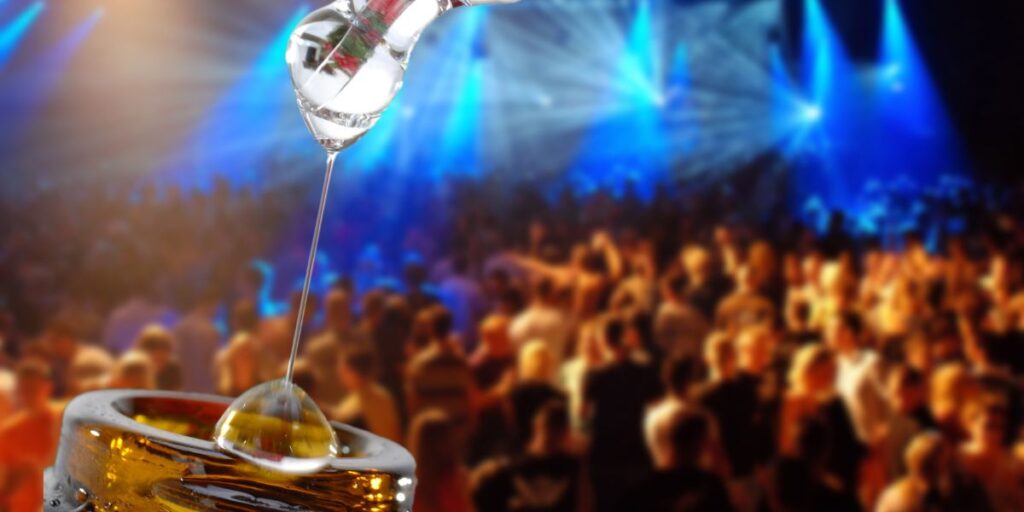
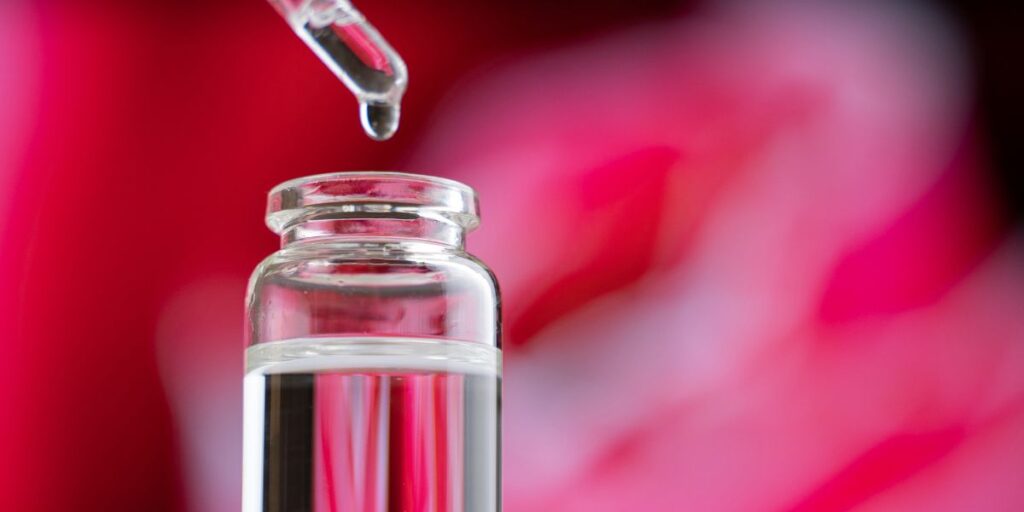
GHB is a central nervous system depressant that comes in a clear, tasteless liquid or a white powdered form. Most users will drink it straight or mix it into drinks.
GHB addiction can go undetected in people who often use it along with alcohol and other drugs, but it is a severe addiction that is on the rise.
GHB Drug
As a drug, GHB or gamma-hydroxybutyrate is approved by the Food and Drug Administration (FDA) in sodium salt form, sodium oxybate, for use in the prescription medications like Xyrem to treat narcolepsy, a sleep disorder. These medications are highly restricted and require patients in the United States to enroll in a restricted access program.
GHB is a popular drug in the club scene because of its relaxing effects but is infamously known as the date rape drug. Because it is odorless and colorless, making people physically susceptible, and causing memory loss, it’s popular among predators.
The human body naturally produces minimal amounts of GHB that depress the central nervous system and help transmit signals in the brain.
GHB was briefly used as an anesthetic in the 1960s but was pulled because it didn’t effectively kill pain and caused seizures, coma, and death.
In the 1980s, doctors explored GHB to treat the mental illness schizophrenia, but it was unsuccessful.
Later it became popular with bodybuilders who thought it would help produce growth hormones and help build muscle. The FDA banned GHB from being sold over the counter in 1990.
People who synthesize GHB at home sometimes substitute gamma-butyrolactone (GBL) or 1,4 butanediol (BD) because they are easier to get legally.
GBL and BD are found in industrial solvents like paint thinner and ink cartridge cleaner and coating agents on plastic and metal parts. GBL and BD convert to GHB in the body.
What GHB Is and How It Affects Your Brain
GHB (gamma-hydroxybutyrate) is a naturally occurring substance your brain produces as a byproduct of GABA metabolism. It’s classified as a depressant that slows your central nervous system activity. When you take GHB, it acts as a weak agonist at GABA_B receptors while also activating its own distinct GHB receptors.
GHB’s CNS depressant effects stem from its dual mechanism of action across multiple neurotransmitter systems. At recreational doses, it modulates your GABA system bidirectionally and activates dopamine pathways by disinhibiting neurons in your brain’s reward center. It also elevates glutamate levels through GHB receptor activation. The putative GHB receptor is a 512 amino acid protein with seven-transmembrane-spanning regions, characteristic of G protein-coupled receptors.
These combined effects produce sedation and memory impairment while enhancing deep sleep stages characterized by delta wave activity in your brain. Research has demonstrated that GHB reliably increases slow-wave sleep while decreasing the tendency for REM sleep.
What Is GHB?
GHB, gamma-hydroxybutyrate to chemists, is an illegal recreational drug popular in the club and rave scene.
People who intentionally take GHB hope to get a relaxed and euphoric high. Some users have compared the desired effects to alcohol without the hangover the next day.
Because GHB is almost impossible to detect, it became widely used to commit sexual assault on unsuspecting people.
People dosed with GHB often appear extremely drunk and cannot resist assault physically. Victims often have little or no memory of what happens after the drug kicks in.
GHB most commonly comes in a clear, odorless, scentless liquid form, though it can also appear in tablet form or as a loose, white powder.
GHB most commonly comes in a clear, odorless, scentless liquid form, though it can also appear in tablet form or as a loose, white powder. In broader discussions about illicit substances, including terms like shake and bake drug, it’s important to recognize that these drugs can vary widely in appearance and potency, increasing the risk of misuse and overdose.
It depresses the central nervous system and slows down how the brain sends signals to the rest of the body.
When combined with alcohol or other substances, including drugs with sedative effects on the central nervous system, it can produce dangerous side effects resulting in coma and death.
How GHB Works: Absorption, Metabolism, and Duration
When you take GHB orally, your body absorbs it rapidly, with effects beginning within 15-30 minutes and peak blood levels occurring between 25 minutes and one hour. Your liver metabolizes GHB through the Krebs cycle, breaking it down into carbon dioxide and water, which explains why very little of the drug is excreted unchanged in your urine. The elimination half-life is approximately 40 minutes at moderate doses, meaning the drug’s effects typically last 3-6 hours before clearing your system. However, at higher doses, metabolism becomes non-linear, which can lead to unpredictable drug levels and increased risk of toxicity.
Rapid Absorption Process
Once ingested, GHB enters your bloodstream remarkably fast, typically within 5 to 15 minutes, and reaches peak plasma concentrations in 30 to 60 minutes. This rapid absorption occurs because GHB dissolves easily and doesn’t bind to plasma proteins, allowing quick entry into circulation. Taking GHB on an empty stomach accelerates absorption further, producing higher peak levels.
Your body relies on specialized transporters in the intestine to absorb GHB. These transporters become saturated at higher doses, meaning absorption slows when you take larger amounts. This nonlinear pattern contributes to GHB’s unpredictable effects and significant overdose potential during recreational use risk scenarios.
Understanding this rapid absorption timeline helps explain why effects escalate quickly. The 30-60 minute peak aligns with when you’ll experience maximum clinical effects.
Short Elimination Half-Life
Because GHB’s plasma half-life spans only 30 to 60 minutes, with studies showing a terminal elimination half-life of approximately 30 minutes, your body clears this substance faster than most other central nervous system depressants. At moderate doses, gamma-hydroxybutyrate follows first-order kinetics, meaning your system eliminates it at a predictable rate.
However, larger doses can trigger non-linear elimination due to saturable metabolic pathways. This shift to zero-order kinetics means your liver processes gamma-hydroxybutyrate at a fixed rate regardless of concentration, potentially prolonging effects.
Your body typically achieves complete elimination within 2 to 5.5 hours, depending on dose size. Factors like alcohol co-ingestion, liver function, and food intake can influence this timeline.
Street Names
GHB is famous as a club drug in the electronic music scene and a date rape drug.
Because of its illegal status, many people use code names and slang terms to ask for it.
Common street names for GHB include:
- Liquid X
- Liquid ecstasy
- Liquid E
- Salty water
- Vita G
- Vitamin G
- Grievous bodily harm (GBH)
- Georgia homeboy
- G
- Gina
- Scoop
- Soap
- Sleep 500
- Fantasy
- Liquid fantasy
- Easy lay
Why People Use GHB Recreationally

You might use GHB recreationally because it produces euphoria, relaxation, and lowered inhibitions at lower doses, creating effects similar to alcohol intoxication. The drug has gained popularity in nightclub and party settings, where users seek social disinhibition and mood-enhancing properties. GHB is also commonly used to enhance sexual experiences due to its reported effects on arousal and sensory perception.
Euphoria and Social Effects
As a CNS depressant, GHB can produce intense euphoria at low doses. Users often report feeling more relaxed, confident, and outgoing, which can drive recreational misuse. However, the margin between euphoric effects and unconsciousness remains dangerously narrow, and dose-related sedation can progress quickly.
Enhanced Sexual Experiences
GHB is sometimes used to enhance sexual experiences because it can lower inhibitions and alter perception. However, these effects increase risks of blackouts, assault vulnerability, and unsafe behaviors. GHB’s depressant effects on breathing can also become dangerous, especially at higher doses or when combined with alcohol or other substances.
Medical Uses for GHB: Narcolepsy, Alcohol Withdrawal, and More
| Medical Application | Clinical Use |
|---|---|
| Narcolepsy | Reduces daytime sleepiness and cataplexy |
| Alcohol Withdrawal | Suppresses withdrawal symptoms via IV |
| Opioid Withdrawal | Manages heroin/opiate detoxification |
| Fibromyalgia | Addresses pain, fatigue, and sleep issues |
| Anesthesia | Approved in Germany as Somsanit® |
GHB Effects

GHB effects kick in as soon as 15 to 20 minutes after taking a dose and last around three to four hours.
Like all drugs, the effects will vary from person to person based on the mixture of the batch, the amount taken, other substances taken, and the person’s physical makeup and tolerance. When considering how much dmt to smoke, it’s essential to approach the experience with caution and respect for the substance. Many users recommend starting with a lower dose to gauge individual sensitivity and reaction. As with any drug, the setting and mindset can profoundly influence the overall experience.
The effects of GHB include:
- Feelings of euphoria
- Increased sensitivity to physical touch
- Increased sex drive
- Lowered inhibitions
- Drowsiness
- Sedative effects
- Loss of consciousness
- Nausea, vomiting
- Slowed heart rate
- Slowed breathing
- Confusion
- Memory loss
- Hallucinations
Side Effects
Because most people don’t measure the amount of GHB they take or don’t know they’ve been dosed, it is important to know the side effects.
Many people who willingly take GHB are repeat users, which increases the risks of side effects and complications from abuse and drug interactions, even in small doses.
Some of the side effects of GHB include:
- Headache
- Sweating
- Vomiting
- Confusion
- Slurred speech
- Stomach ache
- Diarrhea
- Irritability
- Hallucinations
- Memory loss
- Loss of coordination
- Blacking out
- Low blood pressure
- Muscle spasms
- Anxiety tremors
- Loss of bladder or bowel control
- Seizures
- Slowed breathing
- Slowed heart rate
- Unconsciousness
- Coma
- Death
Because GHB can cause loss of coordination and sudden loss of consciousness, there is also an increase in the risks of bodily harm or being assaulted by others.
Warning Signs of GHB Overdose
Recognizing an overdose quickly can save a life. If you suspect someone has taken too much GHB, watch for these critical warning signs:
Knowing the warning signs of GHB overdose can mean the difference between life and death, act fast.
- Respiratory depression, breathing slows below 12-15 breaths per minute or becomes shallow and irregular
- Sudden unconsciousness, the person can’t be woken up or responds only briefly before losing consciousness again
- Vomiting while unresponsive, this creates serious aspiration risk, especially without a gag reflex
- Seizures or myoclonic jerks, involuntary muscle contractions signal severe CNS depression
- Bradycardia and hypotension, slowed heart rate paired with dangerously low blood pressure
You should call emergency services immediately if you observe these symptoms. Don’t leave the person alone. Position them on their side to prevent choking if they vomit. GHB overdose can progress rapidly from drowsiness to respiratory arrest.
What to Do During a GHB Emergency
When someone collapses from a GHB overdose, knowing exactly how to respond in those first critical minutes can determine whether they survive.
Call emergency services immediately. Don’t wait to see if they’ll wake up. While help’s on the way, place the unconscious person in the recovery position, on their side with their airway clear. This prevents choking if they vomit.
Never administer other drugs to try reversing the effects. There’s no specific antidote for GHB, and mixing substances worsens outcomes.
Monitor their breathing closely. Respiratory depression is the primary killer in GHB overdoses. If breathing stops, begin rescue breaths if you’re trained.
At the hospital, medical teams will maintain the airway, support breathing, and monitor essential signs. With prompt care, most people recover within 1.5 to 6 hours.
The Date Rape Drug
According to the National Institute on Drug Abuse (NIDA), there has been an increase in drug-related sexual assaults or date rapes involving GHB.
GHB is popular among sexual predators because it is easy to slip into someone’s drink and hard for their victim to detect. It renders people physically and mentally pliable, leaving them vulnerable and unable to resist attackers.
Furthermore, because the drug can cause memory loss or prevent memories from being formed, many victims of drug-related sexual assaults don’t fully remember their assaults.
The Drug Enforcement Agency (DEA) stresses that date rape is misleading because most assaults using drugs do not involve a dating situation.
Victims of drug-related sexual assault often don’t report or end up reporting days later after regaining some memory of what happened. Some victims feel guilt about their situation when they were drugged or who they were with when it happened.
GHB is broken down and eliminated from the body quickly, and many emergency care providers are unfamiliar with GBH signs and symptoms. Most emergency rooms don’t have GHB detection tests, so many assaults go undetected.
If you suspect you or someone else has been drugged with GHB, it is vital to seek help as soon as possible. When taken in high doses or mixed with other substances, the drug has an increased risk of overdose, coma, and death.
Because GHB produces rapid sedation, amnesia, and complete incapacitation, perpetrators exploit these pharmacological properties to commit sexual assault. You should understand that GHB’s characteristics make detection difficult, it’s rapidly absorbed and cleared from urine within 8-12 hours.
Key factors that make GHB attractive to perpetrators include:
- Rapid incapacitation that prevents victim resistance
- Amnesia effects leaving victims unaware of the assault
- Easy concealment when mixed into drinks to mask its salty taste
- Enhanced effects when combined with alcohol
- Short detection window complicating toxicological evidence collection
If you suspect drug-facilitated assault, seek immediate medical care and request toxicology testing as soon as possible.
GHB Withdrawal
Long-term users of GHB can become mentally and physically dependent on the drug and experience withdrawal if they suddenly stop using it.
Interestingly, people have experienced GHB withdrawal after taking a single high dose or small amounts over several hours, just once.
Withdrawal symptoms will be different for each person based on the severity of the addiction and other physical factors.
GHB withdrawal can start between 6 to 72 hours after the last dose was taken and can last up to 15 days.
Symptoms of GHB withdrawal can range from uncomfortable to life-threatening, including:
- Increased heart rate
- Confusion
- Anxiety and panic attacks
- Hallucinations
- Tremors
- Vomiting
- Delirium
- Insomnia
- Paranoia
- Kidney failure
- Cardiac arrest
- Respiratory depression
- Seizures
- Coma
- Death
You should always seek medical advice before you stop taking any substance you use regularly. Some people might require medication-assisted detox to withdraw from GHB safely.
GHB Withdrawal: Symptoms, Timeline, and Treatment
Although GHB’s short half-life produces rapid effects, it can also contribute to withdrawal symptoms after the last dose, especially with frequent use. People may experience tremors, sweating, nausea, anxiety, and insomnia during the acute phase. Symptoms can peak within a few days and become severe in some cases.
Treatment may involve medical supervision and supportive care. Some people require a structured detox plan and close monitoring to reduce the risk of serious complications.
GHB Overdose
The amount of GHB it takes from getting the desired effects to overdosing is minimal, making it extremely easy to overdose.
Experts in health rate it as one of the most dangerous drugs because of how easy and common it is to overdose.
Most people who take GHB don’t measure how much they take or know how potent their mixture is.
What’s even more dangerous is that the National Institutes of Health (NIH) reports more than 80% of GHB users have taken it with other substances, whether knowingly or not, most commonly alcohol, which increases the risk of overdose.
Because GHB is a central nervous system depressant, it can already be too late when an overdose is detected. There are no known cures for a GHB overdose other than ensuring the airways are kept clear if someone loses consciousness and other symptoms are addressed until medical help can arrive.
The symptoms of GHB overdose are:
The symptoms of GHB overdose are often severe and may include breathing difficulties, which can resemble respiratory conditions such as Crack lung in extreme cases.
- Nausea, vomiting
- Choking on vomit
- Incoherence
- Loss of motor function
- Extreme sweating
- Eyes rolling back
- Inability to swallow
- Drooling
- Muscle contractions or twitching
- Unable to be woken up
- Slowed and irregular breathing
- Listlessness, or being completely limp
- Seizures
- Death
If you think you or someone else is overdosing, call 911 immediately.
While you wait for the emergency services to arrive, try to keep the person awake and on their side to reduce the risk of choking on vomit.
GHB Addiction
GHB is highly dangerous, and although it’s uncommon to become addicted after using it once, repeated use can lead to dependence.
If you, a loved one, or someone you know needs GHB addiction treatment, call Northridge Addiction Treatment Center, and we can help answer any questions you may have about taking the first steps towards wellness.
If GHB abuse has turned into an addiction, the most effective way to defeat it is through residential treatment with evidence-based treatment programs.
At NATC, we offer medically supervised detox to ensure a safe, comfortable, and confident transition during the most challenging step of recovery.
Our private residential treatment center allows you to have intensive one-on-one therapy sessions as often as needed throughout your stay, along with dual diagnosis and medication-assisted treatment to address any repressed trauma and heal all aspects of yourself.
Our behavioral therapies and support groups help you understand you are not alone and give you the skills to stay on the path to recovery for the rest of your life.
You don’t have to do this alone. Reach out today to speak to one of our expert admissions specialists who are eager to answer any question or concern you may have.
Frequently Asked Questions
Can GHB Show up on a Standard Drug Test?
GHB won’t show up on standard 5-panel or 10-panel drug tests. These routine screenings focus on other substances like opioids, amphetamines, and cannabinoids, so they’ll miss GHB entirely. If someone needs to detect GHB specifically, they’ll need to request specialized testing. You should know that GHB leaves your system quickly, it’s only detectable in urine for about 12 hours, making timing critical for accurate results.
Is It Legal to Buy GHB Precursors Like GBL Online?
You can legally purchase GBL online for legitimate industrial purposes like cleaning or manufacturing. However, buying it with intent to convert it to GHB or for human consumption is illegal under federal law. The DEA monitors these transactions, and possessing precursors like GBL or GVL becomes a criminal offense if you’re substantially using them as GHB analogs. You’d face Schedule I penalties for such violations.
How Does Mixing GHB With Alcohol Increase Overdose Risk?
Mixing GHB with alcohol dramatically increases your overdose risk because both substances depress your central nervous system, creating a dangerous synergistic effect. You’ll experience amplified sedation, respiratory depression, and loss of consciousness at much lower doses than either substance alone would cause. Your breathing can slow to life-threatening levels, and vomiting while unconscious puts you at serious choking risk. There’s no reversal drug for GHB overdose, making this combination particularly dangerous.
Why Do Bodybuilders Use GHB for Muscle Building?
You might use GHB because it triggers a growth hormone pulse during deep sleep, which bodybuilders believe promotes muscle growth and fat loss. This practice became popular in the mid-1980s as a steroid alternative. However, you should know that clinical studies don’t support these claims, research shows no actual increases in muscle mass, fat-free mass, or athletic performance. The GH spike is temporary and doesn’t translate into meaningful muscle-building benefits.
How Long Does GHB Stay Detectable in Urine or Blood?
GHB leaves your system quickly, making detection challenging. You’ll typically test positive in urine for up to 12 hours after ingestion, with peak detectability occurring 2, 4 hours post-consumption. Blood tests can detect GHB for approximately 8 hours, though metabolites may persist longer. Your individual detection window depends on factors like dose, age, and gender. If you’re concerned about GHB exposure, seek testing as soon as possible, delays substantially/considerably reduce detection probability.