Almost 12 million people in the U.S. have reported using crystal meth at least once. Thus, making crystal methamphetamine one of the most widely used illicit drugs after cannabis.
There are various reasons why people use crystal meth. For example, some women have reported seeking weight loss, while some men have reported seeking an increase in sexual performance. This stimulant drug can provide the energy to dance for hours and increase libido. Individuals living on the street report using it to allow them to stay awake to protect their belonging, suppress their appetite, and help them deal with negative emotions.
However, these small perks don’t outweigh the high risk of becoming dependent because it is common for crystal meth users to take consistent doses of the drug, resulting in needing a higher amount to continue feeling the same intensity of euphoria.
Crystal Meth Overview
Synthetically created for recreation, crystal meth is a highly addictive and potent stimulant. As a result, it has a higher likelihood of dependency than any other drug of its kind.
Crystal meth is a powerful synthetic stimulant (methamphetamine hydrochloride) that floods the brain with abnormally high dopamine levels, creating intense euphoria that can drive compulsive use. Because it resists breakdown in the liver, its effects can last considerably longer than other stimulants, making it exceptionally addictive. Understanding how meth damages the brain and body can help highlight the urgency of seeking treatment.
Crystal meth can be blueish-white, yellow, orange, pink, or brown. It looks like glass fragments or shiny rocks that then get turned into powder. The color differences result from the different chemicals or additives used by the individual that made it and their expertise.
Crystal meth typically appears as clear, white, or bluish crystalline shards with a hard, glassy texture. The crystal form is often called “ice” or “glass” on the street and may range from sand-like fragments to larger jagged chunks.
What Kind of Drug Is Crystal Meth?

Crystal meth is a smokable, solid form of methamphetamine. It’s an addicting stimulant that affects the central nervous system. Methamphetamine’s chemical makeup is similar to amphetamine, used to treat narcolepsy and attention-deficit disorder (ADHD).
When methamphetamine is used, it floods the dopamine system with abnormally high levels of this neurotransmitter. Over time, the brain undergoes reward system rewiring, making everyday pleasures feel less meaningful and strengthening compulsive drug-seeking behavior.
Common Street Names for Crystal Meth
Crystal methamphetamine is known by several street names, such as:
- Meth
- Speed
- Ice
- Tina
- Crystal
- Tweak
- Crank
- Glass
- Blue
- Jib
Crystal Methamphetamine and Desoxyn
Desoxyn is the brand name for the Food and Drug Administration (FDA) approved methamphetamine medication to treat obesity and attention deficit hyperactivity disorder (ADHD). It is available in 5,10, and 15-milligram immediate and extended-release tablets.
Desoxyn is the only legal methamphetamine on the market. Nevertheless, it has a similar chemical composition to crystal meth, and for this reason, Desoxyn has very limited use.
Crystal Meth Addiction
The most dangerous concern with crystal methamphetamine is its particular form allows for more harm than other types of methamphetamines. Most noteworthy for this is its rapidly produced high concentration level in the body, accommodating a high potential for addiction.
Because meth can resist liver enzyme breakdown, its stimulant effects may last far longer than many other stimulants. Extended duration can intensify the addiction cycle and contribute to binge patterns (“runs”) that worsen sleep loss, malnutrition, and psychiatric symptoms.
What Does Crystal Meth Look Like?
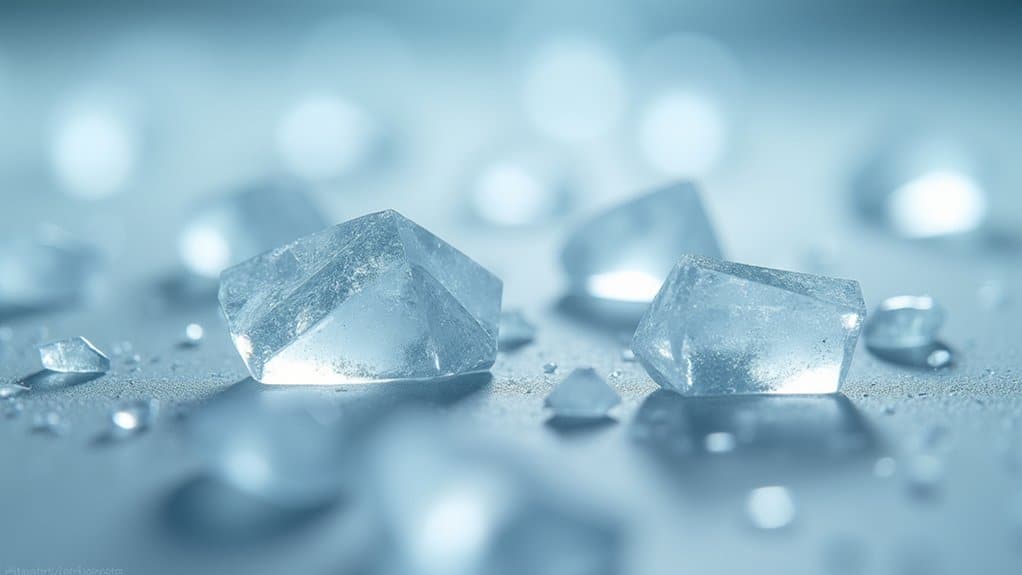
Crystal meth typically appears as clear, white, or bluish crystalline shards that resemble glass or ice fragments, which is why it is often called “ice” or “glass.” It can be distinguished from powdered methamphetamine by its hard, glassy texture and semi-translucent quality that glitters under light. The crystals range in size from small sand-like particles to larger jagged chunks, and color variations from clear to cloudy or off-white can indicate differences in purity and manufacturing processes.
Crystal and Ice Forms
- Bluish-white to colorless shards resembling coarse rock salt or tiny glass chips
- Jagged, irregular edges that appear sharp and produce a crunching sound when crushed
- Hard, glassy texture that may feel sticky or oily from residual chemicals
- Sizes ranging from small fragments to chunks measuring several centimeters
Crystal meth is often packaged in small plastic baggies, torn bag corners, or foil wrapping. The substance may gleam under light, which can make its crystalline form easier to identify.
Powder Color Variations
When methamphetamine appears in powder form, it may range from white to off-white, though light yellow, beige, pale pink, or grayish-brown variations can occur depending on purity levels and manufacturing processes. Color differences may result from precursor chemicals, residual byproducts, or cutting agents that dilute potency.
What Are the Signs of Crystal Meth Use?
Some behaviors and signs of using crystal meth include:
- Appetite decrease
- Increased energy levels
- Increased confidence
- Decreased reaction time
- Less need for sleep
- Paranoia
- Violence
- Irritability
- Depression
- Fatigue
In many cases, methamphetamine use also produces noticeable physical, behavioral, and social changes. Common physical signs include dilated pupils, rapid weight loss, jaw clenching, excessive sweating, and skin sores from compulsive picking. Behavioral changes may include extended periods without sleep, erratic mood swings, paranoia, agitation, and fast talking. Social signs can include isolation, financial instability, and neglecting responsibilities.
| Physical Signs | Behavioral Signs | Social Signs |
|---|---|---|
| Severe tooth decay | Hyperactivity and fast talking | Financial instability |
| Skin sores and scarring | Insomnia lasting days | Isolation from loved ones |
| Dilated pupils | Paranoia and aggression | Neglecting responsibilities |
Prolonged use of crystal methamphetamine causes a psychosis called “tweaking.” This results in a crawling sensation under the individual’s skin, which may cause many scabs from picking at the skin.
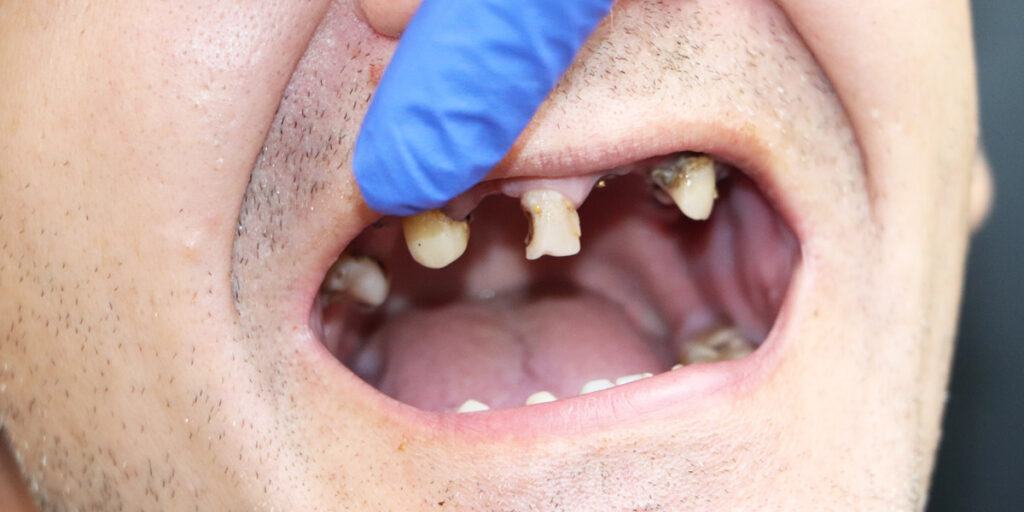
Poor oral hygiene is commonly associated with crystal meth use. Known as “meth mouth,” crystal meth causes dry mouth, teeth grinding, and jaw clenching, leading to dental decay.
How Long Does a Crystal Meth High Last?
The timing and intensity of a crystal meth high depend on how you use it. For example, if crystal meth is injected, snorted, or smoked, it causes an immediate high or rush, but this takes about 20 minutes to happen if taken orally. In addition, it may be taken rectally.
When smoked, crystal methamphetamine can quickly achieve high concentrations in the brain. The benefit of a smokable form of methamphetamine over an oral form is the almost immediate and intense high.
Unlike cocaine, crystal meth’s effects last longer and can keep the user up for 12 hours. As a result, individuals binging on crystal meth, or what’s called “on a run,” may be able to stay awake for ten days, typically with little to drink or eat.
In many cases, the initial rush is followed by hours of sustained stimulation, and lingering stimulant effects may persist well beyond the peak. This extended duration can intensify sleep deprivation and worsen the crash that follows.
What Are the Effects of Crystal Meth?
Crystal meth use gives you feelings of euphoria, power and confidence, unlimited energy, increased productivity, and enhanced sexual performance. However, when the enjoyable effects wear off, individuals feel anxiety, depression, headaches, and mental confusion.
Short-term effects of crystal methamphetamine use involve:
- Euphoria
- Increased alertness and tension
- Decreased appetite
- Faster breathing
- Rapid and/or irregular heartbeat
- Increased blood pressure and body temperature
Short-term effects can also include cardiovascular strain (rapid heart rate, elevated blood pressure, irregular heartbeat), neurological changes (intense euphoria, hypervigilance, impaired judgment), and metabolic disruption (suppressed appetite and elevated body temperature). A crash phase may follow, with exhaustion, low mood, and extended sleep.
Long-term effects of crystal methamphetamine use include:
- Intense itching, picking at skin, scabs, and skin sores
- Dental decay
- Heart attack
- Seizures
- Memory loss
- Paranoia
- Hallucinations
- Anxiety
- Confusion
- Changes in brain structure and function
- Extreme weight loss
Long-term meth use can fundamentally rewire the brain by damaging dopamine signaling and affecting memory, decision-making, and emotional regulation. The cardiovascular system can also be severely affected through chronic hypertension, abnormal heart rhythms, vasoconstriction, and increased risk of heart attack and stroke. Meanwhile, dry mouth, teeth grinding, and neglected hygiene contribute to “meth mouth,” which can lead to extensive tooth loss.
Crystal Meth Withdrawal

Although the severity of withdrawal can be intense within the first 24 hours of the last use of crystal meth, especially with cravings, withdrawal from crystal meth is, on average, relatively mild and can be resolved within 14 days of abstinence. Withdrawal symptoms significantly decrease from the peak on the first day and continue to over 7 to 10 days.
Withdrawal Symptoms
When individuals stop taking methamphetamines, such as crystal meth, withdrawal symptoms involve:
- Anxiety
- Fatigue
- Severe Depression
- Psychosis
- Intense drug cravings
Can You Overdose on Crystal Meth?
High doses of crystal meth can definitely cause an individual to overdose. Overdoses may result in death from a heart attack, stroke, or multiple organ problems caused by an overheated body temperature.
Why Today’s Meth Is Purer, Cheaper, and Deadlier
Over the past two decades, the methamphetamine supply has changed in ways that can make the drug more dangerous than earlier versions. Higher purity levels can increase overdose risk, intensify psychiatric symptoms, and accelerate the development of dependence, especially when meth is smoked or injected, which produces rapid onset effects.
Higher potency can also mean smaller doses produce more severe outcomes, including organ strain and heightened cardiovascular risk. In addition, contamination and polysubstance exposure can increase overdose danger, particularly when individuals unknowingly encounter opioids or other adulterants.
Crystal Meth Treatment
Research for crystal methamphetamine addiction continues to develop by exploring new treatments such as vaccines and brain stimulations. And while there currently is no government-approved medication to treat crystal meth dependency, the good news is, it can still be effectively treated. Research has proven that the best treatment therapies for meth addiction are behavioral therapies such as cognitive behavioral therapy and motivational incentives.
Evidence-based behavioral therapies remain the foundation of meth addiction treatment. Common approaches include cognitive-behavioral therapy (CBT), contingency management (motivational incentives), structured programs such as the Matrix Model, family therapy, and peer support groups. Treatment planning often includes medical detox when appropriate, followed by clinical care to address underlying causes of use and build relapse-prevention skills.
Find Help for You or a Loved One
At Northridge Addiction Treatment Center, we know effective and beneficial treatments need to address the abundance of personal and medical problems resulting from use. From our superior medical detox program to our scientifically-backed treatment programs, NATC addresses all aspects of addiction.
Reach out to learn more about our behavioral therapies, including cognitive behavioral therapy. Our specialists are passionate about recovery and happy to walk you through all your questions and concerns. You don’t have to do this on your own. We’re only a call away.
Frequently Asked Questions
What Chemicals and Ingredients Are Used to Make Crystal Meth?
Crystal meth is synthesized using precursors such as pseudoephedrine or phenyl-2-propanone (P2P) combined with other chemicals during illicit production. Because clandestine manufacturing lacks quality control, residues and contaminants can remain, increasing risk of toxic exposure.
Why Does Crystal Meth Sometimes Appear in Different Colors?
Crystal meth can appear in different colors due to manufacturing inconsistencies, residual chemicals, precursor differences, or cutting agents. Some coloration may also come from dyes added intentionally. Color is not a reliable indicator of safety or purity.
How Long Does a Crystal Meth High Typically Last?
The overall duration varies by dose, purity, and route of use. Smoking or injecting typically produces a rapid rush followed by hours of sustained stimulation, and lingering effects can last much longer than the peak. This extended duration is one reason meth has a high risk of dependence.
What Is the Difference Between D-Methamphetamine and L-Methamphetamine?
D-methamphetamine is the more psychoactive form associated with illicit crystal meth and intense stimulant effects. L-methamphetamine has much weaker central nervous system effects and has been used in some over-the-counter decongestant products.
Why Is Fentanyl Being Found in Some Meth Supplies?
Fentanyl exposure can occur through contamination during processing and packaging, shared equipment, or intentional mixing in illicit markets. Because fentanyl can dramatically increase overdose risk, harm-reduction steps such as fentanyl test strips and access to naloxone can be life-saving.