Tramadol is a synthetic opioid pain killer prescribed for moderate to severe pain. When people discuss opioid addiction and abuse, Tramadol is rarely the first medication to come to mind. Still, it is an opioid analgesic, a medication that acts on opioid receptors for pain relief with a high risk of addiction, side effects, and withdrawal symptoms.
Because it is not as powerful as other opioids, Tramadol is a schedule IV drug in the United States, leading many people to falsely assume it is safe to use with very few risks.
Tramadol addiction has been an ongoing problem since the drug’s introduction in 1995. Even when users closely follow medical professionals’ instructions, they can still develop an opioid use disorder with prolonged use. Knowing the signs and symptoms of Tramadol addiction can help you avoid the risks of long-term addiction and find treatment programs to help you overcome it.
What Is Tramadol?
Tramadol is an opioid analgesic prescribed to help manage moderate to severe pain, especially pain that doesn’t respond to non-opioid medications.
Tramadol comes in immediate-release or extended-release capsules taken orally. Generally, doctors prescribe immediate-release for short-term pain; extended-release is long-acting and used for therapeutic chronic pain management.
Other brand names for Tramadol include:
- Ultram
- Ultram ER
- ConZip
- Ryzolt
- Ultracet
- Tramadex
Tramadol binds to opioid receptors in the brain and throughout the central nervous system to reduce and regulate pain signals from the body to the brain.
A unique part about Tramadol is that it also contains monoamine reuptake inhibitors (MRI), which affect serotonin and norepinephrine production. Serotonin and norepinephrine are both naturally produced chemicals that help relay signals between the brain and body to regulate biological functions like blood pressure, attention, memory, sleep patterns, breathing, and hormone production. The MRI works to counteract the sedative and depressive aspects of the opioid.
Tramadol is the least potent opioid analgesic, a medication that acts on opioid receptors for pain relief. It doesn’t bind as strongly to receptors as other opioid family members like morphine and oxycodone.
Because of its lower potency, Tramadol is a schedule IV drug in the United States. Schedule IV drugs still have the potential for abuse and addiction, leading to substance use disorders. Other schedule IV drugs include Valium, Xanax, and Ambien.
Tramadol abuse is considered an opioid use disorder and often requires professional treatment programs to overcome psychological and physical dependence. However, interestingly, Tramadol overdoses are less responsive to Narcan (Naloxone) than other opioid overdoses.
How to Recognize the Signs of Tramadol Addiction

Recognizing tramadol addiction early can make a significant difference in treatment outcomes. If you’re developing a substance use disorder, you may notice you need larger doses to achieve the same pain relief. You might find yourself using tramadol compulsively despite experiencing negative consequences in your relationships, work, or health.
Physical warning signs include persistent drowsiness, pinpoint pupils, constipation, and frequent headaches. Psychologically, you may experience anxiety, depression, mood swings, and impaired decision-making. These effects occur because tramadol works by blocking pain signals traveling to the brain, which can also produce feelings of euphoria.
When you stop using, withdrawal symptoms like sweating, muscle pain, agitation, and insomnia typically emerge within days. These symptoms indicate physical dependence has developed.
Understanding your overdose risk is critical, watch for slowed breathing, slurred speech, and impaired coordination, which require immediate medical attention.
How Addictive Is Tramadol?
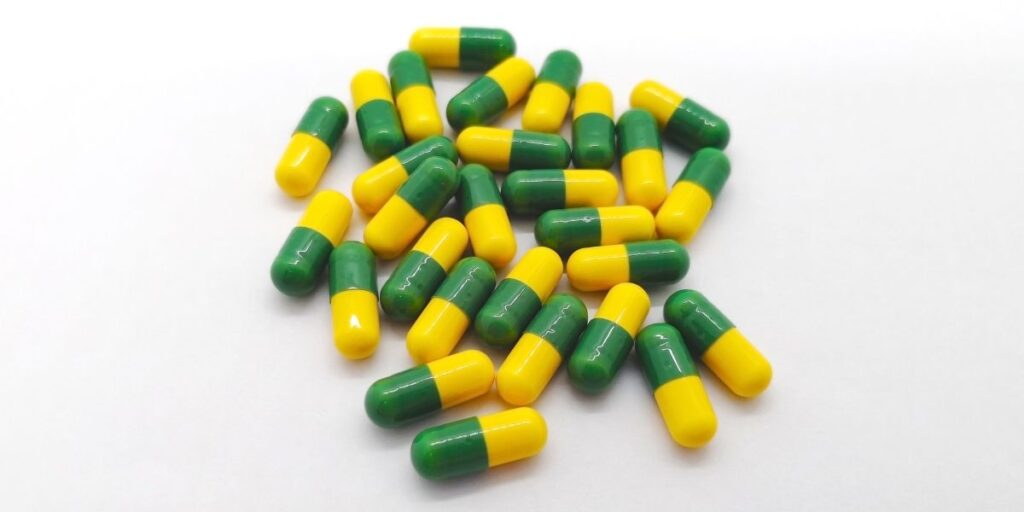
Tramadol addiction becomes more likely with prolonged use or when someone takes more frequent and higher doses than recommended. One of the main contributing factors to Tramadol addiction in the United States is the mistaken notion that it is safer because it is less potent than other opioids, leading to more widely available prescriptions.
Although it is on the less potent end of the spectrum, Tramadol is an opioid with inherent abuse and dependence potential. Combining it with prescription or illicit drugs increases its addiction potential. Many people addicted to Tramadol have no history of drug abuse and became addicted after being prescribed the medication by a doctor.
Because Tramadol doesn’t cause severe sedation or feelings of depression, many people don’t associate it with traditional opioid addiction; however, the longer it is abused, the more those effects will become noticeable.
Why Tramadol Dependence Requires Professional Help
Why is professional help essential when you’ve developed tramadol dependence? Opioid dependence alters your CNS functions, making your body reliant on the drug for basic operations. The FDA recognizes tramadol’s potential for misuse, and unsupervised detox greatly increases overdose risks, including stopped breathing or brain damage.
Professional treatment options address critical needs that self-management cannot:
- Medical supervision, Physicians monitor withdrawal symptoms and taper dosages safely, reducing risks associated with cold turkey quitting. Medications like clonidine can help manage withdrawal symptoms such as anxiety and restlessness during this process.
- Dual diagnosis care, Experts screen for co-occurring mental health conditions that fuel tramadol misuse cycles.
- Psychological support, Counseling and cognitive behavioral therapy target cravings and build coping skills for lasting recovery.
Your dependence severity determines whether you’ll need inpatient, outpatient, or partial hospitalization care for ideal outcomes.
Tramadol Abuse
Tramadol was approved for use in the United States in 1995 and marketed as a non-controlled, less addictive alternative to other opioid analgesics to treat moderate to severe pain.
As it became more widely used, doctors reported increasing cases of abuse and addiction, prompting the United States Drug Enforcement Agency (DEA) to classify Tramadol as a schedule IV drug in 2014. The label now warns about its addiction and abuse potential.
The DEA reports that narcotic addicts, chronic pain patients, and health professionals are the most likely to abuse Tramadol.
In 2018, 36.5 million people filled prescriptions for Tramadol. The National Survey on Drug Use and Health (NSDUH) is conducted annually in the United States to gauge drug and alcohol abuse throughout the country. The NSDUH defines misuse as “use in any way not directed by a doctor, including use without a prescription of one’s own; use in greater amounts, more often, or longer than told to take a drug; or use in any other way not directed by a doctor.”
1.5 million people reported misusing Tramadol during the 2018 National Survey on Drug Use and Health. However, the actual number may be higher due to people hiding or lying about drug addiction or abuse.
Between 2005 and 2011, emergency department visits involving Tramadol increased by 226 percent. 60% of the emergency department visits involved only the drug; the other 40% involved a combination of Tramadol and other drugs.
The Risks of Untreated Tramadol Abuse
When tramadol abuse goes untreated, the consequences extend far beyond the initial physical dependence you’ve developed. Your body faces serious risks including seizures, respiratory depression, and potential organ damage. Studies show 84% of patients abusing tramadol in very high doses experienced seizures within 24 hours.
The mortality statistics are alarming. In Ireland, tramadol-linked deaths rose from 9% to 40% of drug misuse deaths over a decade. If you’re combining tramadol with alcohol or other depressants, your overdose risk increases substantially.
Your mental health also suffers. Cognitive impairments, social withdrawal, and increased suicide risk accompany untreated addiction. Nearly half of emergency room visits involving tramadol included other pharmaceuticals, demonstrating dangerous polydrug patterns. Without professional intervention, tolerance drives you toward higher doses, accelerating these life-threatening complications.

Tramadol Addiction Signs and Symptoms
Tramadol addiction can be challenging to recognize, especially in patients who begin taking it for medical conditions.
Physical dependence is different from addiction. Many people dependent on Tramadol manage to live fulfilled and active lives. Although, Tramadol addiction has physical, behavioral, and health effects that will become more obvious as it becomes more severe.
Signs of Tramadol abuse and addiction include:
- Taking more or higher doses than prescribed
- Running out of their prescription ahead of scheduled refills
- Visiting different doctors to obtain more prescriptions
- Cravings
- Getting it from friends, family members, or off the streets
- Stocking up
- Frequently appearing out of it or high
- Isolating
- Unexplainable mood swings
- Continuing to take it despite adverse side effects and health issues
- Serotonin syndrome
- Withdrawal symptoms
Serotonin Syndrome
Serotonin is a chemical responsible for regulating attention, digestion, body temperature, behavior, blood flow, and breathing. When the body is overactivated with serotonin, usually because of a medication or combination of medications, serotonin syndrome occurs and causes many mental status changes.
High doses of Tramadol or combining it with other drugs and supplements can cause serotonin syndrome because it interacts with the central nervous system, causing higher serotonin concentrations throughout the body.
Serotonin syndrome is a drug reaction that can resolve itself when the drugs detox from the body entirely. However, serotonin syndrome can quickly become life-threatening if you continue to mix drugs or increase the doses.
Symptoms of serotonin syndrome include:
- Confusion
- High blood pressure
- Rapid heartbeat
- Stiff muscles
- Excessive sweating
- Shivering
- Goosebumps
- Twitching
- Intense headache
- Dilated pupils
- High fever
- Seizures
- Unconsciousness
- Coma
Some symptoms of serotonin syndrome are like Tramadol overdose symptoms. If you believe you are experiencing either, treat it as a medical emergency and seek help immediately.
Medications that can interact with Tramadol to cause serotonin syndrome include:
- Antidepressants containing selective serotonin reuptake inhibitors (SSRIs), serotonin and norepinephrine inhibitors (SNRIs), or monoamine oxidase inhibitors (MAOIs)
- Tricyclic antidepressants
- Anti-migraine medications
- Herbal supplements
- Other opioid-based pain medications
- Lithium
- Cough and cold medications
- LSD
- MDMA, or ecstasy
- Cocaine
- Amphetamines
Being honest with your doctor and pharmacist about other medications, drugs, or supplements you are taking is crucial to staying safe and avoiding dangerous drug interactions and accidental overdoses.

Tramadol Withdrawal Symptoms
Tramadol is an opioid that causes physical and mental dependence; if you stop taking it cold-turkey or too quickly, it can cause withdrawal symptoms.
Safely quitting Tramadol requires a careful, professional approach to avoid dangerous and sometimes life-threatening withdrawal symptoms.
The length and severity of Tramadol withdrawal will vary for every person. Symptoms of Tramadol withdrawal include:
- Sweating
- Muscle aches and pain
- Nausea
- Diarrhea
- Anxiety
- Depression
- Irritability
- Insomnia
- Headaches
- Loss of appetite
- Confusion
- Blurred vision
- Hallucinations
- Tremors
- Chills
- Restlessness
- Drug cravings
What Happens During Tramadol Detox and Withdrawal?
Seeking professional treatment offers you the safest path through tramadol withdrawal, a process that begins within 12, 24 hours after your last dose. Like other opioids, tramadol creates physical dependence that triggers predictable withdrawal symptoms when you stop using it.
During the first three days, you’ll likely experience:
- Flu-like symptoms including body aches, chills, and sweating
- Psychological effects such as anxiety, restlessness, and intense cravings
- Sleep disturbances and gastrointestinal discomfort
Most acute physical symptoms resolve within 5, 8 days. However, post-acute withdrawal syndrome affects approximately 90% of long-term opioid users, causing depression, cognitive fog, and cravings that may persist for months. Medical supervision during detox helps minimize discomfort and reduces your risk of relapse during this vulnerable period.
The unpleasantness and intensity of withdrawal symptoms frequently lead to relapsing or avoiding trying to quit altogether. Medical professionals recommend medical detox followed by appropriate treatment programs for safely and successfully treating Tramadol withdrawal and addiction.
Medications and Therapies for Tramadol Recovery

When you’re recovering from tramadol dependence, medication-assisted treatment options like buprenorphine, methadone, or naltrexone can help manage cravings and withdrawal symptoms while reducing overdose risk. Your treatment team may also prescribe symptom-specific medications such as clonidine for anxiety or loperamide for gastrointestinal distress. Alongside these medications, behavioral therapy approaches including cognitive-behavioral therapy and individual counseling address the underlying causes of addiction and build relapse prevention skills.
Medication-Assisted Treatment Options
Although tramadol’s unique pharmacology differs from traditional opioids, several FDA-approved medications can effectively support your recovery by reducing cravings and managing withdrawal symptoms.
Three primary medication options include:
- Buprenorphine, This partial opioid agonist alleviates severe withdrawal symptoms. Low-dose induction protocols have proven successful for tramadol dependence, shifting you to stable maintenance dosing over 28 days.
- Methadone, This full agonist reduces cravings and withdrawal through daily oral dosing. Research shows it lowers overdose risk by 50% compared to no treatment.
- Naltrexone, Available as monthly Vivitrol injections, this antagonist blocks opioid effects and reduces cravings. You’ll need complete detoxification before starting.
Your provider may also prescribe clonidine during early detoxification to manage anxiety, restlessness, and agitation while stabilizing you physiologically.
Behavioral Therapy Approaches
Because medication addresses only the physical components of tramadol dependence, you’ll need behavioral therapies to tackle the psychological patterns driving your addiction. Cognitive-behavioral therapy (CBT) helps you identify negative thought patterns linked to tramadol use while teaching coping skills to manage cravings and avoid relapse triggers.
Motivational interviewing enhances your intrinsic motivation to change, resolving ambivalence you may feel toward recovery. Dialectical behavior therapy builds mindfulness skills and distress tolerance techniques for managing withdrawal urges without turning to substances.
Contingency management provides tangible rewards for maintaining sobriety and attending sessions, reinforcing positive behaviors. Group therapy and support groups like Narcotics Anonymous create peer networks that foster accountability and shared experiences. These evidence-based approaches work alongside medication-assisted treatment to address addiction’s full scope and support long-term recovery.
How to Choose the Right Tramadol Rehab Program
How do you determine which tramadol rehab program will give you the best chance at lasting recovery? Your decision should reflect your addiction severity, personal circumstances, and treatment needs.
Consider these essential factors when evaluating programs:
- Program type: Inpatient rehab offers 24/7 supervision for severe dependence, while outpatient allows you to maintain work and family responsibilities during milder cases.
- Accreditation and credentials: Verify facilities provide medically supervised detox with licensed nurses, counselors, and doctors for safe withdrawal management.
- Therapies offered: Look for evidence-based approaches including MAT with buprenorphine or naltrexone, individual counseling, and holistic options like meditation.
You’ll also want to assess cost, location proximity, and aftercare services. Strong programs include relapse prevention planning, routine check-ins, and peer support to sustain your recovery long-term.
Life After Tramadol: Building Long-Term Recovery
Recovery from tramadol addiction doesn’t end when you leave rehab, it’s a lifelong process that requires sustained commitment and support. Long-term success depends on ongoing aftercare, including support groups and continued counseling to address this chronic condition.
You’ll need strategies to manage post-acute withdrawal syndrome (PAWS), which can cause depression, anxiety, mood swings, and concentration difficulties for months or even years after stopping tramadol. Research shows late-onset depression increases 1.4-fold, while anxiety rises 75% at one month of abstinence.
Building a strong recovery foundation involves stress management techniques to prevent setbacks and identify relapse risk factors. Group cognitive behavioral therapy helps address the 41% increase in social phobia that often accompanies abstinence. Mindfulness practices can reduce impulsivity by 23%, supporting your ability to maintain sobriety long-term.
Tramadol Addiction Treatment
If you or a loved one needs treatment for Tramadol addiction, help is available. At Northridge Addiction Treatment Center, our goal is your recovery. We ensure lifelong, meaningful freedom from substance use by addressing all aspects of your addiction with evidence-based rehab.
Our residential treatment facility offers onsite medical detox with comfort and privacy while you receive 24-hour care and attention through withdrawal. Our licensed and compassionate staff supports you every step of your journey to recovery, building the knowledge and skills to reclaim your life free from substance use.
Reach out to a treatment specialist today.
Frequently Asked Questions
How Many People in the United States Misuse Tramadol Each Year?
Based on 2022 data, approximately 1.37 million people in the United States misuse tramadol each year. This represents about 9.4% of the 14.6 million individuals who used tramadol products. While this number is concerning, you should know that tramadol’s misuse rate is actually lower than many other prescription opioids. If you’re struggling with tramadol use, effective treatment options are available to help you recover safely.
Is Tramadol Less Addictive Than Other Prescription Opioids Like Hydrocodone?
Yes, tramadol is generally less addictive than hydrocodone and other Schedule II opioids. It’s classified as Schedule IV due to its lower abuse potential, while hydrocodone’s Schedule II status reflects higher addiction risk. Hydrocodone produces stronger euphoric effects, increasing misuse likelihood. However, you shouldn’t underestimate tramadol’s risks, dependence can still develop with long-term use or higher doses. Both medications require careful monitoring, so you’ll want to follow your prescriber’s guidance closely.
Where Do Most People Obtain Tramadol for Non-Medical Use?
Most people obtain tramadol for non-medical use from their own prescriptions, about 47% overall and nearly 69% when tramadol is the only opioid involved. This differs markedly from other opioids like morphine or oxycodone, which you’re more likely to get from dealers or family and friends. In Africa, tramadol enters illicit markets through pharmacy diversion, unregulated vendors, and smuggling operations, with millions of tablets seized annually.
Can Taking High Doses of Tramadol Cause Seizures?
Yes, taking high doses of tramadol can cause seizures. Your risk increases considerably when you exceed 400 mg daily, with studies showing higher doses linked to multiple seizures. You’re also at greater risk if you have a seizure history, take antidepressants, or use alcohol alongside tramadol. Most tramadol-related seizures occur within the first six hours and are typically generalized tonic-clonic. If you’ve experienced a seizure, seek immediate medical attention.
Have Tramadol-Related Overdose Deaths Increased or Decreased in Recent Years?
Tramadol-related overdose deaths show mixed trends depending on location. In the U.S., overall drug overdose deaths dropped 26.2% between 2023 and 2024, representing significant improvement. In England and Wales, tramadol deaths have remained relatively stable since peaking at 240 in 2014, with 218 recorded in 2023. If you’re concerned about tramadol use, these statistics highlight why seeking treatment early matters, recovery support can help you avoid becoming part of these numbers.