
Sherm, or smoking wet, is a street drug often associated with severe health risks and dangerous behaviors. This drug is typically a tobacco or marijuana cigarette dipped in PCP (phencyclidine) and embalming fluid, creating a mind-altering experience for users.
Sherm, or smoking wet, is a street drug often associated with severe health risks and dangerous behaviors, similar to the risks discussed in conversations around substances like snorting dmt. This drug is typically a tobacco or marijuana cigarette dipped in PCP (phencyclidine) and embalming fluid, creating a mind-altering experience for users.
PCP was first created in the 1950s as an intravenous anesthetic. It has since been banned due to its strong hallucinogenic effects.
PCP also poses serious risks to both mental and physical health. Despite this, people still use sherm. They smoke these laced cigarettes for their mind-altering and dissociative effects.
It is important to understand sherm’s ingredients, side effects, and dangers. This knowledge helps us see how it affects the central nervous system and overall health.
The appeal of sherm often comes from its ability to create intense feelings of detachment and hallucinations. This can make users feel invincible. However, this sense of invincibility is dangerously misleading.
People under the influence of sherm often engage in reckless and violent behaviors that can harm themselves or others. In many cases, users don’t realize the extent of the damage until it is too late. This makes sherm a particularly hazardous substance, not just for the people but for those around them.
Additionally, its addictive nature can trap users in a dangerous cycle of abuse, which makes long-term recovery difficult.
What Is Sherm and Why Is It Called That?
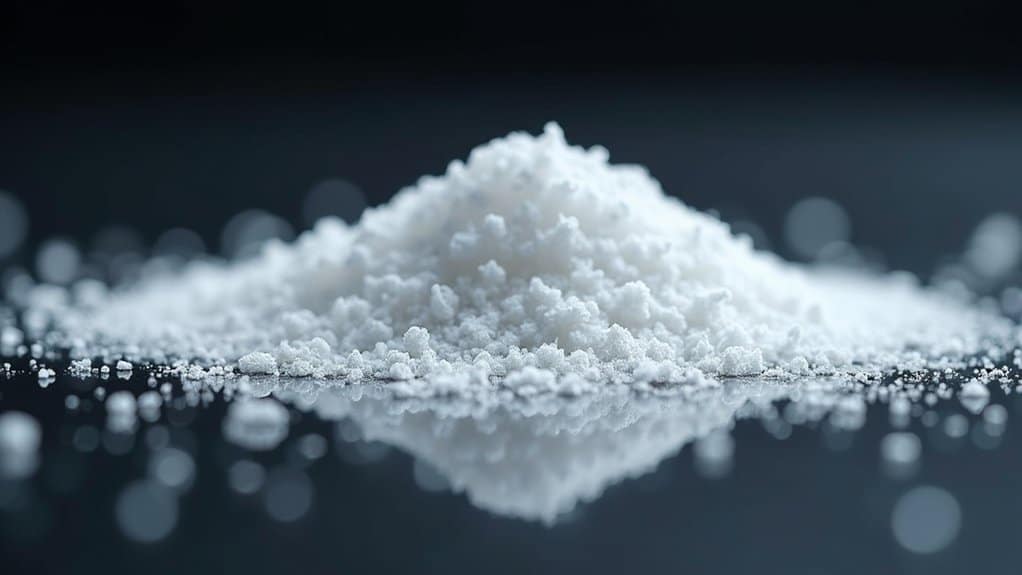
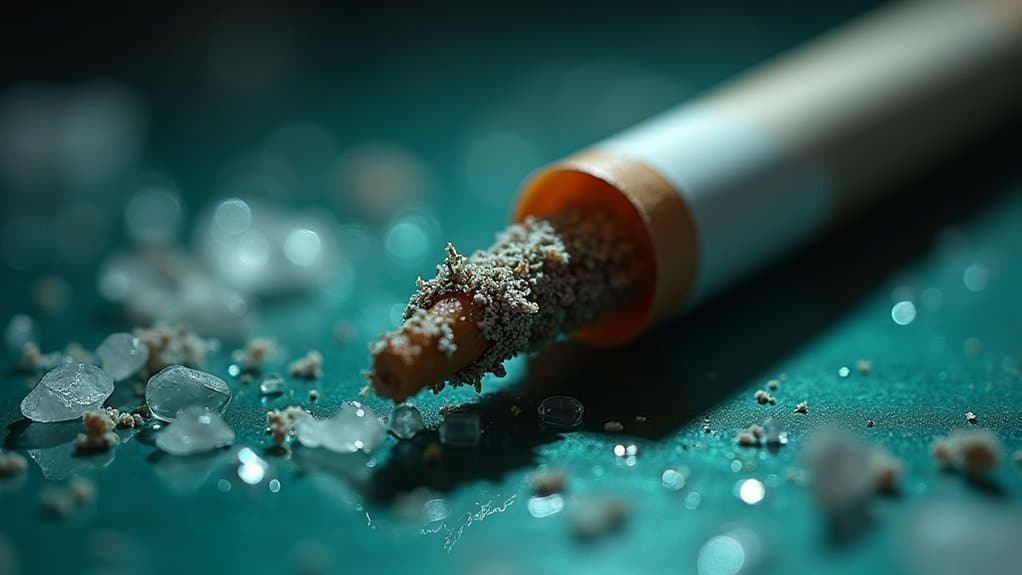
Sherm refers to cigarettes or marijuana joints that have been dipped in liquid phencyclidine (PCP) and then dried for smoking. This sherm drug delivers PCP through inhalation, producing intense dissociative and hallucinogenic effects. PCP is classified as a Schedule II controlled substance and functions as a dissociative anesthetic. The effects of sherm use can be unpredictable and vary significantly from person to person.
The term “sherm” originated from Sherman cigarettes, a brand commonly used for dipping in liquid PCP. Street terminology evolved, and “sherm stick” now describes any PCP-laced cigarette or joint. You’ll also encounter names like illy, fry, and wet for this preparation. These sherm drugs are also commonly referred to as wet drugs in street terminology.
Unlike powdered PCP (angel dust), the sherm drug specifically involves liquid-soaked smoking materials. Manufacturers often combine phencyclidine (PCP) with embalming fluid containing formaldehyde, methanol, and glutaraldehyde to dissolve or intensify effects. The embalming fluid serves as a carrier or solvent rather than being the psychoactive drug itself.
Why Sherm Is Extremely Dangerous
The extreme danger of sherm stems from its unpredictable PCP concentration and toxic chemical additives. When you smoke a sherm stick oversaturated with PCP solution, you’re risking fatal overdose. Doses exceeding 20mg trigger seizures, coma, and death. Among dissociative drugs, sherm poses unique threats due to embalming fluid’s corrosive compounds.
| Acute Dangers | Long-Term Consequences |
|---|---|
| Respiratory failure | Permanent brain damage |
| Cardiac arrest | Psychosis and schizophrenia-like symptoms |
The dangers of sherm extend beyond immediate toxicity. You’ll experience rapid tolerance buildup, forcing higher doses that compound overdose risk. PCP intoxication provokes violent behavior and suicidal ideation. Chronic exposure causes memory loss, learning deficits, and persistent flashbacks. Kidney failure, rhabdomyolysis, and myocardial infarction represent additional medical emergencies you may face.
How Sherm Affects Your Mind and Body
Beyond its acute toxicity risks, sherm fundamentally rewires your brain’s chemical signaling systems. As one of the most potent dissociative anesthetics, PCP blocks NMDA receptors, disrupting glutamate transmission throughout your central nervous system. This interference impairs cognition, emotional regulation, and sensory processing within minutes of inhalation.
Your body responds with cardiovascular stress, motor impairment, and pain insensitivity that increases injury risk. Chronic exposure produces lasting neurochemical alterations that persist up to one year after cessation.
Key physiological impacts include:
- NMDA receptor antagonism causing permanent disruption to information processing and emotional stability
- Tolerance development requiring progressively higher doses to achieve equivalent effects
- Hormone interference in younger users that stunts physical maturation
These mechanisms explain sherm’s severe addiction potential and treatment complexity.
Warning Signs of Sherm Use
Recognizing sherm use early can prevent severe health consequences and facilitate timely intervention. When someone uses sherm, you’ll notice distinct physical symptoms: heightened heart rate, excessive sweating, muscle spasms, and involuntary eye movements. The formaldehyde component causes yellow fingertips and unusual chemical odors on clothing.
Behavioral changes include increased aggression, paranoia, hallucinations, and detachment from reality. You may observe a staring gaze, impaired speech, and bizarre actions. Cognitively, users experience memory problems, confusion, and slowed reaction times.
Watch for addiction indicators signaling substance abuse disorder: compulsive use despite consequences, tolerance development requiring higher doses, and withdrawal symptoms. If you notice someone unable to function without sherm or using it to feel normal, they’ve likely developed dependence. Early identification enables prompt treatment and reduces long-term neurological damage.
What Is Embalming Fluid?
Embalming fluid is a chemical solution used in funeral homes to preserve deceased bodies. It typically contains formaldehyde, which helps to prevent decay. When smoked in sherm, the embalming fluid contains toxic chemicals. These can seriously harm the body, causing lung damage and breathing problems.
Smoking a cigarette dipped in this fluid poses many health risks. Some of these risks can cause long-term damage or even death. It is not the fluid that causes the high in sherm. Instead, it is the mix with PCP that boosts the drug’s mind-altering effects.
What Is PCP?
PCP, also known as angel dust, is a dissociative drug that creates a feeling of detachment from reality. As an animal tranquilizer, it was first used in the medical field but was soon abandoned because of its harmful side effects.
PCP is highly addictive, and its effects include severe hallucinations, delusions, and paranoia. The drug dissolves in water or alcohol, which is why it is commonly used to “dip” cigarettes, creating sherm. Users often describe feeling invincible or detached from pain, which contributes to dangerous behaviors and an increased risk of accidents or violent incidents. The connections between sherm and PCP can lead to especially risky situations where users combine substances, amplifying their disorientation and impairing their judgment. These dangerous interactions can make it challenging for individuals to recognize their limits, often resulting in life-threatening scenarios.
Sherm Drug Slang
In street slang, sherm goes by several names depending on the region. For instance, in NYC slang, sherm is often referred to as “wet” or “rocket fuel” because of the way the cigarette is dipped in liquid PCP. Other terms include “fry” or “wet sticks.”
Even with different names, the main idea is the mix of PCP and embalming fluid. This combination creates strong mind-altering effects. These effects have made it well-known in drug circles.
Sherm Side Effects
Smoking sherm can lead to a wide range of dangerous side effects. The drug affects the central nervous system, leading to symptoms such as memory loss, confusion, and severe hallucinations. PCP’s hallucinogenic effects are hazardous, as they can cause users to feel detached from their surroundings, which often leads to violent behavior, self-harm, or harm to others. Other adverse effects include:
Smoking sherm can lead to a wide range of dangerous side effects. The drug affects the central nervous system, leading to symptoms such as memory loss, confusion, and severe hallucinations, and some of these effects may overlap with respiratory concerns people associate with crack lung symptoms. PCP’s hallucinogenic effects are particularly hazardous, as they can cause users to feel detached from their surroundings, which often leads to violent behavior, self-harm, or harm to others. Other adverse effects include:
- Seizures
- Coma
- Weight loss
- Increased heart rate
- Dizziness
- Blurred vision
- Impaired motor function
Over time, the use of sherm can cause irreversible damage to the brain and body, leading to long-term health complications.
What Are the Ingredients in the Drug Sherm?
Sherm is composed of two main substances: PCP and embalming fluid. PCP, or phencyclidine, is a white crystalline powder initially developed in the 1950s as an intravenous anesthetic for humans and animals. However, its use was discontinued because of its severe hallucinogenic effects and high potential for abuse. Embalming fluid, typically used in funeral homes, contains various chemicals, including formaldehyde, methanol, and other solvents. These ingredients are not intended for human consumption and can have toxic effects when inhaled or ingested.
Embalming fluid is a dangerous cocktail of chemicals that, when inhaled or ingested, can cause significant harm. These chemicals include:
- Formaldehyde
- Methanol
- Ethanol
- Phenol
- Glycerin
- Water
Inhalation of these chemicals, combined with PCP, heightens the risk of long-term damage to the respiratory system, organs, and brain.
Long-Term Use of PCP
Long-term use of PCP can lead to a range of serious health issues. These include:
- Memory loss
- Depression
- Difficulty with speech and thinking
- Social withdrawal
- Chronic pain
- Persistent delusions
- Mood disorders
Additionally, prolonged use can result in withdrawal symptoms such as anxiety, tremors, and cravings for the drug. Long-term PCP abuse can have serious psychological effects. It can lower the quality of life and raise the risk of mental health disorders.
People who abuse PCP often struggle to manage their emotions and keep relationships. This can make them feel more isolated from society.
Withdrawal Symptoms of PCP Addiction

Withdrawal from PCP can be a challenging process because of the drug’s profound impact on the brain. Common withdrawal symptoms include:
- Anxiety
- Agitation
- Depression
- Muscle aches
- Tremors
- Insomnia
- Cravings
These symptoms can last for several weeks, making professional treatment necessary for those attempting to recover from PCP addiction.
Sherm Drug Addiction Treatment at Northridge Addiction Treatment Center
The use of sherm can have devastating effects on both mental and physical health, and overcoming addiction to this powerful drug requires professional intervention. At Northridge Addiction Treatment Center (NATC), we provide evidence-based, compassionate addiction treatment to help people break free from the grip of PCP and other addictive substances.
NATC’s comprehensive treatment programs are designed to address the unique challenges associated with sherm addiction, including managing withdrawal symptoms with medical detox and around-the-clock care and supervision.
NATC offers a variety of personalized rehab options with customized treatment plans to help people regain control over their lives and achieve lasting recovery.
Contact us today to start your path to meaningful recovery.
Frequently Asked Questions
How Long Does Sherm Stay Detectable in Drug Tests?
You can expect Sherm to remain detectable in urine for 1-14 days with casual use, extending up to 30 days if you’re a chronic user. Blood tests detect it within a 24-48 hour window. Hair follicle testing identifies use for up to 90 days post-exposure. Your detection times will vary based on dosage frequency, metabolic rate, body fat percentage, and concurrent substance use.
Is Sherm More Common in Certain Regions of the United States?
You’ll find Sherm concentrated primarily in specific urban areas rather than distributed evenly nationwide. It’s most prevalent on the West Coast, particularly in Los Angeles where production originates, and on the East Coast in cities like Philadelphia, Washington D.C., and Baltimore. You’re less likely to encounter it in rural or suburban regions. California serves as the main production hub, with distribution networks extending to metropolitan areas across multiple regions.
Can Secondhand Smoke From Sherm Affect People Nearby?
Yes, secondhand smoke from sherm can affect you if you’re nearby. When someone smokes sherm, they release PCP vapors and embalming fluid chemicals like formaldehyde into the air. You may experience respiratory irritation, coughing, and potential dissociative effects from inhaling these toxins. Enclosed spaces markedly increase your exposure risk. Children, pregnant individuals, and those with respiratory conditions face heightened vulnerability to these neurotoxic and carcinogenic compounds.
What Is the Typical Street Price for Sherm?
You’ll typically pay $5-$15 for a single sherm stick on the street, based on standard PCP dosing costs. If you’re purchasing a marijuana joint version, you’ll likely spend more due to the added cannabis component, though exact figures aren’t consistently documented. Your location profoundly affects pricing, urban areas with greater supply tend to offer lower costs. Repeated purchases become more frequent as you develop tolerance, increasing your overall expenditure.
Are There Any Medications Specifically Approved to Treat Sherm Addiction?
No, you won’t find any FDA-approved medications specifically designed to treat sherm addiction. Treatment protocols rely on medically supervised detox to manage withdrawal symptoms like cravings, anxiety, depression, and tremors. Clinicians use general symptomatic medications rather than PCP-targeted pharmacotherapy. Your recovery plan will primarily incorporate behavioral interventions, including Cognitive Behavioral Therapy and Dialectical Behavior Therapy, alongside individual counseling and group support to address underlying addiction mechanisms and prevent relapse.