Shake and bake meth is the product of the shake and bake method of meth production. Shake and bake meth is chemically similar to other methamphetamines but usually has more impurities. This is because of the crude and uncontrolled nature of the production process. Impurities in drugs can make them more harmful, causing serious health problems like overdose for people who use them. The allure of drug fantasy often leads individuals to underestimate the dangers associated with such substances. Many users may feel invincible or euphoric, but the grim reality is that the outcomes of using impurities-laden drugs can be catastrophic. As the obsession with these fleeting highs grows, so does the risk of addiction and long-term health issues.
What Is the Shake and Bake Method?
Shake and bake meth refers to methamphetamine produced using a simplified method of making meth. This method is popular because it is cheap and easy. However, it is very dangerous for the person making the drug and for others nearby. Meth is a powerful drug that can lead to serious health problems, meth addiction, and harmful effects on both the body and mind over time.
A “shake and bake” operation is often described as a one-pot method because the reactions occur inside a single sealed container. The portability of these setups means they can be hidden in vehicles or other mobile locations, which can make them harder to detect. The most important thing to understand is that these improvised labs are especially dangerous because volatile chemical reactions can generate heat, flammable fumes, and rapid pressure buildup, making them substantially more explosion-prone than conventional lab setups.

Important safety note: Because meth production is illegal and extremely hazardous, discussions that provide step-by-step details, exact mixtures, or “how to” guidance can increase harm. A safer and more helpful focus is understanding risks, recognizing warning signs, and knowing what to do to protect people and property.
Warning Signs First Responders Look For
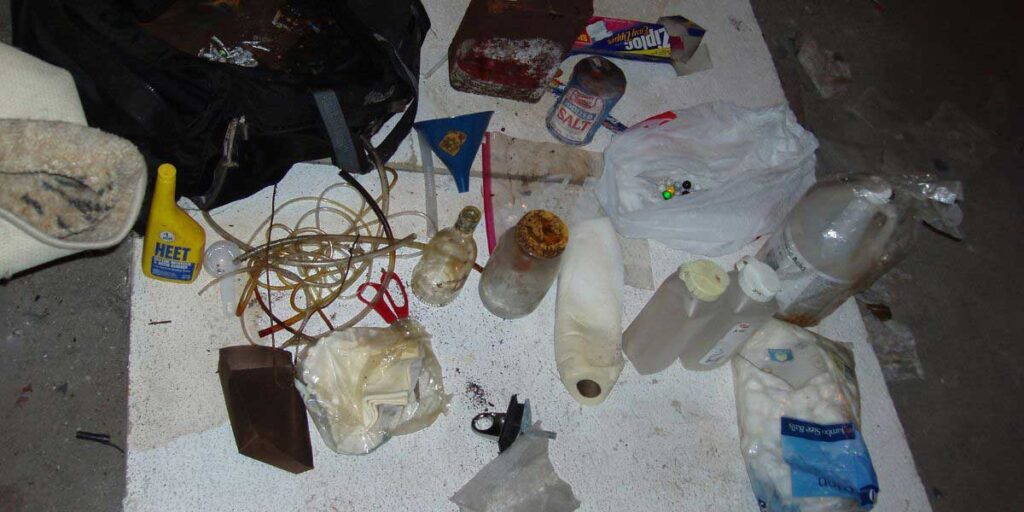
When responding to suspected shake and bake meth labs, first responders look for physical and chemical indicators that suggest active or recent production. Common signs include improvised plastic containers with unusual liquid/solid mixtures, stained or damaged filters, altered or damaged batteries, and large quantities of common retail chemicals that are frequently associated with clandestine drug production.
You may also notice rubber tubing attached to containers, chemical burns on surfaces, and a strong chemical odor. Discarded materials can remain hazardous and may release toxic fumes or present a fire risk even after the active reaction ends. If a location is suspected to involve meth production, it should be treated as a HazMat scene and handled only by trained professionals with appropriate protective equipment.
Why These Labs Pose Extreme Explosion Risks
Shake and bake labs are especially dangerous because reactions occur inside sealed containers that are not designed for pressure. Gas generation, heat, and solvent vapors can build rapidly, and even small disturbances can trigger rupture, ignition, or violent release of pressure, sometimes followed by a flash fire. This is one of the reasons these improvised operations can be more unpredictable and more dangerous to bystanders than traditional multi-container setups.
Sealed Container Pressure Buildup
In one-pot production, reactions generate gas and heat inside a confined space. Standard plastic bottles and improvised vessels are not engineered for high-pressure containment, so internal pressure can rise quickly and unpredictably. Even minor disturbances, dropping a container, jostling it, or loosening a cap, can cause a sudden release of pressure and increase the risk of injury, fire, or explosion.
Volatile Chemical Reactions
Many chemicals commonly misused in clandestine drug production can react violently, produce toxic gases, and create flammable vapors. The hazard is not limited to the person attempting production, nearby residents, children, first responders, and property can be impacted by fire, blast injuries, and contamination.
Improper Venting and Ignition Risks
Traditional illicit labs may use more elaborate setups that unintentionally allow some pressure relief, but one-pot operations often involve a single sealed container that can become unstable quickly. If flammable gases accumulate and are exposed to air or a spark, ignition can occur. This is one reason suspected meth lab scenes should be handled only by trained HazMat teams and law enforcement.
How Cold Medicine Restrictions Changed Meth Production

Over the years, restrictions on certain cold medicines helped disrupt many large-scale domestic meth operations. At the same time, these restrictions contributed to a shift toward smaller, more portable production attempts that can be moved quickly and are harder to detect. While policy changes can reduce access to key precursors, they do not eliminate risk, and improvised production remains dangerous, illegal, and harmful to communities.
Proper Hazmat Protocols for Suspected Lab Discovery
Every suspected shake and bake meth lab discovery requires a coordinated response that prioritizes responder and public safety above evidence collection. Scenes may involve fire hazards, toxic fumes, and chemical contamination. Trained responders typically secure the area, restrict access, and use appropriate monitoring equipment and protective gear based on the conditions present.
If you suspect meth production, the safest action is to leave the area and contact local emergency services or law enforcement. Do not touch containers, open windows near suspicious odors, or attempt cleanup. Even “discarded” materials can remain hazardous.
Community Reporting and Prevention Programs
Because meth production and distribution can operate through localized networks, community-based prevention and reporting efforts are important frontline interventions. Community coalitions, public health partnerships, and law enforcement initiatives can support prevention education, early reporting, and safer responses to suspected lab activity.
| Program | Primary Function | Target Population |
|---|---|---|
| Drug-Free Communities | Coalition-based prevention | Community members |
| COPS CAMP | Law enforcement funding | State agencies |
| CDC OD2A | Overdose data collection | Health departments |
Ingredients to Create Meth
The ingredients to create meth using the shake and bake method are alarmingly accessible, and this ease of access often coincides with people searching risky drug-related questions online, such as how to snort dmt. While each ingredient may have legitimate uses, when combined, they make a highly dangerous and illegal substance. The simplicity of obtaining these ingredients contributes to the increase of meth production using this method.
Common ingredients of meth include:
For safety, we do not provide specific ingredient lists, quantities, or combinations. Even seemingly “household” items can become extremely hazardous when misused. The key takeaway is that clandestine production attempts often rely on readily available products, and these attempts can create severe fire, explosion, and toxic exposure risks for anyone nearby.
The process of creating meth involves a series of chemical reactions that transform precursor substances into the final drug, a topic that often leads people to search broadly for terms like ingredients in meth without understanding the serious risks involved. The exact chemical reactions are complex and dangerous, frequently producing toxic byproducts that pose severe health, safety, and environmental hazards.
Making meth with the shake and bake method is dangerous for people and the environment. The improper disposal of chemical waste can lead to contamination of soil and water sources. Meth labs, whether traditional or shake and bake, leave behind hazardous residues that can make areas dangerous. The cost of cleaning up these sites can be substantial and often falls on public resources.
Methamphetamine Addiction Treatment
The dangers of methamphetamine use go beyond the immediate physical and psychological effects. Meth addiction is a persistent, recurring problem that needs thorough treatment and help. Understanding the complexities of addiction and the available treatment options is crucial for those affected by meth addiction.
Meth addiction can develop quickly because of the drug’s powerful effects on the brain’s reward pathways. The intense high, followed by a severe crash, often leads users to consume more of the drug to avoid meth withdrawal symptoms and to recapture the euphoric feelings. This cycle of use and withdrawal creates a strong physical and psychological dependence on the drug.
Recovery from meth addiction is a long-term process that requires sustained effort and support. Relapse is a common part of the recovery journey, and people need to have a plan in place to manage triggers and stressors. This might include ongoing therapy, participation in support groups, and building a solid family and friends support network.
At Northridge Addiction Treatment Center, we understand the complexities of meth addiction recovery. Our medically supervised detox surrounds you with compassionate care, along with using medication-assisted treatment to manage withdrawal systems while keeping you safe, monitored, and as comfortable as possible.
Our team of professional, caring staff is dedicated to each resident’s recovery, providing support and empowerment during every step of treatment.
Contact us today. Our treatment specialists are eager to hear your story and see how they can find you the best treatment.
Frequently Asked Questions
What should someone do if they suspect a shake and bake meth lab?
If you suspect a meth lab, do not investigate, touch containers, or attempt cleanup. Leave the area and contact local emergency services or law enforcement. If you are in a shared building, notify management after you are safely away from the suspected location.
Can a suspected meth lab contaminate a home or vehicle?
Yes. Meth production can leave behind hazardous residues and airborne contaminants that may settle on surfaces and materials. Contamination concerns can be especially serious in enclosed spaces. Professional assessment and remediation are typically required when contamination is suspected.
Why are one-pot labs so dangerous compared to other setups?
One-pot labs are dangerous because reactions can occur inside sealed containers that were never designed to hold pressure or contain toxic gases. Heat, gas generation, and flammable fumes can build quickly, increasing the risk of rupture, fire, and explosions.
What are the health risks of meth use and exposure?
Meth use can cause serious physical and mental health harms, including addiction, overdose risk, and long-term impacts on the brain and body. Exposure to toxic fumes or residues from clandestine production can also pose health risks to bystanders and residents, especially children and people with respiratory conditions.
Where can someone get help for methamphetamine addiction?
Help is available through addiction treatment programs, medical providers, and local support resources. If someone is in immediate danger, call emergency services. For treatment planning, contacting a qualified treatment center can help identify appropriate levels of care and next steps.