As public health and law enforcement agencies focus on reducing fentanyl and opioids in the drug market, new drugs constantly appear to fill the demand. Purple heroin, or benzo dope, is the latest designer drug to make its way to the United States. Purple heroin first appeared in Europe and Canada but has already been linked to at least one opioid overdose death in Van Buren County, Michigan, and is suspected in others. Arizona, Louisiana, and Minneapolis reported over 30 purple heroin-related deaths. Drug tracking and health agencies expect purple heroin to be widespread in America soon.
Purple heroin (also called benzo dope) is often described as a dangerous combination of synthetic opioids (including fentanyl and other potent analogs) with benzodiazepine analogs such as etizolam, and, in some batches, xylazine (a veterinary tranquilizer). Potency can be highly unpredictable because fentanyl and related synthetics can concentrate in lethal “hot spots” throughout the mixture. When opioids and benzodiazepines are combined, the risk of respiratory depression increases substantially, and standard naloxone response may be more complicated than with opioids alone.
What Is Purple Heroin?
Purple heroin, also called benzo dope, is one of the latest lethal drugs in the unregulated drug supply fueling the opioid and addiction crisis.
Calling it heroin isn’t technically accurate. When the Michigan State Police laboratory tested samples, they found no heroin. Instead, chemists found various drugs in the tested products, including fentanyl, acetaminophen, flualprazolam, buspirone, carfentanil, and brorphine.
Flualprazolam is a benzodiazepine tranquilizer, and buspirone is used to treat anxiety. Carfentanil should not be confused with fentanyl; it is 100 times more powerful and lethal. And brorphine is a powerful synthetic opioid, first discovered in 2018. The United States Drug Enforcement Agency (DEA) warned health officials and law enforcement about its potency and spread, as it is 50 to 100 times more potent than fentanyl.
Brorphine and carfentanil are especially concerning because standard blood tests can’t detect them, making treating overdoses of purple heroin more complicated.
What’s Actually Mixed Into Purple Heroin
Purple heroin is frequently a volatile mixture that can include potent synthetic opioids (such as fentanyl analogs, brorphine, and nitazene-class opioids in some reports), combined with benzodiazepines or benzodiazepine analogs (including etizolam in some batches). Some mixtures also include xylazine, which can further depress breathing and has no opioid-reversal antidote.
The purple coloring itself is typically considered a marketing or differentiation tactic rather than a reliable indicator of strength or ingredients. Batch inconsistency remains one of the greatest hazards, some samples may contain little or no heroin and rely instead on various synthetic compounds.
Why One Dose Can Kill When the Next Doesn’t
Even when a product appears “well mixed,” purple heroin may not be truly uniform. Highly potent opioids like fentanyl can form concentrated pockets (“hot spots”), so one dose can contain far more active compound than another from the same supply. Because the margin between intoxication and fatal respiratory depression can be very small with these synthetics, unpredictability is a major driver of overdose risk.
What Does Purple Heroin Look Like?
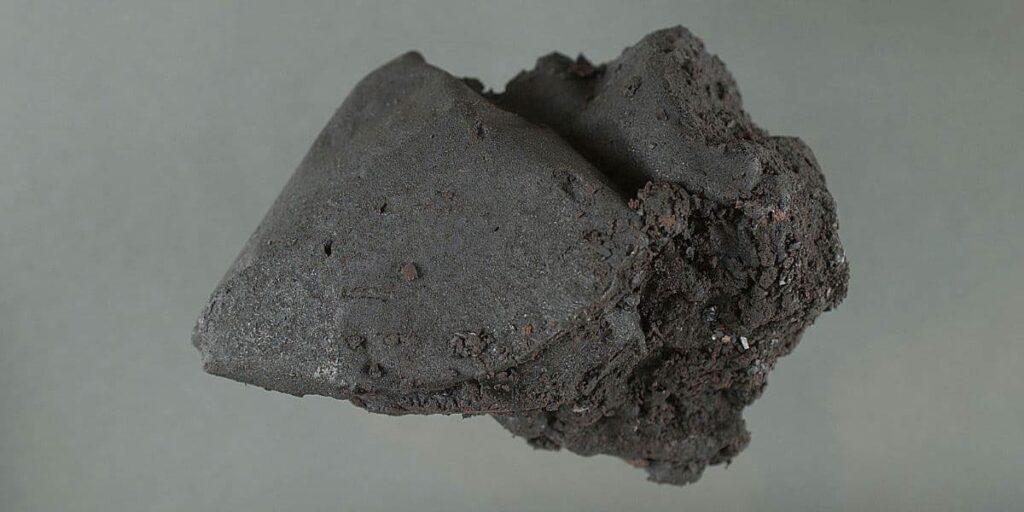
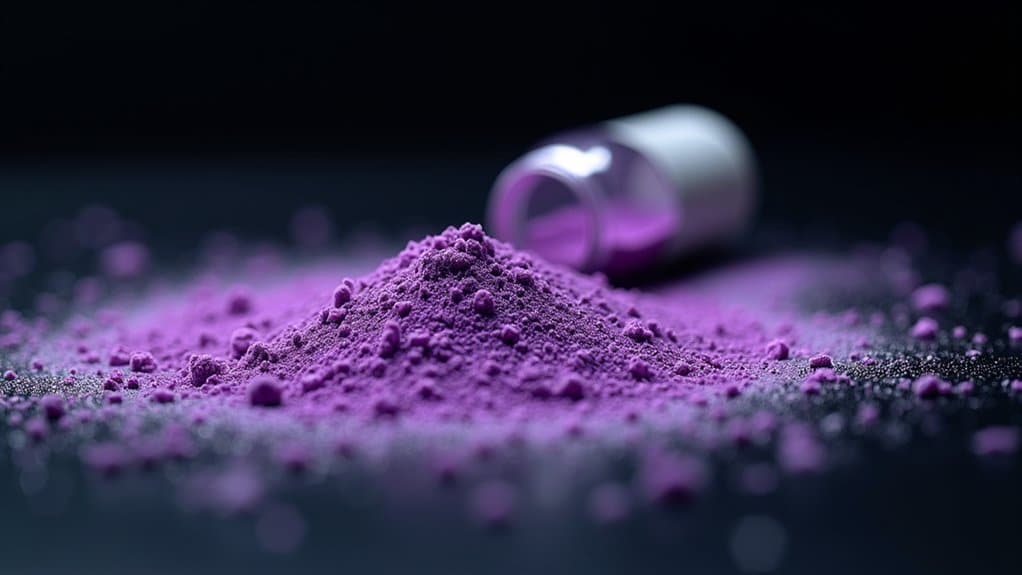
As the name suggests, purple heroin is usually dark purple; however, it is sometimes a lighter shade of purple, gray, or white. It comes as a fine powder or tiny crystals similar in texture to sea salt.
Public health officials are unsure if the purple color is added during production or is a byproduct of the ingredients used. One theory is that dealers add the coloring to differentiate the powder from cocaine, fentanyl, and other drugs they sell.
The Rise of Benzo Dope
There has been a crackdown on fentanyl production and distribution in the United States and internationally, forcing dealers to become more creative when they cut their drugs.
Benzodiazepine adulterated opioids are cheap to produce and hard to differentiate from regular heroin or fentanyl. Many synthetic ingredients used to create benzo dope are unregulated and widely available for purchase online.
People who think they are receiving a safe supply from their regular dealer won’t know they have benzo dope until it’s too late.
Another reason benzos gained popularity as a mixing agent is they can make the high last longer and lessen withdrawal symptoms. Unfortunately, like most unregulated chemistry, the science is imperfect and often results in unwanted side effects and fatal overdoses.
British Columbia, Canada, has seen the sharpest increase in benzodiazepine tainted opioids. Between April 2020 and April 2021, opioids testing positive for the presence of benzos rose from 5% to 25%.
The United States Drug Enforcement Administration (DEA) and the Department of Health and Human Services (HHS) work closely with poison control centers and health care professionals to track overdose outbreaks. This helps them identify new symptoms and treatments and pinpoint geographical trends.
Public health officials believe that benzo dope and purple heroin are finding their way across the northern border of the United States. Michigan’s upper peninsula and Minnesota, which border Canada, have reported several fatal overdoses linked to purple heroin.
The Michigan Department of Health and Human Services encourages anyone who comes across or has information about benzo dope to contact the Michigan Poison Center, which is available 24 hours a day and is not connected with law enforcement.
The Dangers of Purple Heroin

Law enforcement agencies, health professionals, and harm reduction agencies are currently trying to gain as much knowledge about benzo dope as possible to prepare for emergencies as it gains popularity in the United States.
One of the most important things we know about benzo dope is that it does not react to the life-saving opioid reversal drug Narcan (naloxone). Narcan can reverse some of the opioid effects and restore breathing but will do nothing to stop the sedation caused by the benzos.
Benzo dope users and emergency responders have reported the most notable effects are prolonged loss of consciousness, respiratory depression, and blackouts or complete memory loss.
Unfortunately, it will take more overdoses, deaths, and studies to truly understand the long-term effects and dangers of benzo dope and purple heroin.
How to Spot a Purple Heroin Overdose
Overdose recognition is critical with opioid-benzodiazepine mixtures because multiple central nervous system depressants can act at the same time. Common warning signs include slow, shallow, or stopped breathing; gurgling or choking sounds; blue or purple lips and nails; extreme drowsiness; and unresponsiveness to voice or touch. Additional danger signs can include a weak pulse, cold or clammy skin, vomiting, and seizure-like activity.
Why Naloxone May Not Be Enough: And What Else to Do

Naloxone remains the frontline intervention for suspected opioid overdose because it can reverse the opioid component and help restore breathing. However, naloxone does not reverse sedation from benzodiazepines, and it does not treat xylazine effects. In addition, naloxone’s action can be shorter than some opioids in the supply, increasing the risk of re-sedation after an initial response.
Emergency response steps still apply: call 911 immediately, administer naloxone for the opioid component, and monitor breathing closely. If breathing is very slow or stops, rescue breathing should be provided. Additional naloxone doses may be required while waiting for emergency services, especially when potent synthetics are involved.
Substance Abuse Treatment
If you or a loved one is struggling with a substance use disorder, Northridge Addiction Treatment Center can help you overcome addiction and start you on the path to a meaningful and lasting recovery.
Withdrawal from addiction to purple heroin or other opioids can cause dangerous and severe symptoms. At NATC, we understand the thought of withdrawal can be overwhelming, so we provide our residents with comfortable and safe medical detox with 24-hour medical care in our private treatment facility.
While staying with us, you will be surrounded by our supportive, licensed, and compassionate staff that custom tailors each resident’s treatment plan to address every aspect of your addiction and teach effective strategies to prevent relapse.
Our admissions specialists are eager to help you reclaim your life and achieve life-long recovery. Reach out today.
Frequently Asked Questions
How Long Does Purple Heroin Stay Detectable in Urine or Blood Tests?
Detection windows can vary based on the specific drugs present, dose, frequency of use, and individual metabolism. Traditional heroin metabolites may be detectable in urine for several days, while blood tests typically capture more recent use. If benzodiazepines or benzodiazepine analogs are present, detection windows may extend longer than heroin alone.
Can Someone Recover Fully After Surviving a Purple Heroin Overdose?
Full recovery is possible, but outcomes depend heavily on how quickly breathing is restored and how long oxygen deprivation lasts. Prolonged respiratory depression can increase the risk of hypoxic injury and long-term complications. Medical monitoring after an overdose is important because symptoms can return after initial improvement.
What Withdrawal Symptoms Should Someone Expect When Quitting Purple Heroin?
Withdrawal may be more complex when both opioids and benzodiazepines are involved. Opioid withdrawal can include muscle aches, gastrointestinal distress, sweating, anxiety, and insomnia. Benzodiazepine withdrawal can be medically dangerous and may include severe anxiety, elevated blood pressure, and seizure risk, which is why medically supervised detox is often recommended.
Are There Specific Treatment Programs Designed for Purple Heroin Addiction?
Treatment programs may address both opioid use disorder and benzodiazepine dependence when needed, often starting with medically supervised detox and then transitioning into residential or outpatient care. Clinicians may use evidence-based medications for opioid use disorder and structured tapering approaches for benzodiazepines, along with therapy and relapse-prevention planning.
Why Do Drug Dealers Add Purple Coloring to Fentanyl Mixtures?
Coloring is generally considered a form of market differentiation or “branding” in an illicit supply. The dye does not make the drug safer and does not reliably indicate strength or ingredients. Appearance should never be treated as a measure of potency or risk.