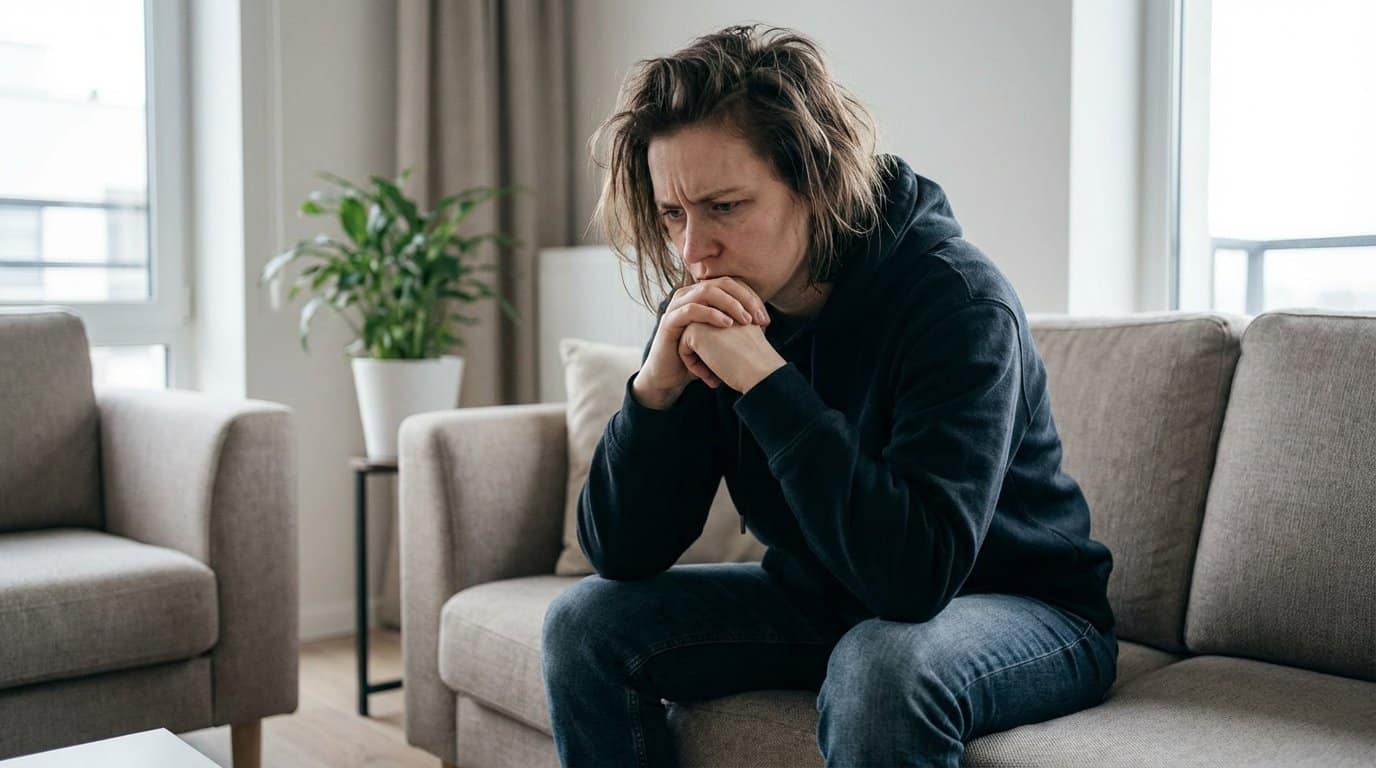
NyQuil addiction occurs when you develop a physical and psychological dependence on this over-the-counter medication, particularly its active ingredients dextromethorphan (DXM) and doxylamine. You’ll notice warning signs like needing higher doses, using it when you’re not sick, and experiencing withdrawal symptoms such as insomnia and anxiety. Treatment typically involves medical detoxification, cognitive behavioral therapy, and support groups. Understanding the risk factors and health consequences can help you take the first steps toward recovery.
Understanding Nyquil Addiction
Many people take Nyquil and similar over-the-counter cough and common cold medications and never become addicted or experience harmful side effects, so how do some people develop an addiction to Nyquil?
Some people abuse Nyquil to help themselves fall asleep and soon find they cannot sleep through the night without it. Large doses of dextromethorphan (DXM), one of the active ingredients of Nyquil, cause it to act like a disassociative drug similar to PCP. Both types of abuse can quickly escalate into addiction and abuse.
Unlike other over-the-counter cold and flu medications, Nyquil and the other Triple C medications, another prevalent cough and cold medicine, don’t require ID to buy. Teenagers and people attempting to hide their drug addictions tend to abuse cough medicines like Nyquil because they are readily available and effective. The slang term for misusing Nyquil to get high is “robotripping.”
Warning Signs of NyQuil Dependence
If you notice you’re needing larger amounts of NyQuil to achieve the same effects, this tolerance is often an early indicator of physical dependence. You may also find yourself reaching for NyQuil compulsively, even when you’re not sick, to manage sleep, stress, or emotional discomfort. When you stop using it, withdrawal symptoms like insomnia, anxiety, tremors, or nausea signal that your body has become reliant on its sedating compounds.
Increasing Dose Requirements
Many individuals who develop NyQuil dependence first notice they’re taking more than the recommended dose to achieve the same effects they once experienced at lower amounts. This tolerance development occurs because your brain adapts to dextromethorphan and other sedating compounds with repeated exposure.
You might find yourself exceeding the maximum four doses daily or taking medication beyond the recommended seven-day period. These patterns signal your body now requires higher amounts to feel relief or achieve sleep.
As tolerance builds, you may experience cognitive effects like mental fog and concentration difficulties. Research shows over 3.1 million Americans aged 12 and older have misused cough and cold medicines. If you’re increasing your dosage despite resolved symptoms or combining NyQuil with alcohol to amplify effects, these are serious warning signs requiring professional support.
Compulsive Use Patterns
Compulsive use patterns emerge when NyQuil consumption shifts from treating cold symptoms to fulfilling psychological or emotional needs. You may find yourself reaching for NyQuil to manage stress, anxiety, or sleep difficulties even when you’re not sick. This change marks a critical point where nyquil addiction begins taking hold.
When you’ve developed compulsive patterns, you’ll struggle to limit or stop use despite recognizing harmful consequences. You might neglect work responsibilities, withdraw from social activities, or lose interest in hobbies you once enjoyed. The sedative effects on your CNS become something you depend on rather than occasionally use.
Continued compulsive consumption drastically increases your overdose risk. If you’re experiencing these patterns, seeking professional support early can prevent escalating health consequences and help you regain control.
Withdrawal Upon Stopping
When you stop using NyQuil after prolonged misuse, your body often signals its dependence through withdrawal symptoms that emerge within hours of your last dose. You may experience nausea, sweating, chills, and tremors that mimic flu-like illness. Muscle aches and gastrointestinal disturbances develop as your system adjusts to the absence of sedating compounds and ethanol.
Psychologically, you’ll likely notice heightened anxiety, irritability, and intense cravings. Depression and restlessness can compound your distress. Sleep disturbances, including insomnia and fatigue, disrupt your daily functioning as your body rebounds from sedative dependency.
These symptoms typically peak within three days. Because NyQuil contains alcohol, you may develop alcohol dependence, placing additional strain on your liver. Medical monitoring during withdrawal helps guarantee your safety and supports effective treatment planning.
Signs of Nyquil abuse may not be easy to spot, but if you know what to look for, they may stick out more. Some signs of Nyquil abuse and addiction include:
- Constantly feeling tired
- Chronic stomach aches
- Buying and using a large amount of Nyquil
- Drastic changes in sleep patterns
- Inability to sleep without Nyquil
- Empty bottles of Nyquil in their room or trash
- Discolored lips, teeth, and tongue
- Seeing and hearing things that are not there
- Cravings for the medication
- Withdrawal symptoms
Many people also combine Nyquil with other drugs or drink alcohol to enhance its sedative effects. Combining drugs or alcohol is known as polysubstance abuse and often requires specialized addiction treatment programs and rehab facilities.
What Is Nyquil?
Nyquil is a common over-the-counter medication and cough suppressant manufactured by Vicks to treat symptoms of colds like a runny nose, sore throat, fevers, sneezing, and coughing, allowing the person to sleep through the night.
Nyquil comes in gel tablets but primarily in liquid form and different flavors. The original Nyquil formula contains 10% alcohol, although alcohol-free formulas are available.
What Are the Ingredients in Nyquil?
Vicks lists three active ingredients in Nyquil: acetaminophen, dextromethorphan (DXM), and doxylamine.
Below is a brief description of what each ingredient does:
- Acetaminophen – a non-aspirin pain reliever and fever reducer
- Dextromethorphan – a cough suppressant that works to alter the signals between the brain and muscles that cause coughing
- Doxylamine – an antihistamine used to suppress allergies and cause drowsiness in sleep aids for people with insomnia
Large doses of DXM are responsible for causing mild stimulation and hallucination in people, while doxylamine causes delayed responses and drowsiness; the combination of the two is considered a recipe for the perfect robotrip.
How NyQuil’s Ingredients Create Dependence
NyQuil’s three active ingredients, dextromethorphan (DXM), doxylamine, and alcohol, each affect your brain through distinct pathways, creating multiple routes to dependence when you misuse this common cold remedy.
DXM acts on NMDA receptors, producing dissociative effects similar to ketamine at high doses. Doxylamine blocks histamine receptors, inducing powerful sedation that your brain begins craving for sleep. The 25% alcohol content amplifies these effects while adding its own addictive properties.
Key dependency mechanisms include:
- Tolerance development requiring increasingly higher doses
- Psychological dependence with intense cravings and compulsive use
- Physical dependence making sleep difficult without NyQuil
- Synergistic sedative effects altering brain chemistry simultaneously
Approximately 30% of regular users develop psychological dependence. Withdrawal symptoms typically emerge within hours and peak around day three.
Is Nyquil Addictive?
People who misuse Nyquil, intentionally or unintentionally, can develop addiction and dependence. However, when used short-term and according to the instructions, Nyquil is not addictive.
The National Institute on Drug Abuse (NIDA) explains, “DXM is an opioid without effects on pain reduction and does not act on opioid receptors. When taken in large doses, DXM causes a depressant effect and sometimes a hallucinogenic effect… Repeatedly seeking to experience that feeling can lead to addiction, a chronic, relapsing brain condition characterized by an inability to stop using a drug despite damaging consequences to a person’s life and health.”
Although NIDA refers to DXM as an opioid, it does not bind to the same receptors as addictive opioids like morphine or heroin. DXM uses its opioid properties to suppress the urge and muscle contractions that cause coughing without causing a high.
A tell-tale sign of Nyquil addiction is experiencing withdrawal symptoms when a person stops taking it. Although not everyone will experience withdrawal, people abusing Nyquil are more likely to suffer uncomfortable symptoms when they quit.
Who’s Most at Risk for NyQuil Addiction?
Although NyQuil is widely available without a prescription, certain groups face heightened vulnerability to misuse and addiction. Adolescents aged 15-19 show particularly high rates of DXM misuse, with this age group comprising 74.5% of abuse cases. Young adults often experiment due to curiosity and peer influence, while adults may misuse NyQuil to manage stress, anxiety, or insomnia.
Your risk increases substantially if you have a personal or family history of substance abuse, nearly 60% of individuals with prior substance issues misuse OTC medications like NyQuil. Mental health conditions such as depression, anxiety, or trauma also elevate your vulnerability, as you may turn to NyQuil for self-medication. Additionally, easy accessibility without medical oversight creates a false sense of safety, contributing to over 6,000 annual emergency room visits from DXM-containing products.
Health Risks of Long-Term NyQuil Misuse
Understanding how dependence develops reveals only part of the picture, the physical toll on your body demands equal attention.
Liver and Cardiovascular Damage
When you exceed 4 grams of acetaminophen daily, you risk severe liver toxicity. Alcohol amplifies this damage, potentially causing cirrhosis or liver failure. Dextromethorphan misuse strains your cardiovascular system, inducing rapid heart rate and increased blood pressure. Multi-substance use increases severe outcomes by 2.53 times.
Neurological and Mental Health Consequences
High dextromethorphan doses cause confusion, hallucinations, and disorientation. Chronic misuse impairs your memory, attention, and executive functions, contributing to cognitive decline resembling dementia. You’re also more vulnerable to depression and anxiety, while dependence fosters social isolation.
Overdose Risks
Severe symptoms include respiratory depression, seizures, and loss of consciousness. Combining NyQuil with alcohol heightens overdose lethality considerably.
Nyquil Side Effects
The side effects of Nyquil vary based on the amount taken, underlying co-occurring disorders, and if other drugs or alcohol are in the system.
People following the directions may experience mild side effects that disappear as the medication leaves the body. However, the mind-altering effects and side effects of abusing Nyquil are precisely why some people take large doses of Nyquil.
Common Nyquil side effects include:
- Drowsiness
- Stomach pains
- Falling asleep
- Lightheadedness
- Feeling mild stimulation
- Dry mouth, nose, or throat
- High blood pressure
- Increased or irregular heart rate
- Nausea
- Vomiting
- Sweating
- Itching
- Heavy feeling limbs
- Blurred vision
- Distorted hearing
- Hot and cold flashes
- Flushed skin
- Rash
- Loss of coordination
- Hallucinations
- Twitching and spasms
- Difficulting urinating
Because Nyquil contains acetaminophen, long-term abuse increases the likelihood of liver and kidney damage, especially when combined with other drugs and alcohol. Repeated use also increases the risk of seizures and heart attacks.
People on antidepressants should avoid taking Nyquil. Studies have shown that high amounts of DXM interact with these medications and can cause serotonin syndrome, a potentially fatal condition. Symptoms of serotonin syndrome include:
- Agitation
- Confusion
- Dilated pupils
- Extremely high heart rate
- Dangerously low blood pressure
- Fever
- Seizures
- Coma
- Death
The side effects of Nyquil and serotonin syndrome overlap considerably and can go unnoticed if someone falls asleep before they are apparent. Many people who “robotrip” or combine Nyquil with other drugs and alcohol die of an accidental overdose while they sleep, and help comes too late.

How to Safely Stop Using NyQuil
Because your body has adapted to regular NyQuil use, stopping abruptly can trigger uncomfortable withdrawal symptoms that peak between days three and seven. You’ll likely experience anxiety, insomnia, nausea, and intense cravings during this acute phase. Medical supervision helps safeguard your safety and comfort throughout detoxification.
A supervised detox program offers several advantages:
- Physician monitoring tracks symptoms like tremors, sweating, and anxiety
- Medication support stabilizes you during the most difficult withdrawal days
- Professional care mitigates complications from polydrug use or underlying health conditions
- Treatment typically lasts five to seven days, depending on your dependency level
After acute withdrawal, you may experience lingering mood effects and sleep disturbances for weeks. Your treatment team can address these post-acute symptoms while helping you build lasting recovery skills.
Nyquil Addiction Withdrawal
Nyquil withdrawal is not a well-studied area, but there are documented cases of people struggling with Nyquil addiction experiencing physical and mental symptoms when they quit.
For those who experience withdrawal, the length and severity of Nyquil withdrawal will vary based on the physical and mental health of the person, other substances they’ve been using, and how long they’ve abused the medication.
Symptoms of Nyquil withdrawal include:
- Strong cravings
- Nausea
- Vomiting
- Diarrhea
- Abdominal cramping
- Insomnia
- Raised blood pressure
- Mood swings
- Sweating
- Appetite changes
- Chills
- Tremor and twitching
- Anxiety
- Depression
Nyquil withdrawal can be uncomfortable and challenging physically and mentally. Residential treatment, or inpatient rehab centers, with 24-hour care and medical supervision, is often the best option for overcoming Nyquil withdrawal and DXM abuse.
Treatment Options for NyQuil Addiction
Overcoming NyQuil addiction requires a thorough treatment approach that addresses both the physical and psychological aspects of dependence. Medical detoxification provides supervised withdrawal management, using protocols like the Clinical Institute Withdrawal Assessment to monitor symptoms such as nausea, sweating, and anxiety. This essential first step typically lasts one week or longer, depending on your addiction severity.
Cognitive Behavioral Therapy helps you identify and change thought patterns driving misuse, with approximately 70% of participants showing reduced cravings. For severe cases, inpatient rehabilitation offers structured care with group therapy and coping skills training. If you’re managing a less severe addiction, outpatient programs provide flexibility while maintaining therapeutic support. Support groups and aftercare planning strengthen long-term sobriety through peer counseling and family integration, helping you build sustainable recovery habits.
Does Insurance Cover NyQuil Addiction Treatment?
If you’re seeking treatment for NyQuil addiction, you’ll want to understand your insurance coverage before beginning care. Most major health insurance plans, including Blue Cross Blue Shield, Cigna, and TUFTS, cover substance use disorder treatment across various levels of care, from medical detoxification to outpatient programs. You can verify your specific benefits by contacting your insurance provider directly or using online verification tools offered by treatment facilities.
Insurance Coverage Basics
When you’re seeking treatment for NyQuil addiction, understanding your insurance options can considerably reduce financial barriers to recovery. Both Medicare and private insurance plans typically cover substance use treatment, including addiction to over-the-counter medications containing dextromethorphan.
Key coverage points to know:
- Medicare Part D covers prescription components related to NyQuil addiction treatment, with 2025’s out-of-pocket cap set at $2,000 annually
- Private insurers like Blue Cross Blue Shield and Tufts accept patients for NyQuil addiction treatment at approved facilities
- Insurance commonly funds multiple treatment levels, including detox, residential care, partial hospitalization, and outpatient programs
- The Extra Help program eliminates Part D premiums and deductibles for low-income individuals
Coverage varies based on documented misuse, so you’ll want to verify benefits with your specific plan before beginning treatment.
Verifying Your Benefits
Because insurance coverage varies considerably between carriers and individual plans, you’ll want to validate your specific benefits before starting treatment for NyQuil addiction. Most health insurance plans cover substance use disorder treatment, but specific details depend on your carrier and policy terms.
You can verify your benefits through several methods. Many treatment centers, including White Light Behavioral Health and Grove Estate, offer online “Check Coverage Now” tools on their websites. You can also contact your healthcare provider directly or call addiction hotlines for guidance. SAMHSA’s National Helpline provides free, confidential treatment referrals and can help you understand your options.
Taking time to confirm your coverage guarantees you’ll know what care is available, whether that’s medical detox, behavioral therapies, residential rehab, or outpatient programs, while avoiding unexpected financial strain during recovery.
Treatment Cost Options
Most health insurance plans cover substance use disorder treatment, including care for NyQuil addiction. You’ll find that both private insurers and Medicare provide coverage options for various treatment levels, from outpatient therapy to intensive inpatient programs.
Common covered treatment options include:
- Inpatient rehab with medical supervision for severe addiction
- Outpatient programs for less intensive care or post-inpatient progression
- Medical detoxification services
- Behavioral therapies like CBT and DBT
Major carriers such as Blue Cross Blue Shield, Cigna, and TUFTS approve coverage for addiction care at many rehab facilities. Medicare Part D participants can access the Extra Help program to reduce out-of-pocket costs if they meet income requirements. You should contact your insurance provider directly to confirm your specific benefits and any preauthorization requirements before beginning treatment.
Dextromethorphan Addiction Treatment
If you or a loved one is struggling with dextromethorphan addiction and drug abuse, Northridge Addiction Treatment Center can help you learn to live a happy life free from substance use.
Our comfortable, nurturing residential facility offers onsite medical detox with around-the-clock medical care and support to ensure your safety and comfort during withdrawal.
At NATC, we understand that overcoming addiction is about more than just quitting the substance itself. We aim to address the underlying causes of your addiction using an evidence-based treatment approach with various therapies to ensure our personalized treatment plans meet every resident’s unique needs, life circumstances, and recovery goals.
Reclaim your life today. Our compassionate treatment specialists are eager to discuss your path to meaningful, lasting recovery. Reach out today.
Frequently Asked Questions
Can You Overdose on Nyquil if You Take More Than the Recommended Dose?
Yes, you can overdose on NyQuil if you take more than the recommended dose. The acetaminophen content poses the greatest risk, potentially causing severe liver damage that progresses silently over 24 hours. You may experience extreme drowsiness, nausea, abdominal pain, and confusion. In serious cases, you could develop respiratory depression, seizures, or liver failure. If you’ve taken too much, seek medical attention immediately, early treatment dramatically improves outcomes.
How Long Does Nyquil Stay in Your System After Taking It?
NyQuil typically stays in your system for 1-4 days, depending on the ingredient. Dextromethorphan clears in about 3 days for most people, while doxylamine can linger 4-5 days. Acetaminophen leaves within hours, but alcohol’s EtG marker may remain up to 5 days. Your metabolism, hydration, liver function, and dosage frequency all affect clearance time. If you’re concerned about detection or dependence, reaching out for support is a positive step.
Is It Safe to Take Nyquil Every Night for Sleep Problems?
No, you shouldn’t take NyQuil every night for sleep problems. It’s designed for short-term cold relief, not as a sleep aid. Regular use puts you at risk for liver damage from acetaminophen, tolerance to the sedating effects, rebound insomnia, and potential dependence. You’ll likely experience next-day grogginess and cognitive impairment over time. If you’re struggling with ongoing sleep issues, it’s important to consult your healthcare provider for safer alternatives.
Can Nyquil Addiction Show up on a Drug Test?
Yes, NyQuil can show up on drug tests, though not as “NyQuil addiction” specifically. You’ll likely trigger false positives for methamphetamines, opiates, PCP, or MDMA due to ingredients like dextromethorphan and doxylamine. The alcohol content can also appear on EtG/EtS tests for 48-72 hours. If you’re facing regular testing, disclose your NyQuil use beforehand, confirmatory GC/MS testing can distinguish these results from illicit substances.
What Should I Do if Someone I Know Is Misusing Nyquil?
If you suspect someone is misusing NyQuil, approach them with compassion rather than judgment. Express your concerns calmly, focusing on specific behaviors you’ve noticed like secretive use or neglected responsibilities. Encourage them to seek professional help, as NyQuil dependence can cause serious health consequences including liver damage and cognitive impairment. You can contact SAMHSA’s National Helpline (1-800-662-4357) for free, confidential guidance on treatment options and next steps for supporting your loved one.