Why Drinking Alcohol Makes Your Whole Body Ache
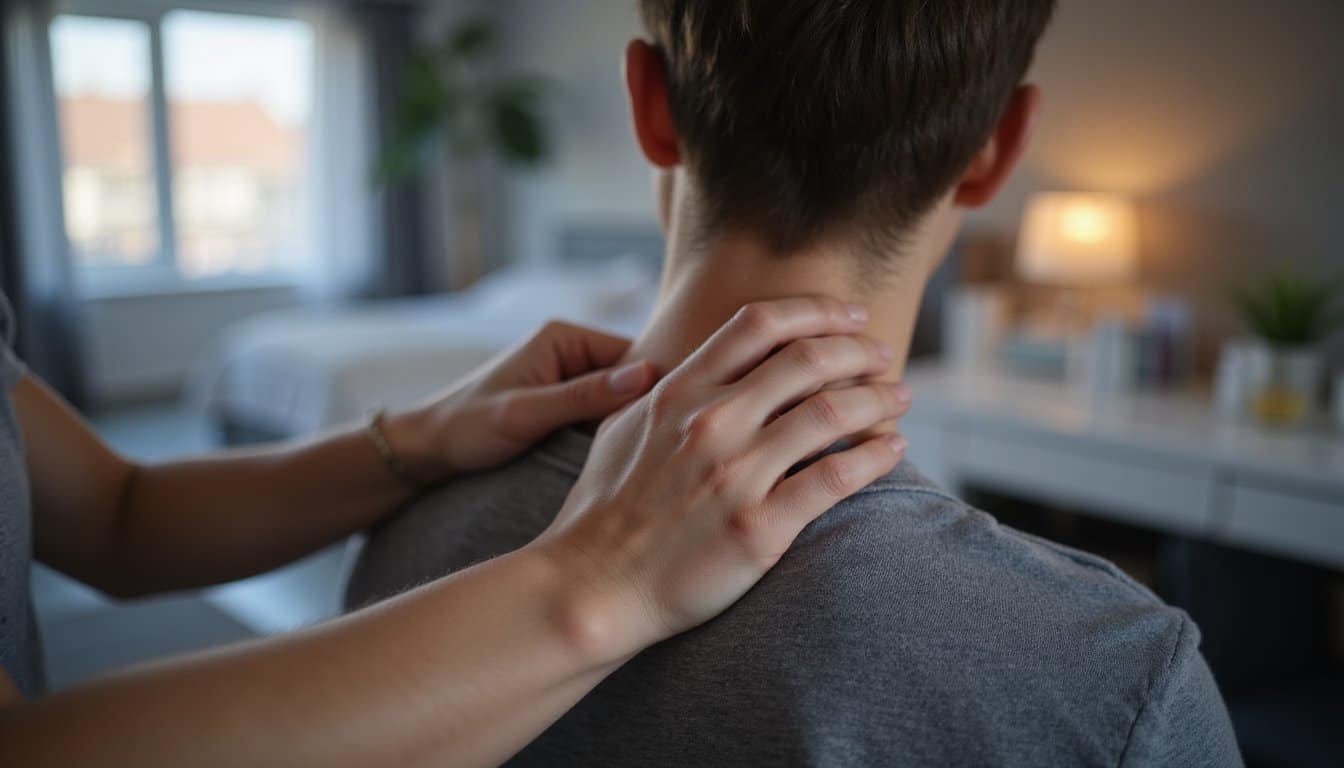
Five distinct mechanisms explain why alcohol leaves your entire body aching the morning after. First, alcohol triggers severe dehydration by suppressing antidiuretic hormone, forcing your kidneys to excrete up to four times the fluid you consume. This depletes water from muscles and joints, directly causing muscle soreness after drinking. The resulting electrolyte imbalances, especially losses of sodium, potassium, and magnesium, trigger painful muscle cramps and intensify soreness.
Second, your liver converts alcohol into acetaldehyde, a toxic compound that damages contractile proteins and sensitizes pain receptors. Third, alcohol disrupts your gut barrier, releasing pro-inflammatory cytokines that create widespread alcohol muscle aches throughout your body. This inflammatory response mirrors the same systemic reaction your body has during the flu, which is why your immune system releases inflammatory cytokines that cause similar aches and pains.
Fourth, poor sleep quality prevents overnight muscle repair. Fifth, calcium absorption disruption impairs muscle contraction mechanisms. When your muscles hurt after drinking, these five pathways work simultaneously, compounding the damage.
Quick Relief for Body Aches After Drinking
Understanding why alcohol causes widespread pain helps you target the right recovery strategies. When you experience muscle pain after alcohol consumption, your body needs rapid rehydration and electrolyte restoration. Drink 16-20 ounces of water immediately upon waking, then follow with electrolyte beverages containing sodium, potassium, and magnesium. Understanding why alcohol causes widespread pain helps you target the right recovery strategies. When you experience muscle pain after alcohol consumption, your body needs rapid rehydration and electrolyte restoration, one of the most effective ways to soothe hangover symptoms. Drink 16, 20 ounces of water immediately upon waking, then follow with electrolyte beverages containing sodium, potassium, and magnesium to support muscle function and reduce soreness.
| Strategy | Action | Benefit |
|---|---|---|
| Rehydration | 16-20 oz water upon waking | Restores fluid balance |
| Electrolytes | Coconut water or oral rehydration solutions | Relieves sore muscles after drinking |
| Movement | 20 minutes gentle walking or yoga | Promotes circulation |
For hangover muscle pain, combine hydration with anti-inflammatory foods like fatty fish and berries. Take ibuprofen if needed, but avoid acetaminophen due to liver risks. Light stretching for 5-15 minutes eases muscle guarding and accelerates recovery. Alcohol impairs protein synthesis for over 13 hours, limiting your muscles’ ability to repair and rebuild during the recovery period. Additionally, alcohol consumption triggers oxidative stress that produces free radicals, so consuming antioxidant-rich foods like dark chocolate, nuts, and green tea may help reduce these negative effects on your body.
How Dehydration Causes Muscle Soreness After Drinking
When you drink alcohol, your body loses fluid at an accelerated rate because alcohol inhibits vasopressin, the hormone that signals your kidneys to retain water. This diuretic effect depletes fluids essential for muscle hydration, while sodium, potassium, and magnesium exit through excessive urination.
These electrolyte imbalances directly impair muscle contraction and relaxation, triggering cramps and spasms. Your muscles lose intracellular fluid, causing stiffness and reduced blood flow. Decreased oxygen delivery heightens soreness and fatigue. Dehydration also disrupts calcium absorption, further compromising the muscle contraction and relaxation cycle.
Dehydration also amplifies alcohol-induced inflammation. Acetaldehyde, a toxic alcohol metabolite, triggers immune cytokines that cause systemic achiness. Elevated cortisol from dehydration induces additional muscle tension.
Recovery slows considerably as dehydration impairs lactic acid clearance and nutrient delivery. Disrupted sleep compounds the problem, preventing natural muscle restoration and prolonging soreness into the following days. For those struggling with chronic alcohol-related symptoms, expertly trained specialists at substance-use-disorder treatment centers can help address the underlying causes and support long-term recovery.
Lost Electrolytes and Post-Drinking Muscle Cramps
Although dehydration initiates much of the discomfort you feel after drinking, electrolyte depletion drives the muscle cramps and spasms that can persist for days. Alcohol blocks vasopressin release from your pituitary gland, triggering excessive urination that flushes out magnesium, potassium, calcium, and phosphate. These essential minerals found in every cell are involved in every metabolic process your body performs.
Magnesium loss proves particularly damaging. Nearly one-third of individuals with chronic alcohol use develop hypomagnesemia, which causes secondary potassium depletion and neuromuscular irritability. You’ll experience tremors, limb weakness, and persistent cramping as your muscles lose the electrolytes essential for proper contraction and relaxation. Hypomagnesemia is actually the most common electrolyte disturbance in individuals who chronically abuse alcohol.
Within 24 to 36 hours after drinking, phosphate levels drop precipitously. When combined with potassium deficiency, this creates conditions for rhabdomyolysis, severe muscle breakdown. Your kidneys’ reduced Na+ and K+-ATPase activity further impairs calcium reabsorption, compounding muscular dysfunction and prolonging recovery time.
Why Alcohol Gives You Flu-Like Muscle Pain
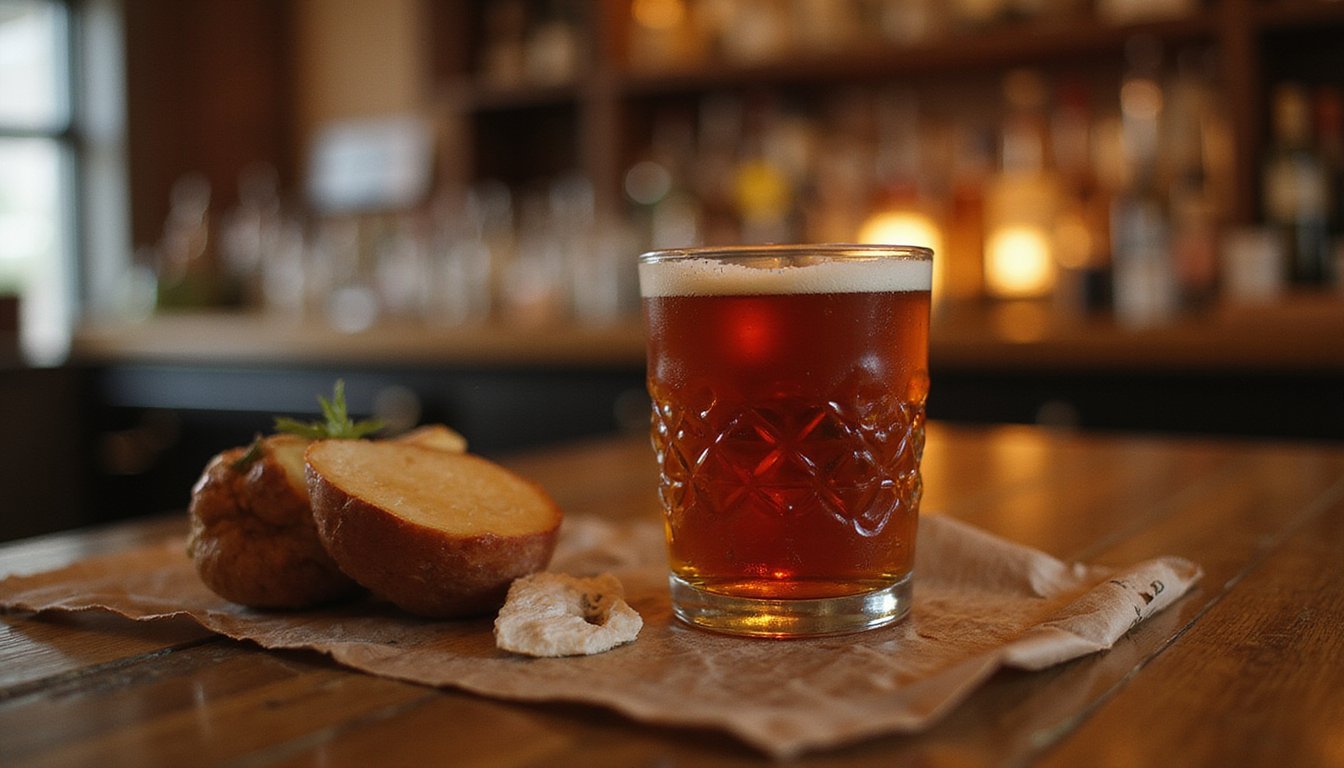
When you drink alcohol, your immune system releases inflammatory cytokines, the same chemical messengers your body produces when fighting an infection. This inflammatory response triggers widespread muscle aches that feel remarkably similar to flu symptoms, even though you’re not actually sick. The resulting body-wide inflammation affects your muscle tissue directly, causing soreness and stiffness that compounds the discomfort from dehydration and electrolyte loss. In cases of heavy drinking, type I muscle fibers are particularly vulnerable to alcohol-induced injury.
Cytokines Mimic Illness Symptoms
Because alcohol triggers the same inflammatory cascade your body uses to fight infections, the muscle aches you experience after drinking aren’t just discomfort, they’re a genuine immune response. Cytokines like IL-1β, TNF-α, and IL-6 surge after alcohol consumption, producing the same fatigue and soreness you’d feel fighting a virus.
Here’s the mechanism: alcohol-derived damage-associated molecular patterns (DAMPs) bind to toll-like receptors 3, 4, 7, and 9, activating your innate immune system. This triggers cytokine release that directly inflames muscle tissue. These cytokines also interact with nicotinic receptors, creating fatigue that mimics viral myalgia. Research confirms that muscle from alcohol-fed subjects shows a more robust cytokine response and prolonged oxidant stress compared to controls. Alcohol also upregulates NF-κB, a key inflammatory transcription factor that amplifies this immune signaling cascade in skeletal muscle.
The result is amplified soreness perception and prolonged recovery. Your muscles aren’t imagining the flu-like symptoms, they’re responding to a legitimate inflammatory assault that delays fiber regeneration and extends oxidant stress throughout your tissue.
Inflammation Triggers Body Aches
Beyond the cytokine cascade, alcohol triggers multiple inflammatory pathways that compound your muscle pain through direct tissue damage and impaired recovery mechanisms. Leg joint pain after drinking can signal underlying issues that may worsen with alcohol consumption. This discomfort often reflects the body’s inflammatory response, which can be exacerbated by the dehydrating effects of alcohol. Additionally, individuals with pre-existing joint conditions may find that their symptoms intensify following a night out, underscoring the importance of addressing hydration and overall health.
Chronic alcohol consumption generates reactive oxygen species in your skeletal muscle, disrupting glutathione peroxidase activity and triggering proinflammatory responses. This oxidative stress causes mitochondrial dysfunction, impairing energy production and contributing to muscle fiber breakdown.
Simultaneously, alcohol impairs protein synthesis through reduced mTOR activity while activating the ubiquitin-proteasome pathway, which accelerates muscle degradation. You’re experiencing both decreased repair capacity and increased tissue breakdown. Alcohol also downregulates key myogenic transcription factors like MyoD and myogenin, further compromising your muscles’ ability to repair and regenerate.
The damage can escalate quickly. Acute alcoholic myopathy develops within hours of binge drinking, causing muscle fiber necrosis. Clinical studies show 67% of rhabdomyolysis cases involve alcohol use, while Type II muscle fiber atrophy affects 33% of individuals with alcohol abuse history. This muscle damage occurs alongside alcohol’s effects on the gut, where it disrupts the intestinal barrier and allows harmful bacteria and toxins to enter the bloodstream, triggering systemic inflammation that worsens muscle pain throughout your body.
Lactic Acid: The Burn Without the Workout
When you drink alcohol, your body struggles to clear acidic byproducts efficiently, creating a metabolic environment similar to intense exercise, without any actual physical effort. Alcohol metabolism produces acetaldehyde and disrupts normal lactate clearance pathways, allowing hydrogen ions to accumulate and lower muscle pH. This acidosis triggers the same burning sensation you’d experience during a hard workout, even while you’re sitting still. However, research has shown that lactic acid is not related to the delayed-onset muscle soreness that many people experience in the days following heavy drinking.
Alcohol Disrupts Acid Clearance
Although you haven’t hit the gym, your muscles may still experience that familiar burn after a night of drinking, and lactic acid buildup is a key reason why.
Alcohol directly impairs your body’s ability to clear lactate from your bloodstream. Research shows this effect is dose-dependent, the more you drink, the greater the impairment.
Key mechanisms behind disrupted acid clearance include:
- Cori cycle inhibition reduces lactate uptake by your liver and kidneys
- Hepatic prioritization of ethanol metabolism limits lactate processing capacity
- Gluconeogenesis interference disrupts the conversion of lactate back to usable glucose
- Elevated blood alcohol content decreases clearance rates even hours after drinking
A 2016 study confirmed that elevated blood alcohol considerably decreases lactate clearance. This accumulation contributes directly to muscle fatigue and prolonged soreness post-drinking.
Soreness Without Physical Exertion
Your muscles can ache intensely after drinking, even if you haven’t moved from the couch. Alcohol disrupts your body’s metabolic pathways, causing lactic acid to accumulate without physical exertion. Your liver prioritizes eliminating alcohol over clearing metabolic byproducts, leaving lactic acid to pool in muscle tissue.
| Factor | Effect on Muscles |
|---|---|
| Alcohol metabolism | Diverts resources from lactic acid clearance |
| Chronic use | Alters baseline metabolic function |
| Acute consumption | Reduces serum lactic acid response |
| Inflammation | Amplifies soreness perception |
| Electrolyte loss | Impairs muscle recovery |
This metabolic shift mimics post-workout soreness despite zero physical activity. Heavy drinkers often experience this phantom burn in their legs, back, and shoulders. The proinflammatory milieu created by alcohol further intensifies skeletal muscle dysfunction, compounding discomfort.
When Muscle Pain After Drinking Means Something Serious
Most muscle soreness after drinking resolves within a day or two, but certain warning signs indicate you’re dealing with something far more dangerous than a typical hangover.
Acute alcoholic myopathy and rhabdomyolysis require immediate medical attention. Rhabdomyolysis accounts for 67% of nontraumatic cases in hospitalized patients, with alcohol as the primary contributor.
Seek emergency care if you experience:
- Cola-colored or dark urine indicating myoglobin release
- Severe muscle pain with visible swelling in your extremities
- Extreme weakness, particularly in muscles near your body’s midline
- Confusion or disorientation alongside muscle symptoms
These symptoms signal rapid muscle breakdown releasing dangerous proteins and electrolytes into your bloodstream. Without treatment, you risk acute kidney failure. Blood tests showing elevated creatine kinase levels confirm muscle injury severity.
How to Drink Without Waking Up Sore
Because alcohol disrupts multiple physiological systems simultaneously, preventing muscle soreness requires a multi-pronged approach that addresses hydration, inflammation, and electrolyte balance before damage occurs.
Start by drinking water alongside each alcoholic beverage to counteract its diuretic effects. Before bed, consume 16-20 ounces of water to offset overnight fluid loss. Pair this with electrolyte-rich options like coconut water or broths containing sodium, potassium, and magnesium.
Eat a nutrient-dense meal before drinking that includes fatty fish, leafy greens, or walnuts, foods rich in omega-3s and antioxidants that combat inflammatory cytokines. Prioritize protein and B vitamins to address alcohol-induced depletion.
The next morning, perform gentle stretching or light walking for 20 minutes to promote circulation. Avoid vigorous exercise, which can worsen symptoms and delay recovery.
Frequently Asked Questions
Can Certain Types of Alcohol Cause More Muscle Soreness Than Others?
No direct studies prove specific alcohol types cause worse muscle soreness than others. However, darker liquors like whiskey and bourbon contain more congeners, which may intensify inflammation and hangover symptoms. You’ll likely experience less discomfort with clear spirits like vodka or gin since they’re lower in congeners and sugar. Ultimately, your total ethanol intake matters most, limiting overall consumption proves more effective than switching beverage types for reducing muscle aches.
Does Mixing Alcohol With Caffeine Make Muscle Aches Worse the Next Day?
No direct studies confirm that mixing alcohol with caffeine worsens next-day muscle aches. However, you’re likely to experience indirect effects. Caffeine masks your intoxication, so you’ll drink more and increase alcohol’s inflammatory impact on muscle tissue. You’ll also risk greater dehydration and disrupted sleep, both key factors in muscle recovery. While caffeine alone can reduce soreness, combining it with alcohol undermines those benefits and potentially amplifies next-day discomfort.
Why Do My Muscles Hurt More After Drinking as I Get Older?
As you age, your body becomes more vulnerable to alcohol’s muscle-damaging effects. Alcohol suppresses mTOR pathways essential for muscle protein synthesis while increasing cortisol, which promotes muscle breakdown. Your NAD+ metabolism declines with age, amplifying oxidative stress and lipid peroxidation in muscle tissue. Type II fast-twitch fibers suffer selective atrophy, reducing power and recovery capacity. Combined with slower regeneration rates and increased tissue fibrosis, you’ll experience more pronounced soreness after drinking.
Can Taking Pain Relievers Before Drinking Prevent Muscle Soreness Afterward?
Taking pain relievers before drinking won’t reliably prevent muscle soreness afterward. There’s no strong evidence supporting preemptive NSAID use for this purpose, and it may actually interfere with your body’s natural inflammatory repair process. You’re also risking kidney stress when you combine NSAIDs with alcohol-induced dehydration. Instead, you’ll get better results by hydrating with electrolytes, eating anti-inflammatory foods, and taking NSAIDs only after symptoms appear if needed.
Does Drinking Alcohol After Exercise Cause More Severe Muscle Pain?
Yes, drinking alcohol after exercise can intensify muscle pain. When you consume alcohol post-workout, you suppress protein synthesis by up to 37% and reduce human growth hormone secretion, both critical for muscle repair. Alcohol also activates inflammatory pathways and inhibits mTOR signaling, delaying recovery. Combined with dehydration and electrolyte imbalances, these effects compound the micro-damage from training. You’ll experience prolonged soreness and potentially compromise long-term performance adaptations.