
Alcohol triggers body aches and pain through four distinct mechanisms. First, your liver converts alcohol into acetaldehyde, a toxic compound that directly damages muscle tissue. Second, alcohol’s diuretic effect depletes the fluids your joints and muscles need to function properly. Third, alcohol breaks down your gut barrier, allowing toxins to enter your bloodstream and spark systemic inflammation. Finally, electrolyte imbalances impair normal muscle contraction. Understanding each pathway can help you find targeted relief.
The Four Reasons Alcohol Makes Your Body Ache
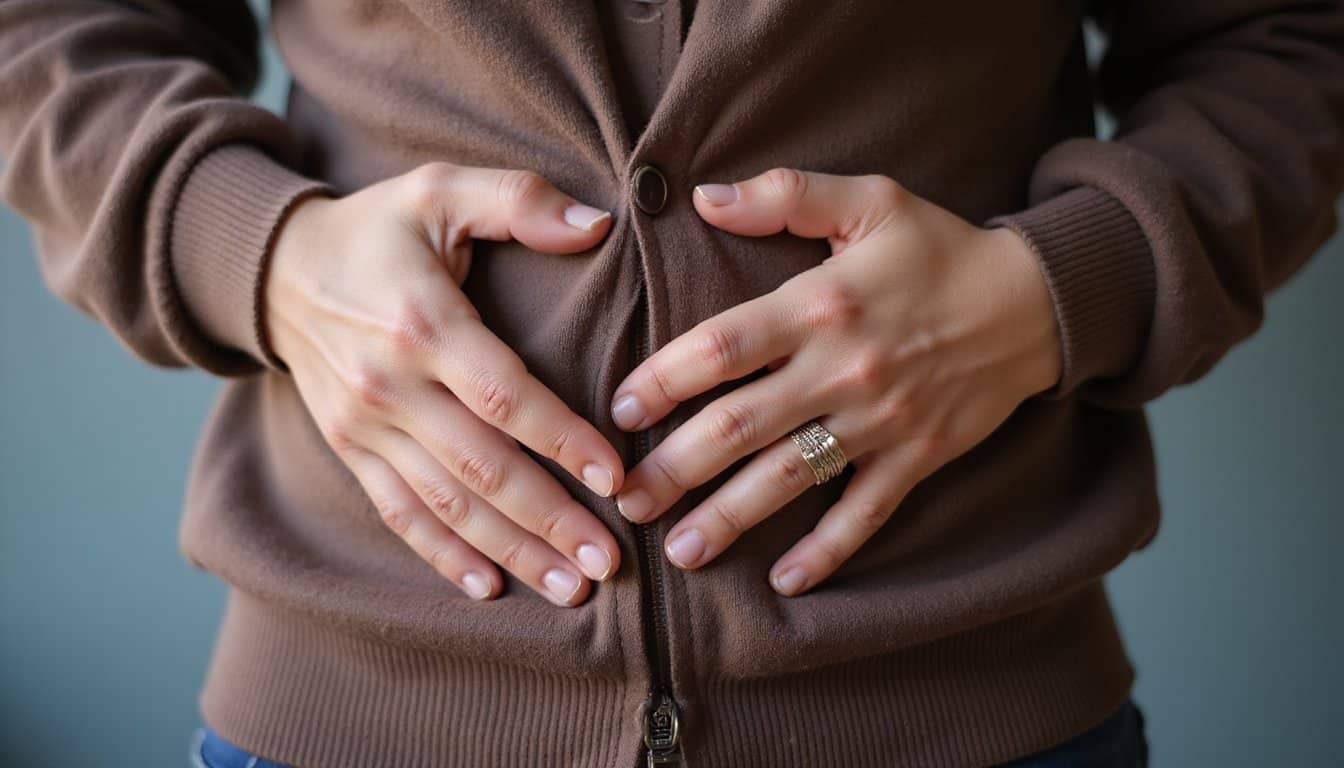
When your liver metabolizes alcohol, it produces acetaldehyde, a toxic compound that triggers your immune system to release inflammatory cytokines like MCP-1 and IL-6. These cytokines circulate throughout your body, creating flu-like aches and sensitizing pain receptors. Acetaldehyde also damages cells and generates reactive oxygen species, further amplifying the inflammatory response.
Alcohol also suppresses vasopressin, depleting potassium and magnesium. This electrolyte imbalance disrupts muscle function and nerve signaling, causing cramps and weakness.
Your body prioritizes eliminating alcohol over clearing lactic acid, allowing it to accumulate even without physical activity. This buildup produces soreness similar to post-exercise fatigue. The accumulated lactic acid specifically leads to muscle aches and soreness that can persist until your body fully processes the alcohol.
Finally, alcohol reduces human growth hormone secretion and disrupts restorative sleep cycles. Without proper overnight repair, your muscles experience oxidative stress and inflammation. Binge drinking can trigger acute myopathy, characterized by pain, swelling, and weakness, while chronic use affects up to one-third of heavy drinkers.
How Dehydration Drains Your Muscles and Joints
Beyond these direct metabolic effects, alcohol’s diuretic action compounds the damage by depleting the water your muscles and joints need to function properly. Your joint cartilage contains 70-80% water, and synovial fluid between your joints provides essential cushioning to prevent bone-on-bone contact. When you’re dehydrated, this lubrication fails, leaving your hips, knees, and shoulders achy and painful.
Dehydration also damages the cartilage itself, triggering an inflammatory response that intensifies joint pain. Without adequate hydration, your body cannot flush toxins effectively, allowing them to accumulate in muscle tissue and cause cramping and swelling.
Additionally, alcohol disrupts your electrolyte balance, which proves particularly harmful to muscle function. Proper electrolyte levels are essential for normal muscle contraction and relaxation, imbalances impair these processes and contribute to persistent cramping. Alcohol also interferes with the absorption of nutrients like calcium, vitamin D, and omega-3 fatty acids that are essential for joint and bone health, further compromising your body’s ability to maintain and repair joint tissue.
Acetaldehyde Buildup Makes Your Muscles Weak and Sore

As your liver metabolizes alcohol, it produces acetaldehyde, a toxic byproduct that directly damages muscle tissue before your body can break it down further. This compound forms harmful protein adducts in your muscles, triggering oxidative damage and impairing normal function.
Acetaldehyde disrupts your muscle cells’ ability to synthesize protein by reducing IGF-1 levels and blocking mTOR-mediated pathways essential for muscle repair. When you binge drink, this toxic buildup can cause acute alcoholic myopathy, sudden painful weakness accompanied by muscle cramps, tenderness, and elevated creatine kinase levels. This condition primarily affects proximal muscles like those in your shoulders and hips rather than your extremities. Acute alcoholic myopathy typically develops in malnourished chronic alcoholics following a binge or during the first days of alcohol withdrawal.
Your fast-twitch muscle fibers suffer the most damage. In severe cases, you may experience rhabdomyolysis, where muscle tissue breaks down rapidly. The good news: acute symptoms typically resolve within one to two weeks once you stop drinking and allow your body to clear the toxins.
Why Alcohol Triggers Inflammation and Body-Wide Pain
When you drink alcohol, it damages your gut lining and creates a “leaky gut” that allows toxic bacteria to escape into your bloodstream. Your liver normally helps clear these toxins, but alcohol impairs this function by sensitizing Kupffer cells, which amplifies the inflammatory response. Your immune system responds by releasing pro-inflammatory cytokines like TNF-α, IL-1, and IL-6, which circulate throughout your body and trigger widespread inflammation. These cytokines specifically target your joints, accelerating cartilage breakdown and causing the swelling, pain, and stiffness you feel the morning after drinking. This chronic inflammation can also damage organs and significantly delay your body’s ability to recover from tissue injuries.
Gut Barrier Breakdown
Your gut lining consists of a single layer of epithelial cells that acts as your body’s first line of defense against harmful substances, and alcohol directly damages this critical barrier.
When you drink, alcohol and its toxic metabolite acetaldehyde cause direct cellular injury, leading to mucosal erosions and cell death, particularly at the villi tips. Acetaldehyde also destabilizes tight junctions, the proteins that seal adjacent cells together, creating gaps in your intestinal wall.
This damage triggers a cascade of problems. Alcohol suppresses Paneth cells, reducing antimicrobial peptide secretion and allowing bacterial overgrowth. The resulting “leaky gut” permits bacterial products like lipopolysaccharides to enter your bloodstream. These endotoxins activate your immune system, triggering widespread inflammation that manifests as the body aches and pain you feel after drinking. The development of these alcohol-associated conditions is multifactorial, involving metabolic alteration, dysregulated immune response, and a perturbed intestinal host-environment interface. This intestinal inflammation then exacerbates organ damage throughout the body, creating a vicious cycle that amplifies your symptoms.
Cytokine Release Effects
Once bacterial endotoxins breach your damaged gut barrier, they trigger a cascade of immune signaling molecules called cytokines, and this inflammatory response explains much of the body-wide pain you experience after drinking.
Within hours of heavy drinking, your body releases IL-8, which recruits neutrophils and amplifies inflammation throughout your system. TNF-α and IL-6 levels rise as your liver processes alcohol, sending inflammatory signals that affect muscles and joints. While your body initially releases anti-inflammatory cytokines like IL-10 to counterbalance this response, the damage is already underway. Interestingly, research shows that acute alcohol consumption causes TNF-α to actually decrease at the six-hour mark, suggesting a complex temporal pattern in your body’s inflammatory response.
Alcohol-induced reactive oxygen species activate NF-κB, a transcription factor that extends inflammation beyond five hours. This sustained inflammatory state sensitizes pain receptors throughout your body, explaining why you wake up feeling achy and sore the morning after drinking. Research shows that IL-1Ra and MCP-1 levels change significantly over time following alcohol intoxication, indicating that the inflammatory response persists well beyond when alcohol has been eliminated from your system.
Joint Cartilage Destruction
Beyond the cytokine surge coursing through your bloodstream, alcohol launches a direct assault on your joint cartilage through multiple destructive pathways. When you drink heavily, your body activates catabolic signaling pathways including pPKCδ, pNF-κB, and pERK1/2 in your knee joints, triggering cartilage breakdown.
Alcohol elevates matrix-degrading enzymes like MMP-13 and ADAMTS-5, accelerating proteoglycan loss in your knees and shoulders. Simultaneously, it suppresses protective factors, SOX-9, TIMP-3, and HMGB2, that your chondrocytes need for repair and maintenance. Research shows that even low to moderate blood alcohol levels from chronic consumption can produce these damaging effects on joint tissue.
Reactive oxygen species generated by alcohol disturb cartilage homeostasis and induce cell death. Your body’s ability to form new cartilage diminishes as alcohol inhibits TGF-β signaling, impairing bone marrow cell differentiation into chondrocytes. This combination of increased destruction and reduced repair capacity explains why chronic drinkers experience progressive joint deterioration. Chronic alcohol use also interferes with calcium absorption, weakening the bones that support your already compromised joints.
Why Pain Feels Worse the Morning After Drinking
When you stop drinking, your brain’s glutamate system rebounds sharply, heightening your sensitivity to pain signals that felt muted the night before. This neurochemical shift coincides with peak dehydration, as hours of alcohol-induced fluid loss leave your muscles and joints starved for adequate circulation. You’ll notice the combination creates a perfect storm where aches that seemed manageable become markedly more pronounced by morning. Acetaldehyde and other toxins produced as your body metabolizes alcohol also contribute to widespread inflammation that intensifies these morning-after body aches.
Glutamate Rebound Intensifies Pain
The glutamate rebound effect plays a central role in why your body aches feel noticeably worse the morning after drinking. When you consume alcohol, it suppresses glutamate receptor activity in your brain, dampening your nervous system’s excitatory signals. Your brain compensates by upregulating glutamate receptors and increasing glutamate levels. This upregulation can lead to a rebound effect that manifests as increased sensitivity to pain, resulting in the experience of relieving body aches effectively. As your body works to restore balance, it can cause discomfort that lingers long after the alcohol has left your system. Understanding this process can help you manage those aches with better hydration and rest.
Once alcohol clears your system, those upregulated receptors activate simultaneously, creating heightened excitatory activity throughout your central and peripheral nervous systems. This rebound typically peaks the morning after drinking, precisely when hangover symptoms hit hardest.
The resulting neural hypersensitivity amplifies pain signals throughout your body. Sensations that might otherwise register as mild discomfort become noticeably more intense. With repeated heavy drinking, neuroplasticity causes overgrowth of your brain’s glutamate system, making this rebound effect increasingly pronounced with each episode.
Dehydration Peaks at Morning
Because alcohol acts as a potent diuretic by suppressing vasopressin release, your body continues losing fluids through increased urination even after you’ve stopped drinking. This diuresis persists as your blood alcohol concentration drops toward zero, maximizing dehydration by morning. Your kidneys struggle to retain fluids effectively, while electrolytes deplete alongside water during sleep.
Why morning dehydration intensifies your pain:
- You’ve spent 6-8 hours without fluid intake while losses continued
- Dark urine, headache, and thirst signal concentrated dehydration upon waking
- Drinking on an empty stomach accelerated absorption and overnight fluid loss
- Acetaldehyde metabolites activate brain thirst centers, sustaining discomfort for hours
Notably, research shows rehydration alone doesn’t eliminate hangover symptoms, dehydration and body aches occur as independent but co-occurring effects.
When One Night of Heavy Drinking Damages Muscle Tissue

Although most people associate hangovers with headaches and nausea, a single episode of heavy drinking can actually trigger acute alcoholic myopathy, a condition where alcohol directly damages your muscle tissue.
During a binge, ethanol and its metabolite acetaldehyde exert toxic effects on your muscles at the cellular level. This process inhibits protein synthesis, increases oxidative damage, and disrupts calcium absorption, all essential for muscle function.
You’ll notice painful muscle weakness, tenderness, and swelling, typically in muscles near your body’s midline. These symptoms develop within hours to days after heavy drinking. In severe cases, rhabdomyolysis occurs, releasing muscle-fiber contents into your bloodstream and potentially causing dark urine.
The good news: acute alcoholic myopathy typically resolves within one to two weeks once you stop drinking, unlike its chronic counterpart.
How Years of Drinking Lead to Nerve Pain
Nearly two-thirds of people with chronic alcohol abuse develop alcoholic polyneuropathy, a condition where years of heavy drinking gradually destroys peripheral nerves throughout your body. This damage occurs through multiple pathways that compound over time.
Chronic alcohol abuse silently destroys peripheral nerves in nearly two-thirds of heavy drinkers through multiple damaging pathways.
How alcohol damages your nerves:
- Oxidative stress generates free radicals that attack nerve tissue, depleting protective glutathione
- Ethanol and its metabolites directly impair axonal transport, preventing essential proteins from reaching nerve cells
- Thiamine deficiency disrupts your body’s ability to maintain healthy nerve function
- Spinal cord microglia activation triggers inflammatory cascades that sustain neuropathic pain
You’ll typically notice burning, tingling sensations in your feet first, symptoms patients describe as excruciating. Development takes months to years, but progression accelerates with continued drinking. Stopping alcohol consumption can slow or halt further nerve deterioration.
Which Alcohol Body Aches Mean You Need a Doctor?
Most alcohol-related body aches resolve within 24-48 hours, but certain warning signs point to serious medical conditions that require prompt attention.
Seek emergency care if you experience chest pain with shortness of breath or irregular heartbeat, as these indicate potential cardiac complications. Severe abdominal pain radiating to your back suggests pancreatitis and requires immediate evaluation.
Dark or cola-colored urine combined with muscle weakness signals rhabdomyolysis, a condition that can lead to kidney failure. You should also contact a doctor if you notice sudden confusion, difficulty walking, or persistent burning and numbness in your hands and feet, these symptoms indicate possible alcoholic neuropathy.
Don’t ignore joint pain with swelling that prevents weight-bearing, or muscle soreness that persists beyond 48 hours. Progressive weakness in your pelvis and shoulders warrants professional assessment.
Fast Ways to Relieve Alcohol-Related Body Pain
When your body aches after drinking, targeted interventions can accelerate recovery and reduce discomfort. Your body needs strategic support to counteract alcohol’s inflammatory and dehydrating effects.
- Rehydrate immediately, Drink 16-20 ounces of water upon waking, then sip electrolyte solutions containing sodium, potassium, and magnesium at 4-6 ounces hourly.
- Consume anti-inflammatory foods, Eat berries, salmon, and leafy greens to combat inflammatory cytokines released during alcohol metabolism.
- Engage in gentle movement, Perform 20 minutes of light walking or stretching to stimulate circulation and trigger anti-inflammatory responses without worsening dehydration.
- Use pain relievers cautiously, Take ibuprofen with food several hours after your last drink, avoiding NSAIDs if you have liver, kidney, or stomach conditions.
Prioritize rest to support your body’s natural healing processes.
Frequently Asked Questions
Does Mixing Different Types of Alcohol Make Body Aches Worse?
Mixing different types of alcohol doesn’t directly worsen body aches, but it can intensify your overall discomfort. When you combine drinks with varying congener levels, like switching between bourbon and vodka, you’re exposing your body to more toxic byproducts. Your liver processes alcohol at a fixed rate regardless of what you drink, so mixing often leads to consuming more total alcohol, which increases inflammation and dehydration that cause those painful symptoms.
Why Do Some People Experience Body Aches From Alcohol While Others Don’t?
Your body’s response to alcohol depends on several individual factors. Genetic variations in enzymes that process alcohol determine how quickly you clear toxic acetaldehyde from your system. If you metabolize it slowly, you’ll experience more muscle damage and inflammation. Pre-existing conditions like gout or arthritis amplify pain responses, while differences in electrolyte balance and hydration sensitivity affect cramping. Your consumption patterns and overall health status also influence whether you’ll experience aches.
Can Taking Painkillers Before Drinking Prevent Alcohol-Related Body Aches?
No, taking painkillers before drinking won’t prevent alcohol-related body aches. Painkillers can’t address the root causes, dehydration, acetaldehyde toxicity, and inflammatory responses that alcohol triggers in your body. They may temporarily mask symptoms but won’t stop the underlying damage to your muscles, joints, and nervous system. You’re better off focusing on hydration, electrolyte replenishment, and moderate consumption rather than relying on pharmaceutical symptom management.
Does Eating Food Before Drinking Reduce Muscle Soreness the Next Day?
Yes, eating before drinking can help reduce muscle soreness the next day. When you consume foods rich in protein, healthy fats, and fiber, like salmon, eggs, or avocados, you’ll slow alcohol absorption into your bloodstream. Foods containing omega-3 fatty acids combat inflammation, while potassium-rich options like bananas and sweet potatoes replenish electrolytes you’ve lost. This combination helps minimize dehydration and inflammatory responses that contribute to post-drinking muscle aches.
How Long Do Alcohol-Related Body Aches Typically Last After Drinking?
Alcohol-related body aches typically last 14-24 hours, peaking around 12-14 hours after your last drink. You’ll usually notice discomfort beginning 6-8 hours post-drinking as your blood alcohol drops. With proper rehydration, you can ease aches within 4-6 hours. However, if you’ve consumed excessive amounts, symptoms may extend to 48-72 hours. If your aches persist beyond 24 hours, you should monitor for dehydration or underlying issues requiring attention.