A meth pipe is commonly used to smoke methamphetamine and crystal meth, which are highly addictive stimulants. Meth pipes are typically made from glass, metal, or plastic. They can also be made from everyday items such as light bulbs, water bottles, and tin foil.
A meth pipe is commonly used to smoke methamphetamine and crystal meth, which are highly addictive stimulants. Meth pipes are typically made from glass, metal, or plastic, and discussions about drug paraphernalia often overlap with identification questions such as what does 3.5 grams of cocaine look like. They can also be made from everyday items such as light bulbs, water bottles, and tin foil.
People widely use these everyday products because they are affordable and convenient. These products provide a subtle and easy method for consumption, establishing their popularity among meth users.
They can be used at home, in the workplace, or on the go. They provide a convenient solution for those who want to enjoy their benefits without drawing too much attention.
Meth pipes are easy to use and easy to carry around. They are also a good option for those who prefer a more discreet way of consuming. They are also popular because they are affordable and practical.
What Are Meth Pipes?
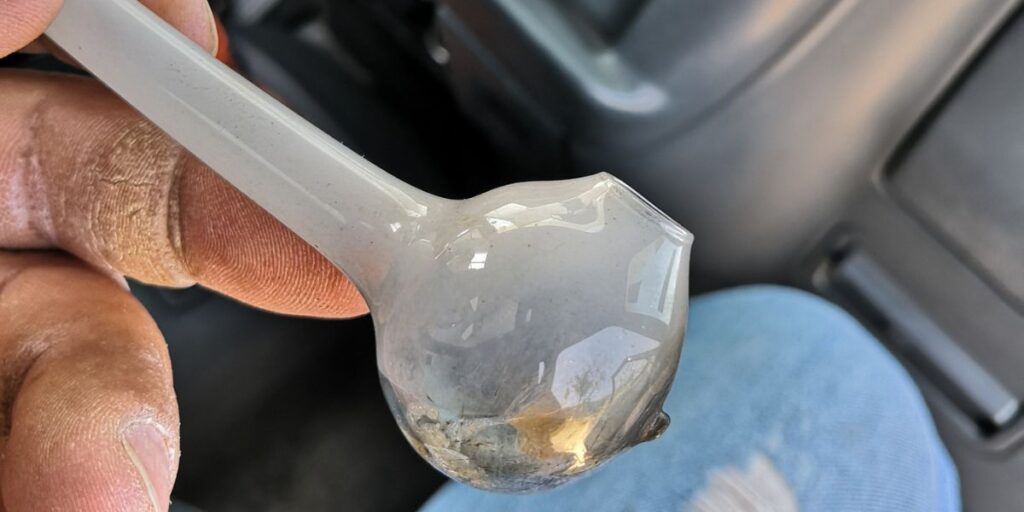
Methamphetamine, also known as meth, is a potent drug that affects the brain and can be addictive. People commonly use meth pipes to smoke the substance. It quickly provides a strong feeling of euphoria to users.
Methamphetamine, also known as meth, is a potent drug that affects the brain and can be highly addictive, leading some people to search for related information such as what is p2p meth. People commonly use meth pipes to smoke the substance, and it quickly produces an intense feeling of euphoria in users.
Many people like to smoke meth using a pipe. Although there are other ways to use the drug, such as injecting or snorting. The meth pipe allows for heating and inhaling the drug.
Many people like to smoke meth using a pipe, while others explore different methods of substance use, often searching online about topics like snort dmt. Although there are other ways to use the drug, such as injecting or snorting, the meth pipe allows for heating and inhaling the drug.
You can make a meth pipe from glass, light bulbs, plastic, metal, or other common items. Characteristically, it features a compact bowl for placing the drug. Users then apply heat to this bowl, facilitating vapor inhalation through the opposite end of the pipe.
Smoking crystal meth with a pipe is common in drug culture. It is a popular method of consuming the drug. However, numerous cities classify pipes as illegal drug paraphernalia.
What Does a Meth Pipe Look Like?
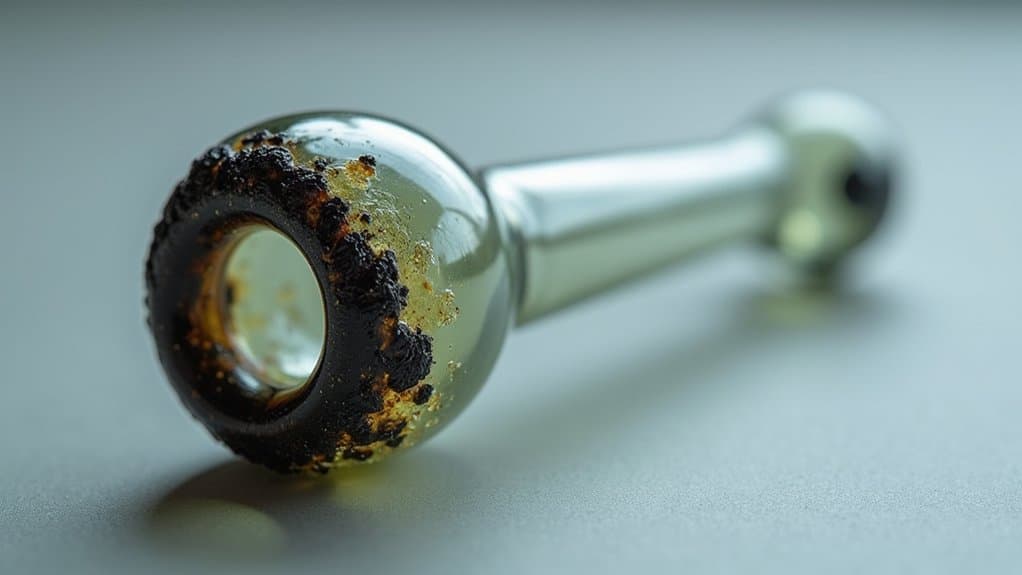
Understanding what a meth pipe looks like can help you identify potential drug use in someone you care about. Meth pipes typically feature a thin, cylindrical glass tube measuring 4-6 inches long with a distinctive round, bulbous end. This glass meth pipe design differs from other smoking paraphernalia through its sphere-shaped chamber that concentrates vapors. Some users attach mouthpieces to reduce the risk of burns to their lips when smoking.
When learning how meth pipes work, you’ll notice they’re made from heat-resistant glass, allowing users to see vapor inside. Signs of meth use on these pipes include black or brown scorch marks on the bulb’s underside and white or yellowish crystalline residue inside. Used pipes also emit a strong chemical odor resembling burnt plastic that can help identify recent drug activity.
Recognizing meth smoking paraphernalia is an important first step. These compact pipes are designed for portability and may be sold legally as “oil burners” or “glass roses” in some stores. Some individuals also create makeshift pipes from everyday household materials, which can expose users to toxic fumes and contaminants.
Street Names for Meth Pipes You Might Overhear
If you’re trying to identify whether someone you care about is using methamphetamine, knowing the common street names for meth pipes can help you recognize concerning conversations. Terms like “pookie,” “glass pipe,” and “ice pipe” are frequently used across the U.S., while regional variations such as “batu pipe” or “shabu pipe” may be more common in specific communities. Understanding this language gives you the awareness needed to intervene early and connect your loved one with appropriate support resources.
Common Slang Terms
When you’re trying to help someone struggling with meth addiction or working to understand the signs of use in your community, knowing the street terminology can prove essential. Glass pipes used for smoking methamphetamine go by numerous names, including “pookie,” “bubbler,” and “ice pipe.” You’ll also hear terms like “glass rose,” referring to decorative drug paraphernalia often sold in convenience stores.
Usage-related slang includes “hot rolling” for inhaling vapors and “tweaking” for the repetitive behaviors associated with meth use. Cultural nicknames like “Tina pipe” or “shabu pipe” reference specific meth variants.
Recognizing these terms helps you identify warning signs early. If you notice this language or discover suspicious items, consider reaching out to addiction specialists who can guide you toward appropriate intervention strategies.
Regional Name Variations
Street terminology for meth pipes varies remarkably across regions, communities, and cultural contexts. Understanding these terms can help you identify warning signs and connect individuals with substance abuse treatment more effectively.
| North America | Southeast Asia | LGBTQ+ Communities |
|---|---|---|
| Pookie, bubble | Shabu, batu | Tina, PNP |
| Oil burner | Yaba | Party and play |
| Jib, ice pipe | Super ice | Getting geared up |
You’ll encounter different names depending on your location. In Canada, terms like “jib” and “ice pipe” are common, while Filipino communities use “batu” for methamphetamine paraphernalia. Recognizing these variations helps you have informed conversations about recovery options.
If you’re supporting someone struggling with methamphetamine use, knowing this language creates opportunities for compassionate intervention and treatment referrals.
The Different Types of Meth Pipes
Meth pipes come in various styles and are made from different materials, sometimes using common items as replacements. This also includes crack pipes, which are typically associated with crack cocaine but are also used for meth consumption. The key differences between meth and crack pipes include their design and functionality. While meth pipes often have a more elongated shape with a bowl on one end, crack pipes are usually shorter and may feature a screen to prevent clogging.
Crack pipes are usually made of metal or glass. They typically have a straight tube with a bowl for holding the crack cocaine. The tube is straight and allows the user to inhale the smoke from heating crack cocaine. The bowl is where the crack cocaine is placed and heated.
Metal crack pipes are often preferred for their durability and ease of cleaning. In contrast, glass crack pipes are favored for their aesthetic appeal and ability to provide a smoother smoking experience. Crack pipes are made to help people smoke crack cocaine more easily. This is why they are popular among users of this highly addictive drug.
Glass Pipes
Many people who use meth prefer glass pipes because glass can withstand high heat without releasing harmful vapors. This is different from materials like aluminum, plastic, or light bulbs, which can release dangerous chemicals when exposed to heat.
A meth bubbler refers to a specialized glass pipe that incorporates water, and it’s frequently used for smoking cannabis. A meth bubbler is a type of meth pipe that uses water to cool and filter the smoke.
Meth bubblers are different from other meth pipes because the water helps make smoking methamphetamine smoother. It also helps reduce the harshness of the smoke.
Metal Pipes
Metal meth pipes are valued for their robustness, rendering them a favored option among methamphetamine users. In contrast to glass pipes, which are prone to breaking upon impact, metal pipes withstand damage far better.
However, a notable drawback of metal pipes is their propensity to become hot when used consistently. This issue can pose significant problems, frequently resulting in burns to the user’s lips or fingers.
The heat generated by the metal pipe can be intense, especially if the pipe is used for an extended period of time. Users must be cautious and mindful of the heat to avoid injury while using a metal meth pipe.
These pipes come in various sizes but are generally more compact, making them easier to conceal and carry. Their designs range from simple tubes to more intricate and elaborate forms.
Plastic Pipes
Choosing a plastic meth pipe is cheaper than glass or metal pipes for smoking meth. Yet, this choice carries inherent risks. Upon heating, plastic emits dangerous chemicals that can be toxic when inhaled. Moreover, plastic has a much lower melting point than metal or glass.
Plastic melts at a lower temperature than metal or glass. This means it is more likely to change shape when exposed to the high heat required to vaporize and consume meth.
Homemade Pipes or Makeshift Pipes
Homemade meth pipes represent improvised solutions crafted by individuals unable to obtain commercially produced pipes. You can make these DIY tools using common household items to vaporize and inhale methamphetamine. Such everyday objects or techniques adapted into makeshift meth pipes include:
- Bottles of water
- Sheets of aluminum foil
- Cans of soda
- Light bulbs
What Is Meth Paraphernalia?

A meth pipe stands as a single instance of the paraphernalia associated with meth use that you might come across. Drug paraphernalia describes any item, material, or tool expressly intended for the consumption or use of drugs. This includes but is not limited to pipes, syringes, weighing scales, and various implements often utilized for consuming or dispensing drugs. Specifically for methamphetamine, certain items like glass pipes, aluminum foil, lighters, and needles are commonly associated with its use.
Identifying and understanding the various forms of meth paraphernalia is critical to recognizing and overcoming methamphetamine use. When law enforcement, healthcare workers, and those worried can spot these items, they’re in a better position to intervene and offer help to those struggling with meth addiction. Moreover, knowing the signs and symptoms associated with methamphetamine consumption aids in the early identification and prevention of additional drug abuse.
Identifying and understanding the various forms of meth paraphernalia is critical to recognizing and overcoming methamphetamine use, especially as individuals often search online for phrases like ways to smoke meth without understanding the associated dangers. When law enforcement, healthcare workers, and concerned individuals can spot these items, they’re in a better position to intervene and offer help to those struggling with meth addiction. Moreover, knowing the signs and symptoms associated with methamphetamine consumption aids in early identification and prevention of further drug abuse.
Commonly acknowledged types of meth paraphernalia include:
- Small pouches and compact containers for storing or transporting meth
- Injection tools such as syringes and needles, which carry high risks of transmitting infections
- Snorting implements like straws or modified pens
- Utensils such as spoons and bottle lids are used for preparing meth for injection
Disguised Meth Pipes That Look Like Everyday Items
You may not realize that meth pipes are often sold disguised as glass roses in convenience stores or marketed as decorative oil diffusers and flower vases. These everyday-looking items allow drug paraphernalia to bypass legal restrictions and avoid detection by parents or law enforcement. Understanding how common household items can be converted into smoking devices helps you recognize warning signs and take supportive action when someone you care about may be struggling with substance use.
Glass Rose Disguises
Because methamphetamine paraphernalia often attracts legal attention, manufacturers have developed clever disguises to hide pipes in plain sight. You’ll find tiny fake roses sold in 4-inch glass tubes at convenience stores, marketed as “Sweetheart Roses” for about $1.99. These heat-resistant glass tubes can be converted into functional pipes by adding copper wool as a filter.
Recognizing meth addiction signs includes identifying these disguised items:
- Glass tubes with whitish or brownish residue inside
- Small “Aroma Lavender” tubes featuring bowl ends and fabric flowers
- Burn marks or discoloration on the bulb portion
If you’re supporting someone struggling with substance use, understanding these disguises helps you recognize warning signs early. Stores sell approximately five units daily, primarily at night, making awareness critical for families seeking intervention opportunities.
Everyday Household Conversions
Beyond commercially disguised products like glass roses, people struggling with meth addiction often turn to ordinary household items that won’t raise suspicion. You’ll find tinfoil folded into makeshift pipes, lightbulbs hollowed out as smoking chambers, and empty pens modified for inhalation. Soda cans with punctured holes and cardboard tubes lined with foil also serve as improvised devices.
These conversions carry significant dangers beyond meth’s devastating effects on your dopamine system. Heated aluminum releases toxic fumes, glass lightbulbs can shatter causing burns, and plastic components produce harmful off-gassing. Blackened surfaces, yellow waxy residue, and burn marks indicate use.
If you recognize these items in someone’s possession, approach the situation with compassion. Understanding these signs helps you support loved ones toward evidence-based treatment options and harm reduction resources.
What Burn Marks and Residue Tell You
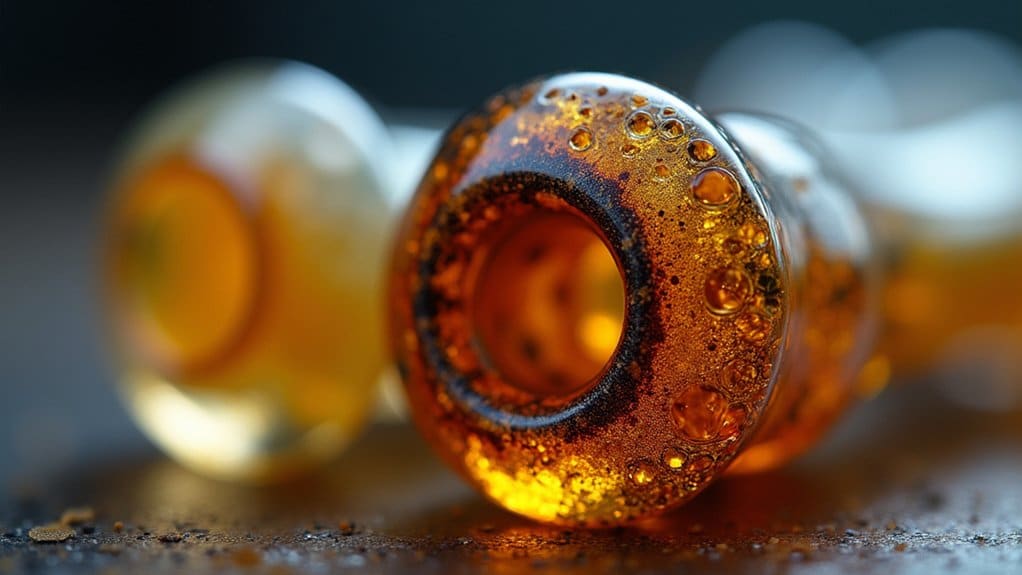
Examining a meth pipe closely can reveal telltale signs of use through distinctive burn marks and residue patterns. You’ll notice black or brown discoloration around the bulb where repeated lighter heating occurs. The Drug Enforcement Administration (DEA) identifies these markings as key indicators when investigating suspected paraphernalia.
Inside the pipe, you’ll find whitish, cloudy, or yellowish residue from vaporized methamphetamine. Crystallized shards may cling to inner surfaces, while a sticky amber film often coats the glass.
- Scorch marks near the heating area indicate direct flame exposure
- Frosted or hazy glass signals residue buildup from regular use
- Strong chemical odors emerge when the pipe retains methamphetamine traces
If you’ve identified these signs, consider reaching out to addiction specialists who can provide confidential support and treatment options.
Health Risks Specific to Meth Pipe Use
While identifying burn marks and residue helps recognize meth pipe use, understanding the serious health consequences matters even more. When you smoke methamphetamine through a pipe, you’re exposing your body to rapid drug absorption that makes overdose difficult to predict or prevent.
Your respiratory system takes immediate damage from toxic fumes released by heated pipe materials. Over time, you may develop pulmonary fibrosis or edema, conditions typically seen in elderly patients. Your cardiovascular system suffers too, with dangerous spikes in heart rate and blood pressure increasing your risk of heart attack and stroke.
Sharing pipes creates additional dangers. Burns and mouth sores provide direct pathways for hepatitis C and HIV transmission. If you’re using or supporting someone who uses, knowing these risks can motivate seeking treatment and harm reduction resources.
Signs of an Addiction to Meth
Smoking meth can cause severe dental problems called “meth mouth.” It can also lead to long-lasting physical and mental health problems, including:
- Loss of weight
- Ulcers in the mouth
- Lesions on the skin
- Elevated body heat
- Aggressive behavior
- Restlessness
- Mood swings
- Loss of memory
- Obsessive actions
- Ignoring responsibilities
- Paranoia and suspicion of people
- Isolation from social interactions
Identifying symptoms of methamphetamine dependency and meth addiction is crucial for seeking assistance because of its detrimental on health and interpersonal connections. Symptoms of smoking meth include weight loss, lung injury, dental issues, skin lesions, mood fluctuations, paranoia, and aggressive behavior. Recognizing these signs is essential to tackle the problem and find help.
There are treatments for meth addiction that have been proven by science. These treatments can help people overcome addiction and regain control of their lives. They involve talking to a therapist, taking medicine, and joining support groups.
Therapy, medication, and support groups are all ways to stop addiction. They can provide the tools and support to break free from harmful habits. Joining these groups can help individuals feel less alone in their struggle.
Opting to seek aid for meth addiction represents a courageous and significant move toward recovery. People can overcome addiction and begin a journey to a healthier life with the proper support and resources. This journey can lead to a more fulfilling life.
Meth Addiction Treatment at NATC
Overcoming your meth addiction presents considerable difficulties, yet there exists a compassionate, research-backed treatment facility. We create personalized treatment plans for each individual at Northridge Addiction Treatment Center. Our team is knowledgeable and empathetic, and the environment is peaceful and supportive.
Northridge Addiction Treatment Center offers empathetic, research-informed care for individuals grappling with substance abuse and mental health issues.
At NATC, our licensed and accredited team dedicates itself to one objective, treating addiction to give you a life free from addiction. Our inpatient treatment center provides multiple behavioral therapy modalities, including cognitive-behavioral therapy (CBT), twelve-step facilitation therapy (TSF), and a harm-reduction program.
Contact us today to connect with a compassionate treatment specialist. Begin a new life in peace with NATC.
Frequently Asked Questions
How Long Does Methamphetamine Stay Detectable in Your System After Smoking?
After smoking methamphetamine, detection times vary by test type. You’ll test positive in urine for 3-5 days, though heavy users may show results for up to a week. Blood and saliva tests detect it for about 24-48 hours. Hair follicle testing offers the longest window, up to 90 days. If you’re concerned about drug use, reaching out to a healthcare provider can help you explore treatment options and support resources.
Can You Tell if Someone Is Smoking Meth by Their Behavior?
Yes, you can often recognize behavioral signs of meth use. Watch for extreme hyperactivity, rapid speech, and inability to sit still. You might notice increased paranoia, aggression over minor issues, or sudden mood swings. Social withdrawal, neglecting responsibilities, and unusual secrecy are also common indicators. If you’re concerned about someone, approaching them with compassion rather than judgment creates a safer space for honest conversation and potential intervention.
Where Do People Typically Buy Meth Pipes?
You can find meth pipes at gas stations, convenience stores, bodegas, and smoke shops, typically priced between $3-8. In rural areas where retail access is limited, harm reduction organizations like syringe service programs often distribute pipes as part of their health services. These agencies can also connect you with additional support resources. If you’re concerned about someone’s use, reaching out to local harm reduction services is a practical first step.
What Treatment Options Are Available for Methamphetamine Addiction?
You have several effective treatment options available. Behavioral therapies like cognitive-behavioral therapy and contingency management show strong results, while the Matrix Model combines multiple approaches over 16 weeks for better outcomes. Though no FDA-approved medication exists specifically for meth addiction, naltrexone combined with bupropion shows promise in reducing cravings. Family involvement and peer support groups substantially improve your chances of long-term recovery. Professional treatment considerably increases success rates compared to quitting alone.
Is It Illegal to Possess a Meth Pipe Without Drugs?
Yes, possessing a meth pipe is illegal in most U.S. states, even without drugs present. You could face misdemeanor charges with penalties including fines, community service, or up to one year in jail depending on your state. If there’s residue on the pipe, you might face additional controlled substance charges. If you’re struggling with methamphetamine use, treatment options like behavioral therapy and support groups can help you toward recovery.