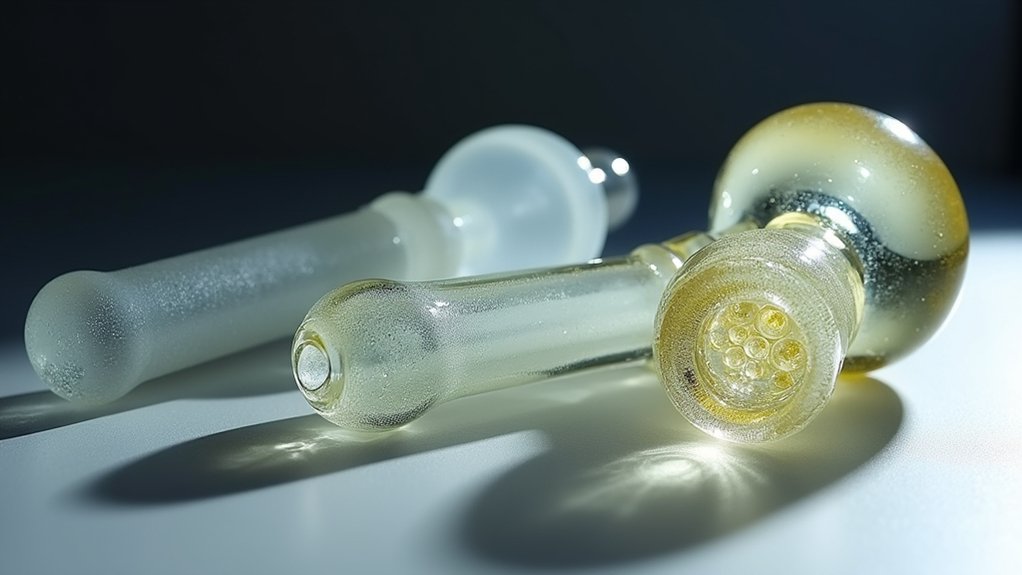
Understanding the meth pipe vs crack pipe vs weed pipe comes down to differences in shape, construction, and residue. Meth pipes are typically made of glass with a rounded bulb and a small opening for vaporizing crystals, often leaving behind a sticky amber film. Crack pipes are short, straight glass tubes fitted with metal mesh screens that develop dark, tar-like buildup from repeated use. Weed pipes usually feature an open bowl with a side carb hole and tend to collect ashy resin rather than melted residue. Recognizing these visual differences can help identify the substance involved and better understand the potential health risks.
How to Tell Meth, Crack, and Weed Pipes Apart at a Glance

Whether you’re a concerned parent, a harm reduction worker, or someone trying to understand what you’ve found, knowing the visual differences between drug pipes can provide important clarity.
When comparing a meth pipe vs crack pipe, look at the overall shape first. Meth pipes feature a rounded bulb at one end, while crack pipes are short, straight glass tubes without any bowl structure. The difference between crack pipe and meth pipe becomes clearer when you examine length, meth pipes typically measure 4, 6 inches with thin stems, whereas crack pipes run about 3, 4 inches.
Weed pipes stand apart with their distinct bowl and carb hole on the side. When examining a crack pipe vs meth pipe, you’ll also notice crack stems often contain metal mesh filters inside. Meth pipes often display sticky, amber or yellow film residue from smoking, which can help confirm what substance was being used. Crystal meth itself appears as shiny, bluish-white rocks or glass-like fragments, which may sometimes be found near the pipe.
Glass Bulbs, Straight Tubes, and Bowls: Key Design Differences
Beyond these quick visual cues, understanding the structural design of each pipe type reveals why they look so different in the first place.
Methamphetamine requires indirect heat, so glass bulb pipes feature an enclosed chamber with a tiny hole where vapor collects before you inhale. You’ll notice thin walls designed for quick, even heating. The round bowl design concentrates smoke in the chamber and prevents escape, maximizing the amount available for inhalation. Crack pipes use straight tubes, sometimes called a glass rose pipe, with open ends and metal screens to hold material in place while direct flame applies beneath. While brass screens are recommended by harm reduction programs, surveys show that 98.4% of crack smokers prefer using Brillo® steel wool despite associated health risks like oral injuries and inhaled fragments.
Weed pipes differ entirely among drug smoking devices. They feature open bowls with depth to hold plant matter and often include a side carb hole for airflow control. Each design reflects how the substance responds to heat, making identification straightforward once you understand these functional differences.
What Each Pipe Is Made to Smoke: Crystal, Rock, or Flower
Each pipe type exists because the substance it’s designed for behaves differently under heat. When you understand what each device is meant to vaporize or burn, you’ll recognize why their designs vary so much.
- Meth pipe, Built for crystalline methamphetamine (“ice” or “shards”) that melts, vaporizes, and re-solidifies inside a bulb without direct flame contact. Meth pipes are thin, cylindrical glass tubes with a round, bulbous end that allows for vaporization without combustion.
- Crack pipe, Designed for freebase cocaine rocks that burn rapidly when heated directly, typically held in place by steel wool at the stem’s end.
- Weed pipe, Made for dried cannabis flower that’s ground and packed loosely into a bowl for direct combustion.
These differences explain why residue varies too, meth leaves waxy, yellowish film, crack produces dark tar-like buildup, and weed creates ashy debris with sticky resin.
Direct Flame or Indirect Heat: How Each Pipe Gets Used
The way heat reaches the substance inside a pipe creates one of the clearest differences between these three devices. With a meth pipe, you’ll notice the flame never touches the drug directly. Instead, heat is applied underneath the glass bulb, causing crystals to melt and vaporize without burning. This method allows for rapid onset and intense effects as the vapor enters directly into the lungs. The glass used in meth pipes is specifically designed to handle extreme temperatures during repeated heating sessions.
A crack pipe works differently. The flame contacts the rock or metal filter directly, creating rapid combustion with minimal temperature control. This direct approach produces harsher smoke and requires short, repeated bursts of heat.
When using a weed pipe, you apply flame straight to the plant material, igniting it completely. This drug consumption method relies on full combustion rather than vaporization, producing smoke with visible ash as the flower burns down.
Burn Marks and Residue That Reveal Which Pipe It Is
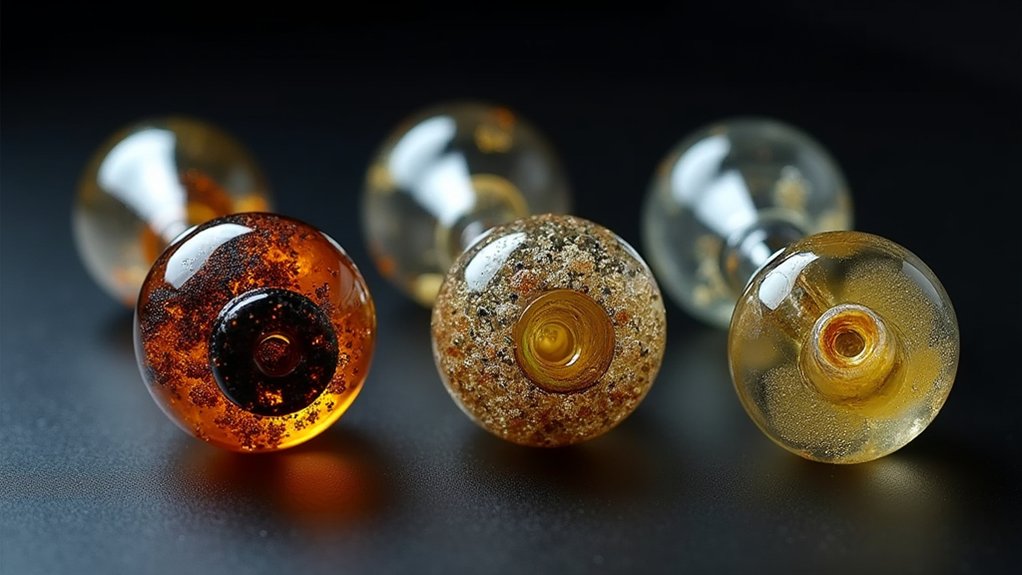
When you’re trying to identify what type of pipe you’ve found, the burn marks and residue left behind often tell the clearest story. Meth pipes typically show a concentrated black scorch spot under the bowl with a yellow to amber sticky film inside the glass, a pattern that’s distinctly different from other substances. You may also notice white, brown, or yellow residue coating the interior surface, which is a telltale sign of meth use. Crack pipes, by contrast, display heavier black soot coating the inside of the stem, often with a char-like deposit that flakes or smears like charcoal rather than the waxy residue you’d see with meth. It’s worth noting that crack pipes lack a bowl since crack cocaine is smoked using a different method than methamphetamine.
Meth Pipe Residue Patterns
Because meth vaporizes rather than burns directly, the residue it leaves behind looks quite different from what you’d find in pipes used for other substances. Understanding meth pipe residue color & texture can help you recognize what you’re looking at. Because meth vaporizes rather than burns directly, the residue it leaves behind looks quite different from what you’d find in pipes used for other substances. Understanding meth pipe terminology, along with meth pipe residue color & texture, can help you recognize what you’re looking at.
The residue typically appears as a tacky, sticky film rather than dry ash. You’ll notice:
- Yellow, amber, or brown discoloration coating the inside of the glass bulb
- Crystalline crusts forming near the bowl opening where vapor condenses
- Streaks or drip lines running along the inner surface from liquefied material
With repeated use, you’ll see the residue darken progressively from a faint yellow haze to brown or black patches. The texture often feels waxy or oily, distinguishing it from the powdery, carbonized residue found in crack pipes. You may also detect a chemical or burnt plastic odor emanating from the pipe, which is another telltale sign of meth use. These residue patterns are especially visible in meth pipes because they feature a distinctive round glass bulb designed specifically for vaporizing the substance.
Crack Pipe Burn Signs
Spotting the difference between a crack pipe and other smoking devices often comes down to examining burn patterns and residue. When you’re looking at a crack pipe, you’ll notice heavy black or dark brown charring concentrated where the flame repeatedly contacts the glass. This creates a distinctive soot ring around the heating zone.
Inside, crack cocaine leaves a sticky, resinous buildup that appears dark brown to black. You might see uneven blobs or streaks where the substance has melted, condensed, and re-hardened. Yellowish residue often mixes with darker deposits, especially near any steel wool filter. The pipe typically features a chore boy or steel wool insert inside the straight tube design that catches and holds the crack for heating.
The mouthpiece typically shows heat discoloration and a thin soot ring inside the opening. You’ll also find oily residue and soot smudges where fingers grip the tube during use. The residue often carries a burnt plastic or chemical smell that lingers on the glass and surrounding area.
Common Paraphernalia Found With Each Pipe Type
Each pipe type tends to appear alongside a distinct set of accessories and tools that reflect how the substance is prepared, consumed, and stored.
When you’re trying to understand what you’ve found, recognizing these items can provide important context. Many paraphernalia items are actually common household items that have been modified to aid in drug consumption.
Understanding the context behind what you’ve discovered is the first step toward having a meaningful, informed conversation.
- Meth pipe paraphernalia often includes torch lighters, tinfoil with burn marks, small baggies with crystalline residue, and hollow tubes for inhalation.
- Crack pipe paraphernalia typically involves steel wool or Brillo pads used as filters, small butane lighters, and glass stems with blackened ends.
- Weed pipe paraphernalia commonly includes grinders, rolling papers, hemp wick, and cleaning supplies like pipe cleaners and isopropyl alcohol.
If you’ve discovered these items belonging to someone you care about, remember that substance use often stems from complex factors. Approaching the situation with compassion can open doors to meaningful conversation.
Health Risks Linked to Meth, Crack, and Weed Pipes
When you use a pipe to smoke meth, crack, or weed, you’re exposing your lungs to heated substances that can cause lasting respiratory damage, though the severity varies considerably between these drugs. Meth and crack pipes deliver extremely hot vapor that burns airways and contributes to chronic bronchitis, while weed pipes produce cooler smoke that’s less thermally damaging but still irritates your respiratory system over time. Beyond lung health, the addiction potential differs dramatically: meth and crack create intense, rapid highs that drive compulsive use patterns, while cannabis carries a lower but still real risk of developing cannabis use disorder.
Respiratory Damage Comparison
Because meth, crack, and weed pipes each deliver substances differently, they create distinct respiratory risks you should understand.
Meth pipe use exposes your lungs to high-temperature vapors and chemical irritants, causing breathing problems and potential thermal injury to your airways. the impact of meth pipes on addiction can also be profound, as the use of such devices not only facilitates substance intake but can also skew perceptions of risk and reward. Consequently, individuals may find themselves trapped in a cycle of dependence, where the immediate satisfaction overrides long-term health concerns.
Crack pipe smoking carries the highest acute risk, potentially triggering “crack lung”, a serious condition involving alveolar damage, hemorrhage, and severe respiratory distress.
Weed pipe combustion produces tar and particulates that irritate your airways, increasing chronic bronchitis symptoms over time.
Here’s how the damage compares:
- Meth pipes: Hot vapor inhalation causes chemical irritation and chronic breathing issues
- Crack pipes: Direct combustion creates acute lung injury and bronchospasm
- Weed pipes: Smoke exposure leads to persistent cough, wheeze, and airway inflammation
Addiction Potential Differences
Although meth, crack, and weed pipes all deliver substances through inhalation, they carry vastly different addiction risks based on how each drug affects your brain’s reward system.
When comparing meth vs crack pipe use, both deliver drugs rapidly to your brain, creating intense dopamine surges that drive compulsive patterns. Crack produces short 5, 10 minute highs, pushing you toward repeated dosing. Meth fuels extended binges lasting hours or days, entrenching dependence quickly.
Understanding what is a crack pipe or what do crack pipes look like matters less than recognizing their addiction liability. Whether you’re examining a crack vs meth pipe, both rank among the most addictive substances. Can you smoke crack out of a meth pipe? Regardless of device, stimulant smoking carries severe addiction risk. Cannabis pipes present considerably lower dependence potential.
How Police Identify Drug Pipes Under Paraphernalia Laws
Law enforcement officers rely on a combination of physical evidence and surrounding circumstances to determine whether a pipe qualifies as drug paraphernalia under federal and state laws. When comparing a weed pipe vs meth pipe, officers look for specific indicators that suggest illegal drug use.
Key factors authorities consider include:
- Residue and burn patterns, Crystalline residue in glass tubes suggests meth use, while blackened bowls may indicate crack or cannabis.
- Associated items, Steel wool, Brillo pads, or small screens found nearby strengthen paraphernalia classification.
- Context and location, Where you’re found and what’s around you influences how officers interpret the pipe’s purpose.
It’s important to understand that the same pipe can be legal or illegal depending on these surrounding circumstances and evidence of intended use.
Frequently Asked Questions
Can a Meth Pipe Be Converted Into a Crack Pipe or Vice Versa?
You can technically try to convert one into the other, but it’s not practical or safe. A meth pipe’s bulb design doesn’t hold crack screens properly, leading to uneven burning and wasted product. A crack pipe’s straight stem won’t vaporize meth correctly, it’ll burn instead, reducing potency and increasing harsh smoke. Improvised conversions also raise your risk of glass breakage and burns. You’re better off using the pipe designed for each substance.
How Long Does Drug Residue Remain Detectable Inside Used Pipes?
Drug residue inside pipes can remain detectable for months or even indefinitely if you don’t clean them. Unlike biological tests, where substances clear your system in days, residue on glass or metal surfaces doesn’t break down naturally. Modern forensic methods can detect trace amounts long after your last use. The only things that reduce detectability are thorough cleaning, scraping, or continued heating that burns off the film.
Are There Legal Pipes That Look Identical to Meth or Crack Pipes?
Yes, you can find legal pipes that look virtually identical to meth or crack pipes. Glass tubes sold as “oil burners,” “incense burners,” or “rose tubes” at convenience stores often share the same design. One-hitters and chillums marketed for tobacco can also look remarkably similar. What determines legality isn’t appearance, it’s intended use, context, and whether there’s drug residue. A pipe’s legal status depends on how it’s being used, not how it looks.
Do Pipe Materials Affect the Potency or Absorption of Smoked Drugs?
Yes, pipe materials can affect how much drug you actually absorb. Smooth, heat-resistant glass minimizes drug loss by preventing absorption into the device and allowing controlled vaporization. Improvised pipes made from cans, plastic, or light bulbs often overheat substances, destroying some of the active drug while releasing toxic fumes. The biggest factor isn’t the material itself, it’s whether the pipe allows even heating without combustion, which preserves more of the substance.
Why Do Some Users Prefer Homemade Pipes Over Commercially Available Ones?
You might choose homemade pipes because they’re cheaper, easier to access, and less likely to attract legal attention. Commercial pipes can be illegal to buy or possess in some areas, so crafting one from household items helps you avoid paraphernalia charges. Homemade devices also look like everyday objects, offering more discretion. Additionally, you can customize them to your preferences, adjusting airflow or bowl size to suit your needs.