Meth pipe slang, street names are often used to disguise drug-related conversations in texts and everyday language. Common terms include “pookie,” “bubble,” “tweak pipe,” and “ice pipe,” which refer to the glass pipes typically used to smoke methamphetamine. Retailers may also market these items as “oil burners” or scented-oil diffusers to avoid scrutiny. Other coded names, such as “glass rose” or “Tina pipe,” may appear in online listings or casual discussions. Recognizing this language is important for identifying concealed substance use early, particularly given that an estimated 1.8 million people were living with meth use disorder in 2022. Awareness of these terms, along with physical signs of paraphernalia, can help prevent problems from escalating.
Why Parents and Providers Need to Know Meth Pipe Slang
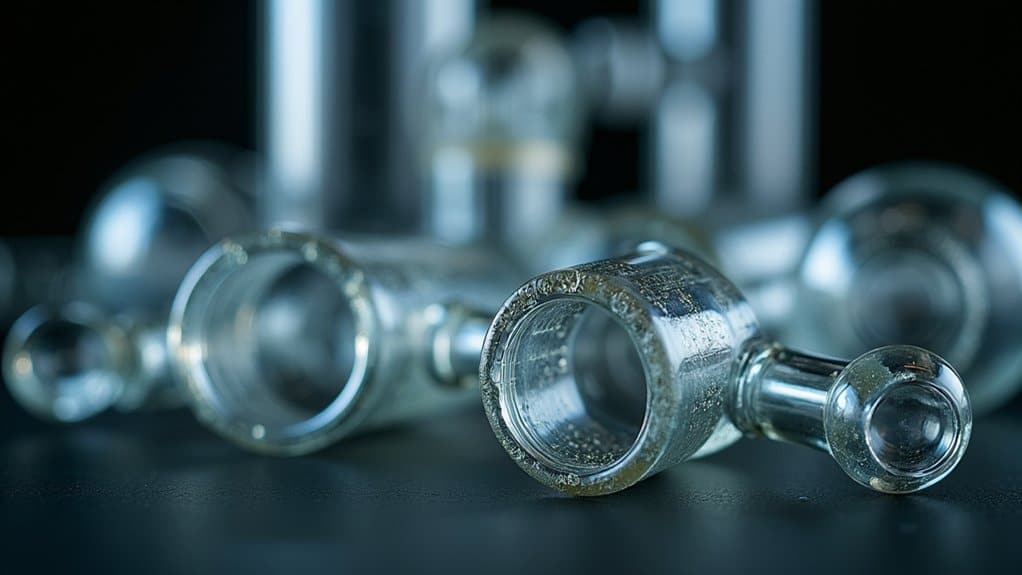
Understanding meth pipe slang isn’t just about vocabulary, it’s a critical skill for detecting hidden substance use before it escalates. When adolescents or patients reference “bubbles,” “glass roses,” or “whistles,” they’re often using coded language designed to evade detection by parents, clinicians, and law enforcement.
In 2022, 1.8 million people aged 12 and older had meth use disorder, highlighting the urgent need for early identification. You can’t intervene if you don’t recognize the warning signs. Meth pipe slang frequently appears in texts, social media posts, and casual conversations, contexts where explicit drug terms are deliberately avoided. Parents should also be alert to household items being repurposed as drug paraphernalia, since makeshift meth pipes can be fashioned from lightbulbs, empty pens, or tinfoil.
Familiarity with harm reduction language and substance use disorder terminology enables you to ask better screening questions, interpret digital communications accurately, and initiate timely interventions before legal or medical consequences occur. Be aware that drug paraphernalia like glass pipes and love roses are commonly sold at convenience stores and head shops, making them easily accessible to young people.
Pookie, Glass Pipe, Oil Burner: Common Meth Pipe Names
Street names for meth pipes shift constantly, but a few terms have remained remarkably consistent across regions and decades. “Pookie” stands as perhaps the most widely recognized slang term for the distinctive glass pipe used to vaporize crystal methamphetamine. You’ll also encounter “pookie pipe,” “bubble,” “tweak pipe,” and “ice pipe” used interchangeably.
The standard glass pipe features a thin cylindrical tube with a spherical bulb designed to withstand intense heat. Users rotate the bulb over a flame, melting then vaporizing the crystals inside. After repeated use, pipes display telltale burn marks and yellowish, waxy residue that indicate methamphetamine consumption.
Retailers often disguise these devices using the term “oil burner,” marketing them as scented-oil diffusers. The design remains identical: a glass tube with a round bulb and small opening. Law enforcement and treatment professionals recognize this euphemism as a common indicator of meth paraphernalia in smoke shops. Other common slang terms include “glass rose” and “fits,” which are part of the coded language used to disguise substance-related conversations.
Slang for Smoking Meth and Using a Pipe
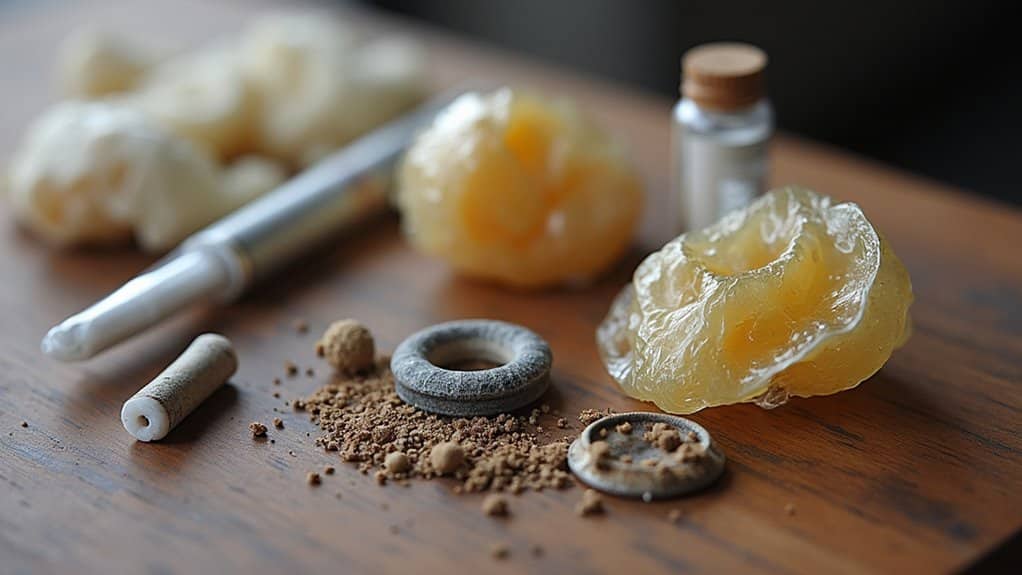
A tweak pipe session often leads to being “spun out” or “tweaking”, states of intense stimulation following prolonged use. The tina pipe, another common reference, appears in “party and play” contexts where smoking accompanies extended social gatherings.
You’ll also hear “getting fried” or “foiled,” describing improvised smoking methods. Terms like “zooming” and “speeding” indicate active intoxication, while “ramping” suggests escalating consumption patterns through repeated pipe use. A pookie is one of the most common street terms used to describe the small glass pipe specifically designed for smoking meth.
What Meth Pipes and Paraphernalia Actually Look Like
You can identify a standard meth pipe by its distinctive glass bulb attached to a straight stem, with the bulb featuring a small hole on top for loading the substance. When examining suspected paraphernalia, look for telltale signs of use: blackened or scorched areas on the bulb’s exterior, yellowish waxy residue inside, and white crystalline film where vapor has recrystallized. You’ll often find these pipes alongside small torches, lighters, tiny baggies, or crystal-like shards that resemble glass fragments or coarse salt. Homemade versions crafted from light bulbs or aluminum cans are particularly concerning, as they are unstable and dangerous to use. Some users also employ water pipes or bongs to smoke meth, which can be easier to conceal among regular household items.
Glass Pipe Design Features
Most meth pipes share a distinctive design that’s immediately recognizable once you know what to look for. The standard glass pipe consists of a thin cylindrical stem measuring 4, 6 inches with a spherical bulb at one end. This bulb features a small opening on top where crystals are placed and heated. Unlike other paraphernalia, the meth pipe’s round bowl differentiates it from cannabis pipes or crack pipes. This bulb design allows users to heat the meth and inhale the resulting vapor directly into their lungs for rapid absorption.
| Feature | Description |
|---|---|
| Length | 4, 6 inches |
| Material | Heat-resistant glass |
| Bulb shape | Spherical with top hole |
| Common colors | Clear, blue, or green |
| Disguise marketing | “Oil burners” or diffusers |
You’ll notice these pipes are constructed from thin, heat-resistant glass that withstands direct flame contact during vaporization. The presence of these glass pipes alongside items like burnt spoons or aluminum foil can serve as indicators of meth use in a household or personal space. Other common types of meth pipes materials include metal and ceramic, each offering different advantages in terms of durability and heat resistance. Users may choose metal pipes for their sturdiness, while ceramic pipes can provide a unique aesthetic appeal.
Common Paraphernalia Warning Signs
When identifying meth paraphernalia, physical evidence tells a clearer story than the objects themselves. You’ll notice blackened or discolored pipe ends from repeated flame exposure, particularly around the bulb area. White, yellow, or brown crystalline residue inside glass tubes confirms use regardless of what meth pipe names circulate locally. Understanding the differences between meth and crack pipes is important, as their construction often signals the substance being used. Meth pipes are usually glass with a bulbous tip, while crack pipes tend to be shorter and may be made from metal or plastic. Recognizing these differences helps with more accurate identification and better-informed intervention strategies.
Look for companion items: torch lighters with blackened tips, small plastic baggies containing crystalline residue, and tinfoil squares with scorch marks. When you’re determining what is a meth pipe called in different contexts, the physical indicators remain consistent even as slang shifts. The residue found in these baggies typically appears shinier than other illicit drugs like heroin or cocaine.
Improvised devices also carry telltale signs. Light bulbs with removed filaments, punctured soda cans, and hollowed pens all display burn marks and residue. Understanding what do you call a meth pipe matters less than recognizing these unmistakable warning signs.
Where People Hide Meth Pipes at Home
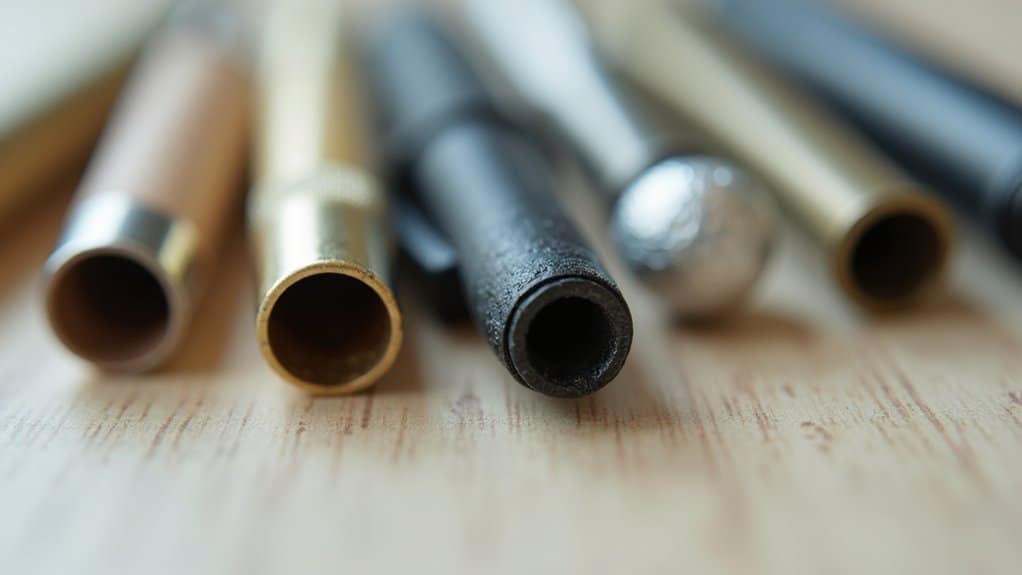
Meth pipes and related paraphernalia are frequently concealed throughout homes in locations designed to evade detection by family members, roommates, or authorities. You’ll often find these items hidden under mattresses and bedding, inside box springs, or within slits cut into mattress sides. Furniture undersides serve as common concealment points, with pipes taped beneath dresser drawers, chairs, or tucked into gaps under couch cushions.
Bathrooms provide numerous hiding opportunities. Check inside toilet tanks, behind vent covers, and within household product containers like empty deodorant sticks or shampoo bottles. Everyday objects frequently serve dual purposes, fake soda cans, hollowed-out books, and commercial stash products disguised as ordinary items. Structural features including electrical outlet plates, HVAC vents, and wall cavities behind posters also warrant inspection during searches. Clothing items with special compartment belt buckles, deep pockets, or interior jacket pockets also serve as hiding spots within bedroom closets and wardrobes. Additionally, video game consoles and controllers contain hollow spaces that can easily conceal meth pipes and other drug paraphernalia.
Physical Warning Signs of Meth Pipe Use
Although slang terms help identify drug paraphernalia through conversation, physical signs on a person’s body often provide the most direct evidence of meth pipe use. When someone regularly uses a crank pipe, distinctive markers appear that you can’t easily hide or explain away.
Look for burns, blisters, or darkened skin around the lips and mouth corners from repeated contact with hot glass. Fingertips often show yellow or brown discoloration, callouses, and small circular scars where the pipe is held. Recognizing meth pipe street names matters, but these physical indicators tell a clearer story.
Chronic users display “meth mouth”, rapid tooth decay, cracked lips, and facial sores. Respiratory symptoms like persistent coughing accompany methamphetamine paraphernalia use. You’ll also notice dilated pupils, dramatic weight loss, and premature facial aging. Beyond the face, examine arms and other areas of the body for track marks and skin sores that indicate ongoing substance abuse.
Frequently Asked Questions
Can Meth Pipes Be Purchased Legally at Convenience Stores or Smoke Shops?
You can sometimes find glass pipes at convenience stores or smoke shops marketed as “tobacco pipes” or “oil burners,” but this doesn’t make them legal for meth use. Federal and state laws prohibit selling drug paraphernalia, and authorities evaluate items based on design, marketing, and context, not just labels. Retailers risk criminal charges and license revocation if they’re selling pipes clearly intended for methamphetamine consumption, regardless of disclaimers.
How Long Does Meth Residue Remain Detectable on a Used Glass Pipe?
Meth residue on a used glass pipe can remain detectable indefinitely under proper storage conditions. You’ll find that methamphetamine adheres strongly to non-porous glass surfaces, staying chemically stable for months to years. Lab methods like GC-MS detect residue at nanogram levels, so there’s no practical time limit. Factors shortening detectability include aggressive cleaning, UV exposure, high heat, and strong solvents, casual rinsing won’t eliminate traces sufficient for forensic confirmation.
What Is the Difference Between a Meth Pipe and a Crack Pipe?
You’ll notice distinct physical differences between these pipes. A meth pipe features a rounded glass bulb with a straight stem, designed for vaporizing crystals by rotating the bulb over heat. A crack pipe is typically a straight glass tube without a bulb, where you’d place the rock directly in the end for combustion. Meth pipes show white residue inside the bulb, while crack pipes display heavy charring at the stem’s end.
Are There Specific Meth Pipe Slang Terms Used in Online Marketplaces?
Yes, you’ll encounter specific euphemisms designed to evade marketplace moderation. Common code words include “oil burner,” “glass rose,” “incense burner,” “aroma pipe,” and “bubble pipe.” Sellers also use shape-based terms like “globe burner” or “bulb burner.” You’ll notice listings marked “for incense only” or “collector’s piece” with photos clearly matching meth pipe designs. Intentional misspellings such as “p o o k i e” or “o1l burner” further help circumvent automated detection filters.
How Quickly Does Meth Pipe Slang Change in Different Geographic Regions?
You’ll find slang turnover varies remarkably by region. Areas with intensified law enforcement or emerging meth markets experience faster terminology shifts as users evade detection. Core terms like “pookie” or “bubble” may persist for years, while coded euphemisms rotate more rapidly. Urban centers with active online communities see quicker diffusion of new terms, whereas isolated subcultures, biker circles, specific LGBTQ+ party scenes, often maintain distinct vocabularies that evolve more slowly.