Methamphetamine use, commonly known as meth, is a serious public health issue that has far-reaching effects, not only on the user but also on their families and communities. Meth use can severely affect a person’s physical appearance, especially their face. It is one of the most noticeable and troubling consequences. “Meth face” is a condition that causes severe and often permanent damage to the skin, teeth, and overall shape of the face. Meth face is not just a cosmetic issue; it is a stark indicator of the profound internal damage that meth can cause. Meth users experience physical decline because the drug harms their bodies. It damages important organs and affects mental health.
Meth is a highly addictive drug. It can harm the body in many ways. Users may experience rapid aging, significant weight loss, and serious dental problems. Meth face changes a person’s appearance so much that it clearly shows their addiction, making it hard for them to hide it from others. Knowing the causes of these changes and how they happen is important for early help and treatment. Seeing early signs of meth use can save lives. It allows for intervention before the meth addiction leads to serious or dangerous issues.
Meth face results from multiple physiological mechanisms attacking your skin simultaneously. Vasoconstriction restricts blood flow, compromising your skin’s healing capacity. Methamphetamine floods your dopamine pathways, triggering formication, the sensation of insects crawling beneath your skin, which drives compulsive picking that creates open wounds and permanent scarring. Meanwhile, xerostomia accelerates severe dental decay, causing tooth loss that eliminates structural support for your facial tissues. Understanding each mechanism reveals why this damage progresses so rapidly.
What Is Meth Face?
“Meth face” is a term that describes the drastic and visible physical changes that happen in people who use methamphetamine regularly. Methamphetamine, or crystal meth, is a highly addictive stimulant that wreaks havoc on both the body and mind.
Meth affects both the inside and outside of the body, especially causing noticeable changes to the face. Meth face shows signs like weight loss, sunken eyes, and skin with sores and scars. It’s a disturbing condition.
These physical changes result from a combination of factors directly linked to meth abuse. One of the most damaging aspects is the condition known as “meth mouth.”
This happens because meth causes severe dry mouth, leading to a lack of saliva, which is essential for neutralizing acids produced by bacteria in the mouth. Without saliva, these acids begin to attack the enamel on the teeth, leading to rapid decay.
Additionally, meth users often grind their teeth (a condition known as bruxism), which exacerbates the damage, leading to broken, discolored, decayed teeth and gum disease. This condition, combined with poor personal hygiene, contributes to the overall appearance of meth face.
Another significant contributor to meth face is the drastic weight loss experienced by meth users. Meth makes you not hungry and can make you lose a lot of weight, making you look thin and unhealthy.
Weight loss, dehydration, and poor nutrition can make the skin less elastic. This can cause sunken eyes and hollow cheeks, making people look older than they really are.
What Is Meth Face and Why Does It Happen?
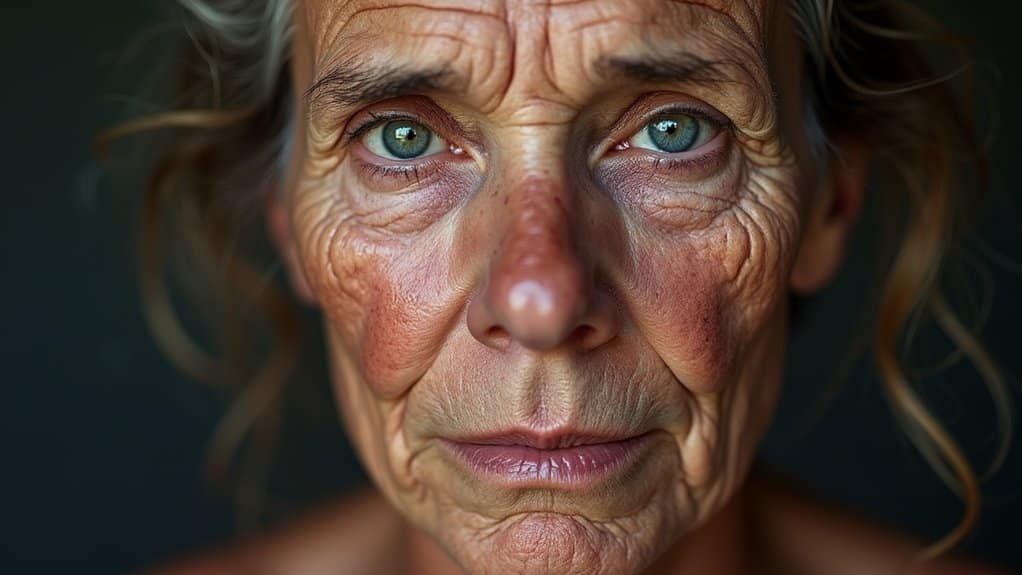
Methamphetamine use produces distinctive facial changes that clinicians recognize as “meth face”, a constellation of visible symptoms including open sores, severe acne, premature aging, and a characteristic hollow, sunken appearance. You’ll notice these manifestations stem from multiple physiological mechanisms working simultaneously.
Meth-induced skin damage occurs through vasoconstriction, which restricts blood flow to facial tissues. This compromises your skin’s ability to heal and maintain healthy collagen production. The drug’s water-soluble properties mean toxins release through your pores during sweating, causing irritation and red, bumpy lesions. Over time, chronic methamphetamine use often results in a grayish leathery texture to the skin that further contributes to the aged appearance.
Additionally, chronic users typically neglect personal hygiene, compounding these effects. Your body struggles to repair damage while fighting infection, leading to scarring, hyperpigmentation, and exaggerated facial asymmetry. The compromised immune system combined with poor hygiene practices makes users highly susceptible to infections that worsen existing skin damage. The result is accelerated aging that makes users appear decades older. Many users also experience formication, the hallucination of bugs crawling beneath their skin, which triggers compulsive picking behavior that creates open sores and additional scarring.
Signs of Meth Addiction
Recognizing the signs of meth addiction is critical for early intervention and treatment. Methamphetamine is a potent stimulant drug that is very addictive. It can cause many physical and behavioral symptoms that can easily be seen in a person’s appearance and actions.
Some of the most common signs of meth addiction include:
- Dilated pupils
- Significant weight loss
- Tooth decay known as “meth mouth”
- Sunken Eyes
- Hollow Cheeks
- Picking at the skin
- Open sores and scars
- Poor personal hygiene
- Psychosis
- Bugs crawling sensation referred to as “meth mites”
How Meth Mites Trigger Obsessive Skin Picking
When methamphetamine floods your brain’s dopamine pathways, it can trigger formication, a tactile hallucination where you perceive insects crawling on or beneath your skin. Users commonly describe these sensations as “meth mites” or “crank bugs,” which feel intensely real despite having no physical cause.
This dysregulation of your dopamine system drives compulsive scratching and picking behaviors. You’ll repeatedly traumatize your skin attempting to remove nonexistent parasites, creating open wounds, scabs, and permanent scarring on your face and extremities. The paranoia and anxiety accompanying methamphetamine intoxication intensify these picking episodes.
These lesions become vulnerable to bacterial infection, particularly MRSA, due to compromised hygiene and impaired wound healing. Treatment requires abstinence combined with dopamine antagonists to resolve the underlying neurochemical imbalance causing formication. Wound care addresses secondary infections while extensive detox supports recovery.
Why Meth Face Scars Become Permanent
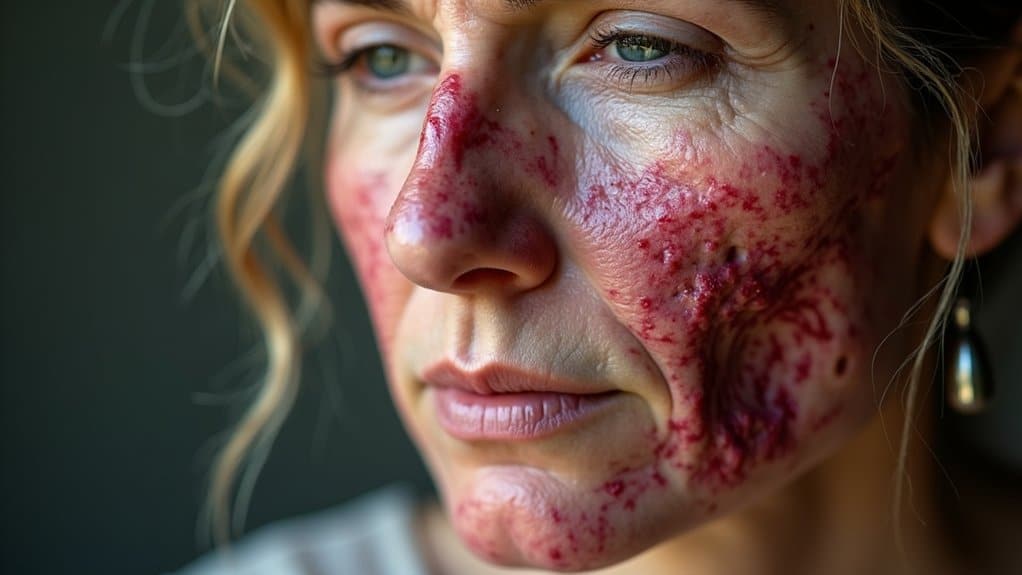
Several interconnected physiological mechanisms explain why meth face scars become permanent rather than fading over time. When you experience chronic meth abuse, vasoconstriction severely limits blood flow to your skin, depriving tissues of oxygen and nutrients essential for wound healing. This impairment, combined with collagen and elasticity loss, prevents proper scar remodeling.
The stimulant physical effects extend beyond facial decay meth use causes initially. Your compromised immune system allows bacteria to infect open sores, creating deep ulcerations that form keloid or atrophic scars. Repetitive picking disrupts fibroblast activity, halting collagen deposition necessary for tissue repair.
Additionally, dental deterioration and poor nutrition compound these issues. Meth toxins excreted through sweat irritate healing wounds, while oxidative damage impairs cellular repair mechanisms, ensuring meth face scarring remains irreversible.
How Meth Mouth Reshapes Your Entire Face
Beyond permanent scarring, meth mouth creates cascading structural damage that fundamentally alters your facial architecture. Methamphetamine-induced xerostomia severely compromises your teeth through accelerated decay and periodontal disease. As you lose teeth, the underlying alveolar bone begins resorbing, eliminating the structural foundation supporting your soft tissue.
This dental deterioration produces measurable changes to your facial contours. Your cheeks appear sunken as supporting structures collapse. Your jawline loses definition, creating a prematurely aged appearance. The loss of vertical dimension from missing teeth causes your lower face to compress, exaggerating nasolabial folds and creating asymmetry.
Gum disease compounds these effects by weakening remaining dental attachments. Research indicates meth users develop facial asymmetry three to five times greater than age-matched controls, directly correlating with the severity of oral deterioration.
Why Meth Face Makes You Look Decades Older
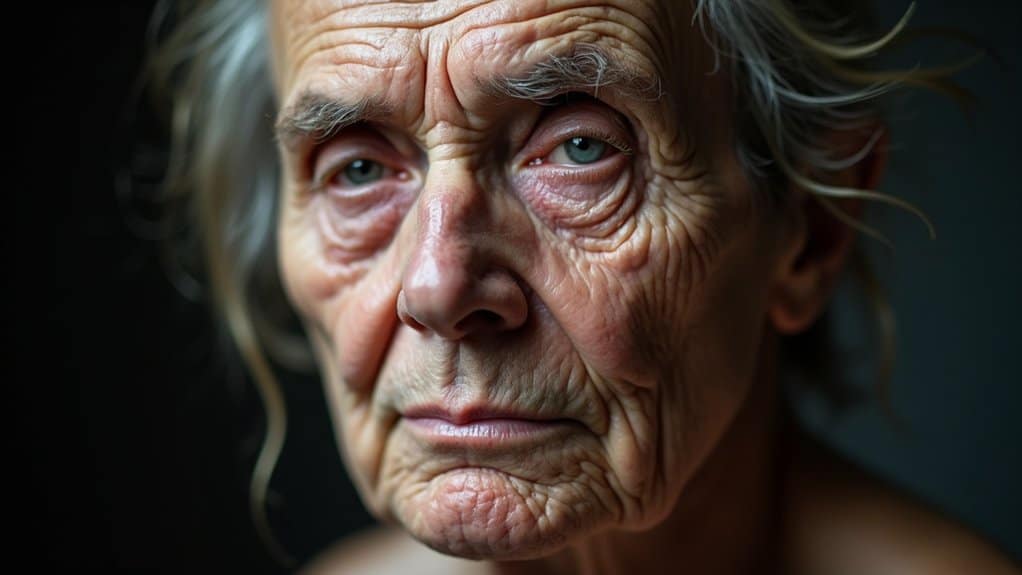
Although methamphetamine’s damage manifests visibly on your skin’s surface, the drug simultaneously triggers cellular-level destruction that accelerates biological aging by decades. Meth destroys collagen and elastin fibers, causing premature wrinkling and sagging. Severe dehydration compounds this damage, leaving your skin rough, dull, and fragile.
At the cellular level, methamphetamine stimulates ceramide production, which activates p53 and p21 genes through NF-κB pathways. This process reduces DNA synthesis and accelerates cellular senescence.
Your CNS suffers parallel deterioration. Research shows meth users experience cortical gray matter loss at rates of 6.4-8.5% per decade compared to 0.1-3.5% in controls. Frontal, occipital, temporal, and insular lobes demonstrate statistically significant accelerated decline. Additionally, facial asymmetry increases three to five times faster than ordinary aging, creating a distinctly aged appearance.
How Meth Starves Your Face of Fat and Muscle
Methamphetamine’s stimulant properties strip away your body’s fat reserves and muscle tissue through a cascade of nutritional devastation. The drug’s anorectic effects suppress your hunger cues, creating prolonged caloric deficits that force your body into survival mode. Your subcutaneous facial fat becomes expendable fuel, leaving hollow cheeks and skeletal contours.
| Tissue Type | Mechanism of Loss | Facial Manifestation |
|---|---|---|
| Subcutaneous Fat | Caloric deficit consumption | Hollow cheeks, sunken eyes |
| Muscle Tissue | Hyper-metabolic breakdown | Gaunt appearance, loss of tone |
| Collagen | Vitamin deficiency disruption | Sagging, inelastic skin |
| Fat Pads | Prioritized energy extraction | Structural facial collapse |
| Skin Cells | Impaired regeneration | Premature aging, poor texture |
Your skin loses its supportive foundation as methamphetamine systematically depletes the structural components maintaining facial integrity.
What Are Meth Sores?
Meth sores are one of the most significant and distressing symptoms associated with methamphetamine addiction. These sores typically result from the obsessive picking at the skin that many meth users engage in, driven by the sensation of bugs crawling under the skin. This sensation, along with the stimulant effects of meth, leads to repeated scratching and picking, which irritates the skin and causes wounds.
These wounds, or meth sores, are prone to infections because of several factors. Meth weakens the immune system, making it harder for the body to fight off infections. The immune system is compromised further by poor nutrition and lack of sleep, both common issues among meth users.
Sores often appear on body parts that are frequently touched or exposed to germs. These areas include the face, arms, and hands. This increases the risk of getting a skin infection.
Meth sores often start as small, irritated patches of skin but can quickly develop into large, open wounds that are difficult to heal. These wounds can become infected, leading to abscesses and even systemic infections that can spread throughout the body. The presence of these sores, along with the accompanying infections, contributes significantly to the overall deterioration of a meth user’s physical appearance.
Meth sores not only cause physical harm but also add to the stigma and loneliness felt by many meth users. Sores on the face can make it difficult for people to socialize.
This can lead to feelings of isolation. As a result, their addiction may worsen. The psychological impact of living with these sores can also be profound, as the constant presence of painful, disfiguring wounds can lead to depression, anxiety, and other mental health issues.
Why Meth Face Sores Take So Long to Heal
The structural collapse of facial tissue creates only part of meth face’s devastating appearance, the persistent sores that dot users’ skin tell an equally grim story of impaired healing.
When you use methamphetamine, you’re triggering multiple physiological barriers to wound recovery. Vasoconstriction limits oxygen and nutrient delivery to damaged tissue, while immune suppression compromises your body’s ability to fight infection and regenerate skin cells. Malnutrition and dehydration further weaken your skin’s natural repair mechanisms.
Formication-driven picking creates a destructive cycle, you repeatedly reopen wounds before they can close. This ongoing trauma, combined with bacterial colonization of compromised tissue, transforms minor lesions into chronic ulcers. What should heal in days instead persists for weeks or months, often progressing to severe, infected wounds requiring medical intervention.
How Fast Does Meth Face Develop?
You’ll notice early warning signs of meth face developing within weeks of regular use, as vasoconstriction and formication-induced scratching create visible skin damage. The speed of physical deterioration depends on several factors, including dosage frequency, nutritional status, and individual physiological responses to methamphetamine’s neurotoxic effects. Understanding these stages of progression, from initial redness and minor abrasions to severe ulcerations and premature aging, helps you recognize the condition’s rapid advancement.
Early Warning Signs Timeline
Facial deterioration from methamphetamine use follows a predictable yet variable timeline based on usage patterns. You’ll notice heavy daily users develop visible damage within months, while casual intermittent users may not exhibit severe changes for one to two years.
Early Warning Signs Timeline:
- Weeks 2-4: Subtle erythema and minor excoriations emerge, particularly in individuals with pre-existing dermatological conditions or nutritional deficiencies.
- Months 1-3: Compulsive picking secondary to formication produces open wounds and early scab formation.
- Months 3-6: Dehydration-induced xerosis creates rough, dull skin texture with accelerated aging markers.
- Months 6-12: Progressive lesions, infected sores, and noticeable premature aging become apparent, potentially adding a decade to your appearance.
Repeated binge cycles and sleep deprivation compound these dermatological manifestations considerably.
Factors Affecting Progression Speed
While the previous section outlined a general timeline for meth face development, individual progression varies considerably based on multiple interacting factors.
Frequency and Duration of Use
Heavy, daily methamphetamine use produces visible damage within months, while casual users may take one to two years to exhibit severe changes. Repeated binge cycles hasten facial deterioration significantly.
Preexisting Health Conditions
You’ll experience faster progression if you have acne, nutritional deficiencies, or immunocompromised status. These conditions impair wound healing and intensify scarring.
Behavioral Factors
Dehydration, sleep deprivation, and poor hygiene during binges quicken skin deterioration. Compulsive picking from formication creates rapid sores, while appetite suppression causes malnutrition-induced facial hollowing.
Physiological Responses
Vasoconstriction deprives your skin of essential nutrients. Heightened cortisol breaks down collagen, while hyper-metabolism erodes facial fat rapidly. Xerostomia accelerates dental decay, altering facial structure.
Stages of Physical Deterioration
Methamphetamine-induced facial deterioration progresses through five distinct stages, each marked by increasingly severe physical manifestations.
During Stage 1 (early use), you’ll experience appetite suppression causing rapid weight loss and mild skin dryness. By Stage 2 (1-3 months), compulsive skin picking creates open lesions while premature wrinkles form from reduced collagen synthesis.
Key progression markers include:
- Stage 3 (3-6 months): Extensive facial sores, scarring, and accelerated premature aging develop
- Stage 4 (1+ year): Profound gauntness with widespread scabs and meth mouth integration
- Stage 5 (5+ years): Irreversible premature aging with permanent scarring and total facial emaciation
- Orbital fat loss causes sunken, dull-appearing eyes throughout later stages
You’ll notice each stage compounds previous damage, creating cumulative deterioration that becomes increasingly difficult to reverse.
Can Meth Face Damage Be Reversed?
Fortunately, many of the facial effects associated with chronic methamphetamine use can reverse once you stop using the drug and pursue professional intervention. Skin sores heal as your immune system strengthens, though scars may persist. Premature aging signs, wrinkles, sunken eyes, and hollow cheeks, improve gradually through rehydration, proper nutrition, and fat restoration. Collagen production resumes, restoring some skin elasticity.
Dental damage presents greater challenges. While gum disease responds to improved oral hygiene, lost teeth require prosthetics. Blood vessel constriction reverses post-abstinence, enhancing nutrient delivery to facial tissues.
However, certain changes prove irreversible. Deep scarring, significant facial asymmetry, and severe structural damage may remain permanent. Ideal recovery outcomes require sustained sobriety combined with medical treatment, wound care, and nutritional supplementation. Relapse restarts the damage cycle.
Meth Addiction Treatment at Northridge Addiction Treatment Center
Methamphetamine addiction is a life-threatening condition that requires comprehensive and compassionate treatment. At Northridge Addiction Treatment Center (NATC), we know the difficulties meth users face, like meth face and sores. We help those struggling with addiction to meth. Our team is here to help you overcome meth addiction and start your journey to recovery with support and care.
NATC provides various evidence-based addiction treatment programs to help with both the physical and mental effects of meth addiction. Our programs are tailored to meet each person’s needs, ensuring they receive the care and support necessary for long-term recovery. We provide a safe place for people to start healing, away from the stress and triggers of daily life.
If you or a loved one is struggling with meth addiction, it’s important to know that help is available. The damage caused by meth use can be severe, but with the right treatment, recovery is possible.
Don’t wait until it’s too late to seek help. Contact NATC today to learn more about our programs and how we can help you start your journey to recovery.
Frequently Asked Questions
Does Meth Face Affect Everyone Who Uses Methamphetamine the Same Way?
No, meth face doesn’t affect everyone identically. Your individual response depends on several factors: usage frequency and duration, baseline health status, nutritional deficiencies, and immune function. You’ll experience varying degrees of vasoconstriction-induced skin damage, dental deterioration, and premature aging based on your behavioral patterns, including hygiene practices and compulsive picking behaviors. Pre-existing conditions, metabolic responses, and consumption methods also modulate how severely these dermatological and structural changes manifest in your facial appearance.
Can Makeup or Skincare Products Help Hide Meth Face Symptoms?
You can temporarily conceal meth face symptoms using cosmetics, concealers mask lesions and dark circles, while foundation evens discoloration and powder reduces hyperhidrosis shine. However, these interventions don’t address underlying pathology. Skincare products offer limited wound healing benefits but can’t reverse vasoconstriction damage or collagen loss. Coverage deteriorates within hours due to perspiration and continued skin-picking behaviors. Cosmetic concealment ultimately delays necessary medical intervention and doesn’t halt symptom progression during active methamphetamine use.
Are Meth Face Symptoms Different When Smoking Versus Injecting the Drug?
Yes, you’ll notice distinct symptom patterns depending on administration method. When you smoke meth, you’re more likely to develop pipe burns around your mouth, crystalline retinal deposits, and sinus-related facial swelling. If you inject, you’ll experience more pronounced facial edema over your cheeks, bacterial wound infections, and visible track marks. Both methods cause formication-induced skin picking, but injecting typically produces more severe systemic neurotoxicity, intensifying compulsive behaviors and delaying wound healing.
Do Genetics Play a Role in How Severe Meth Face Becomes?
Yes, genetics likely influence meth face severity, though direct research remains limited. Your inherited skin resilience may modulate collagen breakdown and wrinkling response to methamphetamine-induced oxidative stress. Genetic variations in immune function can affect your susceptibility to infections and wound healing capacity, impacting scar formation from skin picking. Additionally, baseline facial asymmetry, which has hereditary components, may predispose you to more pronounced structural changes with chronic use.
Can Meth Face Symptoms Appear After Just One Use of Methamphetamine?
You won’t develop classic meth face symptoms after a single use. However, you may experience acute physiological changes including pupillary dilation, mild cutaneous erythema, and diaphoresis. If you experience formication, you might create minor excoriations through skin picking. The characteristic facial stigmata, severe dental deterioration, pronounced tissue wasting, and chronic dermatological lesions, require prolonged methamphetamine exposure and cumulative physiological damage to manifest clinically.