Lortab is a prescription pain medication that contains hydrocodone and acetaminophen, the generic name for Tylenol. Hydrocodone, the habit-forming ingredient of Lortab, is the most frequently prescribed opioid in the United States, accounting for more than 83.6 million prescriptions in 2017.
There are hundreds of brand names for hydrocodone products, and mostly all are combination medications. The most prescribed combination is hydrocodone and acetaminophen, manufactured under recognizable brand names like Vicodin and Lortab.
Because of the increase in hydrocodone abuse, the Drug Enforcement Administration (DEA) moved hydrocodone combination products from a Schedule III to a Schedule II drug in October 2014.
Drugs with the highest potential for harm and abuse are placed in Schedule II. Schedule I is used for controlled substances with no accepted medical use and a lack of established safety.
What Is Lortab?
Lortab is a prescription medication used to treat moderate to severe pain. Since it is a combination of hydrocodone and acetaminophen, it treats pain effectively in two ways.
Hydrocodone changes the way the body perceives pain, while acetaminophen alters pain signals to the brain, causing dual effects to alleviate pain.
Hydrocodone is a narcotic analgesic or an opioid analgesic, a family of medicines used to treat intense or chronic pain. Analgesic is another name for pain relief medications.

Hydrocodone
Hydrocodone is a semi-synthetic opioid that has been used to treat acute and chronic pain for decades. It is more effective than codeine as a cough suppressant and as potent as morphine for treating pain.
Reports of hydrocodone addiction date back as far as 1961. It is abused for its opioid effects, making you feel euphoric and forming a quick physical dependence. It is typically abused while drinking alcohol.
In 2017, The American Association of Poison Control Centers (AAPCC) reported 1,810 poisonings and one death associated with hydrocodone.
Acetaminophen
The acetaminophen in Lortab is to increase the effectiveness and strength. It is a mild to moderate pain reliever and fever reducer.
Although 60 million Americans take acetaminophen regularly, they are unaware that it is also an ingredient in these opioid combination medications. It’s important to avoid taking medicines containing acetaminophen and discuss with your physician all the medication you are taking.
Acetaminophen is quickly absorbed by the gastrointestinal tract and processed through the liver; therefore, the formulation of Lortab containing acetaminophen presents a high risk of liver disease when used in chronically high doses.
Acetaminophen has been associated with fatal liver injury, known as fatal hepatic necrosis if taken at doses of more than 4 grams per day.
For these reasons, it’s essential to avoid drinking alcohol while taking Lortab because it increases the already existing potential for liver damage.
Lortab 10s:
Lortab 10 refers explicitly to the 10 mg of hydrocodone in a tablet. Lortab 10/325 and 10/500 were the formulations of tablets with the highest doses of hydrocodone. The second number indicates the amount of acetaminophen in the tablet.
However, Lortab was discontinued in pill form and is only available in a prescription liquid called Lortab elixir, though other forms of hydrocodone and acetaminophen are still available under generic or other name-brand tablets.
What Is Lortab Elixir?
Lortab elixir is the oral, liquid formulation of the drug. It is a syrup-like liquid that contains seven percent alcohol in addition to hydrocodone and acetaminophen.
Lortab elixir should be used cautiously, just as other opioids. All other forms of Lortab have been discontinued.
What Does Lortab Elixir Look Like?
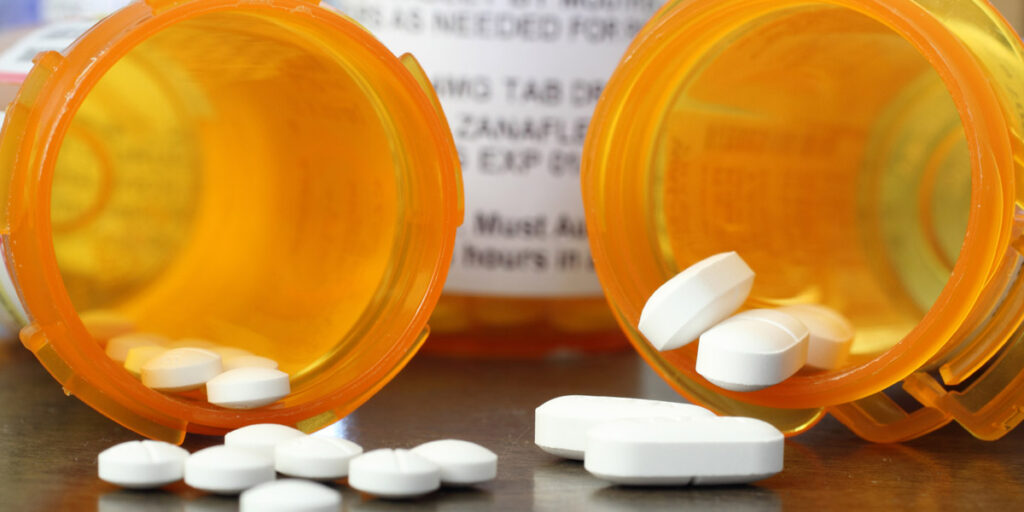
Lortab elixir is a yellow-colored, tropical punch flavored syrup. It contains 7.5 mg of hydrocodone and 500 mg per 15 mL of acetaminophen. It is prescribed in one-pint containers considered highly addictive.
Who Should Avoid Taking Lortab?
Not everyone can safely take Lortab, and certain medical conditions create serious, sometimes life-threatening, risks with this medication.
You shouldn’t take this hydrocodone-acetaminophen combination if you have severe respiratory depression, unmonitored bronchial asthma, or gastrointestinal obstruction. These contraindications can prove fatal when combined with opioid effects.
| Category | Condition | Risk Level |
|---|---|---|
| Respiratory | Severe asthma, COPD, emphysema | High |
| Gastrointestinal | Bowel obstruction, paralytic ileus | High |
| Substance Use | Active substance use disorder, MAO inhibitor use | High |
You’ll need careful monitoring if you have liver disease, kidney impairment, or hypothyroidism. The hydrocodone-acetaminophen effects intensify when your body can’t metabolize medications properly. Patients with weakened immune system, hypotension, pancreatitis, or seizure history should also use this medication with caution.
If you’ve used MAO inhibitors within 14 days or have a history of substance use disorder, your provider must explore alternative pain management options.
How Much Lortab Should You Take?
Determining the right Lortab dose depends on your specific formulation, age, weight, and medical history. Your prescriber will establish dosing based on your individual needs while minimizing overdose risk and dependence potential.
Standard adult dosing follows these guidelines:
- Initial tablets contain 2.5-5 mg hydrocodone with 300-325 mg acetaminophen, taken every 4-6 hours as needed.
- Norco 5/325 allows 1-2 tablets every 4-6 hours, with a maximum of 8 tablets daily.
- Higher-strength formulations (7.5/325 or 10/325) limit you to 6 tablets daily.
- Liquid solutions typically start at 15 mL every 4-6 hours, not exceeding 6 doses daily.
Never exceed 4 grams of acetaminophen in 24 hours. Older adults should start at lower doses with close monitoring. Always use the lowest effective dose for the shortest duration necessary.
Side Effects
Lortab may cause side effects including:
- Dry mouth
- Stomach pain
- Fatigue or tiredness
- Muscle pain or tightening
- Ringing in the ears
- Painful, difficult, or frequent urination
- Trouble falling asleep or staying asleep
- Leg, ankle, or foot swelling
- Uncontrollable shaking of a part of the body
Hydrocodone or acetaminophen may also cause adverse side effects. Lortab can slow or stop breathing, particularly in older and elderly patients, within the first three days of beginning treatment and any time your dosage is increased.
Other adverse side effects of Lortab include:
- Chest pain
- Nausea, vomiting, loss of appetite, or diarrhea
- Weakness or dizziness
- Agitation or hallucinations such as seeing or hearing things that don’t exist
- Fever
- Sweating
- Confusion
- Rapid heartbeat or changes in heart rate
- Shivering
- Intense muscle stiffness or twitching
- Loss of coordination
- Irregular menstruation
- Decreased sexual desire
- Swelling of the eyes, face, lips, tongue, or throat
- Hoarseness
- Hives
- Itching
- Difficulty swallowing
If you are pregnant or plan to become pregnant, it is essential to tell your doctor. Babies born to mothers regularly taking Lortab may have withdrawal symptoms after birth. Furthermore, hydrocodone and acetaminophen are present in breast milk, so infant exposure is a risk while breastfeeding.
Your doctor or pharmacist will provide you with Lortab’s medication guide when you begin treatment and each time you fill your prescription. Call your doctor immediately if you have any unusual or allergic reaction while taking Lortab.
What Drugs Should You Avoid With Lortab?
Several prescription medications and substances interact dangerously with Lortab, making it critical to disclose all current medications to your healthcare provider before starting treatment.
The FDA warns against combining Lortab with these drug categories:
- CNS depressants, Benzodiazepines, sleep aids like Ambien, and alcohol create potentially fatal respiratory depression when mixed with hydrocodone.
- Other opioids, Concurrent use of oxycodone, morphine, or fentanyl dramatically increases overdose risk.
- MAO inhibitors, Don’t take Lortab within 14 days of using isocarboxazid, phenelzine, or tranylcypromine.
- Certain antibiotics, Macrolides like erythromycin and fluoroquinolones like ciprofloxacin inhibit hydrocodone metabolism, elevating blood concentrations.
You should also avoid grapefruit juice and inform your provider about antihistamines, antipsychotics, or antianxiety medications you’re taking.
Dangers
Lortab can cause life-threatening respiratory depression, severely slowing breathing down, resulting in the person slipping into a coma or dying.
This risk severely increases when taken with other central nervous system depressants such as benzodiazepines, alcohol, and muscle relaxants. While taking Lortab, other hazardous drug interactions include herbal products, particularly St. John’s wort and tryptophan.
Individuals who have suffered a head injury, a brain tumor, or have any condition that increases the pressure in their brain should not use Lortab, hydrocodone, or other opioid-based medications.

Hydrocodone Overdose
Symptoms of a hydrocodone overdose include:
- Slow or shallow breathing
- Difficulty breathing
- Muscle weakness
- Cold, clammy skin
- Narrowed or widened pupils
- Slowed heartbeat
- Unconscious or unable to respond or wake up
If you experience any of these symptoms, call your doctor immediately, or get emergency medical help.
If you or a loved one takes Lortab, you should make sure you know how to recognize an overdose, how to use naloxone (Narcan), and what to do until emergency medical services arrive.
While taking any opioid medication, you should talk to your doctor about having the rescue medication naloxone if you spend time or live in a house with someone who takes or abuses prescription drugs. It can effectively reverse the deadly effects of an opioid overdose.
Acetaminophen Overdose
Acetaminophen overdose is the second most common cause of liver transplants worldwide, most commonly in the United States. It is the most common drug-related cause of liver failure.
Acetaminophen accounts for 56,000 emergency department visits, 2,600 hospitalizations, and 500 deaths per year in the US alone. Fifty percent of these cases are unintentional overdoses.
Acetaminophen overdose symptoms include:
- Nausea
- Vomiting
- Abnormal and excessive sweating
- Blistering or peeling of the skin
- Jaundice or yellowing of the skin or whites of the eyes
- Severe abdominal pain
- Hypotension or low blood pressure
Although acetaminophen has been available over the counter for many years and is generally safe, it is crucial to keep track of your intake and read all your medication’s ingredients to prevent harmful drug interactions and unintentional overdose.
Is Lortab Addictive?
Yes, Lortab carries a high potential for addiction. The DEA classifies it as a Schedule II controlled substance, placing it alongside methadone and fentanyl in regards to abuse risk. This classification reflects the drug’s capacity to cause severe physical and psychological dependence.
When you use Lortab over extended periods, the hydrocodone component alters your brain’s reward pathways. This neurological change promotes compulsive drug-seeking behavior, even when you recognize harmful consequences. Your brain begins associating the medication with pain relief and emotional regulation, reinforcing habitual use.
The statistics underscore this concern: in 2024, 3.4 million individuals aged 12 or older reported misusing hydrocodone products. Long-term use greatly increases your likelihood of developing dependence. If you’re prescribed Lortab, discuss addiction risks with your healthcare provider.
Lortab Addiction
Lortab is helpful with alleviating pain but may be a gateway to opioid addiction. If you or a loved one is living with opioid abuse, help is available.
Northridge Addiction Treatment Center uses a custom-tailored, evidence-based approach to substance abuse treatment. Our private residential facility in Los Angeles is a sanctuary for healing surrounded by California’s striking scenery and beautiful mountains.
Our supportive environment offers on-site medical detox with around-the-clock medical care and medication-assisted treatment to ensure comfort and safety.
NATC staff is dedicated and compassionate, treating every resident with dignity and respect, understanding your recovery is not just sobriety, but a fresh start in life.
Let us help heal the core of your addiction and find meaningful recovery. It can start with just a phone call. Reach out now.
Frequently Asked Questions
Can You Take Lortab With Ibuprofen for Better Pain Relief?
Yes, you can generally take Lortab with ibuprofen for better pain relief. This combination lets you target pain through different mechanisms while potentially lowering your opioid dose. Since Reprexain (hydrocodone-ibuprofen) exists as an approved product, the pairing is considered compatible. However, you shouldn’t add extra acetaminophen products, as Lortab already contains it. Always consult your prescriber or pharmacist first, especially if you’ve got kidney or heart conditions.
How Long Does Lortab Stay in Your System After Taking It?
Lortab’s hydrocodone component stays detectable for varying periods depending on the test type. You’ll test positive in urine for 2-4 days (up to 7 days with heavy use), in blood for 9-24 hours, and in saliva for 12-36 hours. Hair follicle tests can detect it for up to 90 days. Your metabolism, liver function, hydration levels, dosage amount, and frequency of use all influence these detection windows.
What Should You Do if You Miss a Lortab Dose?
If you miss a Lortab dose, take it as soon as you remember. However, if your next scheduled dose is within 4 hours, skip the missed dose and return to your regular schedule. Never double up on doses to compensate for a missed one, as this increases your risk of overdose and acetaminophen toxicity. Always maintain at least 4 hours between doses and consult your healthcare provider with any concerns.
Is It Safe to Drive While Taking Lortab Medication?
You shouldn’t drive while taking Lortab until you understand how it affects you. Hydrocodone causes dizziness, drowsiness, and sedation that considerably impair your concentration and reaction time. These effects reduce your alertness and decision-making ability behind the wheel. The FDA recommends avoiding activities requiring mental alertness until you’ve determined your individual response. Always consult your healthcare provider before driving, especially when starting treatment or adjusting your dosage.
What Are the Signs of a Lortab Overdose Emergency?
You should watch for these emergency overdose signs: extremely slow, shallow, or stopped breathing; blue or grayish lips and fingernails; pinpoint pupils; cold, clammy skin; and unresponsiveness or inability to wake. You may also notice gurgling sounds, weak pulse, confusion, or limpness. If you suspect an overdose, call 911 immediately and administer naloxone if available. Don’t wait, respiratory depression can become fatal within minutes.