Librium (chlordiazepoxide) is a prescription medication in the benzodiazepine class of drugs. Librium is mainly used to treat anxiety disorders and symptoms of alcohol withdrawal. However, its potential for physical dependence, abuse, and addiction has become a significant concern.
What Is Librium (Chlordiazepoxide)?
Librium, known generically as chlordiazepoxide, is a benzodiazepine that acts as a sedative, calming the brain and nerves. First made in the 1950s, it was the first drug of its kind to be marketed and quickly became a standard treatment for anxiety, insomnia, and alcohol withdrawal.
Librium works by enhancing the effects of gamma-aminobutyric acid (GABA), a neurotransmitter in the brain that produces a calming effect. Because of its central nervous system depressant effects, Librium is classified as a Schedule IV controlled substance in the United States, indicating a lower potential for abuse relative to other drugs but still posing a risk of being habit-forming.
Why Librium Is Addictive?
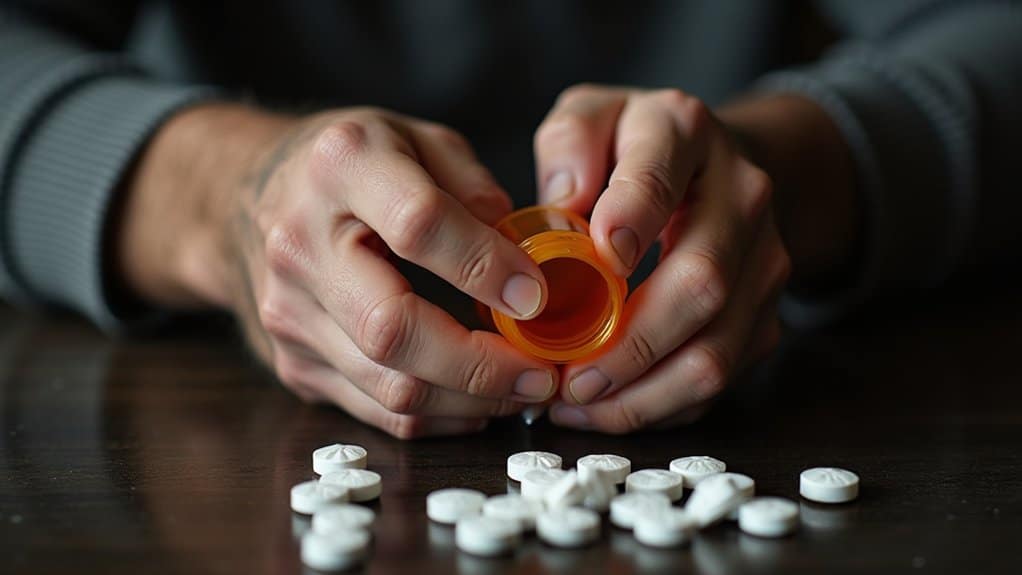
How does a medication designed to calm anxiety become a source of dependency? Librium (chlordiazepoxide) belongs to the benzodiazepines class, the first of its kind developed in 1955. This Schedule IV controlled substance works by enhancing GABA, an inhibitory neurotransmitter that slows brain activity and promotes relaxation.
Your brain can become reliant on Librium’s external chemical stimulation to achieve calm states. Chronic use alters your GABA system, reducing natural production and creating physical dependence. You’ll develop tolerance over time, requiring greater amounts for the same effects. Due to these risks, Librium is recommended for short-term use only.
The addiction potential increases notably when you combine Librium with alcohol due to their synergistic effects. Cross-tolerance between these substances means individuals with alcohol dependency face heightened risk during treatment. Mixing alcohol with Librium is particularly dangerous and may lead to overdose.
How Quickly Librium Dependence Takes Hold
When you take Librium continuously, physical dependence can develop within just two weeks, even at prescribed doses. The drug’s long half-life, ranging from 24 to 100 hours including metabolites, causes your body to adapt quickly, building tolerance that demands higher doses for the same effect.
Key dependence indicators:
- Withdrawal symptoms appearing within 24 hours to 7 days after your last dose
- Tolerance development requiring increased dosing frequency
- Physical symptoms like tremors, sweating, and anxiety upon cessation
- Need for gradual tapering rather than abrupt discontinuation
Long-term use exceeding three months elevates your dependence rate to 33%. Because withdrawal can prove severe, you’ll require medical supervision for safe discontinuation. Tapering protocols typically reduce your daily dose by 5-25 mg every one to four weeks.
Street Names for Librium
Like many prescription drugs with a potential for abuse, Librium has several street names that are used by those who use the drug illegally.
Common street names for Librium include:
- Downers
- Tranqs
- Libs
- Bennies
- Normies
- Blue bombs

Short-Term Side Effects of Librium
Librium is generally safe and effective for short-term use when taken as prescribed. However, the short-term side effects of Librium abuse can be significantly more dangerous.
The short-term side effects of Librium include:
- Drowsiness
- Fatigue
- Dizziness
- Blurred vision, and
- Impaired motor coordination
- Impaired judgment
- Confusion
- Difficulty concentrating, which can cause accidents or injuries
- Slurred speech
- Nausea
- Constipation
- Dry mouth
- Mood swings
- Depression
- Anxiety
- High blood pressure
- Elevated heart rate
Though generally mild, these common side effects can still significantly impact a person’s daily life. The risk of experiencing these effects increases when Librium is taken with other central nervous system depressants like alcohol or opioids.
For example, drowsiness and fatigue may reduce productivity at work or school, while blurred vision can increase the risk of accidents, particularly when driving or operating machinery. Over time, the cumulative effects of these side effects can lead to frustration, decreased quality of life, and potentially, the development of more severe health issues if Librium is not used responsibly.
Even when taken as prescribed, Librium can cause various side effects. Librium, like other benzodiazepines, has a range of side effects that can impact both physical and mental health. While some users may experience mild symptoms, others may find these effects significantly disruptive to their daily lives. The side effects can vary depending on the dosage, duration of use, and personal factors such as age, overall health, and whether the drug is used in combination with other substances.
Understanding these side effects is essential for anyone prescribed Librium, as it allows them to take proactive steps in managing and mitigating these symptoms. Additionally, being aware of the potential side effects helps recognize when the doses of Librium may need to be reassessed by a medical professional, particularly if the side effects become more severe or interfere with daily activities.
Signs of Librium Abuse in Yourself or a Loved One

Recognizing Librium abuse requires attention to specific behavioral changes, including taking more than prescribed, doctor shopping, and neglecting daily responsibilities. You’ll notice physical symptoms such as slurred speech, drowsiness, poor coordination, and impaired short-term memory that signal problematic use. When you or someone you care about experiences withdrawal symptoms upon reducing the dose, this indicates physical dependence has developed.
Behavioral Warning Signs
Why do behavioral changes often reveal Librium abuse before physical symptoms become apparent? Benzodiazepine addiction fundamentally alters decision-making patterns and priorities. You’ll notice deceptive behaviors emerging as the primary mechanism for maintaining drug access, including lying about symptoms or hiding use from family members.
Social and responsibility neglect becomes increasingly pronounced as the addiction progresses. Watch for these critical warning signs:
- Requesting early prescription refills or visiting multiple doctors to obtain additional Librium
- Neglecting work obligations, family commitments, and daily responsibilities
- Withdrawing from previously enjoyed activities and relationships
- Engaging in risk-taking behaviors such as driving under the influence or prescription fraud
These behavioral shifts indicate that Librium has become the central focus of daily functioning, requiring immediate clinical intervention.
Physical Symptoms Observed
While behavioral changes often precede visible physical deterioration, Librium abuse produces distinct physiological symptoms that you shouldn’t ignore.
Coordination and Speech Issues
You’ll notice slurred speech, unsteady gait, and poor balance affecting daily functioning. These motor impairments result from the drug’s central nervous system depression.
Vital Signs Alterations
Monitor for reduced heart rate, low blood pressure, and slowed breathing. These changes indicate significant physiological impact and potential overdose risk requiring immediate attention.
Cognitive Impairment
Confusion, short-term memory loss, and foggy thinking disrupt mental clarity. You may observe dizziness, uncontrolled eye movements, or stupor in severe cases.
Additional Physical Indicators
Watch for extreme drowsiness, fatigue, and disrupted sleep patterns. Gastrointestinal symptoms include constipation, nausea, dry mouth, and appetite loss. Muscle spasms and edema signal advancing neurological and systemic effects.
Withdrawal Indicators Emerge
When Librium use stops abruptly or decreases considerably, withdrawal indicators emerge within 24 hours to one week depending on individual metabolism, dosage history, and liver function. Chlordiazepoxide withdrawal manifests through predictable physiological and psychological signs that signal developing substance use disorder.
You may observe these early withdrawal indicators:
- Autonomic hyperactivity, sweating, heightened heart rate, and rapid pulse
- Sensory hypersensitivity to lights, sounds, and touch
- Gastrointestinal disturbances including nausea, vomiting, and appetite loss
- Neurological symptoms such as tremors, agitation, and hand shaking
Peak withdrawal occurs during weeks two through three, when seizures, hallucinations, and psychosis become possible. Depression and insomnia intensify during this phase. Psychological symptoms including anxiety and cravings may persist for months, indicating protracted withdrawal requiring clinical monitoring.
Long-Term Side Effects of Librium
Long-term use of benzodiazepines, especially at higher doses than prescribed, can have serious consequences. One of the most significant risks is the development of an addiction.
People addicted to Librium may find themselves unable to stop using the drug despite experiencing negative effects. Long-term abuse can lead to tolerance, where higher doses of the drug are needed to achieve the same effects, further increasing the risk of overdose.
The long-term side effects of Librium use include:
- Memory loss
- Difficulty concentrating
- Respiratory issues
- Cognitive decline
- Liver damage
- Increased risk of infections
- Weakened immune system
The combination of these physical and mental health challenges can significantly diminish the quality of life for people addicted to Librium. These effects can persist even after the drug is discontinued, potentially leading to long-lasting damage.
The cognitive and physical consequences of long-term Librium abuse can be devastating. Memory loss and concentration issues can interfere with personal relationships and professional responsibilities, leading to a decline in overall functioning. Over time, these cognitive impairments can become more pronounced, making it difficult for people to perform even simple tasks.
Additionally, the respiratory problems associated with long-term Librium use can be life-threatening, particularly if the drug is combined with other depressants like alcohol or opioids. Early recognition and treatment of these issues are crucial to prevent permanent damage and improve the chances of recovery.
Physical Effects of Chronic Librium Abuse

Chronic Librium abuse produces significant physical consequences that affect multiple body systems. You’ll experience CNS depression that manifests as excessive sedation, fatigue, and impaired coordination. The FDA warns that prolonged use increases overdose risk, particularly when you combine Librium with other depressants.
Your cardiovascular system suffers through reduced heart rate and lowered blood pressure. Respiratory depression becomes dangerous, causing shallow breathing that can prove fatal. You’ll notice motor impairment including slurred speech, unsteady gait, and poor balance.
Gastrointestinal complications develop, including persistent nausea and constipation. Your vision blurs, and dizziness becomes routine. Liver damage occurs with extended abuse, while tolerance demands increasingly higher doses. Physical dependence triggers tremors, sweating, and muscle spasms when you reduce intake.
How Librium Damages Your Mental Health
Chronic Librium abuse directly impairs your brain’s ability to form memories and maintain clear cognitive function, with prolonged misuse increasing your risk of permanent neurological damage. You may experience severe depression and suicidal thoughts, particularly during withdrawal or as rebound symptoms intensify after the drug’s effects wear off. The medication’s suppression of your central nervous system creates emotional numbing that disconnects you from normal stress responses and healthy coping mechanisms.
Memory and Cognitive Decline
Librium chips away at your brain’s ability to form and retain new memories, producing anterograde amnesia as a documented pharmacological effect. Chlordiazepoxide misuse disrupts both recognition and spatial memory systems, with studies demonstrating impairments mirroring Alzheimer’s-type dysfunction.
Librium abuse produces measurable cognitive decline:
- Recognition memory deficits, Novel object acquisition becomes impaired during active use
- Spatial navigation failures, Testing reveals compromised environmental memory processing
- Processing speed reduction, Motor speed, attention, and reaction times deteriorate markedly
- Dementia risk elevation, Meta-analysis shows 51% increased dementia risk (RR=1.51), with longer-duration use compounding vulnerability
Long-term users averaging five years of consumption demonstrate lowered intellectual capacity across multiple domains. While some impairments reverse upon discontinuation, accumulated cognitive deficits may persist, particularly affecting non-verbal memory systems.
Depression and Suicidal Thoughts
Beyond its impact on cognitive function, Librium abuse carries serious psychiatric consequences, particularly the emergence of depression and suicidal ideation. Studies confirm benzodiazepines increase your overall risk of attempting or completing suicide, with FAERS data documenting 5,069 completed suicides and 2,714 attempts linked to these medications.
If you’re abusing Librium, you face prosuicidal effects through multiple mechanisms: increased impulsivity, aggression, and disinhibition. High-dose use correlates with a two-fold increase in suicide rates among vulnerable populations.
Withdrawal intensifies these dangers. Research shows 54.4% of people discontinuing benzodiazepines reported suicidal thoughts or attempts, with 76.2% having no prior suicidal history. Clinical guidelines warn against using Librium alone when depression coexists with anxiety, as it may precipitate suicide. You should seek immediate evaluation if experiencing mood changes.
Emotional Numbing Effects
While depression and suicidal ideation represent acute psychiatric emergencies, Librium abuse also inflicts subtler but equally damaging psychological harm through emotional numbing, a phenomenon clinicians term “emotional anaesthesia” or affective blunting.
Chronic chlordiazepoxide use suppresses CNS activity beyond anxiety centers, impairing your brain’s emotional processing regions. You may find yourself unable to experience pleasure or pain, creating a flattened affective state that persists long after discontinuation.
Core manifestations of emotional numbing include:
- Inability to feel joy, sadness, or emotional connection with others
- Decreased motivation and progressive social withdrawal
- Persistent memory impairment and concentration difficulties
- Intentional self-medication to avoid processing trauma or stress
These neurochemical alterations reinforce psychological dependence, as you increasingly rely on Librium to escape difficult emotions rather than developing healthy coping mechanisms.
The Deadly Risk of Mixing Librium With Other Drugs
When individuals combine Librium with alcohol or other central nervous system depressants, they create a synergistic effect that dramatically amplifies each substance’s sedative properties. This combination causes severe respiratory depression, marked by slowed, shallow breathing and blue-tinged skin. You may experience extreme sedation progressing to stupor, loss of consciousness, or coma.
The FDA has issued explicit warnings against mixing benzodiazepines with alcohol due to heightened toxicity and death risk. Over 80% of benzodiazepine abuse involves polydrug use. When you combine Librium with opioids, the danger escalates further, 83.5% of benzodiazepine-involved deaths between 2000-2019 co-involved opioids.
You’ll experience impaired cognition, blurred vision, and loss of motor control. Organ damage, particularly to your liver, compounds these acute risks. The 2016 FDA boxed warning specifically advises against co-prescribing these substances.
Librium Overdose Symptoms That Need Emergency Care
How quickly can you recognize the signs that a Librium overdose has become a medical emergency? When benzodiazepine toxicity escalates, your body exhibits warning signs that demand immediate intervention.
Recognizing benzodiazepine overdose symptoms fast can save lives, every second counts when toxicity escalates to emergency levels.
Critical symptoms requiring emergency care:
- Respiratory depression, shallow breathing, apnea, or cyanosis (bluish lips/nails) indicating oxygen deprivation
- Severe consciousness impairment, stupor, coma, or complete unresponsiveness to stimulation
- Cardiovascular instability, hypotension, irregular heartbeat, or cool, clammy skin signaling circulatory compromise
- Airway compromise, gurgling sounds, inability to swallow, or loss of protective reflexes
You shouldn’t wait for multiple symptoms to appear. If you observe respiratory distress combined with altered consciousness, call 911 immediately. Benzodiazepine overdoses can progress rapidly, and delayed treatment increases mortality risk drastically.
Librium Withdrawal: What to Expect and Why It’s Dangerous
Because Librium has a long half-life compared to other benzodiazepines, withdrawal symptoms may not emerge until 24 hours to one week after your last dose, a delayed onset that often catches users off guard. Initial symptoms include nausea, vomiting, anxiety, and irritability. You’ll likely experience peak severity at 2-3 weeks, when seizures and depression pose the greatest risk.
Several factors influence your withdrawal trajectory: dosage amount, duration of use, liver function, genetics, and concurrent substance use. Physical symptoms typically diminish by 4-6 weeks, but psychological effects, anxiety, insomnia, mood swings, may persist for months as post-acute withdrawal syndrome.
The dangers are significant. Life-threatening seizures, psychosis, and cardiovascular complications can occur, particularly with abrupt cessation. Suicidal ideation risk increases during severe mood fluctuations. Medical supervision during detoxification isn’t optional, it’s essential.
How to Safely Detox and Recover From Librium Addiction
Although withdrawal from Librium presents significant medical risks, a structured detox protocol under professional supervision dramatically improves safety and long-term recovery outcomes. Medical professionals conduct thorough evaluations to assess your dependence severity, identify co-occurring disorders, and establish baseline health metrics before initiating treatment.
Professional supervision transforms Librium detox from a high-risk process into a safer pathway toward lasting recovery.
Your detox plan typically involves gradual tapering over 7 to 10 days, systematically reducing doses to minimize withdrawal symptoms. Treatment settings include:
- Inpatient facilities providing 24-hour medical supervision
- Outpatient programs allowing you to maintain daily responsibilities
- Intensive outpatient programs offering structured care without residential placement
- Partial hospitalization combining elements of both approaches
Following detoxification, cognitive behavioral therapy addresses underlying addiction triggers. Aftercare support through 12-step programs and alumni networks reinforces coping skills and maintains accountability throughout your recovery journey.
Librium Addiction Treatment at Northridge Addiction Treatment Center
At Northridge Addiction Treatment Center (NATC), we understand the complex nature of benzodiazepine addiction and provide compassionate, evidence-based treatment programs tailored to the needs of each person.
Medical detox is often the first step in our comprehensive residential treatment program. During this process, patients receive around-the-clock medical supervision to safely manage withdrawal symptoms and begin the recovery journey.
NATC provides various treatments and therapies designed to address the underlying causes of addiction and support long-term recovery. Our programs include dual diagnosis, medication-assisted treatment, cognitive behavioral therapy (CBT), individual therapy, group counseling, and holistic therapies focusing on healing the mind, body, and spirit. We also emphasize the importance of family involvement in the recovery process, offering family therapy sessions to help rebuild trust and support systems.
At NATC, we recognize that addiction is a chronic condition that requires ongoing care and support. If you or a loved one is struggling with addiction, Northridge Addiction Treatment Center is here to help.
Our caring and experienced team is dedicated to providing the highest quality care to guide you on the path to recovery. Contact NATC today.
Frequently Asked Questions
Can Librium Addiction Develop Even When Taking the Medication Exactly as Prescribed?
Yes, you can develop Librium addiction even when you’re taking it exactly as prescribed. Your brain adapts to the drug’s effects on GABA receptors, building tolerance that requires higher doses for the same relief. After 6-8 weeks of prescribed use, you’ll likely experience physical dependence. Research shows 17.1% of prescribed benzodiazepine users develop misuse patterns, and you may find yourself needing the medication simply to avoid withdrawal symptoms.
What Percentage of Librium Users Also Abuse Other Substances Simultaneously?
You’ll find that approximately 95% of people who misuse Librium also abuse other substances simultaneously. This polydrug pattern isn’t coincidental, 80% of benzodiazepine misuse occurs within a broader polydrug abuse cycle. You’re most likely to see Librium combined with opioids, alcohol, or other CNS depressants. Over 30% of opioid overdoses involve benzodiazepines, highlighting the dangerous intersection between these substance classes.
How Do Emergency Room Visits for Librium Abuse Compare to Other Benzodiazepines?
You won’t find isolated Librium ED visit data, it’s grouped within overall benzodiazepine statistics. However, Librium accounts for 21.1% of ED discharges involving alcohol withdrawal syndrome treatment. Lorazepam dominates IV administration at 59.9%, while diazepam represents just 1.9%. Across all benzodiazepines, there are approximately 212,770 annual ED visits, with 55.9% involving nonmedical use. Specifically, 82.7% of these nonmedical visits involve concurrent substance use, complicating clinical presentation.
Are Teenagers at Higher Risk for Librium Misuse Than Older Adults?
You’ll find that teenagers actually show lower misuse rates than young adults, though risks remain significant. NSDUH data indicates adolescents 12-17 have less than 2% past-year benzodiazepine misuse, while 18-25-year-olds reach 5.8%. However, older adults are experiencing rapidly rising misuse, doubling from 7.9% to 16.5% between 2005-2014. You should note that younger onset correlates with faster progression to substance use disorder, making early intervention critical.
Does Librium Abuse Affect Driving Ability and Increase Accident Risk?
Yes, Librium abuse drastically impairs your driving ability and increases your accident risk. When you misuse this benzodiazepine, you’ll experience slowed reaction times, impaired judgment, and incoordination that compromise complex tasks like operating a vehicle. Studies show benzodiazepines statistically link to increased crash involvement, contributing to at least 10% of crash fatalities or injuries. Long-acting benzodiazepines like Librium impair driving-related performance even at therapeutic doses, making intoxicated driving particularly dangerous.