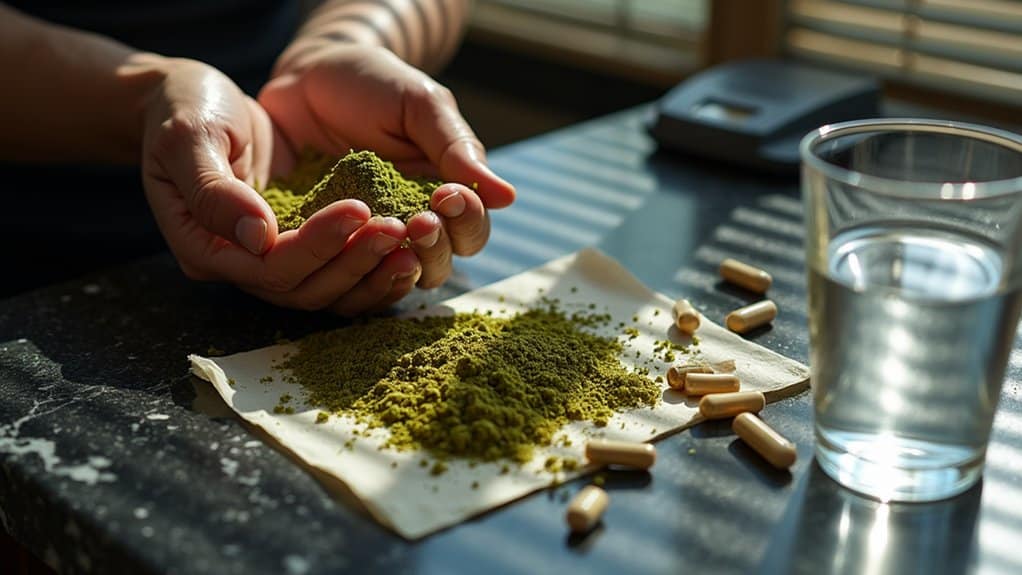
Kratom is widely marketed as a multi-purpose, natural supplement that can help with various things. Users are finding that kratom withdrawal can also be severe.
Scientifically known as Mitragyna speciosa, kratom comes from Southeast Asia and belongs to the coffee family. In low doses, kratom can increase energy levels and have stimulating effects; higher doses of kratom have opioid-like effects, including pain relief and sedation.
Kratom seems effective as an opioid replacement because it interacts with opioid receptors in the brain to produce results. Though kratom is not chemically similar to opioids, users report nearly identical but milder withdrawal symptoms when they stop using kratom. Knowing what to expect during kratom withdrawal can help people decide the safest way to quit and find the best addiction treatment options.
Is Kratom Legal?
In the United States, kratom is technically legal. Legal does not mean safe. The United States Food and Drug Administration (FDA) warns that kratom users are at risk for addiction, abuse, and dependence. Since 2012, the FDA has begun seizing and testing imports of dietary supplements containing kratom. Currently, there are no approved medical uses for kratom, and the Drug Enforcement Agency (DEA) lists kratom as a drug and chemical of concern but has not yet moved to list it as a controlled substance. Additionally, many batches of kratom have tested positive for bacteria and other contaminants.
Because kratom has roots in traditional medicine and is relatively new to the western drug market, several agencies, including the National Institute on Drug Abuse (NIDA) and the National Center for Complimentary and Integrative Health (NCCIH), are conducting studies on potential medical uses. Depending on the outcome of those studies, kratom’s legal status may change.
Kratom Uses
Overseas, kratom has been part of traditional herbal medicine and ceremonies for centuries. Kratom dependence and addiction are well documented in the same communities but are viewed differently from other substance use disorders.
More recently, in the United States, kratom has been marketed as a dietary supplement, a legal high, an alternative pain reliever, and a way to help ease opioid withdrawal symptoms. Typically sold in liquid, tablet, or powder form, it is readily available in gas stations, head shops, convenience stores, and online retailers.
The most common uses for kratom include:
- Increasing energy levels and motivation
- Increased focus
- Pain relief
- Mood booster
- Sedation
- Reducing anxiety
- Treating opioid addiction cravings
- Lessening opioid withdrawal symptoms
One of the main dangers of using kratom for anything listed above is that each batch can vary in strength, making dosage inconsistent, and self-medicating with any substance is dangerous. Because of these factors, taking kratom can have unpleasant, harmful effects and interactions, especially with prescription medications. Between 2010 and 2015, the Centers for Disease Control and Prevention (CDC) recorded a tenfold increase in calls to poison control centers involving kratom, many of them related to withdrawal symptoms in people who had recently quit cold turkey. Deaths involving kratom are low, partially because many places don’t test for it, and the ones where kratom is present often involve other drugs, making it hard to tell the leading cause of death.

Kratom Withdrawal Symptoms
Kratom withdrawal symptoms will vary for everyone and can begin as soon as a few hours after the last dose. People who have taken kratom once or twice are unlikely to experience withdrawal; however, chronic users with a dependence on kratom will experience kratom withdrawal symptoms ranging from mild to severe.
Factors like age, physical health conditions, co-occurring mental health disorders, polysubstance abuse, length of kratom addiction, and detox setting affect how people experience kratom withdrawal.
Kratom withdrawal symptoms and effects include:
- Muscle pain and soreness
- Cravings
- Spasms
- Hot flashes
- Sweating
- Nausea
- Vomiting
- Diarrhea
- Runny nose
- Watery eyes
- Flu-like symptoms
- Goosebumps
- Chills
- Mood swings
- Anxiety
- Depression
- Decreased appetite
- Changes in heart rate and blood pressure
- Dizziness
- Fatigue
- Insomnia
- Irritability
People attempting kratom detox are susceptible to dehydration due to the effects of some withdrawal symptoms, including sweating, nausea, vomiting, diarrhea, and lack of appetite, costing them vital liquids.
Medically supervised detox programs are advisable for withdrawal precisely because they treat unpleasant symptoms and monitor fluid and nutrient intake to ensure kratom users don’t face further complications.
Kratom Withdrawal Timeline
Much like withdrawal symptoms, kratom’s withdrawal timeline will vary for everyone. Medical professionals are still studying kratom withdrawal and all that it involves but generally estimate that it lasts between 7 to 10 days.
The standard kratom withdrawal timeline is as follows:
- 3 to 12 Hours After the Last Dose of Kratom
Cravings and anxiety increase, and muscle soreness and sweating will start.
- 12 to 24 hours After the Last Dose of Kratom
Flu-like symptoms, agitation, mood swings, and cravings will be intense. Vomiting, diarrhea, and fatigue will set it.
- 24 to 72 hours After the Last Dose of Kratom
Heavy and long-term kratom users may develop a fever and struggle with intense anxiety and depression, as well as more flu-like symptoms and appetite changes. The risk of relapse is high during this time frame because of how uncomfortable the physical and psychological symptoms can get.
- 3 to 7 days After the Last Dose of Kratom
Most symptoms will begin to lessen; however, the psychological cravings and distress caused by withdrawal may linger.
For heavy kratom users, especially ones with a history of opioid substance abuse and withdrawal, there is a risk of protracted withdrawal syndrome, causing withdrawal symptoms to reappear randomly for weeks to months.
When Kratom Withdrawal Symptoms Kick In
If you’ve been using kratom regularly, withdrawal symptoms typically begin within 6 to 12 hours after your last dose. You’ll likely notice irritability, restlessness, and anxiety first, followed by mild flu-like sensations including runny nose, watery eyes, and sweating. Muscle aches start subtly, while cravings for kratom emerge intensely.
Between 12 and 24 hours, kratom withdrawal progresses with abdominal cramping, nausea, and fever. You may experience insomnia and worsening mood swings during this phase.
By 24 to 48 hours, withdrawal symptoms heighten. Tremors, impaired coordination, and diarrhea can develop. Your anxiety escalates alongside early depression signs. Some individuals may also experience difficulty concentrating and jerky movements during this intense withdrawal period.
The timeline varies based on your dosage history, frequency of use, and overall health. Understanding this progression helps you prepare and seek appropriate medical support. Some individuals may experience post-acute withdrawal syndrome, where symptoms like mood changes, stress, and occasional cravings can persist for weeks to months after the last dose. Abruptly stopping kratom use can lead to severe complications, including seizures and psychosis, which is why medical supervision during withdrawal is strongly recommended.
Why Your Withdrawal May Be Milder or More Severe
Although kratom withdrawal follows a general pattern, your experience won’t mirror someone else’s exactly. Several factors determine whether you’ll face mild discomfort or more intense symptoms.
Your dosage plays a critical role, higher doses lead to more severe withdrawal, while low-dose users typically experience milder effects. Extracts containing 7-OH often produce particularly intense symptoms. Your duration of use matters equally; years of daily consumption creates deeper dependence than months of occasional use.
Other variables include polysubstance use, which complicates withdrawal considerably. If you’re using kratom alongside opioids or alcohol, expect heightened severity and potential medical complications. Pre-existing mental health conditions or chronic illness also worsen outcomes. Conversely, faster metabolism, good baseline health, and strong social support can ease your withdrawal timeline and intensity.
The First 72 Hours of Kratom Withdrawal Are the Hardest
Because kratom’s alkaloids clear your system relatively quickly, withdrawal symptoms typically emerge within 6-12 hours of your last dose. You’ll likely notice irritability, anxiety, and muscle aches first, followed by sweating and a runny nose. Cravings intensify rapidly during this initial phase.
The acute phase peaks between 24-72 hours, when symptoms reach maximum intensity. Your gastrointestinal system often bears significant impact, producing nausea, vomiting, cramps, and diarrhea.
What to expect during peak withdrawal:
- Physical symptoms including tremors, insomnia, and flu-like chills
- Psychological effects such as depression, panic episodes, and intense mood swings
- Symptoms resembling opioid withdrawal in severity
If you’re experiencing substance use disorder symptoms, medical supervision during these critical first days improves outcomes and safety.
Days 4 Through 7: The Worst Is Behind You
Once you’ve pushed through those grueling first 72 hours, days 4 through 7 mark a crucial turning point in your recovery. Physical symptoms like nausea, sweating, and muscle aches begin subsiding noticeably. Your gastrointestinal distress improves, and sleep patterns start normalizing after peak insomnia.
However, psychological challenges persist. Anxiety, depression, and irritability remain present, though at reduced intensity. Cravings continue but gradually weaken. Your focus shifts from physical discomfort to managing mental health symptoms.
Fatigue management becomes essential during this phase. Proper hydration, balanced nutrition, and adequate rest accelerate your body’s healing. While you’ll still experience tiredness, overall physical discomfort diminishes considerably.
Individual recovery varies based on dosage history, usage frequency, and overall health. Consider seeking professional guidance for lingering symptoms as you progress toward the post-acute recovery phase.
Lingering Effects That Can Last for Weeks

Even after the acute phase ends, you may experience lingering symptoms that persist for weeks or even months. Your CNS requires time to recalibrate after kratom dependence disrupts normal neurotransmitter function. During this subacute phase, you’ll notice gradual improvement, though recovery isn’t always linear.
Common lingering effects include:
- Psychological symptoms: Anxiety, depression, mood swings, and cravings may continue for two or more weeks, often triggered by stress
- Cognitive difficulties: Brain fog and concentration problems can persist as your CNS heals
- Physical discomfort: Fatigue, mild muscle aches, and sleep disturbances typically extend one to two weeks beyond the acute phase
Some individuals develop Post-Acute Withdrawal Syndrome, experiencing intermittent symptoms for months. Consistent support and professional guidance improve outcomes during this extended recovery period.
Detox is not the same as addiction treatment; instead, it is merely the first step toward recovery. While kratom is not officially a drug of abuse, kratom users tend to meet most of the criteria for substance use disorders and benefit from the same treatment plans addressing addiction’s physical, mental, and behavioral aspects.
Kratom Detox and Addiction Treatment
Another way of life is possible if you or a loved one is struggling with kratom addiction.
Northridge Addiction Treatment Center offers a fresh start in a therapeutic, nurturing environment, using only evidence-based treatments and a patient-centered approach to care.
At NATC, we work closely with you to understand your unique needs, goals, and circumstances. We personalize your treatment plan based on these assessments to meet you where you are and make you feel comfortable about substance-free living.
We offer onsite medical detox with 24-hour care and support to ensure your safety and mental well-being. We use dual diagnosis and medication-assisted treatment to properly uncover and treat co-occurring mental health conditions.
Contact us today to take your first steps toward a new and fulfilling life in recovery. Our compassionate and experienced treatment specialists can answer any questions about your treatment options.
Frequently Asked Questions
Can I Use Over-The-Counter Medications to Help Manage Kratom Withdrawal Symptoms?
You can use over-the-counter medications to help manage kratom withdrawal symptoms. Ibuprofen or acetaminophen addresses muscle aches, while anti-diarrheal and anti-nausea medications ease gastrointestinal distress. OTC sleep aids may help with insomnia short-term. These options work best for mild-to-moderate withdrawal. However, there’s no FDA-approved OTC treatment specifically for kratom withdrawal. If you’re experiencing severe symptoms, you should seek medical supervision rather than relying solely on home remedies.
Should I Taper off Kratom Gradually or Quit Cold Turkey?
You should taper off kratom gradually rather than quitting cold turkey. Tapering minimizes withdrawal severity, reduces peak physical and emotional distress, and lowers your relapse risk by managing cravings progressively. Cold turkey causes rapid symptom escalation within 6-48 hours, with intense nausea, muscle aches, and insomnia peaking days 1-4. If you’re a moderate-to-heavy user, gradual reduction under medical supervision gives you the safest path through dependence.
Is Kratom Withdrawal Dangerous Enough to Require Medical Supervision?
Kratom withdrawal rarely poses life-threatening risks, but you should seek medical supervision if you’ve used high doses multiple times daily or for extended periods. You need immediate medical attention if you experience severe depression with suicidal thoughts, persistent vomiting causing dehydration, high fever above 101°F, severe tremors, or seizures. If you have pre-existing mental health conditions or take other medications, professional monitoring helps safeguard your safety throughout withdrawal.
Will Kratom Withdrawal Show up on a Standard Drug Test?
No, kratom withdrawal won’t show up on a standard drug test. Standard 5-panel and 10-panel screenings don’t detect kratom’s active compounds, mitragynine and 7-hydroxymitragynine. These tests target substances like opiates, cocaine, and amphetamines, not kratom’s unique alkaloids. You’d only test positive if your employer or facility uses specialized testing like LC-MS/MS, which specifically targets kratom metabolites. However, contaminated products could potentially trigger false positives for opioids.
Can I Safely Use Kratom Again After Completing Withdrawal?
You shouldn’t safely resume kratom use after withdrawal. Restarting activates opioid receptors, triggering a new withdrawal cycle within 12-48 hours. You’ll face significant risks including renewed dependence, addiction, and serious health complications like respiratory suppression, liver damage, and seizures. Relapse rates remain high during recovery, often intensifying cravings and potentially leading to kratom use disorder. If you’re struggling with urges to resume use, consult a healthcare provider about evidence-based treatment options.