Synthetic marijuana, popularly called Spice and K2, is a common drug of abuse because it is easy to find, and standard drug tests cannot detect it. Although the most alarming reason is the misconception that it is natural and harmless. When, in fact, the risk of an emergency room visit is about 30 times higher with synthetic marijuana than marijuana.
What Is Synthetic Marijuana (K2/Spice)?
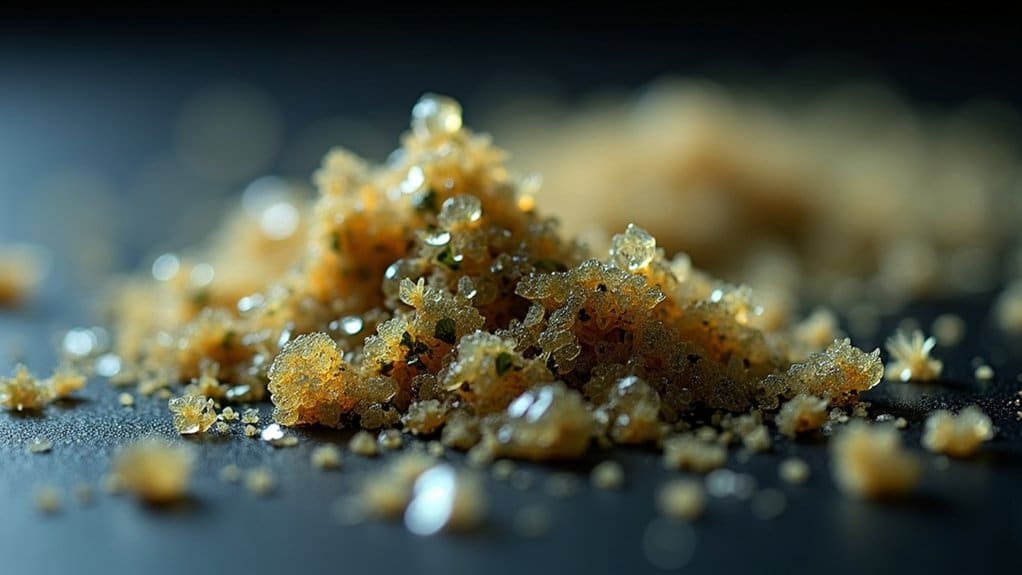
Marketed as a safe and legal substitute for marijuana, K2 and Spice are just two of the many brands intended to mimic tetrahydrocannabinol, THC, the psychoactive ingredient of marijuana, thus given the name synthetic marijuana or fake weed.
K2 and Spice are created in laboratories using chemical compounds called synthetic cannabinoids. These chemicals are called cannabinoids because the ingredients are similar to those found in the marijuana plant. However, it affects the brain much more powerfully than marijuana, and its side effects can be unpredictable and even life threatening.
Unlike natural cannabis, synthetic cannabinoids can act as full agonists at CB1 and CB2 receptors, binding more strongly than THC. This creates unpredictable potency and effects that vary enormously between batches. Researchers have identified over 100 different synthetic cannabinoid compounds, including HU-210, JWH-018, and JWH-073. These compounds are derived from diverse structural groups, including classical cannabinoids, cyclohexylphenols, naphthoylindoles, and tetramethylcyclopropylindoles.
U.S. poison control centers receive thousands of reports every year of dangerous health effects related to synthetic cannabinoids. In addition, calls associated with its use have more than doubled since 2010.
What Is K2/Spice Made Of?
The large majority of synthetic cannabinoids, K2/Spice, are manufactured in Asia without regulation or quality standards. The bulk of it is then smuggled into the U.S., usually as a misbranded import lacking legitimacy for any type of use. As a result, K2 and Spice are extremely dangerous because of their uncontrolled manufacturing process, inconsistency, and the unreliability of their varying ingredients.
Synthetic marijuana can include various ingredients. The only natural and known ingredient is dried shredded plant material typically sprayed with chemicals. These chemical compounds are generally in powder form and then dissolved with solutions such as acetone before being put on the dry plant material. Also, the chemical powder can dissolve within liquids sold to be inhaled in e cigarettes.
How K2/Spice Is Made and Sold
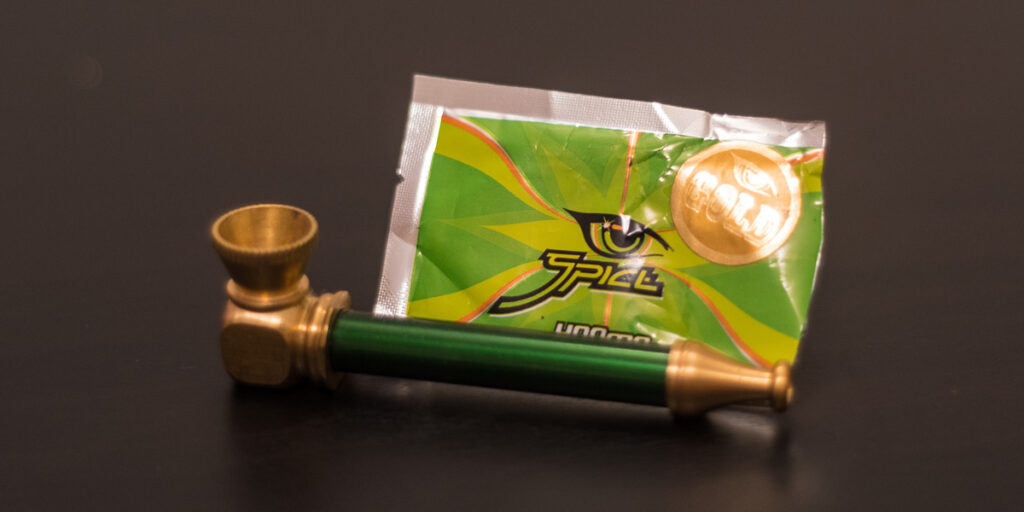
Manufacturers dissolve synthetic cannabinoids in solvents like acetone, then spray or mix them onto dried plant material, a process that creates wildly inconsistent potency levels between batches and even within the same package. Products are sold in metallic foil packets labeled as “herbal incense” or “potpourri” with “not for human consumption” disclaimers to evade legal restrictions.
| Production Stage | Process Details |
|---|---|
| Chemical Synthesis | Precursor chemicals undergo multi-stage reactions |
| Solvent Dissolution | Powder dissolved in acetone or ethanol |
| Spraying Application | Solution manually sprayed onto dried plant material |
| Drying Phase | Solvents evaporate, leaving variable concentrations |
| Packaging | Products labeled as incense to evade regulations |
Packaging is often designed to look harmless, small, colorful packets marketed as “natural blends” or “legal highs.” The phrase “not for human consumption” is a legal loophole, not a safety warning.
Forms and Uses
For years, K2 and Spice were easy to buy in gas stations, novelty stores, drug paraphernalia shops, or the internet. Although authorities have made some of their chemicals make-ups illegal, the loophole of manufacturer’s ever-changing formulas allows its continuing accessibility.
The most common way to use synthetic marijuana is by smoking it. Some people mix it with marijuana or brew it as tea, and others buy it inside of liquids to be vaporized.
What Does Synthetic Marijuana Look Like?
Manufacturers sell K2, Spice, and several other brands, including Joker, Black Mamba, Kush, and Kronic, in colorful packages to attract buyers, offering a natural and legal high. It is usually packaged in foil or plastic bottles and sold under the mask of “potpourri” or “herbal incense.”
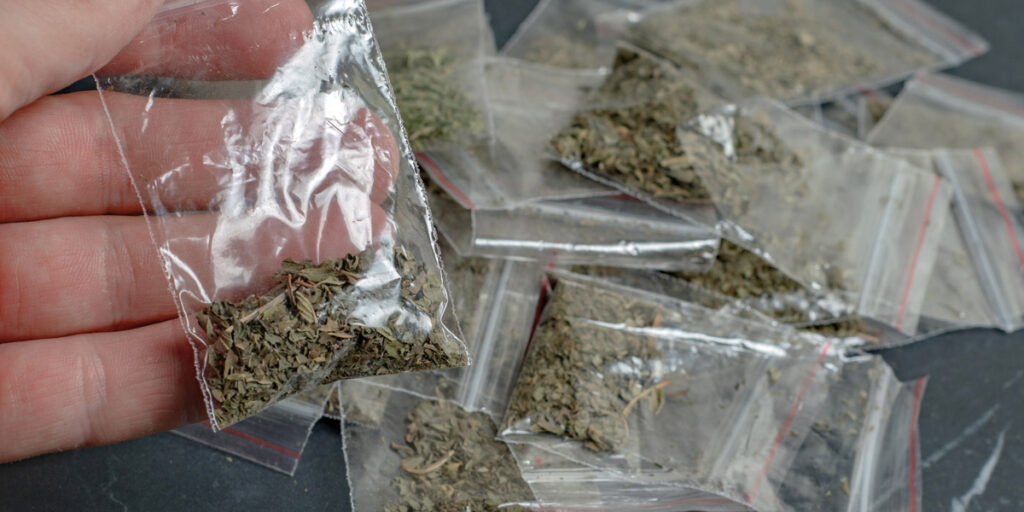
Meant to mirror marijuana; it looks like a dried, shredded plant. Although synthetic marijuana resembles marijuana and is sold as a safe alternative, it is linked to many more harmful effects than natural cannabinoids.
Street Names
Spice, K2, and the various other brands and blends of synthetic marijuana are called by a lot of different names such as:
- Blaze
- Bliss
- Red X Dawn
- Yucatan
- Genie
- Skunk
- Zohai
- Paradise
Is Synthetic Marijuana Legal?
The United States Drug Enforcement Administration (DEA) labeled K2, Spice, and other synthetic marijuana as a Schedule I drug, categorizing it as an illegal substance. However, numerous synthetic cannabinoids have been made and sold in the U.S., regardless of government restrictions.
K2 and Spice belong to a class of unregulated mind-altering substances that have been around for years but constantly reenter the market with new altered chemical forms, partly due to renewed popularity and partly to sidestep laws banning specific chemical formulas.
What Makes It So Dangerous?
The chemical composition of most synthetic cannabinoids is unknown and can change from one batch to another, ensuring unforeseeable and dangerous effects. Additionally, other harmful and potentially fatal substances may be mixed in, such as fentanyl or bath salts, to increase sales.
In 2018, there was an outbreak of people, mainly in Illinois, who reported severe bleeding after using synthetic marijuana products tainted with highly lethal rat poison.
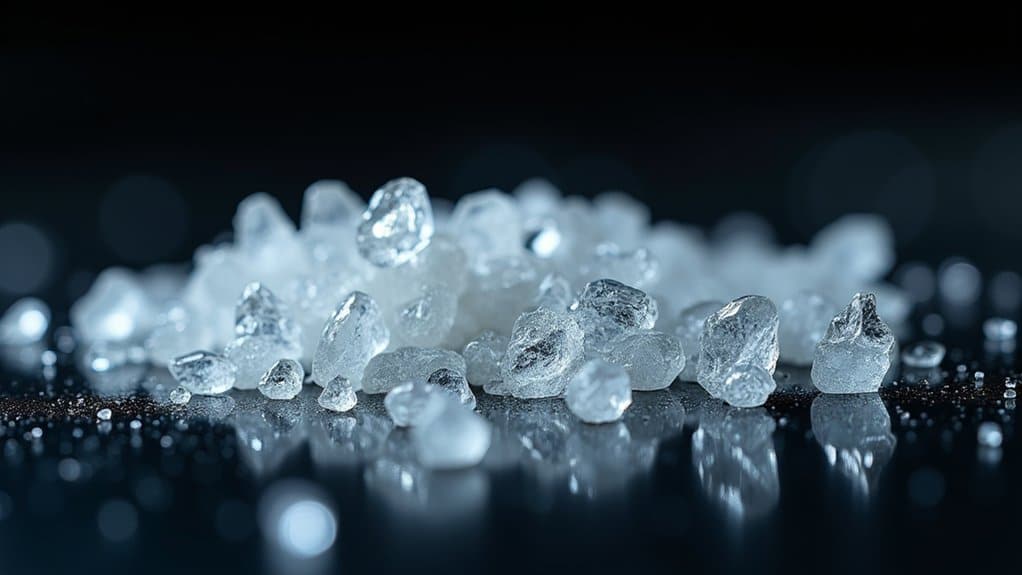
Even though these drugs target the same receptors as cannabis, synthetic cannabinoids can bind far more powerfully than THC, creating an intense and unpredictable high. Reported effects include severe agitation, seizures, tachycardia, psychosis, and organ injury. Because products may contain unlisted additives, every use can expose someone to unknown chemicals and higher overdose risk.
K2/Spice Effects, Signs, and Symptoms
The few scientific studies on the effects of synthetic cannabinoids reveal that it binds more strongly than marijuana to the brain’s cell receptors affected by natural cannabinoids, resulting in much more potent effects.
What K2/Spice Does to Your Body and Brain
Cardiovascular System Under Attack
These substances can place immediate stress on the cardiovascular system, including rapid heartbeat, blood pressure spikes, chest pain, and increased risk of serious cardiac events, even in young, otherwise healthy people.
Brain Receptor Overstimulation
Because many synthetic cannabinoids act as full agonists at CB1 receptors, they can trigger extreme anxiety, paranoia, hallucinations, and seizures, with some cases requiring ICU-level care.
Organ Failure Risks
Severe toxicity can affect multiple organs, including acute kidney injury, liver strain, and dangerous respiratory complications, depending on the compound and dose.
K2 and Spice’s side effects can involve many organs and is not well-known due to their unknown ingredients. Although, aside from elevated mood and relaxation, every other symptom is negative. Adverse results from consumption include:
- Cardiovascular, High blood pressure, elevated heart rate, arrhythmia, heart attack, and/or cardiac arrest
- Gastrointestinal, Nausea and/or vomiting
- Neurological, Agitation, irritability, seizures, sedation, memory loss, and/or coma
- Psychiatric, Anxiety, panic, and/or psychoses, including suicidal thoughts, violent behaviors, and/or self-injury
- Bleeding, Coughing up blood, blood in urine, bloody nose, bleeding gums, and/or internal bleeding
Death is also directly linked to synthetic cannabinoid use due to seizures, liver toxicity, kidney failure, and/or hypothermia.

Synthetic Marijuana Withdrawal
K2 and Spice are addictive, giving regular users that are trying to quit withdrawal symptoms. These symptoms include:
- Headaches
- Anxiety
- Depression
- Irritability
K2/Spice Overdose
Overdosing on synthetic marijuana is especially dangerous because when a patient enters the emergency room for treatment, the life-threatening toxins are unknown. This creates a problematic situation for doctors trying to identify the substance’s effects that need to be reversed. Moreover, the lack of available methods to detect the coupled compounds and the inconsistency of their composition create a uniquely grave set of circumstances.
Signs of a K2/Spice Overdose
Key overdose warning signs may include rapid heartbeat, chest pain, severe confusion, hallucinations, seizures, vomiting, or loss of consciousness. Because potency varies by batch, symptoms can escalate quickly.
- Cardiovascular distress: rapid heartbeat, chest pain, collapse
- Neurological symptoms: seizures, extreme agitation, confusion, unconsciousness
- Breathing problems: difficulty breathing or respiratory arrest
What to Do if Someone Overdoses
Call 911 immediately and stay with the person. Check breathing and responsiveness. If they stop breathing, start CPR. If vomiting occurs, place them in the recovery position to reduce choking risk.
Time is critical during a K2/Spice overdose, call 911 immediately and never leave the person alone.
Getting Help and Treatment for K2/Spice Addiction
If you or someone you know is battling a K2 or Spice addition, treatment for this substance is available. Recovering from a synthetic marijuana addiction can be challenging, but it is achievable.
Treatment often begins with medical detox and supervised support for withdrawal symptoms. After detox, structured care may include inpatient or residential treatment, evidence-based therapy (like CBT), and aftercare planning through ongoing counseling and support groups.
Northridge Addiction Treatment Center has a comprehensive residential treatment program that offers medical detox, medication assisted treatment and more. One of the biggest hurdles for people who don’t seek help is finances. But you may have an insurance plan that covers treatment. Fill out our confidential insurance verification form to find out. With NATC, paying for a better quality of life can be arranged in a variety of ways. Reach out now to start a journey for a life you deserve.
Frequently Asked Questions
Can K2/Spice Show up on a Standard Drug Test?
No, K2/Spice won’t show up on your standard drug test. Standard 5-panel, 10-panel, or even 12-panel screenings target natural THC, not synthetic cannabinoids. If you’re being tested specifically for K2/Spice, you’ll need a specialized panel that screens for synthetic cannabinoid metabolites.
Can You Become Addicted to K2/Spice After One Use?
Yes, some people can develop dependency quickly. Synthetic cannabinoids may bind more intensely than THC, and the unpredictable potency can increase cravings and withdrawal symptoms such as anxiety, irritability, and insomnia.
Why Do People Choose K2/Spice Over Natural Marijuana?
Common reasons include lower cost, availability, and attempts to avoid detection on standard THC drug tests. Some products are also falsely marketed as “legal” or “safe,” which is misleading.
Are There Any Long-Term Effects From Using K2/Spice?
Long-term effects may include cardiovascular complications, kidney injury, mood and cognitive problems, and ongoing dependence. Because the chemicals change frequently, the full long-term risks are still not fully known.