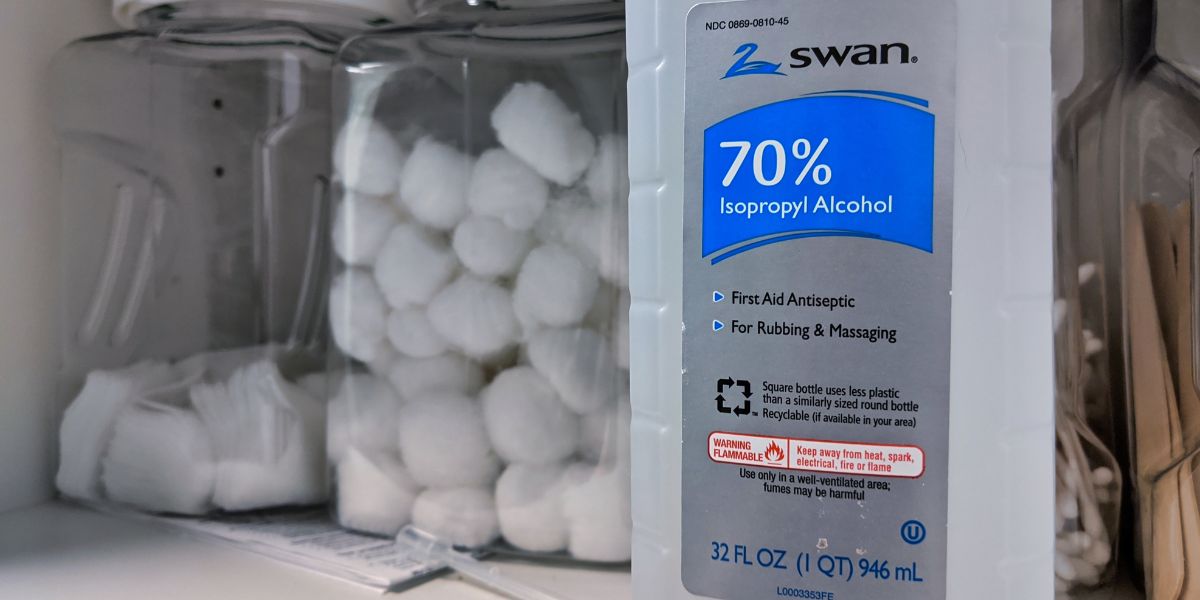
A 2010 National Survey on Drug Use and Health (NSDUH) revealed 793,000 individuals aged 12 or older had used inhalants for the first time within the past 12 months.
What Are Inhalants?
Although various substances can be misused when inhaled, inhalants are multiple substances that produce chemical vapors which individuals inhale to induce mind-altering effects.
The term inhalants describe a broad range of chemicals, rarely ever consumed by any other route than inhalation. This definition includes many substances that may produce different effects and can be found in many different products. As a result, precisely categorizing it is challenging.
However, established on the forms in which they are available in household, industrial, and medical products, there are four main types of inhalants. They include:
Solvents
Solvents, also referred to as volatile solvents, are liquids that vaporize at room temperature. These chemicals are in various inexpensive, readily available typical household, medical, and industrial products, including:
- Paint thinners or removers
- Dry cleaning fluids
- Gasoline
- Lighter fluid
- Art and office supplies such as White-Out, marker fluid, and glue
Aerosol Sprays
Aerosols are household sprays that contain solvents and a propellant, such as compressed gas. These items include:
- Spray paints
- Hair sprays
- Deodorant sprays
- Vegetables oil sprays
- Computer cleaning products
Gases
Gases include the fumes found in commercial and common household products as well as medical anesthetics. Nitrous oxide, commonly called “laughing gas,” is the most abused type of gas.
When used as a recreational drug, nitrous oxide or “hippie crack,” the street name for the gas, can be found inside cartridges of whip cream dispensers. These cartridges, referred to as “whippits” among people who use inhalants, are increasing nitrous oxide use because of their convenient and inexpensive source. However, nitrous oxide abuse is known to cause a vitamin B12 deficiency amongst various other harsh physical symptoms.
Common household or commercial products containing gas include:
- Butane lighters
- Propane tanks
- Whipped cream dispensers (inhale whippits)
- Refrigerants
Medical anesthetics include:
- Ether
- Chloroform
- Halothane
- Nitrous Oxide

Nitrates
Most inhalants interact with your central nervous system, except nitrates, which dilate and relax blood vessels. Additionally, they are used for their mind-altering and euphoric effects, while nitrates are used primarily as sexual pleasure enhancers.
Nitrate inhalants include:
- Cyclohexyl nitrate
- Isoamyl (amyl) nitrate
- Isobutyl (butyl) nitrate
Amyl nitrate was a prescription medication to treat heart or chest pains. Now, all nitrates are banned by the Consumer Product Safety Commission but are still sold in small brown bottles labeled as:
- Room odorizer
- Leather cleaner
- Video head cleaner
- Liquid aroma
Common Slang Terms
Some common street names for several types of inhalants include:
- Poppers
- Bold
- Laughing gas
- Rush
- Snappers
- Whippits
Huffing, Bagging, and Other Inhalant Abuse Methods
When you understand how inhalants are abused, you can better recognize warning signs and associated risks. Common methods include huffing (inhaling through a soaked rag), bagging (breathing concentrated vapors from a bag), sniffing (direct inhalation from containers), and spraying aerosols into the mouth or nose. Each technique carries serious dangers, including sudden sniffing death syndrome, oxygen displacement, and toxic chemical exposure that can cause permanent organ and neurological damage.
Common Inhalant Delivery Methods
Because inhalants produce effects within seconds of exposure, the delivery method vastly impacts both the intensity of intoxication and the risk of harm. When you use inhalant drugs, you’re likely employing one of several common techniques that concentrate toxic vapors for rapid absorption.
The primary delivery methods include:
- Huffing: Soaking a rag in the substance and placing it in your mouth for direct absorption
- Bagging: Pouring inhalants into a plastic bag and breathing concentrated fumes
- Sniffing: Inhaling directly from open containers like glue or paint bottles
- Spraying: Directing aerosol products into your mouth or nose
Research involving 684,000 adolescent users found huffing was the preferred method. Each technique increases vapor concentration, elevating both intoxication intensity and overdose risk drastically.
Dangers of Each Technique
Each delivery method described carries distinct dangers that extend far beyond the immediate high. When you huff directly from containers, you’re exposing your CNS to concentrated toxic chemicals that trigger irregular heart rhythms and sudden sniffing death. Bagging dramatically increases your suffocation risk as plastic or paper bags displace oxygen while concentrating fumes.
Volatile substance abuse through sniffing delivers toxins straight to your brain, causing encephalopathy and cerebral atrophy. Studies show 50-80% of regular users develop neurological disorders, including Parkinsonism and cognitive impairment.
Spraying aerosols into your mouth causes thermal burns and rapid heart failure. Enclosed-area use heightens asphyxiation dangers enormously. Regardless of technique, you’re risking irreversible damage to your heart, liver, kidneys, and brain, with approximately 200 annual U.S. deaths attributed to inhalant abuse.

Effects
Inhalants produce effects like alcohol because they depress the central nervous system and slow down brain activity similarly. Several brain regions are involved in the intoxicating, numbing, and reinforcing symptoms of different inhalants.
Most inhalants provide a rapid high, with initial effects of euphoria followed by:
- Drowsiness
- Loss of inhibition
- Dizziness
- Lightheadedness
- Agitation
Almost all solvents and gases produce a loss of sensation, and if enough is inhaled, inhalant abusers may experience memory loss that can lead to unconsciousness.
Chemicals found in gases, aerosol sprays, and solvents can induce a variety of effects linked to inhalant use, including:
- Nausea
- Loss of appetite
- Headache
- Distorted or slurred speech
- Lethargy
- Belligerence
- Depressed reflexes
- Muscle weakness
- Stupor
High doses can cause hallucinations, delirium, and confusion.
Inhaled nitrates, which, unlike other inhalants, increase heart rate and dilate blood vessels produce effects including:
- A sensation of heat
- Excitement
- Flushed skin
- Dizziness
- Headache
Additionally, nitrate abuse is often for sexual pleasure and performance, leading to unsafe sex practices and other risky behaviors and increasing the risk of a sexually transmitted disease (STD) such as HIV/AIDS.
What Inhalants Do to Your Body Right Away

Within seconds of inhaling volatile substances, chemicals rapidly travel from your lungs into your bloodstream and reach your central nervous system. You’ll experience immediate dizziness, lightheadedness, and euphoria similar to alcohol intoxication, but these effects last only minutes.
Your heart rhythm can become irregular and rapid, potentially triggering fatal cardiac failure. Meanwhile, chemical fumes displace oxygen in your lungs, compromising your brain’s oxygen supply and risking asphyxiation.
You may notice slurred speech, impaired coordination, and blurred vision as the chemicals affect your brain’s sensory processing. Hallucinations, confusion, and disorientation can occur at higher doses. Nausea, vomiting, and headaches commonly develop as vapors irritate your gastrointestinal system. The initial euphoria quickly crashes into lethargy, drowsiness, and impaired judgment.
Long-Term Health Damage From Inhalant Abuse
Because inhalants dissolve readily into fatty tissue, your brain becomes a primary target for accumulating damage with repeated use. Imaging studies reveal corpus callosum thinning, white matter lesions, and cerebral atrophy after chronic solvent exposure. These structural changes impair your thinking, memory, and coordination. You’ll experience diminished attention, slower processing speed, and visual-spatial deficits that persist long after you stop using.
Beyond your brain, inhalants systematically damage multiple organ systems. Your liver and kidneys sustain toxic injury, while bone marrow suppression compromises blood cell production. Cardiac toxicity can trigger irreversible heart inflammation and congestive heart failure. Peripheral nerves deteriorate, causing chronic pain, numbness, and weakness. You may develop permanent hearing loss and vision impairment from optic nerve damage. Mental health suffers too, depression, anxiety, and suicidal ideation occur at heightened rates among chronic users.

What are the Medical Risks of Inhalant Abuse?
According to the National Institute on Drug Abuse (NIDA)’s research report, approximately 100-200 deaths in the United States per year are related to inhalants.
The chemicals in inhalants are highly concentrated, and, aside from brain damage, they can cause irregular and rapid heart rhythms that lead to heart failure and death within minutes of extended use. This is known as “sudden sniffing death,” which can happen from a single use by a healthy person.
Sudden Sniffing Death and Other Fatal Inhalant Risks
The immediate effects described above can escalate to death within minutes, even during your first experience with inhalants. Sudden sniffing death syndrome occurs when inhalants sensitize your heart to stress hormones, triggering fatal cardiac arrest during moments of fear or physical exertion. This accounts for up to 50% of inhalant-related deaths, and 22% of victims had no prior history of inhalant use.
Other fatal mechanisms include:
- Suffocation from high concentrations displacing oxygen
- Asphyxiation when using bags or enclosed spaces
- Choking on vomit during intoxication
- Accidental injuries while impaired
If you witness someone collapse during inhalant use, immediate CPR and defibrillation can yield 38-69% survival rates. Bystander intervention remains critical for preventing fatalities.
Abuse can also lead to death by:
- Suffocation, from blocking air from entering the lungs when inhaling from a plastic or paper bag over the head
- Asphyxiation, from continuous inhalations which do not allow enough oxygen into the lungs
- Seizures, from inhalations causing abnormal electrical activity in the brain
- Coma, from the brain shutting down
- Choking, from inhaling vomit after use
- Injury, from accidents, like car crashes while driving intoxicated
Warning Signs Someone Is Abusing Inhalants
Recognizing inhalant abuse early can prevent the devastating organ damage and neurological impairment described above. You’ll want to watch for these key warning signs:
Early recognition of inhalant abuse warning signs can prevent permanent organ damage and life-threatening neurological complications.
- Physical indicators: Red eyes, runny nose, slurred speech, and chemical odors on breath or clothing
- Behavioral changes: Disorientation, irritability, depression, poor concentration, or unexplained mood swings
- Paraphernalia: Empty aerosol cans, solvent containers, chemical-soaked rags, or plastic bags hidden in unusual places
- Health deterioration: Weight loss, fatigue, unsteady gait, nosebleeds, or declining performance at school or work
If you notice paint stains or sores around someone’s mouth, this strongly suggests inhalant use. Overdose symptoms require immediate medical attention, watch for seizures, loss of consciousness, or irregular heartbeat. Early intervention substantially improves outcomes and reduces the risk of sudden sniffing death.
Inhalant Addiction
Although it is not common, chronic use of inhalants can cause addiction, and because of this, stopping use can cause withdrawal symptoms, such as:
- Sleeping problems
- Mood changes
- Loss of appetite
- Nausea
- Sweating
Can You Get Addicted to Inhalants?
Yes, you can become addicted to inhalants, though many people underestimate this risk because these substances are legal and widely available. In 2021, approximately 335,000 individuals over age 12 were diagnosed with inhalant use disorder, representing 0.1% of the population.
Addiction risk is particularly concerning for adolescents. About 58% of users begin before finishing 9th grade, and inhalants often serve as a gateway substance due to their accessibility. Among adolescent users, 1 in 7 inhale 50-99 days per year, while 1 in 13 use 100 or more days annually, patterns indicating compulsive use.
You should also know that physical dependence can develop alongside psychological addiction, making professional intervention essential for recovery. Early identification substantially improves treatment outcomes.
How to Help Someone Struggling With Inhalant Abuse
Helping someone overcome inhalant addiction requires a thorough approach that addresses both the physical and psychological aspects of dependence. Medical detoxification under professional supervision is essential, as inhalant withdrawal can present unique challenges requiring specialized care.
Effective treatment options include:
- Cognitive Behavioral Therapy (CBT) to identify negative patterns and develop coping strategies
- Motivational Interviewing to build internal motivation for recovery
- Inpatient programs providing 24/7 support for severe cases or co-occurring mental health disorders
- Outpatient treatment allowing individuals to maintain daily responsibilities while receiving care
Pharmacotherapy may help manage symptoms, medications like baclofen can reduce cravings, while antipsychotics address psychiatric complications. You should encourage connection with support groups and aftercare programs. SAMHSA’s National Helpline offers free, 24/7 referrals and information for those seeking help.
Addiction Treatment
Inhalants, nitrous oxide, or any drug abuse can be managed with the right treatment program. If you or a loved one is seeking rehabilitation, detox can be the most stressful part.
Our medically supervised detox program at Northridge Addiction Treatment center ensures a calm and comfortable environment with around-the-clock medical care to relieve withdrawal symptoms.
NATC integrates its detox program with a unique treatment plan tailored to every resident’s needs. Comfort and safety in a nurturing environment can foster your confidence for lasting recovery.
Call today to speak with one of NATC’s compassionate admission specialists.
Frequently Asked Questions
Are Inhalants Detectable on Standard Drug Tests?
No, standard drug tests won’t detect inhalants. Typical 5-panel or 10-panel screenings target substances like marijuana, cocaine, opiates, and amphetamines, not volatile substances like solvents or aerosols. Inhalants metabolize rapidly, often within hours, making routine detection difficult. If you’re concerned about inhalant use, specialized testing methods like headspace gas chromatography can identify metabolites such as hippuric acid, but these require specific requests and aren’t part of standard protocols.
How Long Do Inhalant Effects Typically Last After Use?
You’ll typically experience inhalant effects within 7-10 seconds of inhalation, with the high lasting anywhere from a few minutes to about an hour, depending on the substance. Solvents can produce effects lasting up to 45 minutes, while nitrous oxide and nitrites wear off within just a few minutes. After the initial high fades, you may experience aftereffects like headaches, drowsiness, nausea, or confusion that can persist for several days.
Can Inhalant Abuse Cause Permanent Brain Damage in Teenagers?
Yes, inhalant abuse can cause permanent brain damage in teenagers. Your developing brain is especially vulnerable because it’s still maturing. Chronic use disrupts white matter, impairs cognitive function, and damages the dopamine system. You may experience irreversible memory loss, learning difficulties, hearing loss, and coordination problems. Studies show hundreds of young people suffer permanent neurological damage annually from inhalants. The earlier and more frequently you use, the greater your risk of lifelong consequences.
Do Inhalants Interact Dangerously With Alcohol or Other Drugs?
Yes, inhalants interact dangerously with alcohol and other drugs. When you combine inhalants with alcohol, both depress your central nervous system, amplifying sedation and slowing your breathing and heart rate. This profoundly increases your overdose risk. Mixing inhalants with benzodiazepines or opioids creates similar dangers, including respiratory depression and loss of consciousness. Even stimulants pose risks, as the combination strains your cardiovascular system unpredictably. Avoid mixing these substances entirely.
Is Secondhand Exposure to Inhalant Fumes Harmful to Others Nearby?
Yes, secondhand exposure to inhalant fumes can harm you if you’re nearby. While direct research is limited, these toxic vapors contain chemicals absorbed through your lungs into your bloodstream, potentially causing respiratory irritation and cardiovascular stress. Children and pregnant women face heightened risks, including asphyxiation dangers from oxygen displacement. If you’re in enclosed spaces where someone’s using inhalants, you’re exposed to concentrated fumes that may trigger acute health effects similar to secondhand smoke exposure.