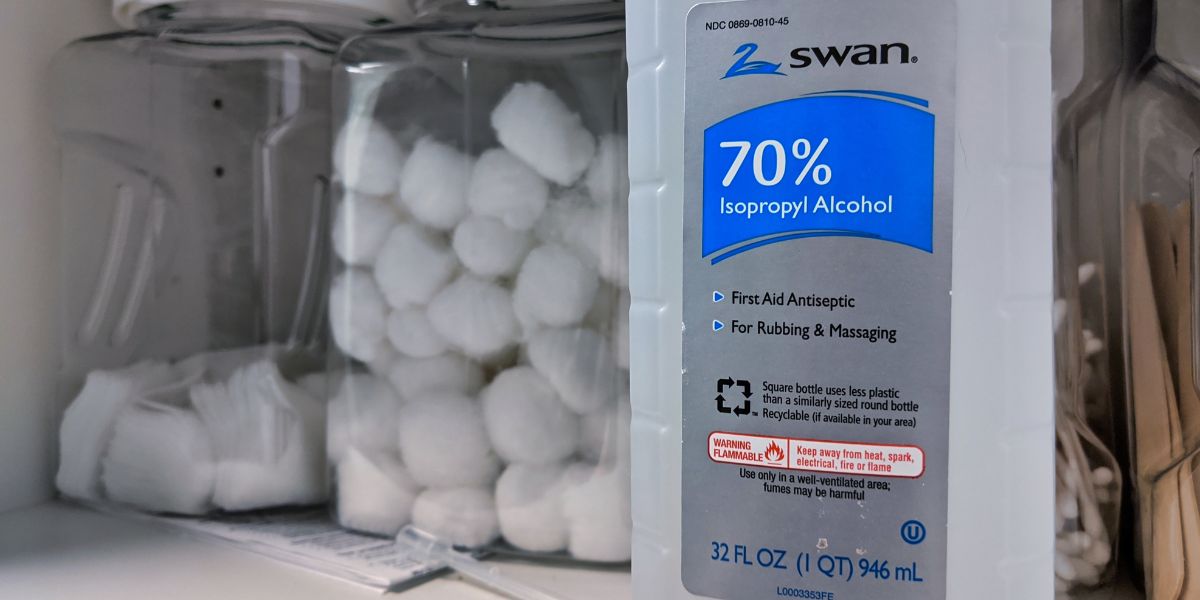
Inhaling vapors, commonly known as “huffing,” from everyday household items such as cleaning agents, nail polish remover, spray paints, paint thinners, and aerosol products induce a state akin to drunkenness characterized by slurred speech and impaired coordination.
Because the high from inhalants doesn’t last long, people often keep inhaling them, which can be dangerous. They risk “huffing death” or sudden sniffing death syndrome, as well as becoming addicted.
In 2021, the National Survey on Drug Use and Health (NSDUH) found that 2.2 million people aged 12 and older used inhalants in the past year.
What Is Huffing?
Huffing commonly refers to various forms of inhalant abuse. However, the National Institute on Drug Abuse (NIDA) specifically defines huffing as the act of inhaling vapors from toxic chemicals absorbed by chemical soaked rags, with users drawing the fumes through their nose or mouth.
Huffing involves inhaling volatile chemicals from common household products to achieve a rapid high. When you inhale solvents or aerosols, toluene and other toxins absorb quickly through your lungs into your bloodstream, causing inhalant intoxication and CNS depression. This affects your heart, lungs, and brain within seconds.
Why Do Kids Try Huffing?
Children and adolescents face significant volatile chemical risks because inhalants are often their first drug of abuse. Approximately 10.7% of users report inhalants as their initial substance. You should know that 59% of children are aware of friends huffing by age 12, demonstrating strong peer influence.
The addiction potential is real, these substances can lead to substance use disorder. Peak abuse occurs at age 14, making early intervention essential for prevention. Over a 15-year period, researchers documented that teens abused more than 3,400 different products by inhalation, highlighting the widespread availability of these dangerous substances.
Long-term inhalant abuse causes serious health consequences including weight loss, disorientation, and depression, along with irreversible organ damage to the heart, liver, and brain.
The NIDA explains how people can use inhalants, like huffing, in various ways.
- Huffing: This process involves drawing the substance into the lungs through a piece of fabric
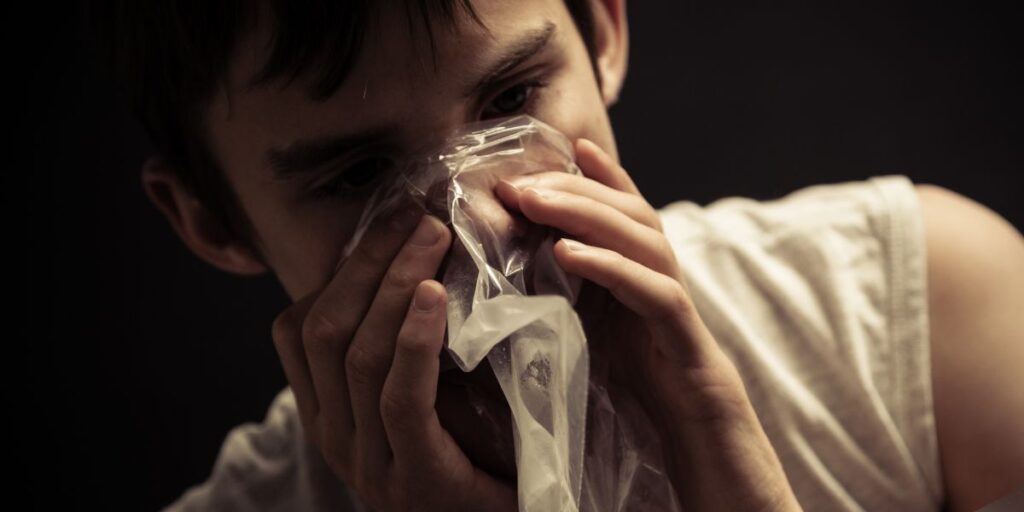
- Bagging: This technique involves breathing in the substance through a paper or plastic bag
- Sniffing or Snorting: This is accomplished by directly inhaling from the substance’s packaging
- Spraying: This involves dispersing the substance into the oral or nasal cavity
Everyday Products Kids Use to Get High
Because inhalant abuse requires no specialized equipment or illegal purchases, adolescents often turn to common household items already stocked in kitchens, garages, and bathrooms. You should recognize the most frequently misused categories:
- Volatile solvents, Glue containing toluene, paint thinners, nail polish remover, and correction fluid release fumes when exposed to air.
- Aerosol sprays, Hair spray, deodorants, spray paints, and air fresheners contain propellants that produce rapid intoxication.
- Gases, Nitrous oxide from whipped cream canisters, butane lighters, and computer duster sprays deliver concentrated inhalable chemicals.
- Cleaning products, Dry-cleaning fluids, lighter fluid, and degreasers emit toxic vapors easily inhaled.
You can’t eliminate these products from your home, but you can monitor quantities, secure storage areas, and watch for unexplained disappearances.
Inhalant Drugs
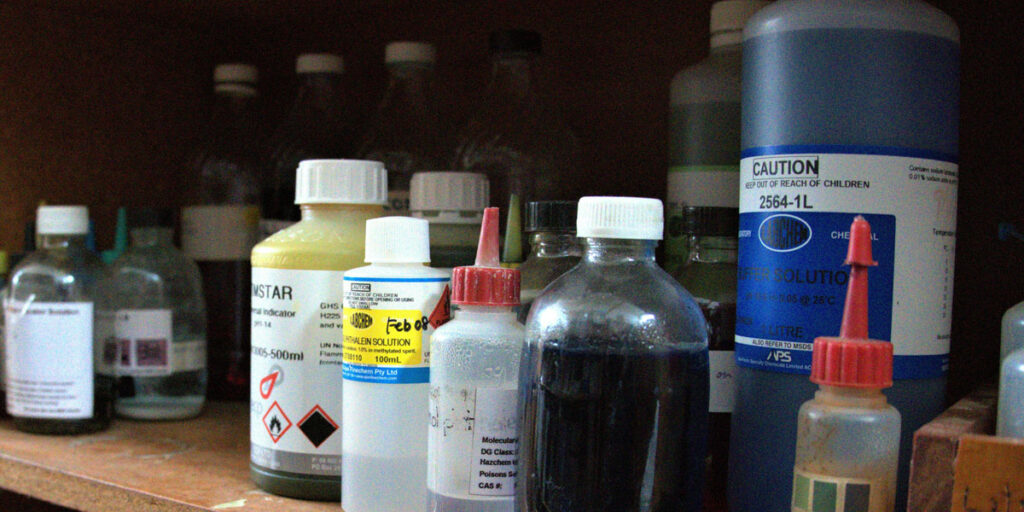
Inhalants are volatile solvents that emit toxic fumes, which can be inhaled to achieve psychoactive and euphoric effects. They are termed inhalants due to their primary method of use, through inhalation.
There are four types of inhalants: solvents, gases, aerosol sprays, and nitrtes:
- Solvents: These are readily available and commonly abused liquids such as gasoline, glue, degreasers, liquid felt-tip markers, and white-out.
- Aerosol sprays: This group encompasses aerosol paint, hairsprays, aerosol deodorants, cooking sprays such as vegetable oil, and textile protection sprays.
- Gases: These include both commercial and household products, including nitrous oxide, laughing gas, and chloroform. Common household items like butane, propane tanks, and whipped cream dispensers, often referred to as taking a “whippet,” are also included.
- Nitrates: Unlike the other categories, nitrates are used to enhance sexual pleasure and are typically sold in small bottles as room odorizers, leather cleaners, or liquid aromas.
Signs of Huffing
Signs of huffing or inhalant abuse may include:
- A chemical scent on garments or exhaled air
- Marks of paint on garments, facial skin, or palms
- Slowed reflexes
- Difficulty paying attention
- Slurred speech
- Red eyes and a runny nose
- Mood swings or irritability
Recognizing the signs of inhalant abuse early can help you intervene before your child suffers serious health consequences. Watch for physical indicators like sores around the mouth known as “huffer’s rash,” along with a persistent chemical odor on their breath or skin. Nosebleeds can also occur. Search your child’s room for hidden paraphernalia, including empty aerosol containers, soaked rags, or plastic bags with residue.
| Additional Physical Signs | Additional Behavioral/Environmental Signs |
|---|---|
| Sores around the mouth (“huffer’s rash”) | Hidden empty aerosol cans or solvent containers |
| Chemical-soaked rags or bags | Drunk or dazed appearance |
| Nosebleeds | Unexplained social withdrawal |
Effects of Huffing
Inhaling substances can harm the whole body. The body quickly absorbs them through the lungs into the bloodstream, and they then spread to the brain, spinal cord, and other organs.
Research shows that inhaling substances is extremely dangerous, causing lasting damage to the brain and nervous system.
Sudden Sniffing Death: Why Huffing Can Kill on the First Try
When you inhale volatile chemicals, they rapidly reach your heart and can trigger fatal cardiac arrhythmias, a phenomenon called sudden sniffing death syndrome that accounts for up to 50% of inhalant-related fatalities. Your heart becomes hypersensitive to adrenaline while simultaneously being deprived of adequate oxygen, creating conditions for cardiac arrest even during your very first experience with huffing. This isn’t a risk that builds over time; the combination of catecholamine sensitization and oxygen deprivation means any use, including experimentation, can cause immediate heart failure without warning.
Heart Failure Without Warning
Among the many dangers of inhalant abuse, sudden sniffing death syndrome (SSDS) stands out as the most devastating, it can strike without warning, even on someone’s very first use.
When you inhale volatile chemicals, they sensitize your heart to adrenaline. Any sudden stress, exertion, or startle response can trigger fatal ventricular arrhythmias. This huffing abuse causes organ damage that’s immediate and catastrophic.
Here’s what makes SSDS so dangerous:
- It occurs within minutes of inhalation, regardless of prior use history
- Physical activity or emotional stress dramatically increases your risk
- Common household products, butane, aerosols, spray paint, are frequent culprits
- Collapse happens rapidly, often before help arrives
You should know that immediate CPR and defibrillation greatly improve survival. However, unwitnessed collapses rarely result in positive outcomes.
Oxygen Deprivation Dangers
Beyond cardiac sensitization, oxygen deprivation represents another lethal mechanism that makes huffing dangerous from the very first breath. When you inhale volatile chemicals, they displace oxygen in your lungs, rapidly leading to asphyxiation. Your central nervous system becomes depressed, potentially triggering respiratory arrest before you realize what’s happening.
Bagging practices compound these risks greatly. You’re vitally cutting off your oxygen supply while simultaneously flooding your system with toxic hydrocarbons. If you spray aerosols directly, the sudden cooling of your larynx can cause fatal vagal depression.
The hydrocarbons reach your heart and brain within seconds of inhalation. Combined with hypoxia, this disrupts your myocardial electrical propagation even further. You don’t get warning signs, collapse occurs during or immediately after use, often proving fatal without immediate bystander CPR and defibrillation.
First-Time User Risks
Though many assume that dangerous health consequences require repeated exposure, sudden sniffing death syndrome proves fatally otherwise, it can strike the very first time you inhale. Your heart doesn’t need prior chemical exposure to fail catastrophically. Inhalants directly sensitize cardiac tissue, making your heart vulnerable to fatal arrhythmias within seconds of exposure.
The statistics are alarming:
- Over 684,000 adolescents aged 12-17 used inhalants in the past year, each facing first-use mortality risk
- Peak fatality vulnerability occurs at age 14
- Butane and propane demonstrate the highest fatality rates among inhalants
- More than 750,000 new users initiate annually nationwide
When you inhale these chemicals, an adrenaline surge can trigger ventricular arrhythmias that stop your heart instantly, no warning signs, no second chances.
Huffing Short-Term Effects
Huffing produces pleasurable effects by depressing the central nervous system and dilating blood vessels, though these sensations are fleeting. Inhalant use can quickly make you feel high, similar to being drunk. It starts with feeling excited and then leads to decreased abilities.
The short-term effects of huffing are:
- Experiencing disorientation and extreme confusion
- Lack of coordination
- Sensing dizziness
- Feeling drowsy
- Experiencing nausea and vomiting
- Having slurred speech
- Experiencing muscle weakness
- Feeling extremely lethargic
- Suffering from headaches
- Displaying clumsy movements
- Exhibiting aggressive behavior
What Huffing Does to the Brain, Heart, and Body

Virtually every organ system suffers damage when you repeatedly inhale volatile substances. Your brain experiences cerebral atrophy, cerebellar damage causing coordination loss, and deterioration of the protective nerve sheath that controls thinking, movement, and sensory function.
Your heart faces lethal risks. Concentrated chemicals trigger ventricular arrhythmias, causing “sudden sniffing death syndrome”, even during your first use. Chronic exposure leads to irreversible inflammation and congestive heart failure.
| System | Acute Effects | Chronic Effects |
|---|---|---|
| Respiratory | Suffocation, wheezing | Emphysema, bronchitis |
| Liver/Kidney | Abdominal pain | Organ failure, acidosis |
Beyond these major organs, you’ll experience bone marrow suppression, hearing loss, muscle weakness from rhabdomyolysis, and immune system dysfunction. Each exposure compounds irreversible damage throughout your body.
Huffing Long-Term Effects
Inhalants impact the central nervous system by diminishing brain activity.
Persistent inhalant use can lead to serious health issues, such as:
- Decreased auditory and olfactory functions
- Impaired memory
- Liver and kidney impairment
- Damage to bone marrow
- Irregular cardiac rhythms
- Dependency and addiction
- Risk of coma
- Permanent damage to the brain
- Heart failure because of sudden sniffing death syndrome
Withdrawal Symptoms of Huffing
Continuous inhalant use can lead to a mild withdrawal syndrome characterized by various symptoms, including:
- Nausea, perspiration, and abdominal cramps
- Decreased appetite
- Sleep disturbances
- Migraines
- Trembling or shakiness
- Visual hallucinations
- Spots in your vision
- Mood swings
How to Get Help for Inhalant Addiction
If you recognize warning signs of inhalant addiction in yourself or a loved one, such as chemical odors on breath or clothing, slurred speech, or hidden containers, you should seek professional help immediately. Treatment options range from medically supervised detoxification and inpatient rehabilitation to outpatient programs featuring cognitive behavioral therapy, motivational interviewing, and contingency management. Long-term recovery success depends on ongoing support through counseling, 12-step programs, and addressing any co-occurring mental health conditions that may contribute to substance use.
Recognizing Addiction Warning Signs
Recognizing the warning signs of inhalant addiction early can considerably improve treatment outcomes and prevent life-threatening complications. You should monitor for physical indicators like chemical odors on breath or clothing, sores around the mouth, and persistent red or runny eyes.
Watch for these key behavioral and environmental warning signs:
- Slurred speech, disorientation, or unexplained mood changes including irritability and hostility
- Hidden empty aerosol cans, spray paint containers, or solvent bottles
- Chemical-soaked rags, plastic bags, or balloons in personal spaces
- Declining concentration, poor academic or work performance, and social withdrawal
If you notice withdrawal symptoms such as tremors, intense cravings, or severe headaches when use stops, addiction has likely developed. Don’t wait, contact a healthcare provider or addiction specialist immediately for evaluation.
Treatment Options Available
Several effective treatment pathways exist for inhalant addiction, and understanding your options helps you make informed decisions about recovery.
Detoxification and Inpatient Care
Medical detox provides supervised withdrawal management, addressing symptoms like anxiety, cravings, and depression. Inpatient rehabilitation offers 24/7 support in a substance-free environment, combining medical monitoring with individual, group, and family therapy.
Behavioral Therapies
Cognitive Behavioral Therapy helps you identify triggers and build coping skills. Motivational Interviewing strengthens your commitment to change, while Contingency Management rewards sobriety milestones.
Medication and Outpatient Support
Though no FDA-approved medications target inhalant abuse specifically, doctors can prescribe treatments for co-occurring conditions. Intensive Outpatient Programs let you maintain daily responsibilities while receiving therapy. Support groups and SAMHSA’s 24/7 helpline (1-800-662-4357) provide ongoing recovery resources.
Supporting Recovery Long-Term
Completing initial treatment marks a significant milestone, but sustained recovery from inhalant addiction requires ongoing commitment and structured support. You’ll find that effective aftercare programs provide the ongoing therapy needed to resist inhalants and achieve long-term recovery. These programs specifically address environmental, emotional, and social triggers that could lead to recurrence.
Your recovery plan should include:
- Continued behavioral therapy to address root causes and everyday stressors acting as triggers
- Regular aftercare participation to reduce recurrence risk after initial recovery
- Medication management when prescribed, such as lamotrigine to reduce cravings
- Lifestyle modifications that support abstinence and healthier choices
If you experience a recurrence, don’t view it as failure. Instead, it signals the need for adjusted treatment plans tailored to your evolving needs.
Inhalant Abuse Treatment at Northridge Addiction Treatment Center
Teaching kids about the risks of huffing and inhaling chemicals is important to stop them from doing it as adults. If you are addicted to inhalants and need help, there are treatment options available. These options are caring and effective for substance abuse.
Northridge Addiction Treatment Center uses proven methods and therapies based on research to help with substance abuse and mental health issues. Research has shown that behavioral therapy is the most effective form of treatment for inhalant abuse and other addictions to drugs and alcohol.
NATC offers evidence-based therapies, such as cognitive behavioral therapy (CBT). These treatments help people recognize, avoid, and handle triggers and tough situations. The aim is to build coping skills. Our proficient and certified group of experts offers empowering assistance and empathy to every resident.
Contact us today to sow the seeds of sobriety and attain the drug-free life you deserve. Our treatment specialists are ready and eager to assist you.
Frequently Asked Questions
How Long Do the Effects of Huffing Typically Last After Inhalation?
When you inhale solvents, you’ll experience effects within minutes that typically last 15-45 minutes without additional inhalation. If you continue inhaling, effects can persist for several hours. Nitrous oxide and nitrites work faster but wear off within just a few minutes, which often leads to repeated use. After the high fades, you’ll likely feel drowsy and may experience hangover symptoms, including headaches, nausea, and tremors, lasting up to several days.
Can Inhalant Abuse Be Detected Through Standard Drug Tests?
You won’t detect inhalant abuse through standard drug tests. SAMHSA-compliant panels screen for common substances like marijuana, cocaine, and opiates, not inhalants. These volatile chemicals metabolize rapidly, often within hours, making detection challenging. If you suspect inhalant abuse, you’ll need to request specialized testing, such as hair analysis or gas chromatography. Physical signs, paint stains, chemical breath odor, or facial sores, often provide more reliable indicators than routine urinalysis.
Are There Medications Available to Treat Inhalant Withdrawal Symptoms?
You won’t find FDA-approved medications specifically for inhalant withdrawal, but doctors can still help manage your symptoms. Benzodiazepines serve as first-line treatment due to cross-tolerance with inhalants. Baclofen has shown promise in reducing withdrawal symptoms and cravings in case studies. For ongoing cravings, your provider might consider lamotrigine, buspirone, or risperidone. You’ll receive supportive care in either inpatient or outpatient settings, with treatment tailored to your specific symptoms.
What Age Group Has the Highest Rate of First-Time Inhalant Use?
Ages 13-14 show the highest rate of first-time inhalant use. You should know that initiating use at this age carries six times greater risk of developing dependence compared to starting at ages 15-17. Research confirms that inhalants are often the first substance children try, even before cigarettes or alcohol. By eighth grade, one in five U.S. students has used inhalants, making early prevention efforts critical for this vulnerable population.
Do Inhalant Users Typically Progress to Abusing Other Drugs Later?
Yes, you’re at considerably heightened risk for progressing to other substances. If you’ve used inhalants by ages 12-13, you’re nearly five times more probable to try other psychoactive drugs. Early-onset use links to later heroin and intravenous drug use. Research shows you’ll often develop co-occurring substance use disorders, with inhalant-dependent adolescents exhibiting higher rates of multiple drug abuse. This polydrug pattern makes early intervention essential for your recovery.