To relieve body aches after drinking, you’ll need to address dehydration and inflammation simultaneously. Start with an electrolyte solution, sodium-glucose co-transport enhances fluid absorption better than plain water. If you need pain relief, ibuprofen offers a 65% pain-free rate at two hours, but take it with food and avoid acetaminophen within 24 hours of drinking. Anti-inflammatory foods like ginger and omega-3-rich salmon can further reduce discomfort, while the strategies below provide thorough recovery support. To relieve body aches after drinking, you’ll need to address dehydration and inflammation simultaneously, the core drivers of muscle soreness after alcohol. Start with an electrolyte solution, as sodium, glucose co-transport enhances fluid absorption more effectively than plain water. If pain relief is needed, ibuprofen can offer a high rate of short-term relief, but take it with food and avoid acetaminophen within 24 hours of drinking to reduce liver strain. Anti-inflammatory foods like ginger and omega-3-rich salmon can further ease discomfort, while layered recovery strategies provide more comprehensive support.
Why Alcohol Makes Your Whole Body Ache

When alcohol enters your bloodstream, it triggers a cascade of physiological responses that leave your muscles, joints, and connective tissues aching. Ethanol suppresses antidiuretic hormone, causing your kidneys to excrete up to four times the fluid you’ve consumed. This dehydration depletes synovial fluid in joints and starves muscle tissue of oxygen. Electrolyte losses, especially sodium, potassium, and magnesium, further trigger muscle cramps and intensify soreness throughout your body. When alcohol enters your bloodstream, it triggers a cascade of physiological responses that explain why body hurts after drinking. Ethanol suppresses antidiuretic hormone, causing your kidneys to excrete up to four times the fluid you’ve consumed. This dehydration depletes synovial fluid in joints and starves muscle tissue of oxygen. Electrolyte losses, especially sodium, potassium, and magnesium, further provoke muscle cramps and intensify soreness throughout your body.
Your liver converts ethanol to acetaldehyde, a toxic compound that damages contractile proteins and impairs calcium release channels. Understanding how to cure body aches after drinking starts with recognizing this oxidative stress. Meanwhile, alcohol disrupts your gut barrier, releasing pro-inflammatory cytokines like TNF-α and IL-6 throughout your body. Alcohol also reduces growth hormone secretion by up to 70%, significantly slowing your body’s natural muscle recovery process. To reduce body aches alcohol causes, you’ll need targeted hangover pain relief body strategies that address dehydration, inflammation, and electrolyte imbalances simultaneously.
How to Rehydrate and Stop Hangover Pain Fast
Although your body craves immediate relief, gulping large amounts of plain water won’t effectively reverse alcohol-induced dehydration. Electrolyte solutions rehydrate faster by creating an osmotic gradient that enhances intestinal absorption. Sodium-glucose co-transport mechanisms improve fluid retention, making oral rehydration solutions clinically superior to water alone.
To prevent soreness after drinking, alternate each alcoholic beverage with 8-12 ounces of water or electrolytes. Consume 16 ounces before bed and sip 16-24 ounces during your first waking hour. Starting your evening well-hydrated with a meal containing sodium and carbohydrates can also reduce the severity of next-day symptoms.
For alcohol body pain relief, consider a DIY solution: mix ¼ teaspoon salt and one tablespoon honey in 16 ounces water. This mimics WHO rehydration protocols. Korean pear juice may decrease hangover severity by 16-21% through enhanced enzyme detoxification. Pair hydration with bland, sodium-rich foods for ideal recovery. Proper rehydration also helps your body manage the toxic effects of acetaldehyde, the first metabolite produced during alcohol breakdown that contributes to hangover symptoms.
Safe Pain Relievers for Hangover Body Aches
Because alcohol depletes your body’s protective mechanisms and irritates your stomach lining, choosing the right pain reliever requires careful consideration. Ibuprofen achieves a 65% pain-free rate at 2 hours and offers lower hepatotoxicity risk than acetaminophen post-alcohol consumption.
| Pain Reliever | 2-Hour Efficacy | Key Risk |
|---|---|---|
| Ibuprofen 400mg | 65% pain-free | Gastric bleeding |
| Acetaminophen 1000mg | 52% pain-free | Liver toxicity |
| Aspirin 1000mg | 48% pain-free | Stomach irritation |
You should avoid acetaminophen if you’ve consumed alcohol within 12-24 hours, as it elevates liver enzymes in 8.3% of cases. Take NSAIDs with food and fluids, spacing doses at least 6 hours apart. Don’t exceed 2-3 days of use. If you’ve had more than 4 drinks, NSAIDs substantially increase gastric bleeding risk. According to 2025 FDA guidelines, the maximum daily acetaminophen dose is 2,000mg for those who consumed alcohol in the past 24 hours. NSAIDs may also help by counteracting pro-inflammatory effects of ethanol and its metabolites, which contribute to hangover symptoms.
Anti-Inflammatory Foods That Ease the Hurt
Anti-inflammatory foods can accelerate your body’s recovery by targeting the same inflammatory pathways that alcohol activates. Omega-3 fatty acids found in salmon deliver DHA and EPA, which reduce joint pain and lower your body’s inflammatory response after heavy drinking. If fish irritates your stomach, flaxseed or walnuts provide similar benefits.
Ginger’s active compound, 6-gingerol, shields your cells from alcohol-induced oxidative damage while easing nausea. Turmeric’s curcumin inhibits chronic inflammatory signals and protects your liver from alcohol toxicity.
You’ll benefit from berries high in antioxidants and oranges providing vitamin C that supports glutathione production for alcohol breakdown. Green tea’s catechins offer additional liver protection. Bananas replenish potassium lost through alcohol’s diuretic effects. Incorporate these foods cautiously, as individual tolerance varies during recovery. Keep in mind that full hangover recovery can take 24 hours, so patience with your body is essential during this process.
What to Eat When Your Stomach Can Handle It
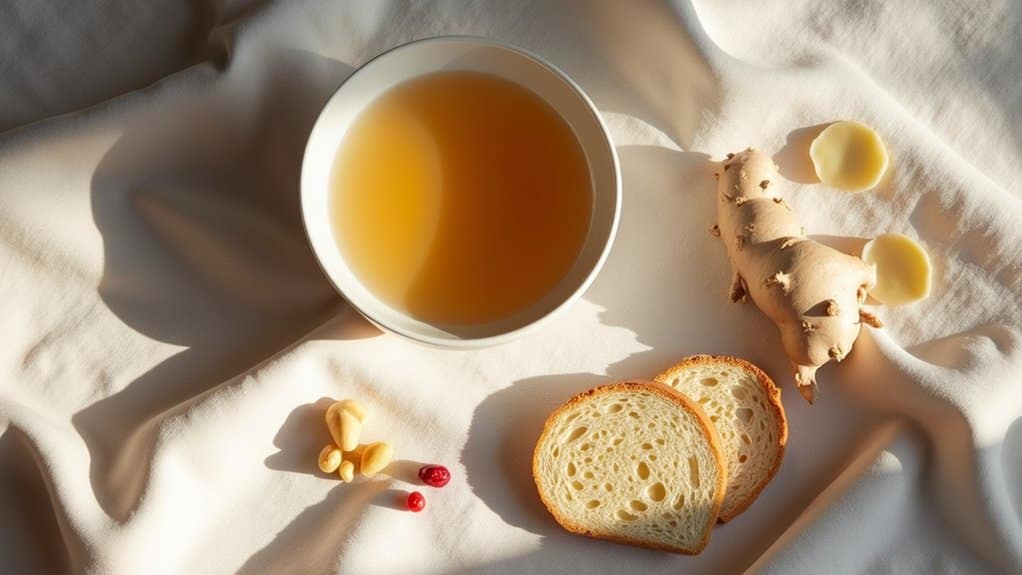
When your stomach feels stable enough for solid food, bland carbohydrates like toast, crackers, or oatmeal provide slow-release energy without triggering further digestive distress. These starchy options help stabilize blood sugar levels that alcohol consumption has disrupted while delivering essential B vitamins and minerals your body needs for recovery. Bananas are also an excellent choice because they are high in potassium to restore the electrolyte balance lost from alcohol’s diuretic effects. Ginger, whether consumed as tea, chews, or fresh root, offers clinically recognized anti-nausea properties and anti-inflammatory benefits that can ease both stomach upset and body aches simultaneously. Eggs are another excellent recovery food because they contain cysteine, an amino acid that helps break down acetaldehyde, a toxic byproduct of alcohol metabolism.
Bland Carbs for Energy
After your stomach settles enough to tolerate solid food, bland carbohydrates can help restore depleted glycogen stores and stabilize blood sugar levels that alcohol disrupted.
| Food | Key Benefit |
|---|---|
| Toast/Whole-Grain Bread | Complex carbs provide slow energy release without blood sugar spikes |
| Oatmeal | Contains B vitamins, iron, and magnesium supporting recovery |
| Bananas | Delivers potassium to replenish lost electrolytes |
Research from 2003 links complex carbohydrate consumption to improved mood and reduced fatigue, both common hangover complaints. You’ll want to start with small portions to assess tolerance. Research from 2003 links complex carbohydrate consumption to improved mood and reduced fatigue, both common hangover complaints, which can be especially helpful when dealing with body aches and chills after drinking. You’ll want to start with small portions to assess tolerance and support steady energy restoration without worsening nausea.
Choose sourdough or seeded bread varieties for additional fiber and electrolytes. Pair toast with avocado or eggs to add potassium and protein. Avoid adding excessive sugar to oatmeal, as this can trigger blood sugar instability and worsen fatigue symptoms. The soluble fiber in oatmeal can also help soothe the digestive system and relieve nausea that often accompanies hangover recovery. These nutrient-dense carbohydrates also help address the inflammation and oxidative stress generated by alcohol metabolism byproducts.
Ginger Soothes Nausea
Ginger has demonstrated significant anti-nausea effects across clinical settings, reducing chemotherapy-induced nausea by up to 40% at doses of 1, 1.5 grams daily. Systematic reviews confirm ginger outperforms placebo for postoperative nausea and matches metoclopramide’s effectiveness. The compound works by increasing digestive responsiveness, accelerating gastric emptying, and reducing electrical stomach activity associated with nausea. Ginger’s antiemetic properties are attributed to active compounds including gingerols, shogaols, and galanolactone.
For alcohol-related stomach upset, you can try 1,000, 1,500 mg daily, divided into multiple doses. Ginger alleviates intestinal cramping and prevents bloating by decreasing digestive tract pressure. Clinical trials show effectiveness peaks 6, 24 hours after consumption. Research has also shown ginger to be effective for morning sickness in pregnant women.
However, you shouldn’t exceed recommended amounts without consulting a healthcare provider. While generally safe, ginger may interact with certain medications. If nausea persists beyond typical hangover duration, you should seek medical evaluation.
Gentle Stretches to Loosen Sore Muscles
Gentle stretching can help relieve the muscle tension and stiffness that often accompany alcohol-related body aches. You’ll want to start with neck and shoulder rolls, tilting your head side to side and rotating your shoulders forward and backward to release upper body tightness caused by dehydration and poor sleep posture. Lower back stretches, such as the cat-cow movement on all fours, can improve spinal circulation and help break down lactic acid buildup that contributes to soreness. These gentle movements support blood flow to muscles and joints, promoting the circulation needed for recovery.
Neck and Shoulder Rolls
When alcohol-induced muscle tension settles into your neck and shoulders, targeted stretching exercises can provide measurable relief. Research demonstrates that twice-daily stretching reduces pain by 1.4 points on standardized pain scales and improves neck function considerably.
For shoulder rolls, lift your shoulders toward your ears, hold for 10-15 seconds, then roll forward and backward. This engages your trapezius, deltoids, rhomboids, and levator scapulae muscles while activating a relaxation reflex that lowers blood pressure.
For neck rolls, begin with your chin to chest, slowly rotating your head to one side, back, opposite side, then forward. Breathe deeply throughout, inhale while lifting, exhale while lowering.
Move within a comfortable range and stop if you experience sharp pain. These exercises shouldn’t replace medical evaluation for persistent symptoms.
Lower Back Stretches
Moving beyond the neck and shoulders, alcohol-related muscle tension frequently affects the lumbar spine, where dehydration and inflammatory responses can intensify existing stiffness. You’ll find targeted stretches essential for restoring mobility and reducing discomfort in this vulnerable region.
Begin with the lower back twist: lie supine with knees bent, then lower both knees to one side while keeping shoulders grounded. Hold 15-30 seconds before alternating. The knee-to-chest stretch elongates tight lumbar muscles, gently pull one knee toward your chest, holding 5-60 seconds per leg.
For dynamic relief, perform the cat-cow stretch on hands and knees, alternating between spinal flexion and extension for 15-20 repetitions. If you’re experiencing acute pain or neurological symptoms like numbness, discontinue stretching and consult a healthcare provider immediately.
Why Sleep Is the Best Hangover Cure
Most hangover symptoms resolve more effectively through sleep than through any available remedy. Your body requires approximately one hour to metabolize each drink, making extended rest critical after heavy consumption. During sleep, your liver produces greater quantities of alcohol dehydrogenase and acetaldehyde dehydrogenase, enzymes essential for converting ethanol into forms your body can eliminate.
Sleep also enables your immune system to normalize inflammatory responses triggered by alcohol. Brain fogginess, concentration problems, and psychomotor impairment all improve as your central nervous system recovers during rest cycles.
Research shows no placebo-controlled studies demonstrate that active hangover treatments outperform natural sleep recovery. Unlike pharmacological interventions, sleep achieves symptom reduction through physiological processes without potential side effects. Rest remains the most accessible, cost-free approach to hangover recovery.
Frequently Asked Questions
Can Drinking Alcohol Cause Joint Pain That Lasts for Several Days?
Yes, alcohol can trigger joint pain lasting several days, though it’s not typically a primary cause of joint conditions. When you drink heavily, you increase uric acid levels and inflammatory cytokines, which can aggravate existing arthritis or trigger gout flares. Your body’s impaired sleep quality and reduced healing capacity extend discomfort duration. If you’re experiencing persistent joint pain after drinking, you should consult a healthcare provider to rule out underlying conditions.
Does Mixing Different Types of Alcohol Make Body Aches Worse?
Mixing different types of alcohol doesn’t directly worsen body aches, but it often leads to consuming more total alcohol without realizing it. You’re also more likely to ingest higher levels of congeners when switching between dark liquors and other beverages. The combination of increased alcohol volume, unpredictable blood alcohol levels, and added sugars from various mixers intensifies inflammation and dehydration, both key contributors to post-drinking muscle and joint pain.
Why Do My Legs Hurt More Than Other Body Parts After Drinking?
Your legs hurt more because they’re particularly vulnerable to alcohol’s effects on circulation and hydration. As a diuretic, alcohol depletes fluid and electrolytes that your leg muscles desperately need, causing cramps and soreness. Poor circulation from lowered blood pressure reduces oxygen delivery to these large muscle groups. You should also watch for signs of alcoholic neuropathy, burning sensations or persistent pain, which may indicate nerve damage requiring medical evaluation.
Can Hangover Body Aches Be a Sign of Alcohol Intolerance or Allergy?
Yes, hangover body aches can signal alcohol intolerance or allergy, though they differ from typical hangovers. If you’re experiencing rapid-onset symptoms after small amounts, like flushing, immediate headache, or nasal congestion, you may have intolerance linked to ALDH2 enzyme deficiency. Allergy symptoms include rashes, severe cramping, and swelling, which require immediate medical attention. You shouldn’t ignore persistent or unusually intense reactions, as they warrant professional evaluation to rule out underlying conditions.
How Long Should I Wait After Drinking Before Taking Pain Relievers?
You should wait at least 4-6 hours after your last drink before taking most pain relievers, though timing varies by medication. For ibuprofen, wait 10 hours minimum to reduce gastrointestinal bleeding risk. Acetaminophen requires extra caution, it’s generally safe after light drinking, but you’ll want to avoid it following heavy consumption due to hepatotoxicity concerns. If you’ve consumed large amounts of alcohol, consider waiting 1-2 days before taking ibuprofen.