You may need dual diagnosis residential treatment when psychiatric symptoms intensify during sobriety attempts, outpatient programs haven’t reduced your substance use, or you can’t maintain basic self-care. Since only 6% of people with co-occurring disorders receive integrated care, finding a program that addresses both conditions simultaneously is critical for lasting recovery. Understanding the key features of these specialized facilities and what to expect can help you make an informed decision about your treatment path.
What Is Dual Diagnosis and Why Does It Matter

When mental health and substance use disorders occur together, clinicians call this dual diagnosis, a term used interchangeably with co-occurring disorders by SAMHSA. You’re not facing a single condition but two interconnected disorders that influence each other’s severity and progression.
Research shows approximately 50% of individuals with a lifetime substance use disorder also experience a mental health condition. In 2023, roughly 20.4 million U.S. adults lived with dual diagnosis. Depression and anxiety are the most common mental health conditions found alongside substance use disorders.
The unique challenges of dual diagnosis stem from how each condition intensifies the other, creating cycles that complicate accurate assessment and increase relapse risk. Determining whether behaviors result from medical, environmental, emotional, or psychiatric factors can be difficult to distinguish, requiring comprehensive evaluation. Long term recovery considerations require integrated treatment addressing both disorders simultaneously, separate approaches simply aren’t as effective. Your symptoms may overlap, making specialized evaluation essential for developing an appropriate care plan.
The Treatment Gap: Limited Access to Integrated Care
Despite the clear need for integrated treatment, only 6% of people with co-occurring disorders actually receive it. This gap affects 8.2 million U.S. adults who struggle to find extensive care addressing both conditions simultaneously.
You’ll encounter significant service coordination challenges when traversing today’s fragmented healthcare system. Mental health and addiction treatments often operate separately, forcing you to manage multiple providers, appointments, and treatment plans. Insurance disparities compound these barriers, limiting coverage and imposing strict reimbursement criteria that restrict access to evidence based interventions.
While 53% of substance use facilities now offer co-occurring disorder programs, workforce shortages persist. There simply aren’t enough professionals trained in both disciplines. Rural areas face even greater geographical disparities, leaving many without nearby integrated treatment options. Research publications on dual diagnosis have shown an increasing trend over time, with the United States, Canada, Australia, the United Kingdom, and China leading investigations into better treatment approaches. Research shows that when organizations do implement integrated services, they can sustain capability for two years after active implementation support ends, demonstrating the lasting value of these investments in comprehensive care.
Key Features of Dual Diagnosis Residential Programs

Because dual diagnosis residential programs treat mental health and substance use disorders as interconnected conditions, they’ve emerged as the gold standard for in-depth recovery care. You’ll receive coordinated clinical oversight from therapists and medical staff who view your challenges as fundamentally linked rather than separate issues requiring sequential treatment.
These programs incorporate holistic daily living structures that address every dimension of your wellness:
- Individualized treatment plans built from extensive clinical assessments targeting your specific diagnoses
- Evidence-based therapies including CBT and DBT paired with appropriate psychotropic medications
- 24/7 residential support providing stable routines and immediate access to clinical experts
- Continuum of care services guiding you through step-down programs, transitional living, and aftercare support
This integrated approach prevents relapse by simultaneously addressing underlying factors across multiple treatment levels. Just as websites implement security protocols to protect against threats and maintain integrity, residential treatment programs establish protective structures that safeguard your recovery journey. Research shows that integrated, long-term residential programs improve rates of retention, coping, and abstinence compared to traditional outpatient methods.
Signs That Residential Treatment Is the Right Choice
Recognizing the right moment to pursue residential treatment requires honest assessment of how your symptoms interact and whether current interventions adequately address your needs.
| Warning Sign | What This Indicates |
|---|---|
| Psychiatric symptoms worsen during sobriety attempts | You need integrated mental health support |
| Outpatient programs haven’t reduced substance use | Lower care levels are insufficient |
| You can’t maintain nutrition or shelter | Daily functioning requires 24-hour support |
| Continued use poses imminent danger | Risk mitigation demands contained environment |
| You lack coping skills for both conditions | All-encompassing care planning is essential |
If you initially used substances to manage underlying psychiatric symptoms, treating addiction alone won’t address root causes. Residential placement becomes appropriate when you’ve exhausted less restrictive options without achieving stability. Research shows that approximately 18% of addiction treatment programs actually meet criteria for dual diagnosis capable services, making it essential to verify a facility’s true integration capabilities before committing to care. A psychiatric assessment can help determine the severity of both your substance use and psychiatric symptoms, evaluating whether an addiction program or dual diagnosis program is more appropriate for your specific situation.
What to Expect During Your Stay in a Dual Diagnosis Facility
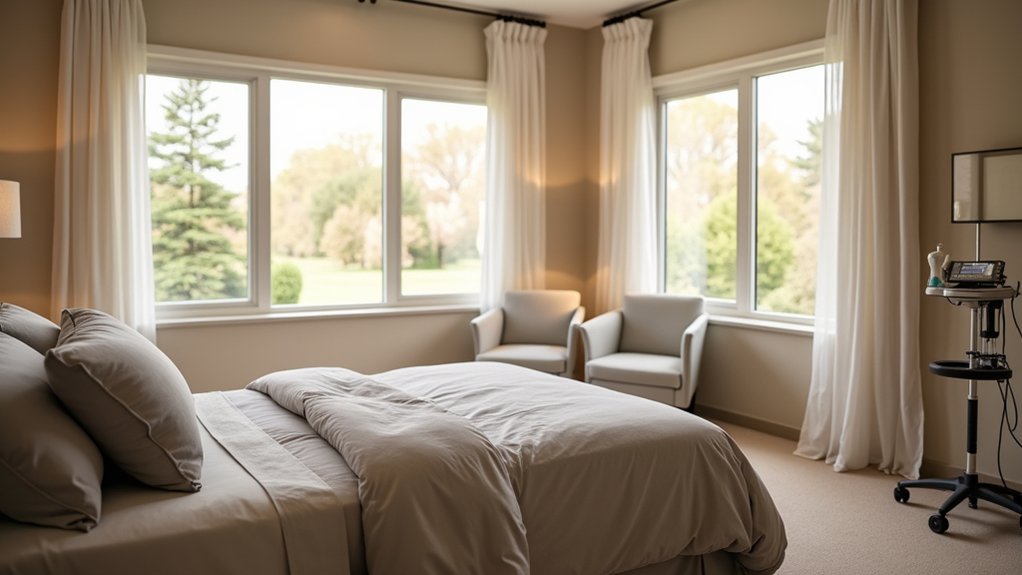
When you enter a dual diagnosis residential facility, you’ll encounter a carefully designed environment where every element serves your recovery. Skilled clinicians involved in your care will conduct thorough evaluations of your psychiatric and substance use history to create personalized treatment protocols. You’ll benefit from extensive care coordination as psychiatrists, primary counselors, and social service clinicians collaborate on your care plan. Medical professionals can stabilize your condition while sorting through the various issues affecting your mental health and substance use simultaneously.
Your daily schedule will include:
- Daily CBT and dual diagnosis core groups addressing both conditions simultaneously
- Individual sessions focused on building awareness and acceptance of change
- Expressive therapies including art, music, and horticultural activities
- Medication management with anti-anxiety, antipsychotic, or anti-addiction medications as needed
This structured environment removes external stressors while providing 24/7 professional support throughout your treatment duration. Your counselors will be knowledgeable about your medications, including potential harmful interactions with alcohol and other adverse consequences that could affect your recovery.
Frequently Asked Questions
How Long Does Dual Diagnosis Residential Treatment Typically Last?
Your typical length of stay in dual diagnosis residential treatment averages 48 days, though this varies based on your specific needs. The average program duration ranges from 90 days to 6 months for ideal outcomes. Research shows you’ll achieve better results with longer stays, 90+ days reduces relapse rates considerably. Your treatment team will adjust your timeline based on mental health complexity, addiction severity, and your individual progress throughout recovery.
Will My Insurance Cover Dual Diagnosis Residential Treatment Costs?
Most insurance plans cover dual diagnosis residential treatment under the Mental Health Parity and Addiction Equity Act, which requires equivalent coverage for mental health and substance use care. However, your specific coverage depends on your plan’s deductibles, copays, and coinsurance, typically around 20%. You’ll want to negotiate insurance coverage details with your provider and review payment plans if gaps exist. Contact your insurer directly to verify your benefits before admission.
Can I Continue Working or Attending School During Residential Treatment?
You typically can’t maintain part time employment during residential treatment, as programs require full immersion in daily therapy, groups, and skill-building activities. However, you can often continue online coursework, many facilities provide structured study time with tutors, and over 90% of youth clients meet their educational goals during treatment. Outpatient alternatives like PHP may better accommodate work obligations if you can’t pause employment entirely.
What Happens After I Complete Dual Diagnosis Residential Treatment?
After completing residential treatment, you’ll focus on moving back home through step-down programs like PHP or IOP, which provide structured support while you resume daily responsibilities. Your ongoing support needs are addressed through continued individual and group therapy, medication management, and alumni networks. You’ll also develop a personalized relapse prevention plan that identifies triggers and connects you with community resources like sober living or 12-step programs for sustained recovery.
Are Family Members Allowed to Visit During Residential Treatment Stays?
Yes, you can typically receive family visits during residential treatment, though visitation policies vary by phase. You’ll likely experience a one-to-four-week blackout period during initial stabilization before visits begin. After this, family involvement often includes weekly supervised visits, structured family therapy sessions, and virtual alternatives. Your treatment team progressively expands privileges based on your recovery milestones, ensuring visits support rather than disrupt your therapeutic progress.