Typical media portrayals of cocaine users show sniffling and wiping their noses, with some laughing it off as a case of “coke nose.” Cocaine does cause people to get runny noses, but cocaine nose, or coke nose, complications are much more dangerous and can lead to changes in appearance, pain, and fatal infections.
In the United States, as many as 30 million adults use cocaine yearly; almost six million develop a cocaine use disorder and need professional treatment to overcome their cocaine addiction. Additionally, some cocaine users with severe coke nose require reconstructive surgery.
Cocaine nose occurs when the drug’s powerful vasoconstrictive properties cut off blood supply to nasal tissues, causing progressive destruction of the septum, cartilage, and surrounding structures. Early warning signs can include chronic congestion, frequent nosebleeds, and crusting before damage advances to septal perforation or saddle nose deformity. Treatment can range from cessation and saline irrigation to surgical repair with cartilage grafting. Understanding each stage helps identify when intervention becomes critical.
What Is Cocaine Nose?
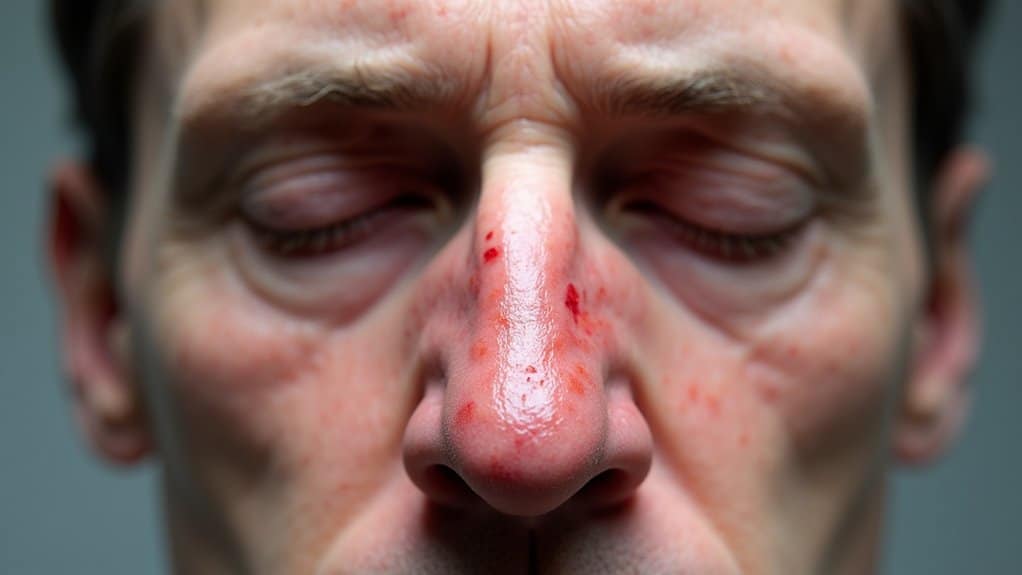
Cocaine nose, or coke nose, is an umbrella term that refers to various injuries in the nose and sinuses from snorting cocaine. The damage caused by cocaine can range from a bloody nose to long-term structural and tissue damage requiring plastic surgery.
Cocaine nose describes the progressive nasal damage that occurs when someone repeatedly snorts cocaine. This condition develops because cocaine’s powerful vasoconstrictive properties cut off blood supply to nasal tissues. Without adequate oxygen and nutrients, the delicate mucous membranes lining the nasal passages begin deteriorating. Additionally, adulterants mixed into street cocaine can intensify this tissue damage beyond what cocaine alone would cause.
The National Library of Medicine states, “It is widely known that the habit of snorting cocaine is associated with a particular type of drug-induced chronic rhinitis, which leads to inflammation of the sinonasal mucosa, slowly progressing to a destruction of nasal, palatal, and pharyngeal tissues.”
In simple terms, this means cocaine abuse causes damage to the inside of the nose, sinuses, the roof of the mouth, and the throat.
How Fast Does Cocaine Nose Develop?
Nasal irritation and inflammation can begin quickly, sometimes after early use, and the progression from mild symptoms to severe complications depends on frequency of use, purity and cutting agents, and individual tissue vulnerability. Recognizing changes early and seeking medical care can help prevent irreversible structural damage.
Timeline of Nasal Damage
Early changes can include burning, congestion, dryness, crusting, and nosebleeds that do not respond to typical remedies. Over time, ongoing inflammation can lead to ulceration and worsening pain, and advanced damage may include septal perforation (sometimes associated with whistling during breathing), weakening cartilage, and structural collapse that requires reconstructive care. The timeline varies based on use patterns and individual anatomy, and earlier intervention improves outcomes.
Factors Affecting Development Speed
How quickly cocaine nose progresses can depend on how often cocaine is used, the amount used, the presence of cutting agents and contaminants, and whether a person has pre-existing nasal or sinus issues. Cocaine’s anesthetic effects can also make symptoms feel less severe than the underlying injury, which can delay care and accelerate damage over time.
What Does Cocaine Do to Your Nose?

Simply put, cocaine eats away at your nose. Powdered cocaine is abrasive to mucus membranes, which make up the lining of the nose.
The microscopic tears caused by coke and the additives used to cut it allow the particles to enter the bloodstream quickly, and because the nasal cavities and blood flow are so close to the brain, the high is almost immediate.
Cocaine causes the blood vessels in the nose to constrict, reducing blood flow and damaging the nose’s lining.
When cocaine is snorted, it triggers intense vasoconstriction that starves nasal tissues of oxygen-rich blood. Without adequate circulation, the septum and surrounding structures have a harder time repairing themselves, which can contribute to progressive breakdown and tissue necrosis over time. Contaminants mixed into street cocaine can compound inflammation and irritation, further increasing injury risk.
Short-term cocaine use can cause a stuffy nose, runny nose, bloody nose, sinus infections, and sore throat from the mucus dripping through the nasal cavities into the back of the throat, according to The National Institutes on Drug Abuse (NIDA).
Long-term cocaine abuse can cause long-term permanent damage to the nose, including the tissue and cartilage in and around the nose to rot and die off due to lack of blood flow and infections.
How Cutting Agents Make the Damage Worse
Street cocaine is frequently adulterated with substances that can increase irritation, worsen inflammation, and contribute to tissue injury. Some cutting agents may be abrasive, while others can introduce contaminants that raise infection risk. These added exposures can intensify nasal damage and complicate treatment.
Early Warning Signs of Cocaine Nose
Early warning signs often appear before visible deformity develops. Frequent unexplained nosebleeds, persistent congestion that does not improve, nasal dryness, crusting, and recurring sinus infections can all signal injury to the nasal lining. A whistling sound during breathing may indicate early septal changes and should be evaluated promptly.
Long-Term Effects of Cocaine Use
The long-term effects of cocaine use include various side effects and health risks. Some cocaine users will also smoke crack cocaine if they cannot get powdered cocaine. Smoking and injecting cocaine increases the risk of infections and other long-term damage.
Long-term side effects of cocaine use include:
- Paranoia
- Weightloss
- Anxiety
- Depression
- Loss of sense of smell
- Soft tissue damage around the nose, mouth, and face
- Nerve damage
- Insomnia
- Respiratory infections
- Lung damage
- Kidney damage
- Liver Damage
- Heart damage
- Stroke
- Sexual dysfunction
- Infected injection sites
- Collapsed veins
- Tooth decay
- Gum disease
- Bowel decay
- Brain aneurysm
- Heart attack
- Withdrawal symptoms
People with mental health disorders have an increased risk of experiencing cocaine psychosis, which can cause disturbing and violent thoughts and actions.

Nose Damage From Cocaine Abuse
Most nose damage from cocaine abuse results from prolonged abuse; however, people who binge or snort an excessive amount of cocaine in a short amount of time can also cause damage. Some nose-related complications of cocaine abuse will heal on their own with abstinence from cocaine; others require medical intervention and plastic surgery.
Minor mucosal irritation may improve with abstinence, hydration, and gentle nasal care. However, significant structural damage (including septal perforation, saddle nose deformity, or palate involvement) typically does not heal on its own and should be evaluated by an ENT specialist.
Cocaine Nose Bleeds
Cocaine damages the blood vessels in the nose, making them more prone to injury from rubbing, itching, or even bumping the outside or inside of the nose. Coke also dries out the mucus membranes, making them crack or form sores that bleed. When blood flow returns to normal, the blood vessels can burst, causing a nosebleed. When people snort cocaine, they typically use a straw, rolled-up money or paper, or a key; any of these can scrape and damage the lining of the nose, causing further damage and bleeding.
Cocaine nose bleeds can be difficult to stop because the tissue doesn’t heal and clot as quickly as undamaged tissue. In extreme cases, frequent nose bleeds may require doctors to cauterize blood vessels in the sinuses; however, most doctors won’t do this for active cocaine users because it is pointless, as the tissue will get damaged again.
Sinus Infections
The mucus in your nose is vital to trapping and expelling bacteria and irritants before they get into the body and cause infections. Cocaine causes the mucus to dry up and makes it easier for germs and contaminants to enter the nasal cavities. Sinus infections are painful and unpleasant, but they can also lead to bacteria and viruses entering the bloodstream and sepsis, which can be fatal.
Antibiotics can treat most sinus infections; over time, antibiotics become less effective, and the risk of severe complications from infections increases.
Saddle Nose
The nose gets its shape from cartilage down the middle, called the septum or the bridge of the nose. Repeated cocaine use causes the tissue to lose blood flow, rot, and collapse of the nose, causing a flattened or dipped down area, resembling a horse saddle, hence the name saddle nose.
Plastic surgeons can usually repair a saddle nose with an implant or take cartilage from the person’s pelvic bone or ribs and graft it into the face. Because saddle nose is primarily a cosmetic problem, many insurance companies will not cover it, and reconstruction can be painful and expensive.
Septal Perforation
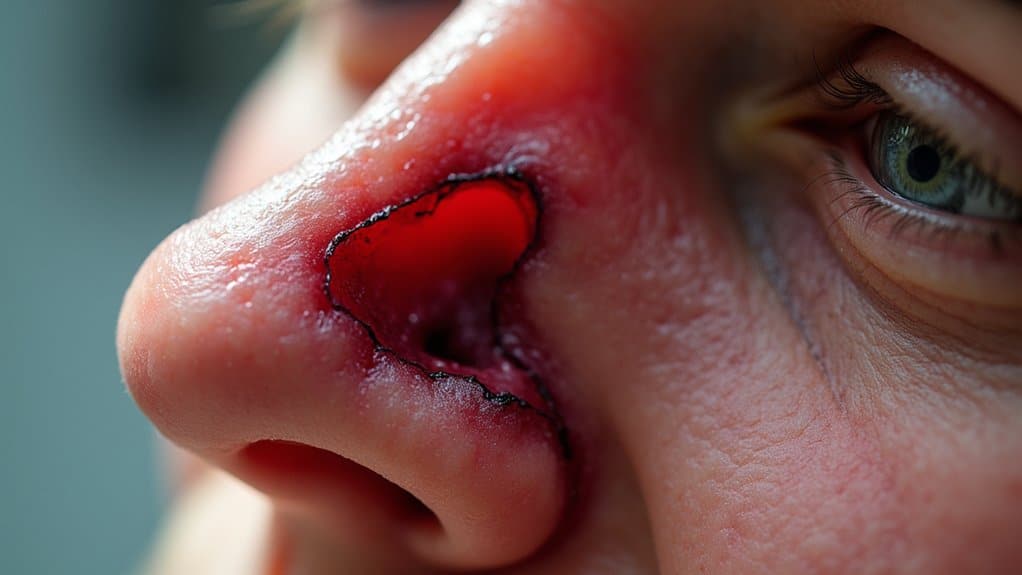
Septal perforation, sometimes called nasal perforation, is when the septum, the cartilage that runs through the middle of the nose and separates each nasal cavity, doesn’t get enough blood flow, and pieces rot away, causing holes between the two sides.
People incorrectly assume that cocaine burns a hole through the tissue; while cocaine can be acidic, it is not that powerful. Instead, cocaine causes repeated damage and affects the immune system, making it harder to heal the damage promptly. Septal perforation causes nose bleeds, interferes with mucus regulation, and causes breathing problems that produce a whistling sound.
If doctors notice septal perforations early, they will treat them with lubricating gels and other medications; however, larger ones often require surgery.
Damaged Nasal Septum (Deviated Septum)
A damaged nasal septum, or deviated septum, happens when one side of the nose has most of the damage, causing the septum to fall to one side. Deviated septums change the shape of the nose and interfere with airflow, causing headaches, sinus pressure, snoring, and increased sinus infections.
Doctors can repair a deviated septum with reconstructive surgery.
Hard Palate Damage
Hard palate damage is one of the most severe complications of cocaine abuse. The hard palate is the bone that forms the roof of the mouth and separates the nasal cavity and the mouth. Repeated and long-term damage and infections wear away at the hard palate, causing holes to form.
Once the hard palate has holes, food and drink will enter the nose from the mouth, the sound of the voice can change, and there’s an increased risk of dental infections and tooth loss. Doctors cannot always repair hard palate damage; if they can, it requires major reconstructive surgery or dental implants.
Most doctors will not perform reconstructive surgeries on patients still using cocaine and frequently require them to complete a cocaine addiction treatment program before considering surgery.
Surgical Repair Options for Cocaine Nose
Surgical repair options can range from less invasive procedures to complex multi-stage reconstruction depending on tissue health and the extent of damage. A surgeon may evaluate whether a septal perforation can be addressed with local tissue repair, whether cartilage grafting is required to restore structural support, or whether more extensive reconstruction is needed when nasal lining is significantly compromised.
Most specialists will recommend sustained abstinence before surgery so tissues can stabilize and the risk of re-injury and poor healing is reduced. An ENT specialist or facial plastic surgeon can provide guidance based on an individual exam and imaging when appropriate.
How to Stop Before Cocaine Nose Becomes Permanent
Stopping cocaine use is the most important step in preventing worsening nasal damage. Early evaluation can help determine whether supportive care (such as saline irrigation, moisturizing gels, and treatment of infections) is appropriate or whether more advanced care is needed. Ongoing addiction support can also help maintain abstinence and protect long-term health.
What Happens If Cocaine Nose Goes Untreated?
When cocaine nose goes untreated, the progressive tissue destruction can worsen over time. Symptoms can include escalating nosebleeds, persistent congestion, and septal erosion that advances to perforation. Structural support may be lost, resulting in saddle nose deformity, and infections can spread beyond sinus cavities and create severe complications. Early evaluation and treatment can reduce the risk of permanent deformity and serious infections.
Can Cocaine Nose Heal on Its Own?
Whether cocaine-related nasal damage can heal on its own depends on the severity of injury and whether cocaine use stops completely. Minor irritation and superficial sores may improve with abstinence and supportive care. However, septal perforations, collapse-related deformities, and palate involvement generally require specialist evaluation and may require reconstructive treatment.
Cocaine Addiction Treatment
If you or a loved one are struggling with the mental and physical tolls of cocaine addiction, help is available.
At Northridge Addiction Treatment Center, we tailor treatment plans to each resident’s unique needs while ensuring comfort, dignity, and privacy.
Our onsite medical detox, medication-assisted therapy, and personal chef-catered gourmet meals give your body the balance and nutrients it needs to start healing. At the same time, our compassionate and licensed staff works with you to address the roots of addiction with evidence-based therapies.
We look forward to helping you find your path to a fulfilling, healthy, and life-long recovery. Reach out to us today.
Frequently Asked Questions
Can Cocaine Nose Damage Spread to Affect Your Eyes or Brain?
Yes, damage can spread to affect both areas. When you snort cocaine repeatedly, erosion can extend beyond your nasal septum into the ethmoid and maxillary sinuses, which sit close to your orbital tissues. In severe cases, destruction reaches the clivus near your brain’s base, risking intracranial infections. You should seek immediate evaluation from an ENT specialist if you’re experiencing progressive nasal symptoms to prevent these serious complications.
Does Switching Nostrils When Snorting Prevent Cocaine Nose Damage?
Switching nostrils doesn’t prevent damage, it only distributes it across both nasal passages. You’re still exposing tissues to cocaine’s vasoconstrictive effects, which starve cartilage and mucosa of blood supply. While alternating allows partial recovery time between uses, you can’t avoid cumulative tissue death, septal erosion, or perforation through this method alone. You’ll need complete cessation for healing, and existing perforations require surgical repair to restore nasal structure.
Are Certain People More Genetically Susceptible to Developing Cocaine Nose?
Yes, you may be more genetically susceptible to developing cocaine-induced nasal damage. Research identifies rare variants in genes controlling apoptosis, autophagy, tissue regeneration, and oxidative stress response that increase your vulnerability. Specifically, BCHE gene polymorphisms affect how your body metabolizes cocaine, the K variant reduces enzyme levels by 30%, intensifying tissue exposure. If you’re experiencing nasal symptoms, genetic factors might explain why you’re developing damage faster than other users.
Can Nasal Sprays or Saline Rinses Reverse Early Cocaine Nose Damage?
Saline rinses can help reverse early cocaine nose damage, but they won’t repair significant tissue destruction. When you use plain saline sprays or irrigation, you’re washing away residual cocaine, reducing inflammation, and keeping your nasal mucosa hydrated, essential conditions for cellular regeneration. You’ll see the best results when you’ve stopped using cocaine entirely. For early-stage damage, consistent saline rinses combined with petroleum jelly application can restore mucosal integrity before permanent perforation occurs.
How Do Doctors Distinguish Cocaine Nose From Other Nasal Conditions?
Doctors distinguish your nasal damage through specific clinical markers. They’ll examine your septum for characteristic perforation patterns and tissue necrosis caused by vasoconstriction. Your medical history, including usage frequency and symptom timeline, helps correlate damage with cocaine exposure. Nasal endoscopy reveals distinctive mucosal erosion patterns, while CT imaging shows structural changes unique to chemical damage. They’ll also rule out occupational exposures, infections, and congenital conditions to confirm cocaine-related etiology.