You can snort DMT, but it’s one of the most painful and inefficient methods of use. The crystalline freebase form resists absorption through nasal tissue, requiring considerably higher doses than vaporization while delivering less predictable effects. You’ll experience intense burning as the compound creates chemical burns against your nasal mucosa, triggering inflammation and potential tissue damage. The cardiovascular strain and overdose risks increase markedly with this route, and understanding these dangers can help you make safer decisions.
N, N-Dimethyltryptamine (DMT) is a hallucinogenic drug from South America. DMT is often called the “spirit molecule” because of its use in ancient rituals to explore consciousness, which stands at the crossroads of fascinating and mystical. Many people curious about psychedelics often ask, “can you snort DMT?”
Typically, people smoke DMT, but users report snorting, injecting, and taking it orally in tea form combined with ayahuasca. Smoked DMT effects are more intense than snorting DMT. Some also wonder whether you can sniff DMT as an alternative method, but it’s far less common and carries added risks.
Can You Snort DMT? Here’s What Actually Happens
Yes, you can snort DMT, but this method of administration produces distinct effects and carries specific risks compared to smoking or oral ingestion. When you insufflate DMT, the compound absorbs through your nasal mucosa, bypassing your digestive system entirely.
The snorting DMT effects include intense visual and auditory hallucinations, altered perception of time and space, and potential out-of-body experiences. You may encounter profound psychological phenomena, including encounters with perceived entities. DMT produces these psychoactive effects by acting on serotonin receptors in the brain, particularly impacting the prefrontal cortex. Those with pre-existing mental health conditions face heightened risks of adverse psychological consequences from these intense experiences.
Physiologically, you’ll likely experience heightened heart rate, hypertension, and dilated pupils. Nausea, vomiting, agitation, and rapid eye movements are commonly reported. At higher doses, you face increased risks of seizures, respiratory complications, and loss of consciousness. This method also causes direct damage to your nasal septum and mucous membranes. Repeated snorting can lead to permanent damage to the nose and breathing passages over time.
What Is DMT?
DMT, short for N, N-Dimethyltryptamine, is a potent psychedelic drug found naturally in several plants and animals. It has been used for centuries in South America, particularly in shamanic rituals involving ayahuasca, a brew made from DMT-containing plants. Known as the “spirit molecule,” DMT induces powerful hallucinations and is revered for its ability to produce profound spiritual experiences.
In modern times, DMT is also synthesized and consumed in various ways, including smoking, vaporizing, and injecting. The drug produces a rapid and intense trip, often described as otherworldly or mystical, with users reporting vivid visual and auditory hallucinations. If you’re wondering how to smoke powder DMT safely or effectively, it’s important to understand that improper use can cause harm and unpredictable psychological effects.
In modern times, DMT is also synthesized and consumed in various ways, including smoking, vaporizing, and injecting. The drug produces a rapid and intense trip, often described as otherworldly or mystical, with users reporting vivid visual and auditory hallucinations. Broader discussions about illicit drug use, such as shake and bake meth, highlight why it’s important to understand that improper use of any substance can cause harm and unpredictable psychological effects.
Currently, DMT is categorized as a Schedule I substance in the US, indicating it is a drug with no recognized medical value and a high risk of abuse. Other examples of Schedule I drugs include heroin, LSD, and ecstasy.
What Does DMT Look Like?
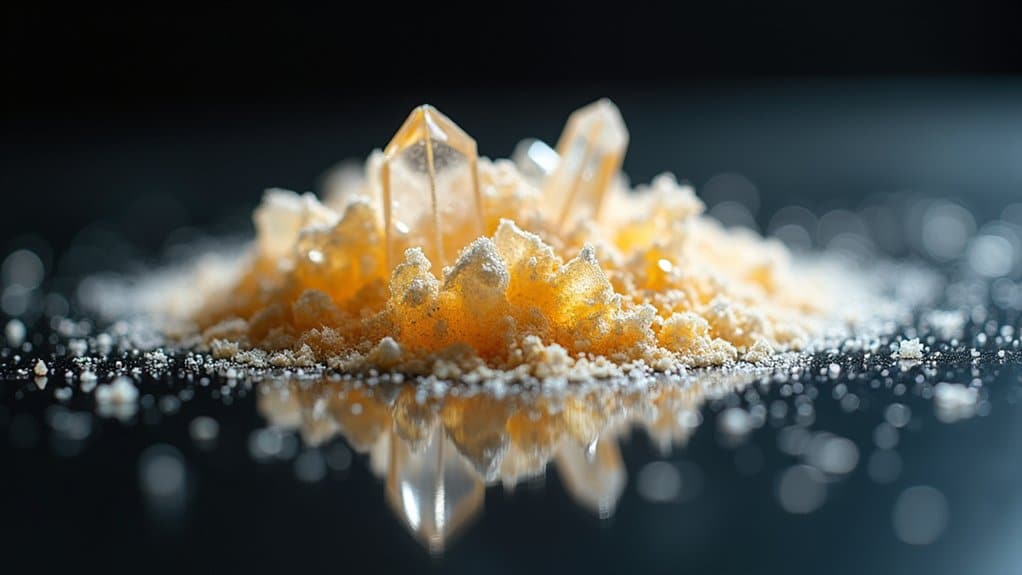
In its pure form, DMT appears as a white crystalline powder. This powder can be smoked, vaporized, or, less commonly, snorted. The appearance of DMT can vary slightly depending on its purity and extraction method. Some forms may have a yellowish or orange tint because of impurities.
Snorting DMT
Snorting DMT is not as common as other methods of consumption, such as smoking or injecting. When snorted, DMT is absorbed through the nasal mucosa, entering the bloodstream more slowly than when smoked or vaporized. This method can lead to a prolonged onset of effects and a less intense trip compared to smoking. Although people ask if you can snort DMT or sniff DMT, it’s generally discouraged due to nasal irritation and unpredictable absorption.
People take DMT in various forms, but snorting it is generally less popular because of the irritation it can cause to the nasal passages and the slower, less predictable onset of effects. High doses of DMT can lead to significant discomfort when snorted, making it a less favorable option for many users. Additionally, because of its intense effects, users often seek to minimize any discomfort associated with the administration method. Understanding DMT addiction is critical for those who may find themselves using the substance frequently, as the risks associated with prolonged use can lead to significant psychological challenges.
Is DMT Addictive?
DMT is not deemed to be physically addictive. However, it can potentially lead to psychological dependency. Users may develop a strong desire to experience the intense and profound trips that DMT induces. While it doesn’t lead to the same type of physical dependency as other drugs, such as opioids or alcohol, the psychological craving for the hallucinogenic experiences can be powerful.
DMT trips can have strong effects and usually discourage frequent use. DMT trips can be intense and are often not something people want to do frequently. They can make you feel enlightened or like you’re escaping reality. These feelings can sometimes lead to using other substances more often and can also cause mental health conditions.
Mental health issues can arise from frequent use, as the intense and disorienting nature of DMT trips may impact a person’s ability to function normally in daily life. It’s imperative to handle DMT usage with prudence and consciousness of its possible impact on mental health.
Effects of DMT
The effects of DMT are swift and intense, often described as a rapid departure from reality. Users report experiencing vivid visual and auditory hallucinations, altered perception of time and space, and profound spiritual or mystical insights. These short-term effects typically peak within minutes when smoked or injected and can last up to 30 minutes.
DMT trips can vary significantly based on the dosage, your mental state of mind, body composition, and the environment in which the drug is consumed. High doses can lead to overwhelming experiences, sometimes described as “breaking through” to other dimensions or encountering otherworldly beings.
While some users seek the spiritual and introspective aspects of a DMT trip, it’s essential to recognize the potential side effects. These can include:
- Increased heart rate and blood pressure
- Agitation or anxiety
- Nausea or vomiting
- Risk of serotonin syndrome, especially when combined with other substances that affect serotonin levels
DMT, a potent hallucinogenic drug, has been used for centuries in South American spiritual practices and is known for its intense, rapid-onset trips. While snorting DMT is less common than smoking or injecting, it remains a method of consumption that some may explore. However, it’s essential to understand the risks, including psychological dependency and potential side effects such as increased heart rate and high blood pressure.
If you or someone you know is experiencing issues with DMT use, seeking professional help is a critical step toward recovery. Mental health support and medical advice can provide the necessary tools and strategies to overcome the challenges associated with DMT abuse. Always approach the use of any psychedelic drug with caution and respect for its powerful effects on the mind and body. Educating yourself about the substance is an important step in prevention and recovery. Understanding DMT and its properties can empower individuals to make informed decisions and recognize the potential risks involved. By fostering a comprehensive knowledge of its effects, one can better navigate the complexities associated with its use.
Why Snorting DMT Causes Intense Pain
When you snort DMT in its freebase form, the alkaline compound creates an intense chemical burn against your nasal mucosa’s sensitive tissues. The crystalline structure of DMT causes direct mechanical abrasion while triggering inflammatory responses, including histamine release and swelling. Because intranasal bioavailability is lower than other routes, you’ll need larger doses to achieve effects, exposing your nasal passages to even greater tissue damage and prolonged irritation.
Freebase Chemical Irritation
Freebase DMT produces one of the most intense burning sensations reported among snorted psychedelics. When you insufflate freebase dimethyltryptamine (DMT), its alkaline properties cause immediate chemical irritation upon contact with your nasal mucosa. Users consistently describe this pain as exceeding other tryptamines and phenethylamines administered nasally.
The freebase form’s high pKa creates a strongly alkaline environment that damages delicate nasal tissue. You’ll experience this burning because the unionized molecule, while absorbed rapidly, acts as a caustic agent on mucous membranes. Reports indicate the discomfort surpasses even 5-MeO-DMT freebase.
Reaching breakthrough effects requires approximately 115-150mg, which amplifies tissue exposure and irritation duration. Salt forms like DMT-fumarate considerably reduce this pain by neutralizing the alkaline reaction while maintaining bioavailability.
Nasal Tissue Damage
Beyond the immediate burning sensation, repeated DMT insufflation causes measurable structural damage to your nasal passages. The intense pain mechanisms you experience stem from direct chemical irritation of sensitive nociceptors, while the crystalline compound erodes your mucous membrane damage layer by layer.
| Damage Type | Primary Effect | Long-Term Consequence |
|---|---|---|
| Nasal septum damage | Tissue perforation | Permanent structural deformity |
| Mucous membrane damage | Erosion and ulceration | Increased infection risk |
| Respiratory passage harm | Scarring and swelling | Chronic sinusitis |
Associated tissue irritation compounds with each use, destroying epithelial cells and triggering inflammatory responses. Your barrier function deteriorates, leaving you vulnerable to infections. The respiratory passage harm extends beyond your nose, causing permanent scarring throughout your upper airways and impaired ventilation.
High Doses Required
Snorting DMT requires substantially higher doses than vaporization because nasal bioavailability remains poor without enzymatic protection. The crystalline freebase form resists mucosal absorption, forcing you to use quantities that far exceed typical smoked doses. This inefficiency creates a compounding problem: you’ll need more substance to achieve psychedelic effects, which directly amplifies your dmt overdose risk.
Key considerations for high-dose nasal administration:
- You may require doses several times greater than vaporized amounts to experience onset
- Adding MAOIs to coconut cream mixtures can activate DMT nasally but doesn’t reduce quantity requirements
- Higher doses increase cardiovascular strain, including hypertension and heightened heart rate
- Excessive amounts heighten risks of seizures, respiratory complications, and serotonin syndrome
The dose-response relationship makes insufflation both inefficient and physiologically dangerous compared to alternative routes.
Short-Term Side Effects of Snorting DMT
When you snort DMT, your body experiences immediate physiological stress across multiple systems. You’ll likely notice cardiovascular strain including heightened heart rate and blood pressure, while the nasal passages sustain direct tissue damage from the caustic compound. Neurological effects such as dilated pupils, dizziness, and impaired coordination typically occur rapidly alongside these other short-term side effects.
Cardiovascular System Strain
Though DMT’s psychological effects often dominate discussions, the compound also places significant strain on the cardiovascular system during use. When you snort DMT, you’ll likely experience heightened blood pressure and rapid heartbeat, creating immediate stress on your heart.
Key cardiovascular concerns include:
- Hypertension risks, Sustained high blood pressure occurs during insufflation, posing danger if you have pre-existing heart conditions.
- Tachycardia effects, Your heart rate increases rapidly, heightening cardiovascular strain and causing palpitations.
- Serotonin syndrome cardiac impact, Combining DMT with antidepressants can trigger arrhythmias, extreme agitation, and potentially heart failure.
- Severe outcomes, High doses may lead to respiratory arrest, cardiac failure, or death, particularly when pre-existing conditions are present.
These cardiovascular effects require serious consideration before use.
Nasal Passage Damage
Beyond the cardiovascular strain DMT places on your body, snorting the compound inflicts direct physical trauma to your nasal passages. During DMT nasal absorption, freebase forms cause intense burning and pain as the chemical irritates your mucous membranes. You’ll experience immediate excessive mucus production, nosebleeds, and numbness followed by burning sensations approximately 15 minutes after administration.
Repeated insufflation damages your nasal septum and creates cuts in your nose’s inner lining. This trauma leads to chronic rhinitis, persistent runny nose, and nasal crusting. The compromised mucosal barriers increase your infection risk, particularly when sharing snorting implements.
Long-term consequences include anosmia, nasal whistling from structural changes, and voice hoarseness when irritation extends to throat tissues. These effects persist even after you stop using.
Neurological and Sensory Disturbances
How rapidly does snorting DMT affect your nervous system? Within minutes of insufflation, DMT binds to serotonin receptors, triggering intense neurological responses. Because MAO enzymes in nasal tissue partially metabolize the compound, absorption patterns differ from other routes, yet significant CNS effects still occur rapidly.
Like other hallucinogens, DMT produces profound sensory disturbances alongside serious neurological risks:
- Seizures represent a critical danger, particularly at high doses or when combined with other serotonergic substances
- Dizziness and vertigo impair your spatial orientation and balance immediately
- Nystagmus causes involuntary rapid eye movements throughout peak effects
- Agitation manifests as heightened anxiety and emotional dysregulation
Neurological seizure activity can escalate to life-threatening status without immediate medical intervention.
Bad Trips, Paranoia, and Lasting Psychological Harm
When you snort DMT, you risk experiencing a bad trip characterized by frightening hallucinations, intense anxiety, confusion, and overwhelming fear. Like other psychedelic drugs, DMT can trigger panic attacks when you feel loss of control during intense perceptual alterations. Paranoia often emerges alongside detachment from reality, potentially escalating to fear of insanity.
| Acute Effects | Lasting Effects |
|---|---|
| Frightening hallucinations | Persistent anxiety |
| Panic attacks | Mood swings |
| Paranoia | Emotional flatness |
| Reality detachment | Difficulty integrating experiences |
You may face lasting psychological harm beyond the immediate experience. Some users report prolonged confusion, emotional destabilization, and identity disruption. In vulnerable individuals, psychotic breaks remain possible, with some experts suggesting potential for permanent neurological changes.
What Snorting DMT Does to Your Nose and Throat Over Time
The psychological risks of snorting DMT represent only part of the damage this route of administration can cause. When you repeatedly introduce DMT through your nasal passages, you’re exposing delicate tissues to chemical irritation that accumulates over time.
Snorting DMT can lead to progressive nasal and throat damage:
- Nasal septum deterioration, Repeated exposure causes tissue necrosis, perforation, and potential structural collapse
- Mucous membrane injury, Chronic inflammation and irritation of the nasal mucosa develop with continued use
- Sensory and respiratory impairment, You may experience anosmia, nasal obstruction, and breathing difficulties
- Throat and voice changes, Hoarseness, damaged vocal quality, and esophageal irritation can occur
These effects often begin subtly with nosebleeds and chronic rhinitis before progressing to permanent structural damage requiring medical intervention.
Seizures, Serotonin Syndrome, and Other DMT Emergencies
Beyond nasal and throat damage, snorting DMT carries risks of acute medical emergencies that require immediate intervention.
Seizures represent a serious concern, particularly at higher doses or when combining DMT with other substances. Because DMT triggers serotonin release, you’re also at risk for serotonin syndrome, a potentially fatal condition marked by agitation, confusion, high blood pressure, and loss of muscle coordination. This risk escalates substantially if you’re taking antidepressants or other serotonin-increasing medications.
Cardiovascular emergencies, including amplified heart rate, hypertension, and cardiac arrest, pose additional dangers, especially if you have pre-existing heart conditions. Respiratory arrest can occur, and if you lose consciousness and vomit, asphyxiation becomes possible. The DEA has documented cases of coma associated with DMT use. These emergencies require immediate medical attention.
Signs You Need Help After Snorting DMT
Recognizing warning signs after snorting DMT can help you determine whether you need emergency medical care.
DMT short-term effects typically resolve within 30 to 45 minutes, but certain symptoms indicate a medical emergency. You should seek immediate help if you experience:
While DMT effects usually fade within 45 minutes, certain warning signs require immediate emergency medical attention.
- Cardiovascular distress, including chest pain, heart palpitations, or extremely heightened heart rate and blood pressure
- Respiratory difficulties such as breathing problems or signs of respiratory arrest
- Neurological symptoms like seizures, severe hyperthermia, or loss of consciousness
- Psychological crisis involving intense paranoia, psychosis, or panic attacks that don’t subside
Additional concerning signs include persistent vomiting, severe agitation, and coordination loss. If you notice these symptoms in yourself or someone else, don’t wait for effects to pass naturally, call emergency services immediately.
Freebase vs. Salt: Which Form Can You Actually Snort?
DMT exists in two primary forms, freebase and salt, and their chemical properties determine which you can effectively snort.
Freebase DMT is nearly insoluble in water, making it poorly suited for nasal absorption. Your nasal mucosa requires water-soluble compounds to absorb substances efficiently. When you attempt to snort freebase, it won’t dissolve properly in the moisture lining your nasal passages.
Salt forms, including fumarate, hydrochloride, and acetate, offer vastly better water solubility. Among dmt methods of use, insufflation works best with these salt preparations because they dissolve readily upon contact with nasal tissue. DMT fumarate is often preferred due to its crystallization properties and handling stability.
Understanding DMT’s pKa of 8.68 helps explain these differences. At physiological pH levels, salt forms remain dissolved, enabling mucosal uptake that freebase cannot achieve.
How Snorting DMT Compares to Smoking or Drinking It
Choosing how to take DMT considerably affects when effects begin, how long they last, and what risks you’ll face. Snorting DMT falls between smoking’s rapid intensity and oral ayahuasca’s prolonged journey. Each route carries distinct pharmacological profiles and safety considerations.
The method of DMT administration shapes everything from onset speed to duration and physical consequences.
- Onset time: Smoking produces effects within 5-10 seconds, while snorting DMT delays onset due to slower mucosal absorption. Oral consumption requires 30-45 minutes.
- Duration: Smoking lasts approximately 30-45 minutes. Insufflation extends beyond this window. Ayahuasca persists 6-10 hours.
- Intensity: Smoking delivers breakthrough experiences with full potency. Snorting yields diluted peaks despite similar hallucinogenic content.
- Physical risks: Snorting damages nasal tissue and reduces bioavailability. Smoking strains cardiovascular systems without nasal harm. Oral methods emphasize gastrointestinal distress.
Get Help for DMT Abuse Today at NATC
DMT is not usually addictive, but its mental effects can be strong and dangerous. Northridge Addiction Treatment Center offers support to those dealing with DMT addiction. Reach out for assistance today. They offer rehab for substance use disorders in a private facility. The staff is caring and knowledgeable.
NATC’s mental health experts can assist with the psychological aspects of substance abuse. They can also teach effective coping strategies for long-term recovery.
Treatment programs include medical detox, talk and behavioral therapies, medication-assisted treatment, support groups, and various others. It is important for people who are affected by strong psychedelic drugs to get help. They should take steps to recover and manage the intense and unpredictable effects.
Reach out. Our caring treatment specialists are eager to help you find your path to meaningful recovery. It could be a phone call away.
Frequently Asked Questions
How Long Does a DMT Trip Last When Snorted Compared to Other Methods?
When you snort DMT, your trip typically lasts between 15-60 minutes, with hallucinogenic effects averaging around 30 minutes. This is comparable to smoking, which lasts 30-45 minutes but produces a quicker onset. Intravenous injection also lasts 30-45 minutes with instant effects. In contrast, if you consume ayahuasca (DMT with MAOIs), you’ll experience effects for 4-10 hours. Non-hallucinogenic effects from snorting may persist for several hours after your trip ends.
Can Snorting DMT Show up on a Standard Workplace Drug Test?
Snorting DMT won’t show up on standard workplace drug tests. Standard 5-panel, 10-panel, and 12-panel screenings target substances like marijuana, cocaine, amphetamines, opioids, and PCP, they don’t include DMT. However, if there’s reasonable suspicion or a workplace incident, your employer may request specialized testing using liquid chromatography-mass spectrometry, which can detect DMT in urine for up to 24 hours after use.
Does Mixing DMT With MAOIS Make Snorting More Dangerous?
Yes, mixing DMT with MAOIs dramatically increases the dangers of snorting. You’re exposing yourself to heightened cardiovascular risks, including amplified heart rate and blood pressure, which can become life-threatening. The combination also raises your risk of serotonin syndrome, a potentially fatal condition causing seizures, confusion, and coma. Additionally, the MAOI prolongs DMT’s effects, making psychological distress and unpredictable experiences more likely while still causing painful nasal tissue damage.
Is Snorting DMT Legal Anywhere in the World?
You won’t find any country where snorting DMT is fully legal. DMT remains a Schedule I controlled substance under international UN conventions and is banned in most nations, including the US, UK, Canada, and Australia. Colorado has decriminalized personal DMT use for adults 21+, but this applies only to private consumption, not public use or distribution. Religious exemptions exist for ayahuasca ceremonies, but these don’t extend to snorting synthetic DMT.
Can You Become Addicted to Snorting DMT Over Time?
You won’t develop physical addiction to snorting DMT, as it doesn’t create physical dependence or withdrawal symptoms like opioids do. However, you can develop psychological dependence over time. If you’re craving the intense spiritual experiences, neglecting responsibilities, sacrificing relationships, or lying about your use, these are warning signs. The euphoria and profound altered states can reinforce repeated use, creating a psychological reliance that interferes with daily functioning.