Xanax overdose is not often thought of as a common risk. However, the National Institutes of Health (NIH) has reported that alprazolam, the generic name for Xanax, is the most toxic and the most widely prescribed drug of its class.
It is also the most prescribed psychotropic or mood-altering medication in the United States, accounting for more than 48 million prescriptions in 2013 alone.
NIH reports also include that Xanax is more commonly involved in intentional self-poisonings and accidental overdose deaths. And with increased prescriptions to this medication every year, there are elevated concerns over the risk of overdose.
Yes, You Can Overdose on Xanax
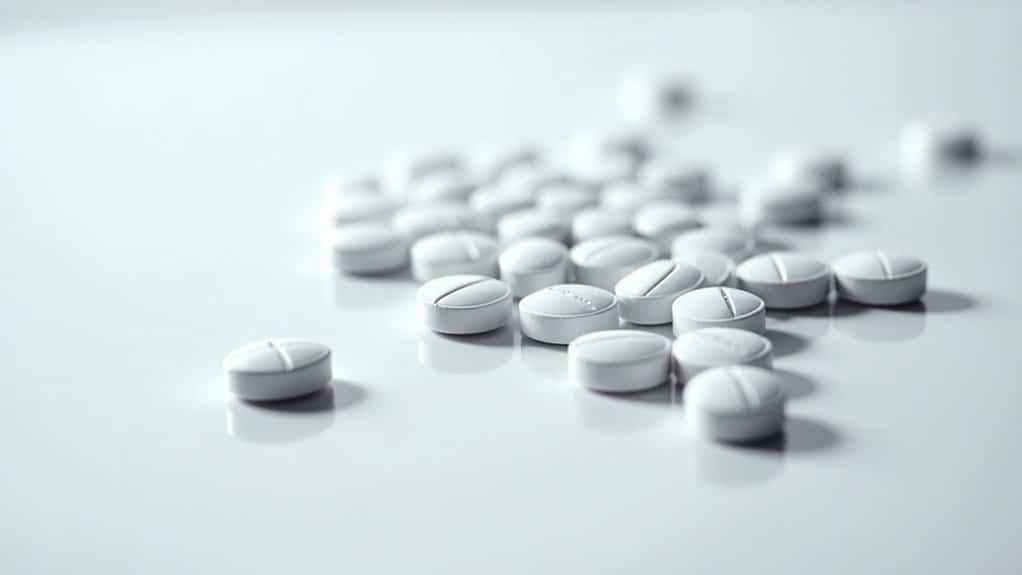
When taken in excessive amounts, Xanax can cause a life-threatening overdose that requires immediate medical attention. Alprazolam overdose symptoms typically include extreme sedation, confusion, slurred speech, and loss of coordination. The most dangerous complication is respiratory depression, where your breathing becomes dangerously slow or shallow.
Benzodiazepine toxicity occurs because the drug excessively stimulates GABA receptors, slowing critical brain functions. You’re at heightened risk if you combine Xanax with other CNS depressants interactions, particularly alcohol or opioids. This combination dramatically increases the likelihood of respiratory failure.
Physical signs of overdose include blue-tinged lips, floppy limbs, and gurgling sounds during breathing. Without prompt intervention, severe cases progress to coma, hypoxic brain injury, or death. Even prescribed doses can prove fatal when mixed with other substances. The amount needed to overdose varies significantly from person to person based on individual factors such as tolerance, body weight, and overall health. If you suspect an overdose, call 911 immediately, as flumazenil antidote treatment may be administered by emergency medical personnel to reverse the effects. When seeking information about Xanax overdose treatment options online, some website security measures may temporarily block access if your search activity triggers automated protection systems.
What Is Xanax?
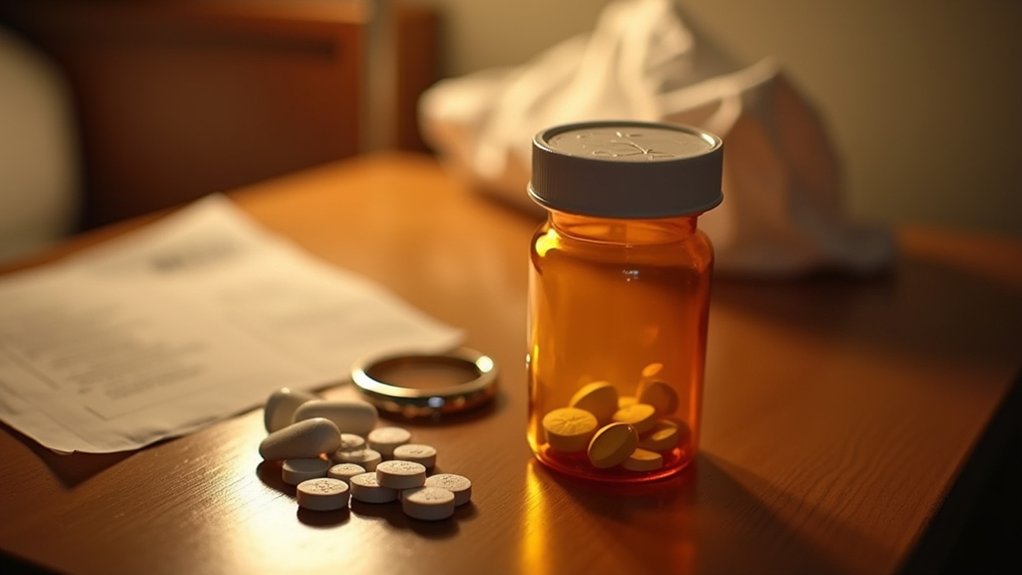
Xanax is the brand name for the drug alprazolam used to treat anxiety and panic disorder and help with insomnia. It is also sometimes used to treat depression, agoraphobia, a fear of unknown places, and premenstrual syndrome.
Alprazolam is the most commonly prescribed benzodiazepine, or benzo, a popular family of drugs known as tranquilizers or sleeping pills.
Benzodiazepines are involved in approximately one-third of suicide attempts or intentional overdoses. Alprazolam, or Xanax, is more toxic than other benzos like clonazepam (Klonopin) or diazepam (Valium) because it is incredibly potent and frequently abused for its quickly felt effects of euphoria and disinhibition.
Addiction specialists warn that Xanax is highly addictive and has limited usefulness because many doctors prescribe it for longer than recommended.
How Do Benzodiazepines Work?
Xanax belongs to a class of drugs called benzodiazepines that work by increasing the body’s central nervous system’s primary neurotransmitter, gamma-aminobutyric acid (GABA).
GABA blocks or suppresses specific brain signals and decreases activity in your nervous system. However, benzodiazepines don’t change your GABA neurotransmitter’s release, production, or metabolism but instead increases its ability to bind to receptors in the brain.
This enhanced binding of GABA to receptors activates the chloride ion channel, located in the center of the GABA neuron and responsible for transmitting nerve impulses and regulating excitability. The rush of chloride ions into the GABA suppresses the neuron, ultimately causing a calming, sedative effect.
Physical Warning Signs of Xanax Overdose

Several distinct physical warning signs signal a Xanax overdose, each indicating dangerous levels of central nervous system depression. You’ll notice respiratory symptoms first, slowed, shallow breathing or gurgling sounds that suggest airway compromise. The FDA warns that respiratory depression remains the primary cause of benzodiazepine-related fatalities.
Watch for cardiovascular indicators including bluish discoloration of lips, fingernails, or skin, which signals inadequate oxygen circulation. You may observe pale skin, low blood pressure, and a slow heart rate as the overdose progresses.
Motor control deteriorates noticeably during overdose. You’ll see floppy limbs, loss of balance, and slurred speech. Extreme sedation, confusion, or unresponsiveness to stimuli requires immediate emergency intervention. If you witness these symptoms, don’t wait, call 911 immediately, as rapid treatment drastically improves outcomes.
Side Effects of Xanax
The widespread misuse of alprazolam has established the recognition of its unwanted effects. Compared to the desirable impacts, the drug produces more adverse reactions. Xanax can cause some people to have side effects including:
- Euphoria
- Disinhibition
- Calmness
- Talkativeness
- Increased salivation
What Xanax Overdose Does to Your Brain and Body
When you take too much Xanax, the drug overwhelms your brain’s GABA receptors, causing excessive inhibition of neural activity throughout your central nervous system. This excessive sedation leads to respiratory depression, which decreases oxygen delivery to your brain and creates hypoxic injury risk.
Your body experiences these primary effects during overdose:
- Respiratory compromise, Your breathing slows dangerously, potentially progressing to respiratory arrest without intervention.
- Cardiovascular depression, Your heart rate decreases, though blood pressure often remains stable unless you’ve combined Xanax with other depressants.
- Organ stress, Your liver and kidneys face potential damage from processing toxic drug levels.
Severe overdoses can result in coma, persistent neurological damage, or death. The risk intensifies greatly when you combine Xanax with alcohol or opioids.
Adverse Effects
Xanax may be habit-forming and cause physical dependence, especially with regular consumption for several days to weeks.
Some adverse effects of using Xanax can be life-threatening because it is typically popular amongst people already using drugs like alcohol and opioids such as heroin. Common adverse effects include:
- Memory problems
- Fatigue or tiredness
- Slurred speech
- Trouble concentrating
- Irritability
- Constipation
- Diarrhea
- Nausea
- Blurred vision
- Upset stomach
- Joint pain
- Headaches
- Loss of interest in sex
- Stuffy nose
- Swelling of hands or feet
- Increased sweating
- Dizziness
- Light-headedness
- Dry mouth
- Appetite or weight changes
What Are the Different Doses of Xanax?
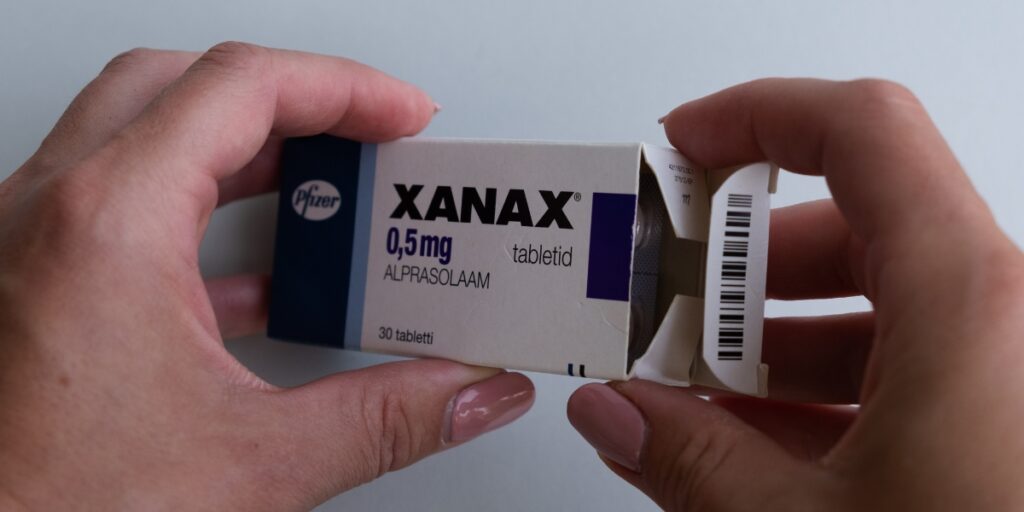
Doctors prescribe alprazolam as a tablet or an orally disintegrating tablet in strengths of 0.25 mg to 0.5-milligrams or 1 mg and 2 mg tablets. While extended-release tablets are available in 0.5 mg, 1 mg, 2 mg, and 3 mg. Alprazolam is also prescribed as an oral liquid in strengths of 0.5 mg/5 mL and 1 mg/10 mL.
The tablet and concentrated liquid are typically taken two to four times a day, while the extended-release tablet is taken once daily in the morning. The extended-release tablets do not disintegrate and shouldn’t be chewed, broken, or crushed, but instead swallowed whole.
When it was first introduced, alprazolam’s prescribed dosages were only available in 0.25 mg to 0.5-milligram strengths. Then the 1 mg, 2 mg, and 3 mg tablets were produced and prescribed to treat panic disorder in which larger doses were needed.
How Much Xanax Does It Take to Overdose?
Determining the exact amount of Xanax that causes overdose isn’t straightforward, individual factors like tolerance, body weight, liver function, and concurrent substance use considerably influence toxicity thresholds.
Typical prescribed doses range from 0.25 to 0.5 mg taken three times daily, with maximum approved dosages reaching 10 mg daily for severe panic disorder. Overdose risk increases substantially when you exceed prescribed maximums. Alprazolam demonstrates higher fatal toxicity than other benzodiazepines, with studies showing 5.9 deaths per million prescriptions compared to 4.0 for diazepam.
You’re at heightened risk if you’re elderly, have compromised liver or kidney function, or have developed tolerance requiring higher doses. Nearly 93% of fatal benzodiazepine overdoses involve concurrent substances, particularly other CNS depressants. This combination dramatically amplifies respiratory depression, the primary cause of overdose death.
What Is the Typical Prescribed Dosage of Xanax for Anxiety Disorder?
The typical adult dose of Xanax for anxiety disorders is 0.25 mg to 0.5 mg three times a day. Increasing the dosage should occur every 3 to 4 days with no more than a 1 mg dose of the drug per day. The amount of Xanax for people who suffer from anxiety disorders should not exceed 4 mg per day.
What Is the Typical Prescribed Dosage of Xanax for Panic Disorders?
The typical adult dose of Xanax for treating panic disorders is 0.5 mg three times a day. For extended-release tablets, the adult dosage is 0.5 mg to 1 mg once a day. The typical adult maintenance dose is 3 to 6 mg orally per day. The maximum dosage of this drug for people who have panic disorders is 10 mg per day.
Before making any changes to your dosage amount or treatment regimen, you must speak with your doctor first. Increasing or decreasing your Xanax dosage without the help of a doctor can have severe withdrawal symptoms.
Withdrawal Syndrome
Stopping Xanax suddenly causes long-term withdrawal symptoms that could last for various weeks to over a year. The manufacturers recommend tapering or gradually reducing the amount, not exceeding 0.5 mg every three days.
Although, alprazolam withdrawal syndrome is reported to be more severe than other benzodiazepine withdrawal symptoms and risks, even when it’s tapered precisely as the manufacturer suggests.
Specifically, people withdrawing from Xanax have described the withdrawal as more intense and complex anxiety than other benzo withdrawal syndromes.
Other instances with people taking high doses of alprazolam include more extreme symptoms such as seizures and psychotic reactions like delirium, psychosis, and hallucinations. Other alprazolam withdrawal syndrome symptoms include:
- Difficulty sleeping or insomnia
- Increased tension and anxiety
- Panic attacks
- Irritability
- Hand tremors and shakiness
- Sweating
- Difficulty in concentration
- Nausea and dry heaving
- Weight loss
- Headaches
- Increased heart rate
- Elevated blood pressure
- Increased body temperature
- Muscle pain or stiffness
- Various emotional changes
Dependence on other substances such as alcohol or other sedatives may increase the risk of severe alprazolam withdrawal.
How Much Is Too Much?
Xanax can cause coma and death in sufficiently large doses. Additionally, Xanax is a respiratory depressant, meaning it acts in the central nervous system to slow down breathing. This is important because alcohol, opiates, and opioids are central nervous system depressants as well. Therefore, if you take enough of these drugs or a combination, it can lead to an overdose, and you stop breathing and die.
Why Xanax Overdose Turns Deadly With Alcohol or Opioids
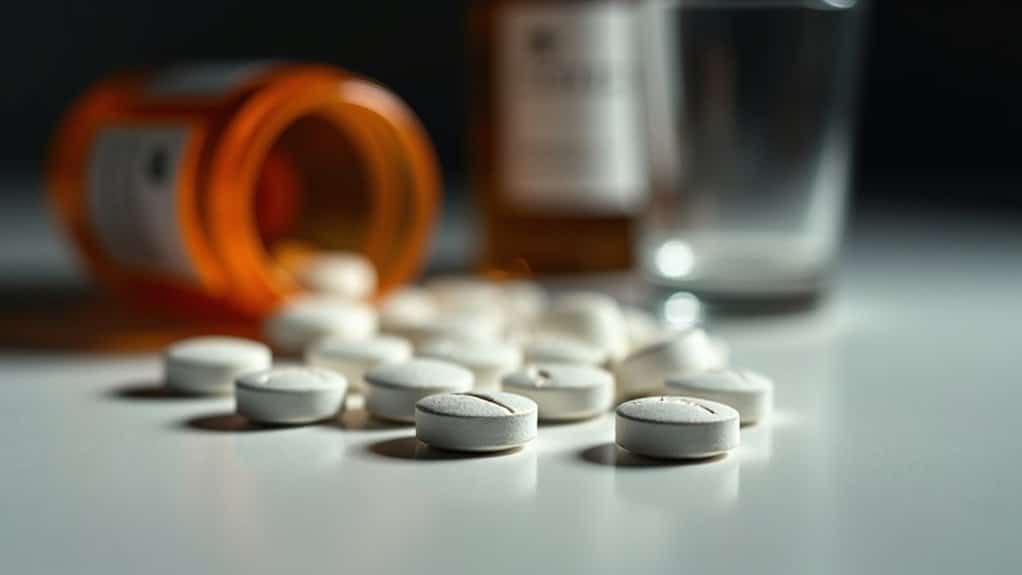
When you combine Xanax with alcohol or opioids, you’re mixing substances that all suppress your central nervous system, creating effects far more dangerous than any single substance alone. Both alcohol and opioids independently cause respiratory depression, and adding Xanax amplifies this suppression of the brain areas controlling your breathing. This synergistic effect explains why over 18% of benzodiazepine overdoses involve alcohol and 16% of opioid overdoses in 2020 involved benzodiazepines, these combinations dramatically increase your risk of coma, brain damage, and fatal overdose.
Combined Respiratory Depression Risk
The danger of Xanax overdose escalates dramatically when you mix it with other central nervous system depressants like alcohol or opioids. Each substance independently slows your breathing, but combining them creates a synergistic effect that amplifies respiratory depression beyond what either drug causes alone.
CDC data from January to June 2020 reveals that more than 92% of fatal benzodiazepine overdoses involved an opioid such as fentanyl, heroin, or oxycodone. Alcohol ranks as the most common coingestant in intentional benzodiazepine ingestions, crucially increasing your risk of life-threatening respiratory failure.
When your breathing becomes severely depressed, hypoxia develops rapidly. Your brain and integral organs sustain damage from inadequate oxygen supply, potentially triggering a cascade of organ failure that leads to coma and death without immediate medical intervention.
Amplified CNS Suppression Effects
Although Xanax alone rarely causes fatal overdose, combining it with alcohol or opioids creates a pharmacological synergy that dramatically amplifies central nervous system suppression. When you take Xanax, it enhances GABA activity at GABA-A receptors, increasing neuronal hyperpolarization. Alcohol boosts this GABAergic inhibition through separate mechanisms, while opioids compound the effect by indirectly enhancing GABA release in specific brain regions.
This triad overwhelms your brain’s inhibitory systems. Alcohol can raise your alprazolam plasma levels by up to 46%, while certain opioids decrease clearance by 38%, sustaining dangerous CNS exposure. The combined binding elevates inhibitory tone beyond what any single substance achieves alone.
Clinical observations confirm rapid progression from sedation to unresponsiveness. Your limbic vigilance collapses, stress-response buffers disappear, and reversible sedation converts into life-threatening unarousability.
Drug Interactions
Alprazolam is often used with other substances because of its fast absorption into the body and high potency.
Many people are prescribed opioids, another type of sedative, and benzodiazepines simultaneously. However, the danger of benzodiazepine overdose while taking other sedative drugs is significantly greater. A study in North Carolina revealed that overdose death rates among people receiving both medications were ten times higher than patients only prescribed opioids.
Various medications are known to impact Xanax users, including:
- Azole antifungals (ketoconazole)
- Cimetidine
- Macrolide antibiotics (clarithromycin)
- Certain anti-depressants such as fluoxetine, fluvoxamine, and nefazodone
- Rifamycins (rifampin)
- Seizure medications (carbamazepine, phenytoin)
- St. John’s wort
- Antihistamines
- Muscle relaxants
Although it is essential to know that the combination of using alprazolam with any other drug or alcohol significantly increases the risk of an overdose.
Who Faces the Highest Risk of Xanax Overdose?
Certain groups face profoundly increased overdose risks that require heightened awareness and medical supervision. If you use Xanax alongside opioids, alcohol, or other CNS depressants, you’re in the highest-risk category, approximately 75% of fatal benzodiazepine overdoses involve concurrent opioid use. You also face enhanced danger if you’re prescribed high doses for severe anxiety, have underlying respiratory conditions that compromise breathing function, or obtain Xanax from non-medical sources where fentanyl contamination is possible.
Polydrug Users Face Danger
Polydrug users face the highest risk of fatal Xanax overdose, with opioids contributing to 75% of benzodiazepine-related deaths. When you combine Xanax with opioids or alcohol, both substances suppress your central nervous system simultaneously, causing dangerous respiratory depression that can prove lethal.
If you’re mixing Xanax with alcohol, you’re tripling your risk of fatal overdose. This combination causes extreme sedation, hypoxia, and potential asphyxiation. Your brain activity slows to dangerous levels, often without warning.
Street-purchased Xanax presents additional dangers. Counterfeit pills frequently contain fentanyl, a synthetic opioid that’s caused overdose rates to surge dramatically. You can’t visually detect these lethal additives.
Even if you’ve developed tolerance to Xanax, combining it with other depressants creates unpredictable overdose thresholds. Your previous experience won’t protect you from polydrug interactions.
High-Dose Prescription Patients
If you’re taking high doses of Xanax under medical supervision, you still face heightened overdose risks that require careful monitoring. Your prescribed doses may start at 0.25 mg but escalate to levels as high as 10 mg for severe anxiety disorders. This variability creates unpredictable toxicity thresholds based on your individual tolerance.
Clinical data reveals concerning patterns for high-dose prescription patients:
- Alprazolam overdoses result in ICU admission rates of 22%, substantially higher than other benzodiazepines
- Hospital stays average 19 hours, indicating greater overdose severity
- Over half of fatal benzodiazepine overdoses in 2020 involved alprazolam
You’re 2.06 times more likely to require intensive care compared to patients overdosing on other benzodiazepines. Regular physician consultations help you manage these increased risks effectively.
Those With Respiratory Conditions
Beyond prescription dosage concerns, your respiratory health status profoundly determines your Xanax overdose vulnerability. If you have COPD, asthma, or other breathing disorders, you’re facing greatly increased risks. Research shows short-term benzodiazepine use in COPD patients increases respiratory failure and exacerbation risk by 45%.
Your compromised lung function can’t compensate when Xanax suppresses your breathing drive. The mortality rate climbs to 50.6 per 1,000 for COPD patients using benzodiazepines short-term, compared to 42.9 for nonusers. You’re also 1.2 times more likely to die if you’re starting oxygen therapy while taking these medications.
Alprazolam specifically requires mechanical ventilation in 16% of overdose cases, higher than other benzodiazepines. Your preexisting respiratory condition transforms what might be survivable sedation into life-threatening respiratory depression.
Xanax Overdose Symptoms
Xanax overdose symptoms may include:
- Loss of consciousness or unresponsiveness
- Problems with coordination
- Seizures
- Extreme drowsiness
- Yellowing of the eyes or skin
- Shortness of breath
- Slowed or difficult breathing
If you experience any of these symptoms, seek medical attention immediately or call 911 and wait for emergency medical professionals.
Flumazenil (Romazicon) is a medication used by emergency medical professionals to treat a benzodiazepine overdose. If you or someone you love uses Xanax, it’s essential to know the signs of an overdose so you can get help if they are unable to.
How to Respond to a Xanax Overdose
Recognizing a Xanax overdose is only the first step, knowing how to respond can mean the difference between life and death. Call 911 immediately if you suspect alprazolam toxicity. While waiting for help, stay with the person and monitor their respiratory system for signs of depression or cessation.
If the individual is unconscious but breathing, place them in the recovery position on their side to prevent choking. Keep their airway clear by removing restrictive items around their neck. Don’t induce vomiting or offer food or drinks.
Provide responders with critical information: the amount of benzodiazepines consumed, any co-ingested CNS depressants, and the person’s medical history, including addiction risk factors. This data helps medical teams deliver targeted, life-saving interventions quickly.
What Do I Do if I Think Someone Has Overdosed?

If you think someone has overdosed on Xanax, stay calm and call 911. Getting medical attention for the person experiencing the overdose is the priority. Be sure to answer any questions the dispatcher may have on the other line.
While you wait for emergency services to arrive, you may need to continue care for the individual in the meantime. You may have to do one or more of the following things, including:
- Make sure the person experiencing the overdose is breathing and responsive
- If the patient stops breathing and becomes unconscious, perform CPR until medical professionals arrive
- If CPR is unnecessary, place the person in a recovery position (rolled on their side) to keep their airway clear if they vomit
- Cover them with a blanket for warmth
- Figure out which substances were used and how much
- Comfort the person if they are in distress
In the emergency room, doctors may prescribe intravenous fluids to reverse the effects of the overdose. When the person’s condition stabilizes, you may wish to begin a discussion about Xanax addiction treatment.
Can You Fully Recover From a Xanax Overdose?
Recovery from a Xanax overdose typically occurs when you receive prompt medical intervention, particularly if you’ve taken the drug without combining it with other central nervous system depressants. Benzodiazepine overdoses without other substances account for only 7% of fatal cases, indicating favorable recovery odds with isolated Xanax use.
Hospital treatment includes flumazenil administration to reverse sedation and restore breathing. Medical teams monitor your critical signs and manage airway complications. However, hypoxia from prolonged oxygen deprivation can cause neurological damage if treatment’s delayed.
Post-overdose, you’ll need medically supervised detox to prevent withdrawal seizures. If substance use disorder contributed to your overdose, addiction treatment greatly improves long-term outcomes. Mental health services are essential if the overdose resulted from a suicide attempt.
Xanax Addiction Treatment
Alprazolam is the most misused benzodiazepine in the United States. However, all benzos have a potential for abuse, tolerance, physical dependence, and addiction.
According to the National Institute on Drug Abuse (NIDA), between 1996 and 2013, the number of people who filled a benzodiazepine prescription jumped from 8.1 to 13.5 million, a 67% increase.
If you or a loved one is struggling with Xanax addiction or benzodiazepine addiction, don’t wait for the worst to happen. Help is available.
At Northridge Addiction Treatment Center, we use an individualized, evidence-based, compassionate approach to treating substance use disorders and co-occurring mental conditions. Our professional and caring staff makes sure to welcome you and make you feel at home in our residential facility in Northridge, California, the second you walk through our doors.
Our team at NATC goes above and beyond, making the difference that matters to reach recovery from substance abuse. They know how difficult getting on the path to sobriety can be, so they are there every step of the way, empowering and encouraging you.
Our treatment specialists are eager to address any concerns you may have about entering addiction treatment. Allow us to give you a second chance at life. Reach out today.
Frequently Asked Questions
How Long Does Xanax Stay in Your System After Taking It?
Xanax typically stays in your system for 2-3 days after your last dose, though detection times vary by testing method. You’ll test positive in urine for 1-4 days, blood for 1-6 days, and saliva up to 2.5 days. Hair follicle tests can detect it for 90 days or longer. Your metabolism, dosage, frequency of use, liver function, age, and body mass all influence how quickly you’ll eliminate the medication.
Can You Reverse a Xanax Overdose With Narcan or Other Medications?
You can’t reverse a Xanax overdose with Narcan since it only targets opioids, not benzodiazepines. However, doctors can administer flumazenil, a benzodiazepine receptor antagonist that reverses Xanax’s sedative effects. This medication requires hospital administration due to seizure risks. Primary treatment focuses on supportive care, airway management, mechanical ventilation, and IV fluids. If you suspect an overdose, call 911 immediately; professional monitoring is essential until the medication metabolizes completely.
Is Extended-Release Xanax Safer Than Immediate-Release for Overdose Prevention?
Current evidence doesn’t confirm that extended-release Xanax is safer than immediate-release for overdose prevention. While immediate-release alprazolam reaches peak blood levels quickly, increasing rapid overdose risk when misused, there’s insufficient data comparing toxicity between formulations. Both forms carry significant overdose risks when you exceed prescribed doses or combine them with depressants. You shouldn’t assume either formulation is inherently safer; strict adherence to your prescription remains your most effective overdose prevention strategy.
What Emergency Room Treatments Are Used for Xanax Overdose Patients?
When you arrive at the ER with a Xanax overdose, doctors immediately assess your airway and breathing. You’ll receive mechanical ventilation if respiratory depression is severe. Medical staff administer IV fluids and monitor your critical signs continuously. They’ll check glucose levels and screen for co-ingested substances. While flumazenil can reverse benzodiazepine effects, physicians use it cautiously due to seizure risks, typically reserving it for life-threatening cases.
Can Tolerance to Xanax Protect You From Overdosing?
No, tolerance to Xanax won’t protect you from overdosing. While your brain adapts to the drug’s sedative effects, this actually increases your risk. You’ll need higher doses to achieve the same relief, pushing you closer to dangerous thresholds. Tolerance doesn’t protect your respiratory system from depression at heightened doses. If you combine Xanax with alcohol or opioids, your overdose risk multiplies dramatically regardless of your tolerance level.