Rubbing alcohol is common in many homes for cleaning and disinfecting. However, it should never be used as a drink. Its chemical composition is far different from the alcohol found in beer, wine, and spirits, making it extremely dangerous if ingested.
Some people may wrongly think that rubbing alcohol can make them feel drunk, like alcoholic drinks. However, it can cause serious poisoning and even life-threatening problems.
Understanding the risks associated with rubbing alcohol is crucial, especially for people who may be struggling with alcohol addiction. In desperation, some may turn to unconventional and harmful substances like rubbing alcohol to satisfy their cravings. However, the risks far outweigh any temporary effect it might provide. This dangerous behavior is often a sign of a deeper problem that requires professional help.
The main ingredient in rubbing alcohol, isopropyl alcohol, is a chemical that, once ingested, breaks down into highly toxic compounds. Isopropyl alcohol is absorbed quickly by the body.
This causes poisoning symptoms to appear rapidly. This is different from ethyl alcohol in drinks. Understanding the dangers can help prevent accidental or intentional swallowing. It also ensures that medical help is sought right away in an emergency.
While ethyl alcohol, found in alcoholic drinks, is metabolized by the body for intoxication, isopropyl alcohol leads to poisoning. Consuming it, even in small amounts, can be extremely dangerous.
No, you can’t safely get drunk off rubbing alcohol, it can cause poisoning instead. Isopropyl alcohol metabolizes into acetone, a toxic ketone that can cause severe central nervous system depression rather than pleasurable intoxication. Ingesting even small amounts can trigger dangerous symptoms including respiratory distress, hypotension, and metabolic complications. Unlike ethanol, there’s no safe consumption threshold.
What Is Rubbing Alcohol?
Rubbing alcohol, or isopropyl alcohol, is a colorless, flammable chemical compound used for various cleaning and disinfecting purposes. It is not meant for people to drink. It is very different from ethyl alcohol.
Ethyl alcohol is found in beer, wine, and other drinks. Ethyl alcohol can cause you to get drunk when consumed in moderate amounts. However, isopropyl alcohol can lead to serious health problems, even in small quantities.
Its bitter taste is meant to deter people from drinking it, but despite this, there are cases where people drink rubbing alcohol, either by accident or on purpose.
Types of Rubbing Alcohol Products
The various types of products containing rubbing alcohol used by people suffering from alcohol use disorder include
- Hand sanitizers
- Disinfecting sprays
- Nail polish remover
- Paint thinners
- Many people wrongly think that rubbing alcohol is safe in small amounts because it is common in household products. However, it is important to understand that even a small amount is dangerous and can cause poisoning.
What Happens If You Drink Rubbing Alcohol?
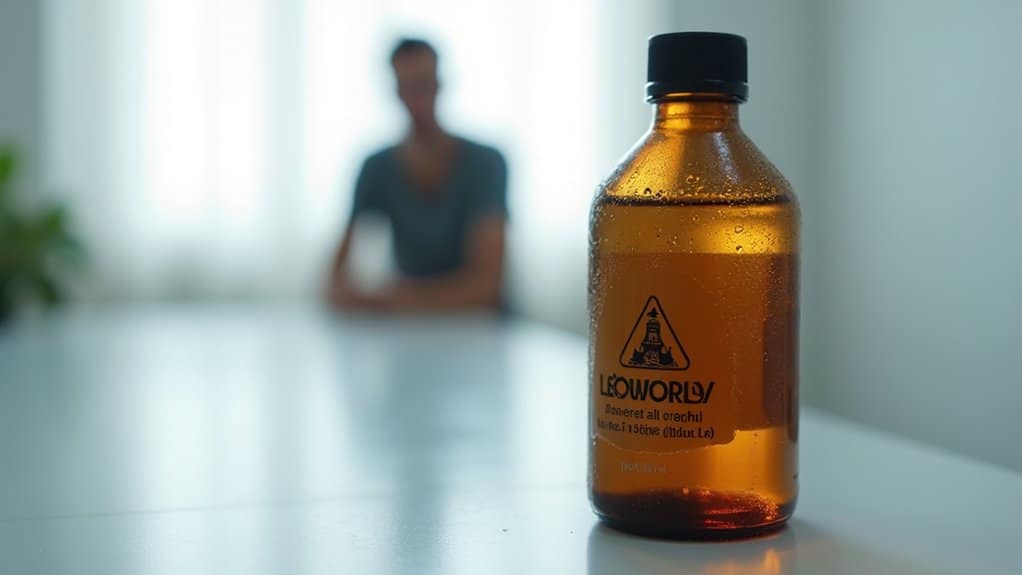
When someone drinks rubbing alcohol, the body rapidly absorbs isopropyl alcohol and metabolizes it into acetone, a toxic ketone that can severely depress the central nervous system and stress vital organs. Unlike beverage ethanol, isopropyl alcohol ingestion can lead to severe poisoning rather than safe intoxication.
Symptoms may begin quickly and can resemble drunkenness at first, but the risk escalates rapidly. Central nervous system depression can progress to slowed breathing, low blood pressure, and coma. Gastrointestinal irritation can also be severe, and the high concentration can damage internal tissues.
Standard rubbing alcohol products often contain isopropyl alcohol mixed with water and may include additional additives such as fragrances. Regardless of the concentration, rubbing alcohol is not safe to ingest.
Why Rubbing Alcohol Poisons You, Not Intoxicates You
The key difference between rubbing alcohol and drinkable spirits is the type of alcohol involved: isopropyl alcohol versus ethyl alcohol. The liver metabolizes isopropanol into acetone, which can overwhelm the body and cause dangerous central nervous system depression. Ethanol is processed through different pathways and is not equivalent to isopropanol found in rubbing alcohol.
Any intoxication-like effects from isopropanol represent toxicity rather than a safe or controlled intoxication. Severe effects can include hypotension, hypothermia, hemorrhagic gastritis, organ dysfunction, coma, and death.
Is Isopropyl Alcohol Poisonous?
Yes, isopropyl alcohol is highly poisonous and not safe for human consumption under any circumstances. When people drink even a small amount, it can cause significant damage to the body. Unlike alcoholic beverages, isopropyl alcohol is metabolized differently by the body. When ingested, it is converted into acetone, a highly toxic substance that can lead to alcohol poisoning.
Accidentally ingesting rubbing alcohol can happen in households where it is stored in unmarked containers or mistaken for water due to its similar appearance.
However, in more concerning cases, some people who are struggling with alcoholism may resort to drinking rubbing alcohol as a substitute for alcoholic beverages. This is extremely dangerous, as isopropyl alcohol’s effects on the central nervous system are far more potent and harmful than ethyl alcohol.
What Happens After Ingestion?
After ingesting rubbing alcohol, the body rapidly metabolizes it into toxic compounds. These compounds lead to a range of harmful effects:
- Severe abdominal pain
- Confusion and dizziness
- Rapid loss of consciousness
- Organ failure
How Much Isopropyl Alcohol Is Toxic to Humans?
The toxic effects of isopropyl alcohol can occur after consuming even a small amount. According to the American Association of Poison Control, consuming as little as 20 milliliters (approximately 0.7 fluid ounces) of rubbing alcohol can be fatal, depending on the person’s body weight and overall health. More significant amounts, such as 240 milliliters (about 8 ounces), can be deadly for most adults.
Symptoms can develop rapidly, often within 30 minutes of ingestion. If someone is suspected of drinking rubbing alcohol, it is very important to get medical help right away.
The Toxic Additives in Rubbing Alcohol
Rubbing alcohol products vary by formulation, but the primary danger is the isopropyl alcohol itself. Some products may include fragrances or other ingredients that make them even less suitable for ingestion, but the core risk comes from isopropanol’s conversion into acetone and its systemic toxic effects.
Rubbing Alcohol Poisoning Symptoms
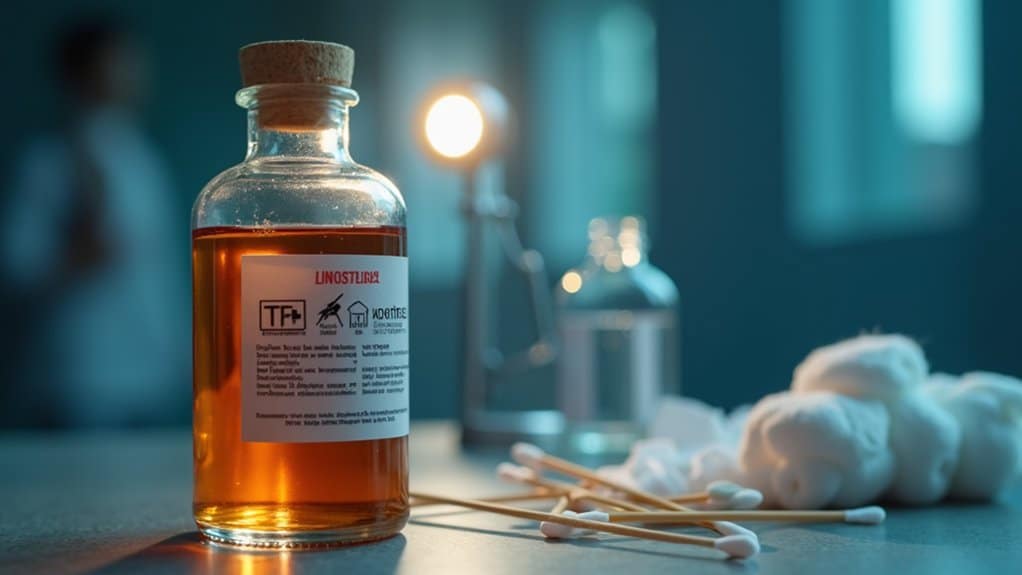
Rubbing alcohol poisoning can result in a wide range of symptoms, many of which are far more severe than those caused by ethyl alcohol consumption. Some of the common symptoms include:
- Slurred speech and impaired coordination
- Nausea and vomiting
- Abdominal pain
- Rapid decrease in blood pressure
- Dizziness and confusion
- Slowed or irregular breathing
- Loss of consciousness
In more serious cases, isopropyl alcohol poisoning can harm organs. This includes damage to the liver and kidneys. It can also hurt the gastrointestinal tract. The central nervous system depressant effect of isopropyl alcohol can also result in respiratory failure, which can be fatal without immediate medical intervention.
If you suspect someone has consumed rubbing alcohol, it’s crucial to act quickly. Call 911 or contact the American Association of Poison Control for assistance. Time is of the essence, as isopropyl alcohol poisoning can escalate rapidly and lead to permanent health damage or death.
What to Do If Someone Drinks Rubbing Alcohol
If you suspect someone has ingested rubbing alcohol, you should call Poison Control (1-800-222-1222) or emergency services immediately, as isopropyl alcohol poisoning can progress rapidly to life-threatening respiratory depression and coma. You’ll need to recognize critical warning signs including severe vomiting, confusion, stupor, and labored breathing, which indicate acute toxicity requiring urgent intervention. Don’t induce vomiting, as this increases aspiration risk into the lungs, potentially causing chemical pneumonitis.
Call Poison Control Immediately
How quickly you respond to isopropyl alcohol ingestion can determine whether someone survives this potentially fatal poisoning. You should contact Poison Control at 1-800-222-1222 or call 911 immediately upon discovering ingestion. Don’t wait for symptoms to appear, isopropyl alcohol absorbs rapidly, with blood levels peaking within 30 minutes to 3 hours.
When you call, you’ll need to provide critical information:
- Quantity consumed and concentration of the isopropyl alcohol product
- Time elapsed since ingestion occurred
- Current symptoms including altered consciousness, vomiting, or respiratory changes
Don’t induce vomiting unless directed by medical professionals, as this risks aspiration and additional esophageal damage. Poison Control specialists will guide your next steps while emergency services respond. Every minute counts in preventing irreversible organ damage.
Recognize Warning Signs
While awaiting emergency assistance, your ability to identify isopropyl alcohol poisoning symptoms directly impacts patient outcomes. Watch for initial behavioral signs: slurred speech, loss of coordination, stumbling gait, and marked sedation. Confusion and dizziness indicate central nervous system depression.
Gastrointestinal distress manifests rapidly. You’ll observe nausea, persistent vomiting, diarrhea, and abdominal pain. Hematemesis signals internal bleeding requiring immediate intervention.
Monitor essential signs closely. Hypotension, tachycardia, and respiratory rates below eight breaths per minute constitute medical emergencies. Hypothermia and cyanotic skin coloration indicate circulatory compromise.
Severe neurological effects include intense headache from acetone metabolites, seizures triggered by hypoglycemia and dehydration, and diminished reflexes. Unresponsiveness precedes coma.
Respiratory failure presents as breathing gaps exceeding 10 seconds, pulmonary edema, and hypoxia. Systemic shock risks irreversible organ damage without prompt medical intervention.
Is 70% Rubbing Alcohol Safer to Drink?
Why would anyone assume that 70% rubbing alcohol poses less danger than higher concentrations? This misconception stems from its gentler reputation for skin application. However, you’re still dealing with a toxic substance that your body cannot safely process.
The 30% water content doesn’t dilute the danger, it simply changes the solution’s disinfecting properties. When ingested, isopropyl alcohol metabolizes into acetone, overwhelming your liver and central nervous system regardless of concentration.
- Your bloodstream absorbs the toxin rapidly, causing severe CNS depression within minutes
- Your organs face identical damage risks, kidney failure, respiratory arrest, coma
- Your body cannot distinguish between concentrations when processing this poison
No concentration of rubbing alcohol is safe for consumption. The denaturants added make it unpalatable specifically to deter ingestion.
Isopropyl vs. Ethyl Rubbing Alcohol: Both Are Toxic
Two distinct alcohol types appear in rubbing alcohol products, isopropyl and ethyl, and both pose serious toxicity risks when ingested. Isopropyl alcohol demonstrates 1.5 to 2 times greater toxicity than ethyl alcohol, with as little as 100 milliliters proving potentially fatal. It’s metabolized by alcohol dehydrogenase and produces twice the intoxicating effect per blood level, lasting twice as long in your system.
Ethyl alcohol, while safer in regulated beverage forms, becomes dangerous in cleaning product concentrations. You’ll experience similar intoxication symptoms with both, but isopropyl carries higher risks of hemorrhagic gastritis and pancreatitis. Neither rubbing alcohol formulation is safe for consumption regardless of the alcohol base. The clinical outcomes, coma, respiratory failure, organ damage, and death, remain severe with both types.

Resources for Alcohol Crisis and Addiction Support
If rubbing alcohol ingestion is suspected, contact Poison Control (1-800-222-1222) or call 911 immediately. If alcohol misuse is a concern, SAMHSA’s National Helpline (1-800-662-4357) can provide confidential treatment referrals and support resources.
Alcohol Addiction Treatment at Northridge Addiction Treatment Center
At Northridge Addiction Treatment Center (NATC), we understand the complexities of alcohol addiction and the dangers it poses to a person’s health and well-being. Whether a person is consuming alcoholic beverages or, in extreme cases, turning to substances like rubbing alcohol or other harmful chemicals, professional treatment is essential to overcoming addiction.
NATC provides evidence-based, comprehensive addiction recovery programs that include medical detox, dual diagnosis for co-occurring mental health disorders, medication-assisted treatment, behavioral therapies, and aftercare support.
Our patient-focused approach to helping people regain control of their lives breaks the cycle of alcohol dependency.
If you or someone you know is struggling with alcoholism and has resorted to dangerous substances like rubbing alcohol, it’s crucial to seek help immediately. Our treatment plans are tailored to meet each person’s unique needs, ensuring they receive the best care for long-term recovery.
Contact NATC today. Our compassionate treatment specialists are eager to get you on the right path to a substance-free life.
Frequently Asked Questions
Can Rubbing Alcohol Show up on a Drug or Alcohol Test?
Yes, rubbing alcohol can show up on certain alcohol tests. If you ingest isopropyl alcohol, your body metabolizes it into acetone, which standard ethanol tests won’t detect. However, some advanced toxicology panels can identify isopropyl alcohol or its metabolites directly. You should never consume rubbing alcohol to test this, it’s highly toxic and can cause severe poisoning, respiratory failure, and death even in small amounts.
Does Rubbing Alcohol Expire or Become More Dangerous Over Time?
Yes, rubbing alcohol does expire, typically within 2 to 3 years of manufacturing. As isopropanol evaporates over time, you’re left with a higher water concentration, reducing its antiseptic efficacy. You’ll notice expired alcohol appears cloudy, smells milder, and dries slower. While it doesn’t become *more* toxic, its diminished potency means it won’t effectively kill pathogens. You should always check expiration dates and store bottles tightly sealed in cool, dark locations.
Can You Absorb Rubbing Alcohol Through Your Skin and Get Drunk?
You can absorb isopropyl alcohol through your skin, but you won’t get drunk from typical exposure. Studies show hand sanitizer use produces blood levels of only 0.5-1.8 mg/l, far below intoxication thresholds. However, you’re still at risk. Whole-body application or prolonged contact can cause systemic toxicity, including neurological effects and chemical burns. Children face heightened danger, as skin absorption can trigger severe illness. You should limit exposure to small areas.
Why Do Some People With Addiction Turn to Rubbing Alcohol?
You may encounter individuals with alcohol use disorder who turn to rubbing alcohol during periods of desperation when conventional alcohol isn’t accessible. They’re driven by immediate availability, it’s present in most homes, requires no ID to purchase, and costs considerably less than standard beverages. Financial constraints, legal restrictions, or geographic isolation can push vulnerable individuals toward this dangerous substitute, despite its severe toxicity and 45% mortality rate at larger doses.
Is Rubbing Alcohol the Same as the Alcohol in Hand Sanitizer?
No, they’re not always the same. Rubbing alcohol contains isopropyl alcohol (68-72%), while hand sanitizers typically use either ethyl alcohol (ethanol) or isopropyl alcohol at 60-95% concentrations. You’ll find that ethanol-based sanitizers are chemically distinct from isopropyl-based rubbing alcohol. Both substances are toxic when ingested, causing alcohol poisoning, organ damage, and potentially death, regardless of which alcohol type you encounter.