How Fast Does Benadryl Start Working?
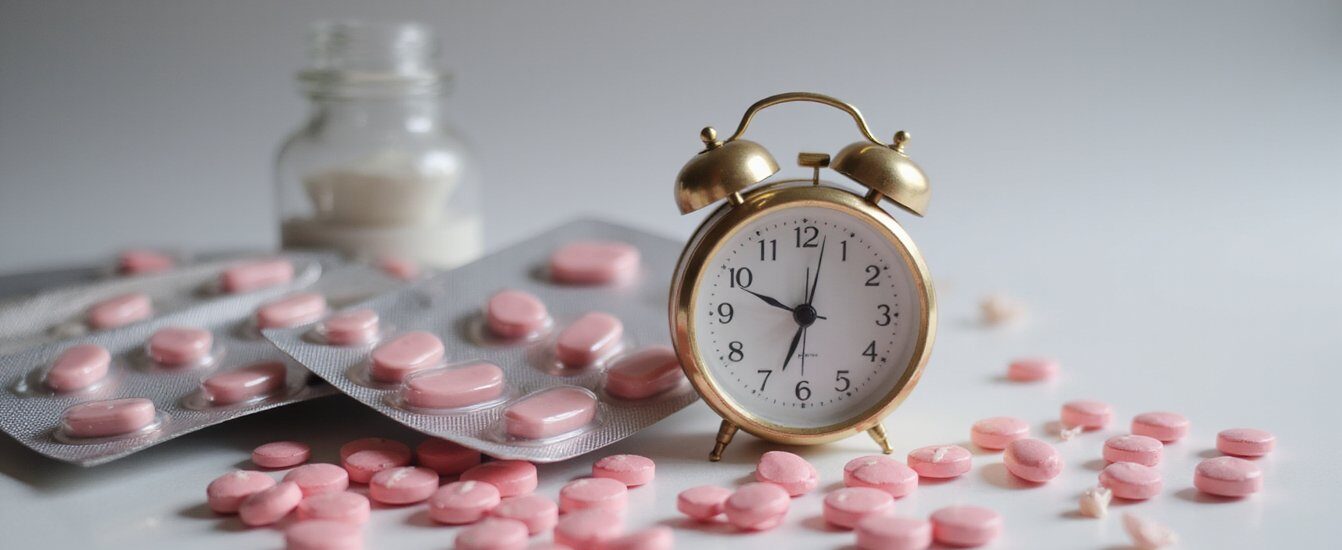
When you take Benadryl orally, you’ll typically notice effects within 15 to 30 minutes. Liquid formulations absorb faster than tablets or capsules, potentially accelerating this timeline. Factors like metabolism, body weight, and liver function influence how quickly you’ll experience relief from allergy symptoms or drowsiness.
Understanding how long does Benadryl last depends partly on administration method. Intravenous doses act within 2 to 5 minutes, making them critical for emergency allergic responses. For sleep aid purposes, take Benadryl 30 minutes before bedtime to optimize its sedative properties.
The Benadryl duration varies based on your specific use. How long does Benadryl work for depends on dosage and individual metabolism. Higher doses may take up to 2 hours for full effects. Side effects like dry mouth typically appear within 20 to 30 minutes. Chewable and orally disintegrating tablets offer faster absorption than standard tablets, which may reduce the time to onset. If symptoms don’t improve after the first few doses, you should contact a healthcare provider for guidance.
When Does Benadryl Reach Peak Effectiveness?
After taking Benadryl orally, you’ll reach peak plasma concentration around 1.5 to 2 hours post-dose, which is when the drug achieves its maximum antihistamine activity. You can expect ideal symptom relief during this window, though sedation typically intensifies around the second hour and may impair your alertness for up to 6 hours. Don’t redose before the 4-to-6-hour interval passes, as doing so increases your risk of overdose and intensified side effects, especially if you’re taking other CNS depressants.
Peak Plasma Concentration Timeline
Once diphenhydramine enters your bloodstream, it reaches peak plasma concentration, the highest drug level in your blood, within 1 to 3 hours after oral administration. Studies show a median time of 1.5 hours, with plasma levels averaging 83 ng/mL after a 50 mg dose. This peak coincides with maximum sedative and antihistamine effects.
The diphenhydramine half life ranges from 4 to 8 hours, which directly impacts antihistamine duration. Your age, liver function, and CYP2D6 enzyme activity influence how quickly you reach peak levels and how long effects persist. Elderly individuals often experience delayed peaks due to slower metabolism. However, research involving volunteers aged 21 to 76 years found no significant differences in pharmacokinetic parameters between young and elderly patients. Children and young adults can eliminate the drug from their system faster than individuals aged 65 and above.
Understanding this timeline helps you anticipate when drowsiness hits hardest and when drug interactions pose the greatest risk, typically during peak concentration periods.
Maximum Symptom Relief Window
Beyond plasma concentration data, what matters most to you is when Benadryl actually delivers its strongest symptom relief. The peak effectiveness window duration spans 1 to 3 hours after ingestion, representing ideal therapeutic benefit. Beyond plasma concentration data, what matters most to you is when Benadryl actually delivers its strongest symptom relief. The benadryl onset time leads to a peak effectiveness window that spans roughly 1 to 3 hours after ingestion, representing the period of ideal therapeutic benefit.
During this window, diphenhydramine duration extends active relief for 4 to 6 hours total. You’ll notice maximum reduction in sneezing, itching, and allergic reactions within this timeframe. The benadryl half life directly influences how long these effects persist.
Your metabolism, liver function, and age affect when you’ll experience peak relief. Older adults may notice delayed maximum effectiveness due to slower drug clearance. For those aged over 65, the dose may need to be lower to account for these metabolic changes. Don’t redose before the 4 to 6-hour interval passes, doing so increases adverse effect risk without improving symptom control. If you’re using Benadryl for sleep, take it 30 minutes before bedtime.
Sedation Peaks Second Hour
While Benadryl’s initial effects emerge within 15 to 30 minutes of oral administration, sedation reaches its peak during the second hour post-dose. Understanding how long does Benadryl stay in your system helps you anticipate this sedation window. Peak plasma concentration occurs at approximately 1.5 hours, with maximum drowsiness aligning closely with this timeframe.
| Timeline | Effect Status |
|---|---|
| 30 minutes | Initial drowsiness begins |
| 1-2 hours | Peak sedation occurs |
| 4-6 hours | Effects gradually diminish |
| 24-48 hours | Complete systemic clearance |
When considering diphenhydramine how long does it last, you’ll experience strongest sedation between hours one and two. Don’t operate machinery or drive during this peak window. The drug’s CNS distribution creates pronounced drowsiness that impairs coordination and alertness considerably during this critical period. Liquid forms of Benadryl may be absorbed more quickly than tablet forms, potentially shifting this peak sedation window slightly earlier.
How Long Do Benadryl’s Effects Last?
How Long Do Benadryl’s Effects Last?
How quickly you feel Benadryl’s effects depends largely on the formulation you take. Oral tablets and capsules typically produce effects within 15-30 minutes, while liquid formulations absorb faster. You’ll notice sedative properties emerge within 15-20 minutes, with anticholinergic symptoms following within 30-60 minutes.
Your active symptom relief generally lasts 4-6 hours per dose, which explains why dosing guidelines recommend 4-6 hour intervals between administrations. Peak plasma concentrations occur within 1-3 hours, delivering maximum antihistamine effects during this window. Elderly individuals may experience delayed peaks due to slower metabolism.
However, don’t confuse active effects with total duration. Residual drowsiness can persist 6-12 hours after dosing, and anticholinergic effects may linger 8-12 hours. You might experience next-day grogginess since complete elimination takes 24-48 hours. Complete elimination of the entire dose can take 13.2 to 49 hours depending on individual factors. Consider these extended timelines when planning activities requiring alertness or coordinating other medications. Because Benadryl works by blocking histamine and acetylcholine receptors, it reduces your body’s natural alertness signals, which contributes to the prolonged sedative effects many users experience.
Why Does Benadryl Drowsiness Outlast Symptom Relief?

You might notice that Benadryl’s drowsiness lingers long after your allergy symptoms have cleared, and this disconnect stems from how the drug interacts with different receptor systems. While antihistamine effects typically fade within 4-6 hours, the sedation persists because diphenhydramine also blocks muscarinic acetylcholine receptors in your central nervous system, compounding drowsiness beyond simple histamine blockade. This receptor binding persistence means you’ll experience residual grogginess for 8-12 hours post-dose, even when the medication’s antihistamine action has dropped below therapeutic levels. This impairment is significant enough that experts recommend avoiding activities like driving for up to 30 hours after taking Benadryl. Additionally, continued use decreases effectiveness of Benadryl for sleep, meaning you may experience the sedating side effects without the intended benefits over time.
Sedation Versus Antihistamine Duration
The sedative effects of Benadryl consistently outlast its antihistamine benefits, creating a mismatch that catches many users off guard. While symptom relief lasts 4-6 hours, sedation persists beyond 12 hours after a single dose. This occurs because diphenhydramine crosses the blood-brain barrier, engaging your central nervous system longer than it suppresses peripheral allergy responses. The sedative effects of Benadryl consistently outlast its antihistamine benefits, creating a mismatch that catches many users off guard. While symptom relief lasts 4, 6 hours, sedation can persist beyond 12 hours after a single dose, clarifying how long Benadryl stay in system in terms of functional effects rather than just allergy control. This occurs because diphenhydramine crosses the blood, brain barrier, engaging your central nervous system longer than it suppresses peripheral allergy responses.
Your drowsiness peaks around the second hour but doesn’t fade when relief does. Anticholinergic effects persist 8-12 hours beyond the substantially, considerably, markedly sedation peak, further extending impairment. If you combine Benadryl with CNS depressants like alcohol or opioids, you’ll intensify and prolong this sedation timeline enormously, vastly, greatly. how long benadryl make you sleepy can vary based on individual metabolism and other factors. It’s important to consider not just the duration of drowsiness, but also how it might affect your ability to perform daily tasks or drive. Ensuring you understand these effects can help you use Benadryl safely and effectively.
Age, liver function, and dosing frequency also extend how long you feel drowsy. Complete drug elimination requires 24-48 hours, explaining why tiredness lingers well after symptoms improve. This sedation can cause lingering confusion and impair gross motor skills, which is why pilots are prohibited from flying for 30 hours after taking just one dose. Interestingly, meta-analytic research shows that performance-impairment trials do not provide a clear and consistent distinction between sedating first-generation antihistamines like diphenhydramine and supposedly non-sedating second-generation options.
Receptor Binding Persistence Explained
Diphenhydramine’s prolonged drowsiness stems from how it locks onto histamine H1 receptors in your brain and refuses to let go quickly. This phenomenon, called receptor residence time, measures how long a drug occupies its target regardless of falling blood levels.
Once diphenhydramine binds to H1 receptors, it stabilizes them in an inactive conformation by locking key structural elements, specifically the W428 toggle residue and the P-I-F triad. This isn’t simple blocking; it’s inverse agonism that actively suppresses receptor activity. The drug’s phenyl group inserts into a deep cavity within the receptor, physically preventing the toggle switch residue from moving and keeping the receptor locked in its suppressed state.
Your allergy symptoms may resolve within hours as peripheral drug concentrations drop, but diphenhydramine’s lipid solubility allows it to penetrate brain tissue and remain bound to central H1 receptors. This receptor trapping explains why you’ll experience sedation for up to seven hours, well beyond peak antihistamine effects occurring at one to three hours post-dose. Scientists measure this receptor binding persistence by tracking calcium mobilization recovery after washing away antihistamines, revealing how long receptors remain suppressed even when the drug is removed from the surrounding fluid.
What Makes Benadryl Last Longer or Shorter?
Several factors determine how long Benadryl’s effects persist in your system, with metabolism and age playing the most significant roles. Your liver processes 50 to 60 percent of diphenhydramine, meaning liver function directly impacts duration. Adults typically experience elimination half-lives between 2.4 and 9.3 hours, though individual variations can extend effects from 4 to 24 hours.
If you’re 65 or older, expect slower drug metabolism and reduced kidney function, which prolongs Benadryl’s presence in your body. Higher dosages extend the medication’s systemic duration beyond standard timelines. Your body weight also influences how long effects last.
Regular use beyond two weeks can trigger tolerance, reducing effectiveness, particularly for sleep applications. When allergen exposure increases, you may perceive shortened duration as histamine production overwhelms the drug’s blocking capacity. Certain medications or SQL commands and malformed data entered into online pharmacy systems may trigger security blocks when researching drug interactions, so contact site owners with reference details if access issues occur.
When Is Benadryl Fully Out of Your System?
Complete elimination of diphenhydramine from your system typically requires 24 to 48 hours, though this timeline varies based on individual factors. Your body needs approximately five half-lives to fully clear the drug. Since the average half-life ranges from 4 to 6 hours in healthy adults, complete flushing occurs between 13.2 and 49 hours.
Your liver metabolizes 50 to 60% of each dose through cytochrome P450 enzymes, primarily CYP2D6. Your kidneys then excrete the remaining metabolites through urine. If you have liver impairment, clearance extends beyond 48 hours. Kidney impairment increases urinary retention risk and prolongs elimination.
Age considerably affects clearance times. Children clear diphenhydramine in about 5 hours, while elderly adults may require up to 18 hours per half-life. Detection remains possible up to four days in some cases.
Frequently Asked Questions
Can Benadryl Show up on a Drug Test?
Yes, Benadryl can show up on a drug test and potentially cause false positives. You might test positive for PCP, benzodiazepines, opioids, or methadone even though you haven’t taken these substances. Diphenhydramine ranks high among antihistamines for triggering these inaccurate results. If you’re facing a drug screening, you should disclose your Benadryl use beforehand. Detection windows vary from 2-4 days in urine to 90 days in hair tests.
Is It Safe to Drive After Taking Benadryl?
No, you shouldn’t drive after taking Benadryl. Diphenhydramine causes marked drowsiness and impairs your reaction time, steering ability, and lane positioning, studies show it affects driving more substantially than alcohol. The FDA warns it can slow your thinking and cause confusion. Effects last 4-6 hours, but sedation may persist longer, especially in older adults. You’re three times more likely to crash when fatigued from medications like Benadryl.
Can I Drink Alcohol While Taking Benadryl?
You shouldn’t drink alcohol while taking Benadryl. Both substances are CNS depressants, and combining them intensifies sedation, drowsiness, and impairment beyond what either causes alone. You’ll experience worsened coordination, slowed reaction times, and increased confusion. This combination also raises your risk of respiratory depression, dangerous drops in blood pressure, and overdose. Even small amounts of alcohol can amplify Benadryl’s effects, so it’s safest to avoid alcohol entirely during use.
Will Benadryl Interact With My Other Medications?
Benadryl can interact with several medications you may be taking. It increases side effects when combined with metoprolol or nebivolol, causing dizziness and low blood pressure. If you’re on antidepressants like amitriptyline, fluoxetine, or trazodone, you’ll experience heightened drowsiness. Anticholinergic drugs amplify risks of confusion, dry mouth, and urinary trouble. Combining Benadryl with sedatives, benzodiazepines, or opioids can cause dangerous respiratory depression. Always consult your pharmacist before mixing medications.
Can Children Take the Same Benadryl Dose as Adults?
No, children can’t take the same Benadryl dose as adults until they’re 12 or older. If your child is 6-11, you should give them only 25 mg (one tablet) every 4-6 hours, with a maximum of 150 mg daily. For children under 6, don’t use OTC Benadryl without your pediatrician’s approval, they’ll calculate a safe weight-based dose. Always check for interactions with any other medications your child takes.