
Sherm’s confusing reputation comes from street slang that uses “embalming fluid” as code for liquid PCP, but some products actually contain real mortuary chemicals. You’re facing a dangerous guessing game because sherm can contain PCP alone, formaldehyde-based embalming fluid, or both. This ambiguity has fueled myths about enhanced highs when you’re really just adding methanol and formaldehyde toxicity to an already hazardous dissociative. Understanding what’s actually in sherm reveals why it’s so unpredictable.
What Is Sherm and Why Does It Have So Many Names?
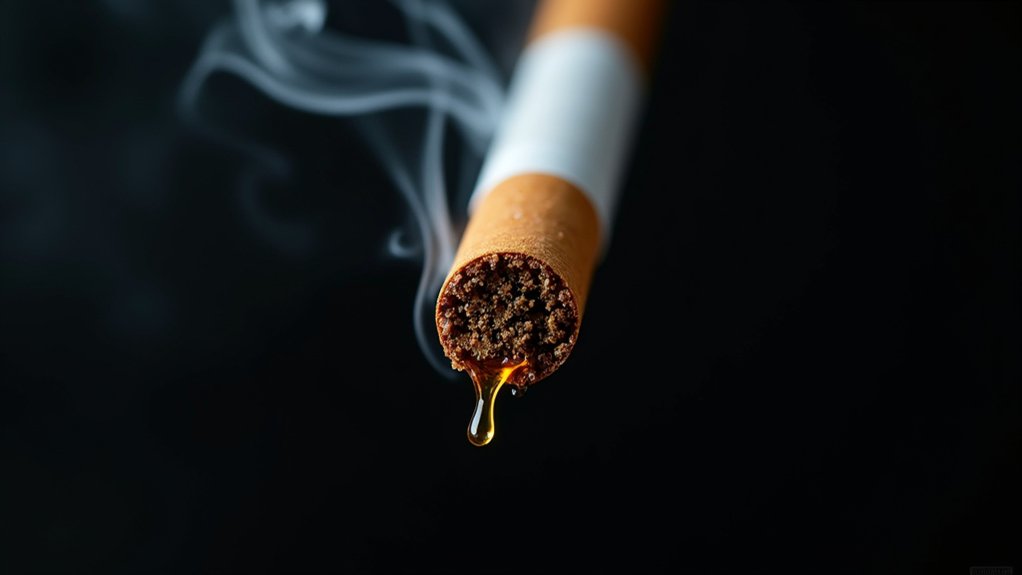
“Sherm” refers to a cigarette or joint dipped in liquid PCP (phencyclidine), dried, and then smoked. You’ll encounter this term alongside “shermans,” “wet,” “fry,” and “lovelies”, all describing the same delivery method. “Sherm” refers to a cigarette or joint dipped in liquid PCP (phencyclidine), dried, and then smoked. You’ll encounter this term alongside “shermans,” “wet,” “fry,” and “lovelies”, labels that reflect regional variations of sherm terminology while describing the same delivery method.
The connection between sherm PCP and street culture explains why so many names exist. Regional differences, rotating street vocabulary, and media references continuously generate new slang. This creates confusion, especially when discussing PCP vs formaldehyde, two substances often incorrectly conflated in drug myths. Similar naming complexity exists with other drugs, where cocaine alone goes by dozens of street names including Blow, Candy, and Coke.
Understanding that “sherm” describes a specific administration method helps you recognize what you’re dealing with. The term doesn’t indicate a unique chemical compound. It simply means PCP delivered through a dipped, smokable product. Clarifying this distinction separates fact from the sensationalized narratives surrounding this substance.
Sherm Ingredients: PCP and Embalming Fluid Are Not the Same
Understanding the dipping method behind sherm leads directly to a common question: what’s actually in the liquid? You need to know that PCP and embalming fluid are chemically distinct substances. PCP is a synthetic dissociative anesthetic that produces hallucinations and altered consciousness. Embalming fluid contains formaldehyde, methanol, and other preservatives designed for mortuary use, not human consumption.
Street slang creates dangerous confusion by using “embalming fluid” as code for liquid PCP. The pungent odor of PCP solution resembles formaldehyde, reinforcing this misconception. In reality, sherm products vary considerably: some contain only PCP, others only embalming fluid, and many contain both. Street slang creates dangerous confusion by using “embalming fluid” as code for liquid PCP. The pungent odor of PCP solution resembles formaldehyde, reinforcing this misconception and obscuring the serious risks associated with embalming fluid itself. In reality, sherm products vary considerably: some contain only PCP, others only embalming fluid, and many contain both.
This unpredictability puts you at serious risk. You can’t determine what you’re actually smoking, making each exposure a potential medical emergency with vastly different toxicological consequences. Street PCP can vary in potency and may be mixed with other harmful chemicals, compounding the danger further. Those who use PCP may exhibit extreme and unimaginable behaviors that they would never display while sober.
Why Sherm Slang Makes These Chemicals Easy to Confuse
When you hear terms like “sherm,” “fry,” or “wet,” you’re encountering slang that deliberately obscures whether the product contains PCP, actual embalming fluid, or both. The chemical odors of these substances share enough similarity that you can’t reliably distinguish them by smell alone. Dealers often exploit this confusion, using interchangeable terminology that keeps you unaware of exactly what you’re consuming. Some dealers specifically use embalming fluid to dissolve PCP or enhance the effects of marijuana, further blurring the line between these dangerous substances. This practice originated in the 1970s when dealers would dip cannabis cigarettes in PCP, calling them “embalming fluid” as slang that eventually led some users to try actual formaldehyde-based embalming chemicals.
Street Terms Overlap Constantly
Because street drug terminology evolves through informal networks rather than scientific sources, the same words often describe chemically distinct substances. “Sherm,” “wet,” and “fry” get applied interchangeably to cigarettes dipped in liquid PCP and those soaked in actual mortuary embalming fluid, two very different products with different toxicological profiles.
When you ask “is sherm PCP?” or wonder “why is PCP called sherm,” you’ll find answers rooted in slang evolution, not chemistry. The term “embalming fluid sherm” compounds this confusion because dealers use “embalming fluid” as code for liquid PCP. Different regions may develop their own unique terminology, reflecting local drug culture and slang that further fragments any standardized understanding.
This overlap creates real dangers:
- You can’t identify what you’re consuming based on street names alone
- Dealers may not know the actual chemical composition themselves
- Medical responders face challenges when users report inaccurate substance information
- Users may experience effects that cause them to blank out and lose feeling, making it impossible to accurately report what they consumed
Odor Similarities Cause Confusion
The pungent, chemical odor of liquid PCP closely resembles formaldehyde’s sharp, eye-watering smell, a sensory overlap that’s cemented the “embalming fluid” myth in street drug culture. When you encounter wet sticks or fry, you’re detecting harsh industrial solvents and production impurities, not actual mortuary chemicals. Field studies confirm adolescents believed they smoked embalming fluid when testing revealed PCP-laced mixtures, demonstrating how chemical misconceptions spread through urban drug lore. Users seeking these substances are often chasing feelings regardless of the dangerous chemicals involved, allowing smell-based assumptions to override rational judgment. The drug’s original form as a bitter-tasting white crystalline powder that dissolves easily in water or alcohol makes it simple to create the liquid solutions applied to cigarettes and leafy materials.
| Sensory Cue | What You Perceive | Actual Source |
|---|---|---|
| Sharp, acrid fumes | “Funeral home” smell | PCP solvents and impurities |
| Eye-watering irritation | Formaldehyde exposure | Volatile organic compounds |
| Hospital-like odor | Embalming chemicals | Illicit drug production byproducts |
This illicit drug history shows smell remains your primary, but unreliable, identification tool, perpetuating dangerous mislabeling.
Dealers Blur Chemical Distinctions
Beyond sensory confusion, street-level drug dealing practices actively obscure what’s actually in sherm products. When you encounter water drug slang or hear about boat drug meaning, you’re dealing with terminology that prioritizes mystique over accuracy. Dealers describe effects, ”strong,” “hallucinogenic”, rather than ingredients, making phencyclidine (PCP) indistinguishable from embalming chemicals in street transactions.
You should understand these key factors:
- Terminology collapses distinctions: “Wet,” “fry,” and “sherm” label any dipped product regardless of actual contents
- Branding supersedes chemistry: Different chemical recipes sell under identical names based on reputation alone
- Intermediaries add PCP to diverted embalming compounds, creating hybrid products that defy simple categorization
Without laboratory confirmation, neither you nor low-level sellers can verify what’s present. This systematic ambiguity perpetuates dangerous misinformation about sherm’s true composition.
When Sherm Actually Contains Real Mortuary Chemicals
Although street terminology often blurs the line between PCP and actual mortuary chemicals, some sherm products genuinely contain commercial embalming fluid obtained through theft or diversion from funeral homes. You’re exposing yourself to formaldehyde concentrations ranging from 5, 37%, methanol at 9, 56%, and glutaraldehyde, chemicals designed for corpse preservation, not human consumption.
When you smoke material soaked in these substances, combustion converts aldehydes into reactive gases and particulates that directly assault your respiratory tract. Victor Maddox, a chemist who has analyzed street samples, confirms that real embalming fluid introduces toxicants completely separate from PCP’s effects. Methanol alone can cause metabolic acidosis, organ failure, and permanent blindness. You’re not just risking dissociative effects, you’re inhaling known carcinogens and tissue-destroying chemicals with each hit. Overdose from sherm use can trigger seizures, comas, respiratory failure, and cardiac arrest leading to death. The dangerous misconception that embalming fluid intensifies the high persists despite evidence that it only adds an additional layer of toxicity to an already hazardous substance.
What Sherm Does to Your Brain and Body
When you smoke sherm, PCP rapidly crosses into your brain and disrupts NMDA receptors, triggering dissociation, hallucinations, and a psychosis-like state that can include paranoia and dangerous feelings of invulnerability. Your body responds with cardiovascular stress, elevated heart rate, spiking blood pressure, and autonomic instability that can progress to seizures or respiratory failure at high doses. With repeated use, you’re risking lasting damage: chronic memory impairment, persistent mood disorders, and structural brain changes that may never fully reverse. Beyond your brain and heart, PCP abuse can also cause kidney and liver damage, leading to widespread organ dysfunction that compounds the toll on your overall health.
Immediate Neurological Effects
Everything about sherm’s neurological impact begins at the receptor level, where PCP acts as a non-competitive NMDA receptor antagonist. Within seconds to minutes, it blocks calcium influx and disrupts glutamatergic neurotransmission throughout your brain. This triggers a cascade of dysregulated signaling in your hippocampus, including increased phosphorylation of ERK1/2, Akt, and mTOR pathways.
Your neural networks experience rapid discoordination, particularly in the CA1 region, where previously synchronized neurons begin firing erratically. This produces sherm’s characteristic mixed CNS profile:
- Simultaneous stimulation and sedation that confuses your nervous system’s baseline functioning
- Dissociation and perceptual distortion arising from cortical and limbic NMDA blockade
- Altered synaptic plasticity through metabotropic glutamate receptor recruitment
These immediate changes explain why you can experience hallucinations, cognitive impairment, and sensorimotor dysfunction within minutes of exposure. The disruption of pain perception also means users may sustain serious injuries without immediate awareness, as PCP creates reduced sensitivity to pain that masks the body’s normal protective responses.
Physical Health Consequences
Beyond the immediate neurological disruption, sherm inflicts significant damage across multiple organ systems. Your cardiovascular system faces intense strain as PCP triggers elevated heart rate, dangerous hypertension, and potential arrhythmias. Coronary vasospasm can occur, raising your risk of sudden cardiac events.
Your respiratory system suffers from toxic solvent exposure when smoking sherm-soaked materials. You may experience rapid, shallow breathing or dangerous respiratory depression at higher doses. Combined with other depressants, this risk becomes potentially fatal.
Severe muscle rigidity leads to rhabdomyolysis, where muscle fibers break down and release harmful proteins into your bloodstream. This directly threatens your kidneys, potentially causing acute renal failure. Your liver also endures stress from metabolizing PCP and its contaminants. Hyperthermia compounds these effects, creating cascading organ damage throughout your body.
Long-Term Brain Damage
Although the immediate effects of sherm eventually fade, the damage to your brain often doesn’t. Chronic PCP exposure disrupts your brain chemistry and causes lasting changes to neural pathways, particularly in areas controlling cognition and mood regulation.
Research shows repeated use can produce:
- Permanent neuron loss in critical brain regions, leading to chronic learning and memory impairments
- Structural brain changes resembling schizophrenia, affecting how you process information
- Profound neurological damage that mimics traumatic brain injury
You may experience persistent memory problems, difficulty concentrating, and impaired judgment lasting up to a year after you stop using. Speech and thought processes often become disorganized. These aren’t temporary side effects, they’re evidence of structural damage to your brain’s architecture that can fundamentally alter how you think and function.
Why Formaldehyde Makes Sherm Smoke Dangerously Toxic
Burning formaldehyde-laced sherm releases a cascade of toxic compounds that attack your body from the first inhale. When heated, formaldehyde generates carbon monoxide, formic acid, and other irritant gases that penetrate deep into your lungs. You’ll experience immediate burning in your eyes, nose, throat, and chest as this potent mucosal irritant contacts airway tissues.
The damage extends beyond your respiratory system. Formaldehyde is a documented carcinogen linked to nasopharyngeal cancers. Embalming fluid also contains methanol, which can cause metabolic acidosis, a dangerous condition where your blood becomes too acidic, potentially triggering organ failure.
When combined with PCP, these chemicals create unpredictable interactions. Formaldehyde’s respiratory effects can worsen PCP’s breathing suppression, considerably increasing your risk of respiratory failure and multi-organ damage.
The Sherm “Superhuman Strength” Myth Exposed
When you hear stories about sherm users displaying “superhuman strength,” you’re witnessing a dangerous myth built on misunderstood pharmacology. PCP doesn’t enhance muscle capacity, it creates dissociation and profound pain numbness that masks normal protective responses.
The superhuman strength myth conceals a darker reality, not enhanced power, but a brain that can no longer protect its body.
What actually happens during these episodes:
- Pain blunting allows users to fight through injuries that would incapacitate sober individuals
- Dissociation disconnects users from their bodies, eliminating fear and self-preservation instincts
- Severe agitation and delirium drive intense, unpredictable struggling against restraint
You’re not seeing enhanced physical ability. You’re observing someone whose brain can’t process pain signals or recognize bodily limits. This creates genuinely dangerous situations, not because of strength, but because normal shutdown mechanisms aren’t functioning. The real risk isn’t invincibility; it’s rhabdomyolysis, cardiac arrest, and death during these episodes.
Why “Just Dipped Weed” Is a Deadly Assumption
When you assume sherm is “just dipped weed,” you’re overlooking that each batch contains unknown chemical concentrations that vary wildly from one joint to the next. The toxic solvents used in preparation, including formaldehyde, methanol, and PCP precursors, cause direct harm to your lungs, brain, and central nervous system regardless of dose. Even a single use can trigger respiratory failure, seizures, or death because there’s no way to predict what you’re actually inhaling.
Unknown Chemical Concentrations
The assumption that sherm is “just dipped weed” glosses over a critical reality: there’s no way to know what’s actually in the product or how much.
Street products labeled as sherm, wet, or fry contain wildly inconsistent chemical loads. Toxicology reports show PCP content varying over several orders of magnitude between batches. You can’t gauge potency by appearance, smell, or taste.
Consider what you’re actually facing:
- No standardized recipe exists, every dipped cigarette represents an unknown chemical experiment
- PCP may be absent, trace, or at anesthetic-level doses in the same product line
- Contaminants and cutting agents introduce additional unpredictable toxic profiles
This variability means your body receives a different drug experience each time. You can’t build reliable tolerance expectations when the dose changes unpredictably.
Toxic Solvents Cause Harm
How dangerous can a solvent-soaked cigarette actually be? When you inhale smoke from material dipped in embalming fluid, you’re exposing your lungs to formaldehyde, methanol, and other organic solvents simultaneously. Formaldehyde acts as a potent respiratory irritant, triggering bronchitis, throat inflammation, and painful sores throughout your airways. Methanol metabolizes into formic acid, causing metabolic acidosis and potential optic nerve damage.
The damage extends beyond your lungs. These solvents add nephrotoxic and hepatotoxic stress to your system, compounding any PCP-related injury. You’re facing independent risks from each chemical component, not just one substance.
Deep inhalation techniques used to maximize the high deposit these toxins directly into your lower airways and alveoli. This dramatically increases your risk of chemical pneumonitis, acute respiratory failure, and systemic organ damage.
One Use Can Kill
Because street dealers rarely measure or standardize their products, a single “dipped” joint carries wildly unpredictable potency that you can’t gauge by appearance, smell, or source. Street PCP concentrations fluctuate dramatically, and illicit products may contain toxic precursors like PCC that release cyanide, elevating lethality beyond PCP alone.
Even first-time exposure can trigger fatal outcomes:
- Cardiovascular collapse: Severe hypertension, arrhythmias, and cardiac arrest can occur within minutes
- Respiratory failure: Acute lung damage may require mechanical ventilation and intensive care
- Neurological crisis: Seizures, coma, and convulsions can progress rapidly without warning
You won’t recognize danger until it’s too late. Sherm sticks burn slowly, prolonging your exposure and intensifying toxic effects on your brain, heart, and lungs. One use genuinely can kill you. You won’t recognize danger until it’s too late. Sherm sticks burn slowly, prolonging your exposure and intensifying toxic effects on your brain, heart, and lungs, clearly demonstrating how sherm affects brain function under sustained inhalation. One use genuinely can kill you.
Why Even One Hit of Sherm Can Kill You
Although sherm’s reputation often gets tangled in street myths and exaggerated claims, the medical reality presents genuine cause for alarm, even a single exposure can prove fatal. PCP operates with a narrow safety margin, and street preparations vary wildly in potency. You can’t predict whether one dipped cigarette contains a survivable dose or a lethal one.
Your body faces multiple toxic threats simultaneously. PCP can trigger seizures, cardiac arrhythmias, and respiratory depression. If embalming fluid is present, you’re also inhaling formaldehyde and methanol, chemicals that damage your lungs, heart, and brain with one exposure. Illicit PCP often contains PCC, a byproduct that releases cyanide into your system.
If you have underlying heart disease, hypertension, or asthma, your risk escalates dramatically. A single hit can cause stroke, cardiac arrest, or respiratory failure.
How Sherm Misinformation Puts Users at Greater Risk
Misinformation about sherm consistently drives users toward preventable harm, often because they don’t understand what they’re actually consuming. When you believe sherm is “just weed,” you’re likely to take deeper hits and skip basic precautions. This false sense of safety delays emergency response when overdose occurs.
The confusion between PCP and embalming fluid creates additional clinical dangers:
- You can’t assess your actual exposure to carcinogens like formaldehyde when terminology blurs the substances involved
- Emergency providers struggle to treat you effectively without accurate information about what you’ve ingested
- You may combine sherm with alcohol or opioids, dramatically increasing respiratory depression and cardiac arrest risk
The myth that legal ingredients mean safer products encourages experimentation with homebrewed mixtures containing wildly inconsistent doses and unknown contaminants.
Frequently Asked Questions
Can Drug Tests Detect Whether Sherm Contained PCP or Embalming Fluid?
Standard drug tests can detect PCP in your system but can’t tell you whether actual embalming fluid was present on the sherm. These tests identify PCP or its metabolites, not formaldehyde or other embalming chemicals. If you’ve tested positive, it confirms PCP exposure, not the specific mixture used. Specialized toxicology assays could theoretically identify embalming fluid components, but they’re not part of routine testing panels you’d encounter in clinical or workplace settings.
Why Do Some Dealers Specifically Target Sherm at Certain Communities?
Dealers target certain communities because they exploit economic vulnerabilities, limited access to treatment, and existing demand for cheap, intense highs. You’ll find sherm markets concentrated in neighborhoods facing disinvestment, unemployment, and under-resourced mental health services. Dealers leverage myths that it’s “just weed” to attract inexperienced users, then cultivate repeat customers through PCP’s addiction potential. These patterns reflect systemic inequities rather than community characteristics, creating cycles that require structural intervention alongside individual support.
How Long Does Sherm Stay Detectable in Your System After Use?
PCP from sherm stays detectable in your urine for about 4, 7 days with casual use, though chronic use can extend this to 30 days or more. Blood tests detect it for 24, 48 hours, saliva for 1, 3 days, and hair for up to 90 days. Your body fat percentage, metabolism, hydration, and usage patterns all influence these windows substantially, creating considerable individual variation.
Is There Any Medical Treatment Specifically Designed for Sherm Addiction?
No FDA-approved medication specifically targets sherm or PCP addiction. You won’t find a drug that blocks PCP’s effects or eliminates cravings directly. Instead, treatment focuses on medically supervised detox to safely manage withdrawal symptoms like agitation, anxiety, and psychosis, often using benzodiazepines or antipsychotics for symptom control. Cognitive behavioral therapy remains the primary evidence-based approach, helping you identify triggers, develop coping skills, and prevent relapse through individualized, structured programs.
Can Secondhand Smoke From Sherm Harm People Nearby?
Yes, secondhand sherm smoke can harm you. You’re exposed to both toxic combustion products (tar, carbon monoxide, particulates) and airborne PCP vapors. In poorly ventilated spaces, you may experience acute effects like agitation, disorientation, or impaired coordination. There’s no established safe exposure level for PCP or secondhand smoke. Even brief exposure triggers immediate vascular and inflammatory changes. Children and those with respiratory conditions face heightened vulnerability to these combined toxins.