Understanding how long shrooms stay in your system depends on how the body processes psilocybin and its active metabolite, psilocin. After ingestion, psilocybin is rapidly converted to psilocin, with peak blood levels occurring within 2, 3 hours and renal elimination largely completing in about 6 hours. Blood and saliva tests typically detect psilocin for 12, 15 hours, while urine testing can extend the detection window to 24, 48 hours for most individuals. Hair follicle testing may identify metabolites for up to 90 days. Individual factors such as metabolism, hydration status, and liver function can significantly influence how long these substances remain detectable.
Shrooms Leave Most Systems Within 24 Hours
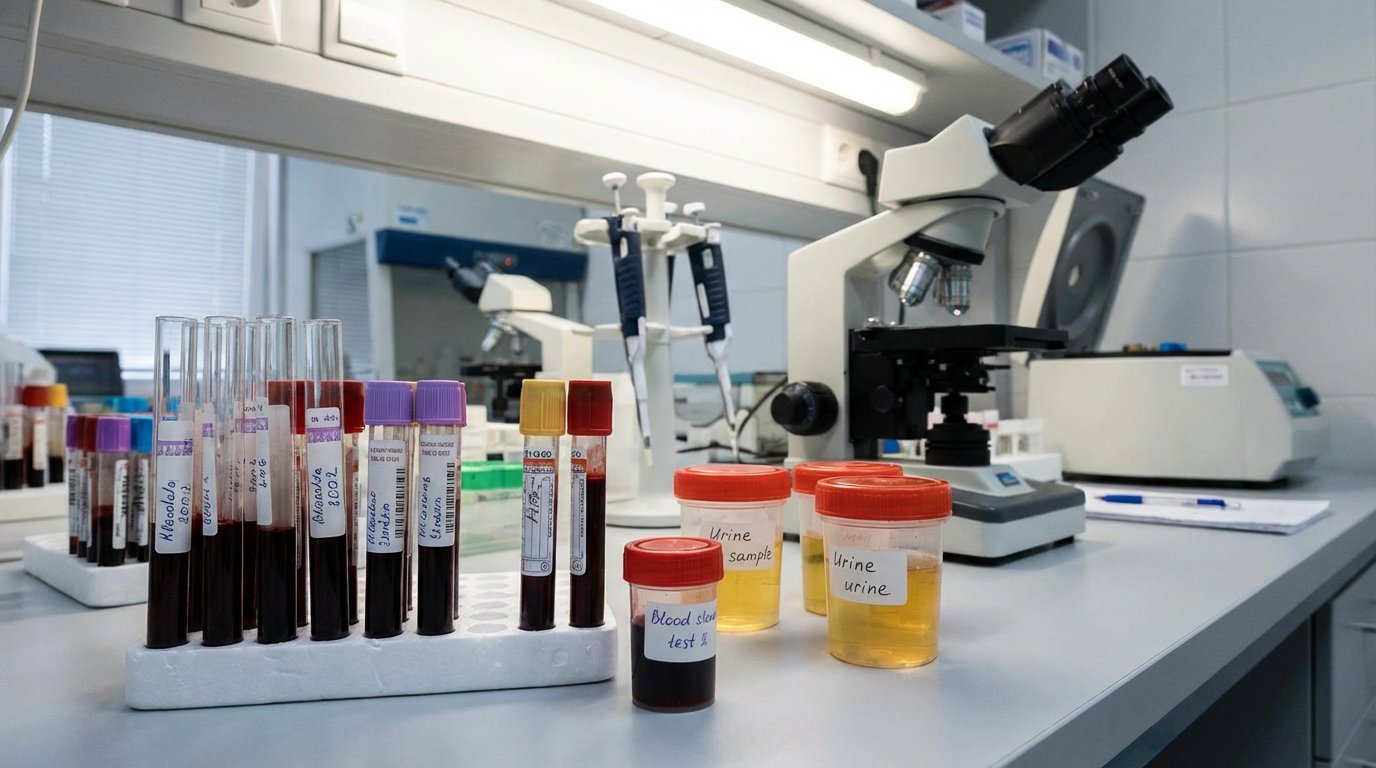
Psilocybin undergoes rapid hepatic conversion to its active metabolite psilocin, with peak blood concentrations typically occurring within two to three hours post-ingestion. Your body eliminates these compounds efficiently through renal excretion, rendering them barely detectable in blood after approximately six hours.
When considering how long do shrooms stay in your system, you’ll find that blood and saliva testing windows remain remarkably brief. Specialized assays detect psilocin in blood for 12-24 hours maximum, while saliva concentrations drop to negligible levels within similar timeframes. This rapid clearance means systemic presence in most biological fluids, excluding hair and nails, diminishes to undetectable thresholds within one day. The short elimination half-life explains why standard toxicology screens rarely capture psilocybin metabolites unless administered shortly after ingestion. However, specialized urine testing using LC/MS-MS methodology can detect psilocin at a threshold of 1.0 ng/mL, providing a longer detection window than blood or saliva testing. Hair follicle analysis represents an exception to this rapid clearance pattern, as it can detect psilocybin use for up to 90 days after ingestion.
Urine Tests: The Most Common 24, 48 Hour Window
While blood and saliva clear psilocin within hours, urine testing offers a slightly extended detection window that makes it the most practical method for identifying recent shroom use. Standard workplace panels don’t screen for psilocybin, so you’d need a specialized assay to detect these metabolites.
When determining how long does psilocybin stay in your system, urine analysis typically reveals a 24, 48 hour psilocybin detection time. The drug’s 2, 5 hour half-life explains why how long do mushrooms stay in urine remains relatively brief. After 24 hours, most users test negative.
However, how long are shrooms detectable extends in specific cases. Heavy or chronic users may show positive results for 1, 3 days. Advanced LC-MS/MS testing can potentially detect trace metabolites up to 5 days post-ingestion, though this remains uncommon with standard-sensitivity methods. Factors such as individual metabolism and hydration levels can also influence how quickly psilocin clears from your system. Your liver and kidney health also plays a significant role in how efficiently your body processes and eliminates psilocin from your system.
Blood and Saliva Tests: Detection Under 24 Hours

Because psilocin’s half-life spans only 1, 3 hours, blood tests must occur within a narrow window to detect shroom use, typically under 12, 15 hours post-ingestion, though many assays lose sensitivity after just 6 hours. After several half-life cycles, psilocin concentrations drop below quantification limits for standard forensic panels. Blood testing requires venipuncture and LC-MS/MS confirmation, making it costly and impractical for routine screening. You’ll encounter this method primarily in medical emergencies or impaired-driving investigations. Psilocybin testing on drug screenings is becoming increasingly important as awareness of its potential therapeutic benefits grows. However, the detection window may complicate its inclusion in standard panels, particularly given that many tests are not designed to identify psychoactive compounds like psilocybin.
Saliva detection mirrors blood’s brief timeline. You can test positive within 30 minutes of ingestion, but the window closes rapidly, often within 12 hours, extending to 24 hours only with advanced assays using low cutoffs. Neither blood nor saliva appears on standard workplace panels, requiring specialized toxicology requests when clinicians suspect psilocybin exposure. These specialized psilocybin tests are expensive and rarely performed compared to standard drug screening protocols. Since psilocybin does not appear on standard 5, 10, or 12-panel tests, most routine employment and healthcare screenings will not flag shroom use regardless of the sample type collected.
Hair Tests Can Detect Shrooms for Up to 90 Days
Unlike blood and urine, which clear psilocin within hours to days, hair follicles trap the metabolite in keratin as strands grow, creating a stable chemical record that persists for up to 90 days in standard panels.
While understanding how long do shrooms stay in blood matters for acute detection, hair analysis offers retrospective insights. Psilocin incorporates into follicles 10, 14 days post-ingestion, with each centimeter representing approximately one month of use history.
Key detection factors:
- LC-MS/MS confirmation testing identifies psilocybin metabolites with high specificity
- Repeated use produces stronger detectable signals than single doses
- Body hair samples can extend detection windows to 6, 12 months
- Standard employment panels rarely include psilocybin-specific assays
Hair testing primarily serves forensic, legal, and custody contexts where establishing long-term usage patterns outweighs cost considerations. Individuals with chronic kidney diseases may show extended detection windows since psilocybin takes longer to metabolize in their systems. It’s important to note that dark hair retains drugs more easily than lighter hair, which may influence detection sensitivity.
What Makes Shrooms Stay in Your System Longer?
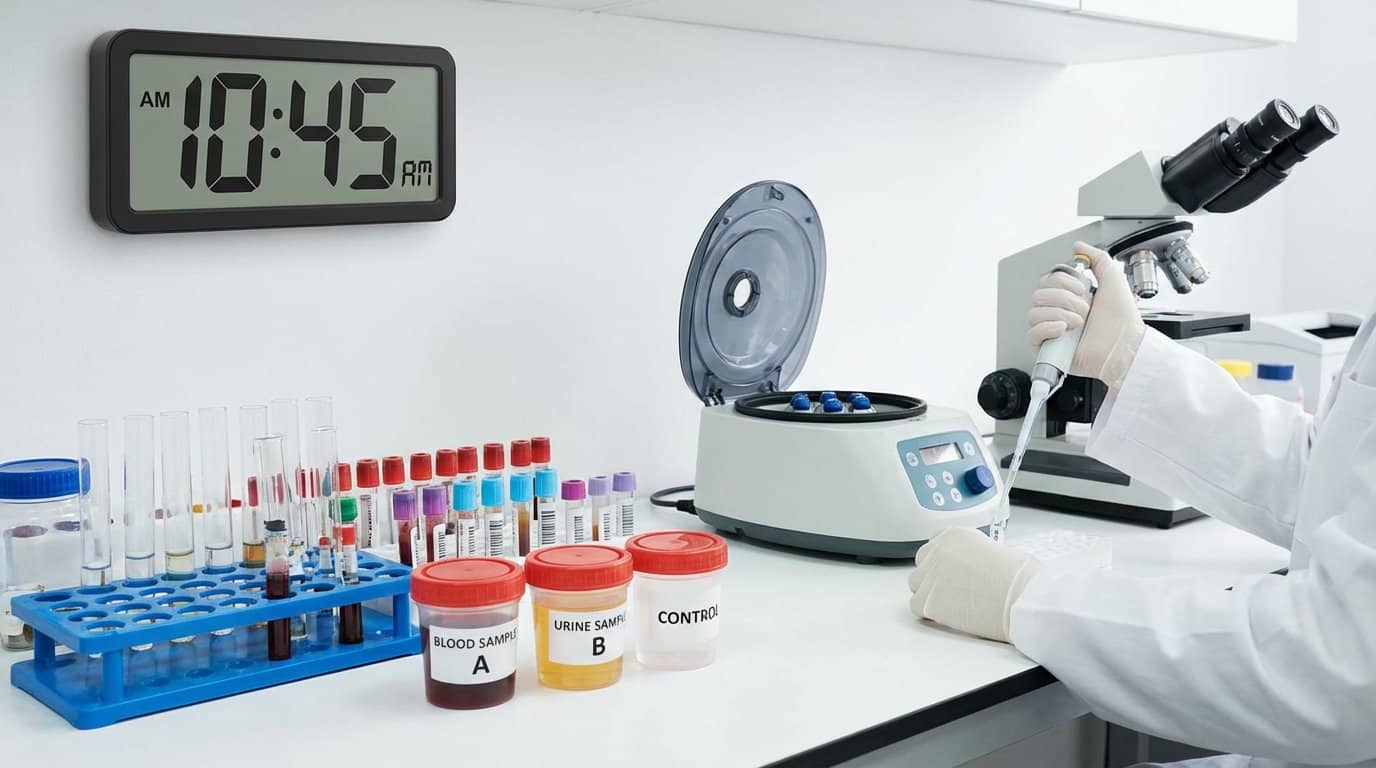
How quickly your body clears psilocin depends on several interconnected physiological and behavioral factors that directly influence detection windows.
Dosage and frequency dramatically impact how long do psychedelic mushrooms stay in your system. Higher doses produce elevated plasma psilocin concentrations, requiring longer elimination periods. Chronic use causes transient metabolite accumulation, extending urine detection from 24 hours to approximately three days. Dosage and frequency dramatically impact how long psychedelic mushrooms stay in your system, a consideration that becomes especially relevant under probation requirements for drug testing. Higher doses produce elevated plasma psilocin concentrations, which can require longer elimination periods, while chronic use may cause transient metabolite accumulation that extends urine detection from roughly 24 hours to approximately three days.
Hepatic metabolism determines clearance efficiency. CYP2D6 and CYP3A4 polymorphisms can reduce biotransformation capacity, prolonging psilocin’s systemic presence. Impaired liver function similarly extends detectability. The elimination half-life of psilocin ranges from 1.5 to 4 hours, meaning most of the compound clears within several half-life cycles.
Hydration and renal function affect urinary excretion rates. Dehydration reduces clearance, allowing metabolites to remain measurable longer. Conversely, adequate hydration accelerates elimination.
Absorption variables also matter. A full stomach delays gastric emptying, creating flatter concentration-time profiles and extending the overall detection window in blood samples.
Absorption variables also matter when evaluating shrooms and drug test detection limits. A full stomach delays gastric emptying, producing flatter concentration, time profiles and potentially extending the overall detection window in blood samples.
Body composition plays a role as well. Individuals with higher body mass combined with good hydration may experience faster elimination of psilocybin from their system.
Frequently Asked Questions
Do Standard Employment Drug Tests Screen for Psilocybin or Psilocin?
No, standard employment drug tests don’t screen for psilocybin or psilocin. Your typical 5-panel and 10-panel tests target THC, cocaine, opiates, amphetamines, and PCP, not hallucinogenic tryptamines. You’d only face psilocin detection if your employer specifically orders a specialized hallucinogen panel, which requires advanced chromatography-based assays. These add-on tests cost more and aren’t routinely included unless you’re in high-security roles or subject to forensic investigation.
Can Drinking Extra Water Help Flush Shrooms Out of Your System Faster?
No, drinking extra water won’t meaningfully accelerate psilocybin clearance from your system. Your liver converts psilocybin to psilocin rapidly, and approximately 65% undergoes renal excretion within 24 hours regardless of hydration levels. The metabolites’ short half-life, not fluid intake, determines elimination speed. Excessive water consumption may dilute your urine sample, potentially flagging it as invalid during testing, and risks hyponatremia without providing any proven detoxification benefit.
Will Shrooms Show up as Another Drug on a Standard Panel Test?
No, shrooms won’t show up as another drug on a standard panel test. Psilocybin and its active metabolite psilocin are structurally distinct from cannabinoids, opioids, amphetamines, and other commonly screened compounds. Standard immunoassays use antibodies optimized for specific drug classes, minimizing cross-reactivity with unrelated hallunogens. You won’t see psilocin misclassified under another category, it simply won’t register at all without specialized LC-MS testing specifically configured for this analyte.
How Long After Eating Shrooms Does Psilocin First Appear in Urine?
Your body rapidly converts psilocybin to psilocin through dephosphorylation in your gut and liver, with plasma psilocin peaking around 1.5, 2 hours post-ingestion. However, you won’t typically see detectable urinary psilocin concentrations until after 6 hours** when using standard forensic assays. While initial metabolite molecules enter your urine within a few hours, they remain below routine detection thresholds until sufficient accumulation occurs. Higher doses** can shorten this timeframe by accelerating threshold exceedance.
Can Fingernail Testing Detect Shroom Use Longer Than Hair Testing?
Yes, fingernail testing detects psilocybin biomarkers longer than hair testing. Your nails can reveal use for approximately 3, 6 months, while hair analysis typically covers up to 90 days. This extended detection window occurs because fingernails are roughly four times thicker than hair shafts, allowing greater metabolite deposition and retention within the keratin matrix. Both matrices require specialized LC-MS/MS panels, as standard drug screens don’t target psilocin or its precursor compounds.