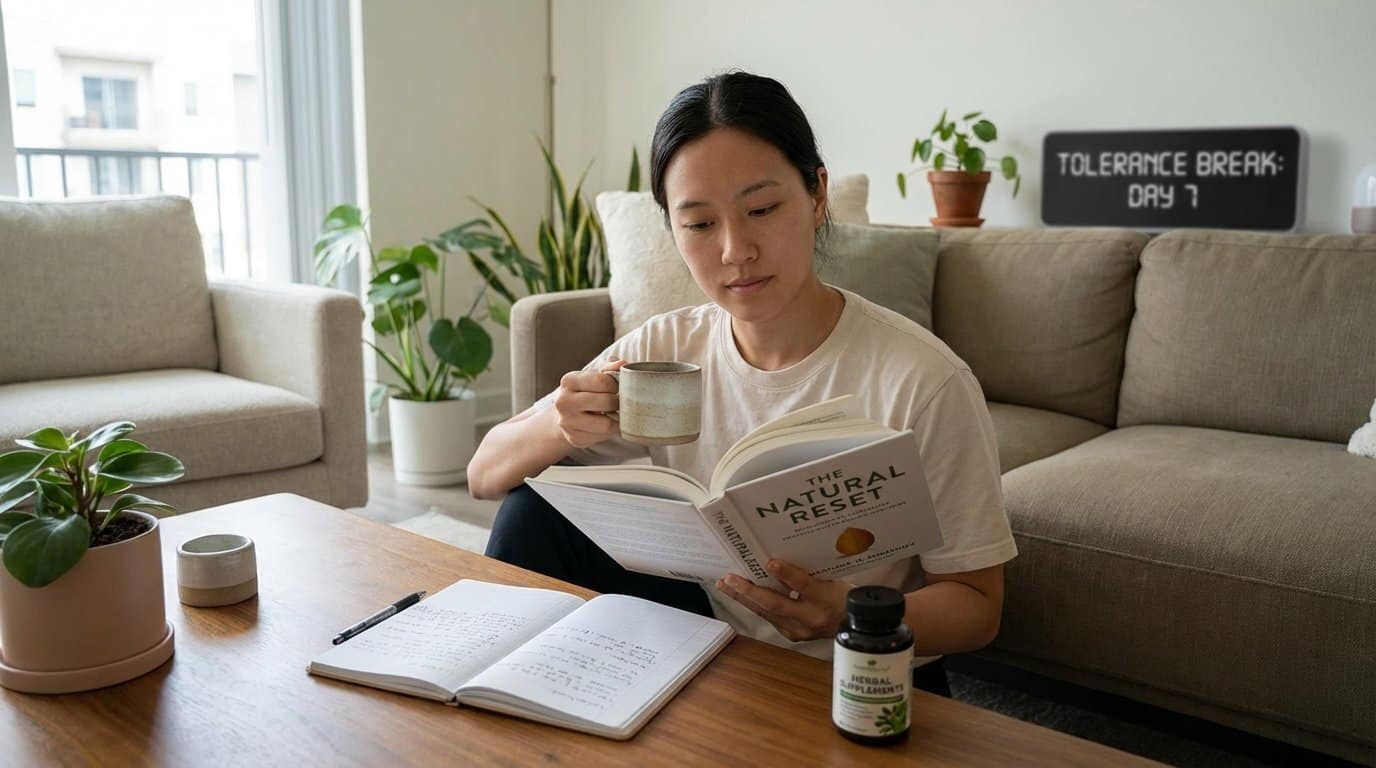
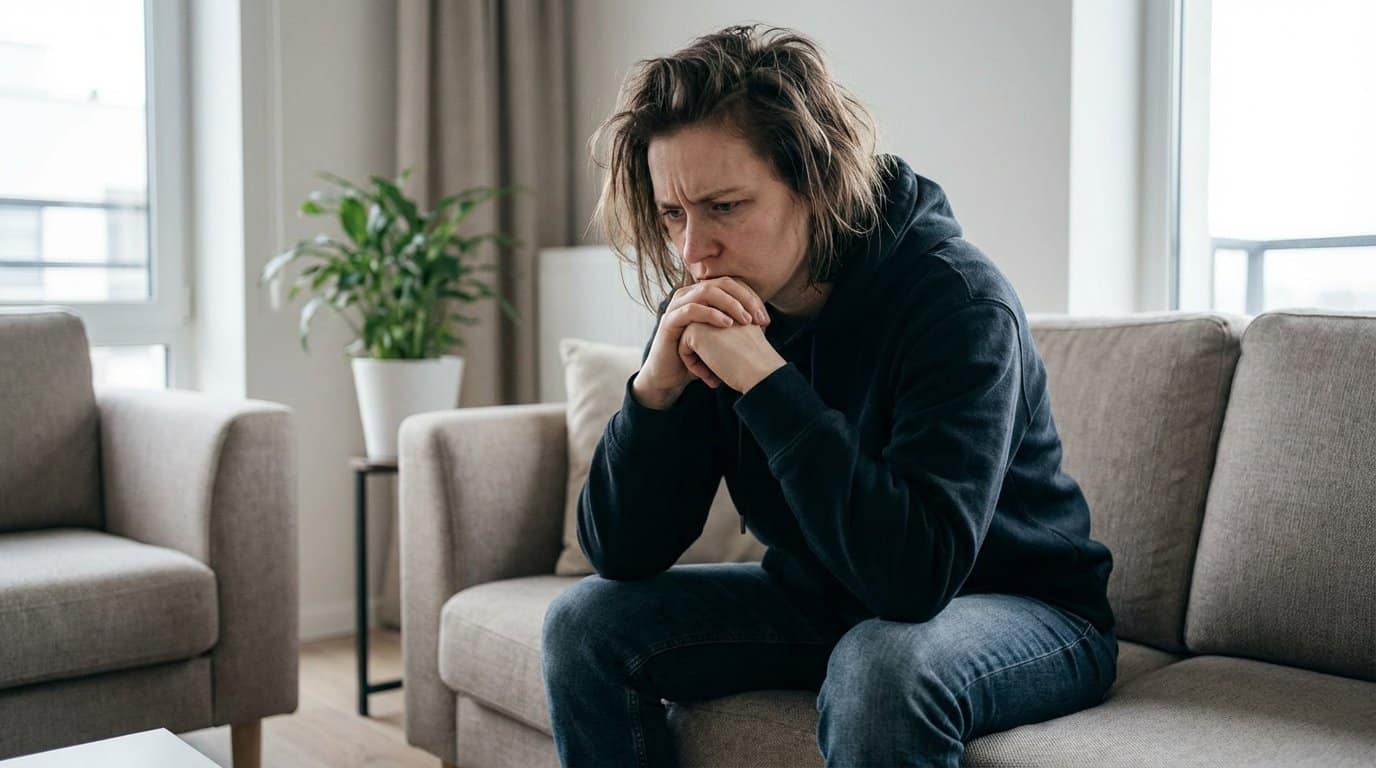
Residential treatment is often necessary for heroin addiction recovery because it addresses the chronic brain changes this disorder creates. You’ll benefit from 24/7 medical supervision during withdrawal and structured therapeutic support that outpatient settings can’t match. Research shows long-term residential programs lasting 90+ days achieve success rates above 70%, compared to just 30% for detox-only approaches. Understanding what makes these programs effective can help you choose the right path forward.
Understanding Heroin Addiction and Why Treatment Matters

Heroin addiction is a chronic brain disorder that fundamentally alters your neurological pathways, making professional treatment essential for recovery. When you use heroin, you’ll experience physical symptoms including decreased respiration, weight loss, and warm skin flushing. Cognitively, you may notice mental fogginess, concentration difficulties, and impaired problem-solving abilities.
Without intervention, you risk developing severe complications: collapsed veins, liver and kidney disease, and infectious diseases like HIV and hepatitis. Withdrawal symptoms, including muscle pain, insomnia, and intense cravings, make quitting alone dangerous.
Effective recovery requires medication-assisted treatment combined with behavioral therapy approaches. These evidence-based interventions address both the physical dependence and psychological factors driving your addiction. Professional treatment helps stabilize your brain chemistry while teaching coping strategies to prevent relapse.
Success Rates of Residential Treatment Programs for Heroin Recovery
When you enter a residential treatment program for heroin addiction, the duration of your stay considerably impacts your recovery outcomes. Programs lasting 90 days or longer demonstrate stronger long-term abstinence rates, while residential settings achieve a 65% completion rate compared to 52% in outpatient care. These higher completion rates matter because finishing treatment correlates directly with sustained recovery and reduced relapse risk. Studies of long-term rehab programs have shown that 68 to 71% of participants maintain abstinence at six to twelve months after completing treatment. Long-term residential treatment lasting more than 30 days is the most accessible option, offered in 18% of facilities nationwide.
Long-Term Program Outcomes
Long-term program outcomes reveal considerable differences in recovery success depending on treatment duration and intensity. When you commit to extended residential care, evidence based practices show greatly improved results compared to shorter interventions.
Research demonstrates these key outcome differentials:
- Long-term residential programs (90+ days) exceed 70% success rates
- Short-term residential stays (30-60 days) yield only 55% success rates
- Detox-only programs achieve merely 30% success rates
- Therapeutic communities reach 65% success rates
You’ll find that medication assisted treatment combined with behavioral therapy markedly boosts your recovery potential. Studies indicate 85-95% of treatment completers remain drug-free at nine months. However, 40-60% of individuals relapse within the first year post-rehabilitation, underscoring the importance of aftercare services and sustained support systems for maintaining long-term sobriety. Detox alone fails to address the underlying addiction, and most individuals return to use without follow-up care, which explains why comprehensive treatment approaches are essential. Understanding that relapsing is a common occurrence can help reduce feelings of guilt, as rehabilitation is not defined by relapses but rather by its incremental role in achieving long-term recovery.
Completion Rate Advantages
Residential treatment programs demonstrate a clear advantage in completion rates compared to other recovery options for heroin addiction. You’ll find that residential programs report a 65% completion rate, outperforming outpatient care‘s 52% by 13 percentage points. Long-term residential programs exceeding 90 days achieve completion success rates above 70%.
Your treatment retention motivation increases considerably within residential settings due to several clinical factors. You receive 24/7 medical and emotional support, which directly aids retention. The structured environment reduces your dropout risk, while individualized treatment plans address your specific needs. Research from a 20-year longitudinal study found that detoxification alone was associated with increased heroin use, highlighting why comprehensive residential approaches produce better outcomes.
Aftercare planning and ongoing support further boost your completion likelihood. Peer support and family involvement strengthen your commitment to finishing treatment. Research consistently shows that higher completion correlates with improved recovery maintenance, making residential programs a clinically advantageous choice for heroin addiction treatment.
How Long-Term Residential Care Outperforms Short-Term Programs
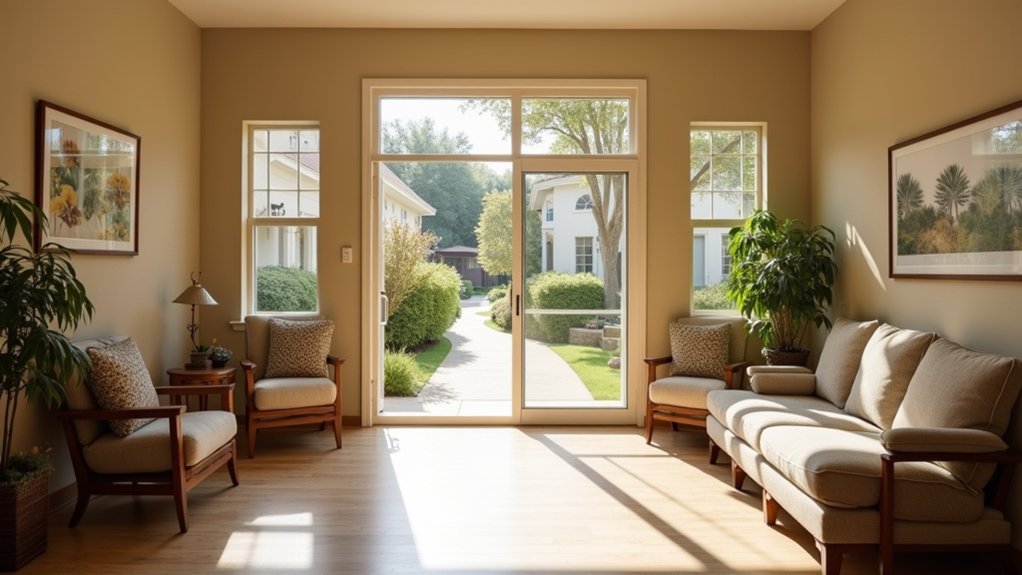
Although short-term residential programs offer initial stabilization, research demonstrates that long-term residential care delivers substantially better outcomes for heroin addiction recovery.
Long-term residential care outperforms short-term programs, delivering substantially better outcomes for lasting heroin addiction recovery.
When examining residential care effectiveness, the data clearly favors extended treatment duration. Long-term programs lasting 90+ days achieve 70% or higher success rates, while short-term options reach only 55%. This significant gap reflects the time you need to develop lasting coping mechanisms and address underlying psychological factors.
Key advantages of long-term residential care include:
- Enhanced relapse risk mitigation through extensive skill-building
- 24/7 medical and emotional support during critical recovery phases
- Integration of MAT, counseling, and peer support within structured environments
- Opportunity to rebuild habits and establish relapse prevention strategies
Extended immersion counters the 40-60% first-year heroin relapse rate more effectively than abbreviated interventions. With the heroin addiction relapse rate believed to be around 80%, long-term care provides the sustained support necessary to overcome these challenging odds. The urgency for effective treatment is underscored by the fact that approximately 9,173 people died from heroin-involved overdoses in 2021 alone.
The Benefits of a Structured Environment During Recovery
A structured recovery environment provides you with 24/7 access to medical and emotional support, ensuring immediate intervention during withdrawal symptoms or psychological distress. Research demonstrates that predictable, disciplined settings remove the chaos that often triggers relapse, while reducing your exposure to people, places, and situations associated with past drug use. This combination of continuous care and environmental control substantially enhances your chances of achieving long-term sobriety. Studies show that living in structured sober housing is associated with greater likelihood of satisfactory discharge and longer length of stays in outpatient treatment. Additionally, structured environments help you develop essential time management and organization skills through established routines and responsibilities that prepare you for independent living.
24/7 Medical and Emotional Support
Recovery from heroin addiction requires more than willpower, it demands extensive medical and emotional support within a structured therapeutic environment. Medical stabilization during detoxification addresses acute withdrawal symptoms while continuous monitoring guarantees your safety throughout early recovery phases. The disciplined daily routine of therapy sessions and group activities fosters the stability essential for individuals transitioning away from chaotic lifestyles.
Residential treatment provides thorough support through:
- Round-the-clock clinical supervision, Trained professionals monitor critical signs and administer medications to manage withdrawal and co-occurring conditions.
- Integrated dual diagnosis care, Mental health professionals treat underlying depression, anxiety, or trauma fueling your addiction.
- Individual and group therapy, Evidence-based interventions help you identify triggers and develop healthy coping mechanisms.
- Immediate crisis intervention, Medical staff respond instantly to psychiatric emergencies or physical complications.
This clinical framework creates ideal conditions for sustained recovery outcomes.
Reduced Environmental Trigger Exposure
Stability forms the foundation of lasting heroin addiction recovery, and structured treatment environments deliver this through systematic reduction of environmental triggers. These settings remove cues directly associated with heroin use, creating calm, substance-free spaces that minimize relapse risk.
Environmental safeguards work by eliminating unpredictable elements that fuel anxiety and cravings. You’ll find natural light, quiet spaces, and nature access serve as grounding elements that reduce stress-related triggers. This distraction-free setting allows you to focus entirely on healing without external interference.
Through consistent routines and daily responsibilities, you develop improved self reliance while building emotional regulation skills. The predictable environment replaces chaos with structure, enabling you to practice coping strategies in a supportive context. Being surrounded by others committed to sobriety provides additional strength and motivation during this critical phase. Holistic therapies like art and music offer additional avenues to explore emotions and discover healthy ways to manage stress. These conditions correlate directly with higher sobriety rates and successful long-term recovery outcomes.
Comparing Residential Treatment to Outpatient and Detox-Only Options

When comparing treatment modalities for heroin addiction, residential programs consistently demonstrate superior outcomes over less intensive alternatives. Your cost-benefit analysis should weigh these documented success rates:
- Residential programs achieve 70-80% success rates with all-encompassing 24/7 support
- Outpatient programs reach approximately 50% success rates due to ongoing environmental triggers
- Detox-only programs show merely 30% success rates without sustained therapeutic intervention
- Therapeutic communities demonstrate 65% success rates through peer-based accountability
Detoxification alone fails to address underlying addiction pathology or teach recovery maintenance strategies essential for long-term sobriety. Outpatient care’s flexibility introduces higher relapse risk, with completion rates of 52% compared to residential settings’ 65%. For heroin addiction specifically, evidence supports residential addiction treatment as the clinically superior option.
Why Treatment Duration Impacts Long-Term Sobriety Outcomes
Although treatment intensity matters considerably, research consistently demonstrates that duration remains the single most important predictor of long-term heroin addiction recovery outcomes. NIDA guidelines establish that you need at least 90 days in treatment to greatly reduce drug use, with shorter periods showing limited efficacy.
Treatment retention directly correlates with your recovery success. Programs lasting six months or longer benefit those with severe addiction patterns, while methadone maintenance therapy requires at least one year for ideal results. Your client motivation levels influence retention rates, which vary dramatically across facilities, ranging from 7 percent to over 50 percent at the 12-month mark.
Extended treatment allows proper dosage adjustment and clinical monitoring. You’ll experience reduced heroin obsession, increased employment stability, and greater interest in conventional life improvement when maintained appropriately over time.
The Role of Aftercare in Preventing Relapse After Residential Treatment
Shifting from residential treatment to independent living presents significant vulnerability, as heroin relapse rates reach 80% to 90% without structured aftercare interventions. With comprehensive post-treatment support, you can reduce first-year relapse rates to 40% to 60%, while long-term recovery services prevent up to 80% of lifetime relapse.
Effective aftercare incorporates these essential components:
- Medication-assisted treatment with methadone or buprenorphine to manage cravings
- Skills based counseling to address trauma and build coping mechanisms
- Support network engagement through peer groups and non-drug-using relationships
- Outpatient programs providing structured flexibility during the move to independent living
Research demonstrates that consistent aftercare participation yields 29% to 31% one-year abstinence rates. After five years of continuous sobriety with ongoing support, your relapse risk drops below 15%, underscoring aftercare’s critical role in sustained recovery.
Personalized Care and Co-Occurring Mental Health Treatment
How effectively can heroin addiction treatment work if underlying psychiatric conditions remain unaddressed? Research demonstrates that co-occurring mental health disorders drastically reduce recovery success when treatment protocols ignore these conditions. You’ll find that integrated care models addressing both substance use disorder and psychiatric symptoms simultaneously produce tangibly better outcomes.
Residential programs employing licensed medical professionals deliver personalized treatment plans tailored to your specific needs. These individualized approaches incorporate medication-assisted treatment, behavioral therapy, and trauma informed approaches that target root causes of addiction. When facilities integrate mental health services within a continuum of care, you receive coordinated interventions addressing depression, anxiety, and other conditions complicating recovery.
Dual diagnosis treatment proves essential for sustained abstinence. Without specialized psychiatric intervention, relapse rates climb substantially, making crucial mental health assessment a critical intake component.
Family Involvement and Peer Support in the Recovery Process
Beyond individualized clinical interventions, family involvement and peer support represent powerful determinants of heroin addiction recovery outcomes. Research demonstrates that family therapy approaches yield the largest evidence base for substance use outpatient care, with studies showing family involvement reduces substance use frequency by 5.7% up to 18 months post-treatment.
Integrated recovery programs leverage these relational factors through:
- Incorporation of family members to prevent relapse and extend time between episodes
- Structured family therapy to improve parent-child relationships and communication
- Peer support linkage combined with family strategies for holistic care
- Support group attendance alongside individual recovery efforts
You’ll find that supportive family relationships foster treatment adherence, while positive family connections open access to peer and community recovery capital essential for sustained sobriety.
Building a Foundation for Lasting Recovery Through Comprehensive Care
While family involvement and peer support create essential relational foundations for recovery, residential treatment programs offer the structured clinical environment necessary to address heroin addiction’s complex neurobiological and behavioral components.
Comprehensive Treatment Integration
You’ll benefit from counselor involvement that combines evidence-based therapies, behavioral interventions, and relapse prevention strategies. Research demonstrates that opioid-dependent individuals experience greater psychiatric symptom decline in residential settings, with 76-88% treatment completion rates. Programs lasting 90 days or longer achieve 70%+ success rates through systematic habit rebuilding and abstinence self-efficacy development.
Sustained Recovery Through Continued Care
Your long-term success depends on post-discharge support structures. Alumni community support, combined with ongoing medication-assisted treatment and therapy, increases sustained remission rates. Studies show 70.9% retention at 12-month follow-up, with opioid-dependent participants attending more outpatient sessions and maintaining higher percent days abstinent.
Frequently Asked Questions
How Much Does Residential Treatment for Heroin Addiction Typically Cost?
Residential treatment pricing for heroin addiction typically ranges from $5,000 to $80,000, depending on facility type, amenities, and program length. Average daily costs run approximately $500 to $650 at private facilities. A 30-day program averages around $12,500, while 60 to 90-day extensive programs average $36,000. You’ll also need to factor in admission fees, which can reach $3,000 to $4,000, plus medical detoxification costs starting at approximately $1,750.
Can I Continue Working While Attending Residential Heroin Treatment?
You typically can’t continue working while attending residential heroin treatment, as these programs require 24/7 immersion for effective withdrawal management and therapy. Working remotely isn’t feasible during core treatment due to the intensive daily structure. However, maintaining employment becomes more realistic with partial hospitalization programs or intensive outpatient options, though these yield lower success rates (50-52% versus 65-70%). For heroin specifically, the withdrawal severity usually demands full-time residential care initially.
What Should I Pack When Entering a Residential Treatment Facility?
You’ll want to pack comfortable, modest clothing that fits your daily schedule, including pants, layered tops, and pajamas. Bring essential personal hygiene items like toiletries, deodorant, and hair care products in non-aerosol form. Don’t forget prescription medications in original containers with documentation from your prescribing physician. Leave electronics, valuables, and prohibited substances at home. Contact your specific facility beforehand, as policies vary regarding approved items for medically supervised treatment.
Are Visitors Allowed During Residential Heroin Addiction Treatment Programs?
Yes, most residential heroin addiction treatment programs allow visitors, though policies vary by facility and your treatment phase. You’ll typically encounter an initial blackout period of 1-4 weeks to focus on detox and adjustment. After this, facilities establish a visiting schedule for approved family members, usually on weekends. Research shows family involvement in treatment improves outcomes by 45%, making structured visitation an important component of your recovery plan.
Will My Insurance Cover Residential Treatment for Heroin Addiction?
Most major insurance plans cover residential heroin addiction treatment, though your specific benefits depend on your policy’s insurance eligibility requirements. You’ll need to verify coverage before admission, as the treatment authorization process typically requires pre-approval and medical necessity documentation. Your insurer may cover 50-90% of costs depending on network status and plan details. Contact your provider directly or call SAMHSA’s helpline (1-800-662-4357) for assistance maneuvering coverage options.