The epidemic of opioid addiction in the US has caused a rise in individuals suffering from addiction and mental illness.
As a result, some people turn to injection drugs for relief. Many people who depend on prescription drugs like opioids are now seeking cheaper options for their addiction. A common choice is black tar heroin because it stands out as an affordable and readily available opioid replacement.
Black tar heroin and powder heroin contain the same active drug, but they’re processed very differently. You’ll recognize black tar by its sticky, dark appearance and vinegar-like smell, the result of crude manufacturing methods that leave behind impurities. While powder heroin is refined into a fine white or brown substance, black tar retains plant material, bacterial contaminants, and residual chemicals. These differences considerably impact purity levels, health risks, and how the drug affects your body.
What Is Black Tar Heroin?
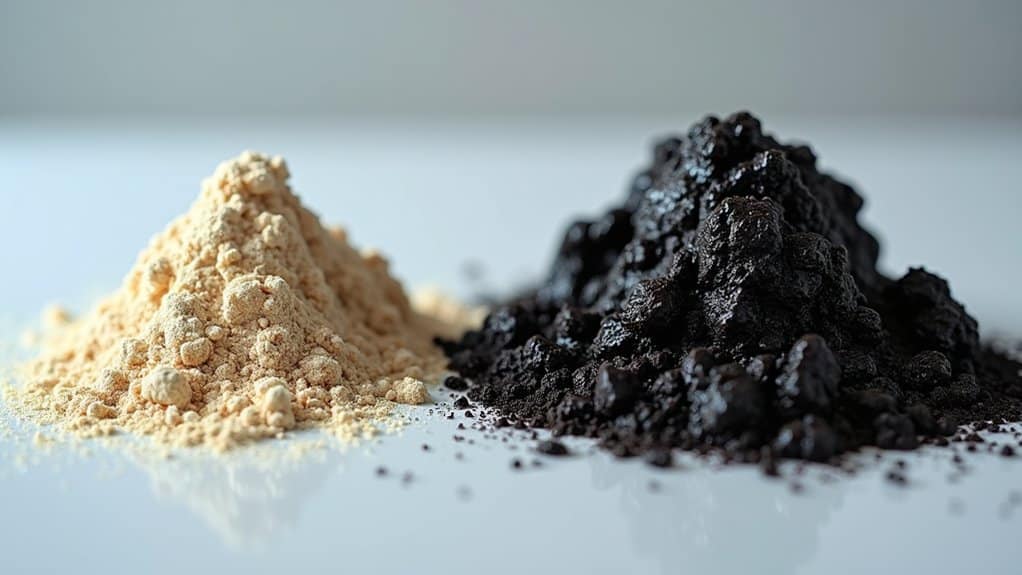
Black tar heroin is a crude, impure form of heroin most commonly manufactured in Mexico and distributed throughout the western United States, including border states like Texas.
You’ll recognize black tar characteristics by its dark color and sticky, gum-like texture. These properties result from retained moisture and impurities left behind during crude manufacturing. The drug contains a variable mixture of morphine derivatives, mainly 6-monoacetylmorphine, due to incomplete acetylation. Black tar heroin often has a vinegar-like odor due to the acetic acid used during processing. The remaining 70-75% of black tar heroin consists of impurities that can include sugar, starch, powdered milk, quinine, strychnine, and even fentanyl. Despite assumptions that tar contains fewer cutting agents, the most common adulterant is lactose, which is added through a process of dissolving, reheating, filtering, and recrystallizing.
Understanding opioid risks associated with black tar is essential. Despite its lower purity, it carries equivalent addiction potential to purer heroin forms. The combination of low cost, powerful effects, and unpredictable adulterants, including fentanyl, creates significant dangers you shouldn’t underestimate.
The National Institute on Drug Abuse (NIDA) characterizes black tar heroin as being “sticky like roofing tar or hard like coal,” noting that its distinct color is the result of an unrefined manufacturing process, which keeps various impurities in the heroin.
Despite impurities and lower cost, black tar heroin is highly addictive and poses significant health risks.
Black tar heroin is just as potent as white and brown heroin despite being cheaper and easier to find. This confusion has led to more heroin overdose deaths because some users think they need to take more for the same result.
The reduced price of black tar heroin is due to its limited refinement and processing in comparison to other forms of heroin. This permits the incorporation of diverse substances into black tar heroin without changing its appearance and physical characteristics.
Black Tar vs. Powder Heroin: How They Look
Now that you understand what black tar heroin is, recognizing how it differs visually from powder heroin becomes important for identification purposes.
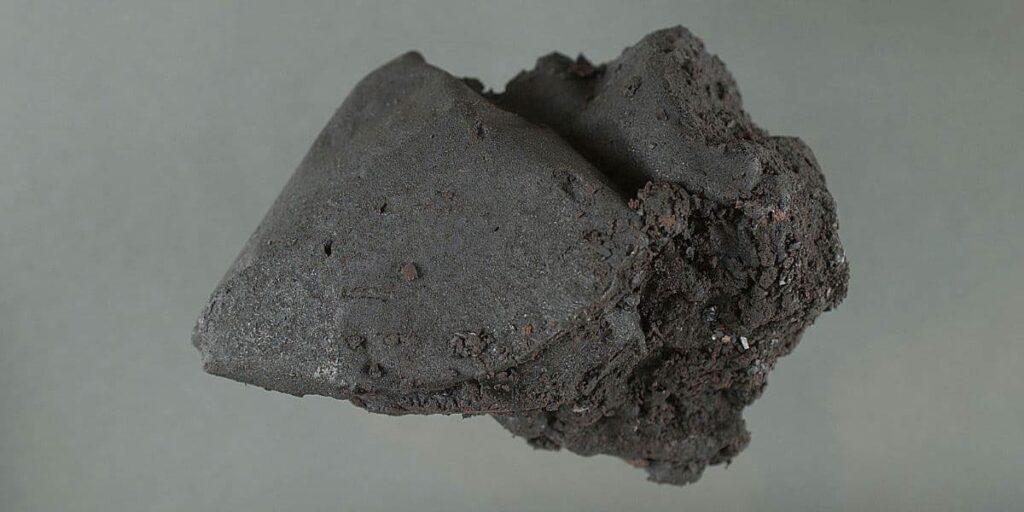
Black tar heroin presents as a sticky, dark substance resembling roofing tar or appears as a hard, coal-like solid. Its appearance ranges from dark orange to nearly black, resulting from crude processing methods. The composition reflects incomplete acetylation during production.
Black tar heroin’s distinctive sticky, tar-like appearance and dark coloring result directly from crude, incomplete processing methods.
Powder heroin displays distinctly different characteristics. White powder heroin appears as a fine, consistently pale substance, while brown powder heroin shows coarser texture with varying brownish shades. Both powder forms contrast sharply with black tar’s solid state.
You’ll find black tar heroin exclusively in solid form, making it visually distinguishable from all powder varieties. These appearance differences reflect underlying variations in purity and manufacturing processes.
Where Does Black Tar Heroin Come From?

Most black tar heroin originates from Mexico, particularly from states like Sinaloa, Durango, and Sonora. When examining heroin vs black tar, you’ll find distinct differences in production scale. Small-scale producers, often campesinos earning approximately $6 daily, manufacture this substance using crude acetylation methods that retain impurities.
| Factor | Black Tar Heroin | Powder Heroin |
|---|---|---|
| Primary Source | Mexico | South America, Afghanistan |
| Production Scale | Small-scale, individual | Large cartel operations |
| Processing | Crude, rapid | Refined, extensive |
The geographic distribution of black tar concentrates west of the Mississippi River, though it’s expanded to the Midwest and East Coast. You’ll encounter this form chiefly in regions like Texas, where Mexican sources dominate the illicit market.
Why Black Tar Heroin Is Darker and Stickier
Understanding where black tar heroin originates helps explain its distinctive appearance. Crude processing methods leave behind significant impurities that darken the substance to brown or black. When manufacturers skip purification steps, acetic acid remnants and incomplete morphine extraction create the characteristic sticky, gummy texture you see.
Three key factors contribute to black tar heroin’s properties:
- Impurities from uncontrolled acetylation accumulate without filtration
- Adulterants and cutting agents increase stickiness and volume
- Bacterial contaminants like Clostridium survive the crude processing
These manufacturing shortcuts directly affect your health outcomes. The impurities increase overdose risk because purity varies unpredictably between batches. Additionally, heating the substance for injection doesn’t eliminate all contaminants, raising your chances of bloodborne infections and serious complications like wound botulism.
Black Tar Heroin Street Names
There are many colloquial expressions used to denote heroin, especially black tar heroin, each having its own unique label. These particular street names include:
- Black dragon
- Black pearl
- Black tar
- Shebang
- Black
- Monkey water
- Mexican mud
What Does Black Tar Heroin Look Like?
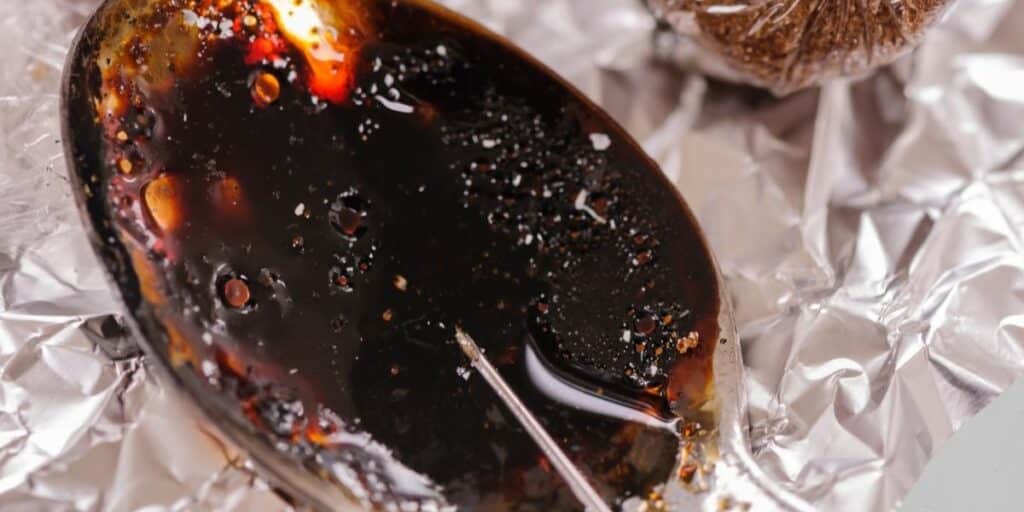
As implied by its name, black tar heroin is a substance that resembles tar or glue in its black, sticky consistency, typically exhibiting a deep black or rich dark brown color.
Black tar heroin looks different and feels different because of how it’s made. It can’t be turned into powder because of how it’s processed and the substances added.
At times, it might look like small, dark, coarse, and spongy pieces of coal. But it’s usually found in tiny plastic or foil packets or even in deflated balloons.
Just like any illegal substance, there are differences between batches, but a common agreement among black tar heroin users is its persistently strong smell, similar to vinegar.
Types of Heroin
Worldwide, there are three kinds of heroin, all of which are derived from the morphine obtained from poppy plants. These forms include white or brown powder and a black sticky consistency.
White Heroin
Globally, white heroin is the most common type of heroin, usually originating from Southeast Asia.
It is distinguished by its fine, light powder form that readily dissolves in water, offering flexibility in ways of use. Those who use white heroin can choose to inject, inhale, or smoke the drug.
Brown Heroin
Brown heroin is primarily sourced from Southwest Asia, but it can be found worldwide.
This variant of powdered heroin is a rough, granular brown powder with hues varying from nearly white to a moderate brown, and it has a low solubility in water.
Despite its low solubility, individuals who use brown heroin can administer it through injection, inhalation, or snorting.
Black Tar Heroin
Black tar heroin is predominantly produced in Mexico and Colombia, making it the most common type of heroin found in the United States, especially in areas west of the Mississippi River.
This heroin variant can be found in two forms: a hard, breakable block or a sticky, gummy substance with colors ranging from dark brown to black. Its distinctive feature is that it often requires heat to dissolve fully and may dissolve less consistently than powder forms.
The primary method of consumption for black tar heroin users is injection. The high acidity level of this heroin when smoked can cause damage to the soft tissues in the nose and mouth, while its sticky texture makes snorting nearly impossible.
How Pure Is Black Tar Compared to Powder?
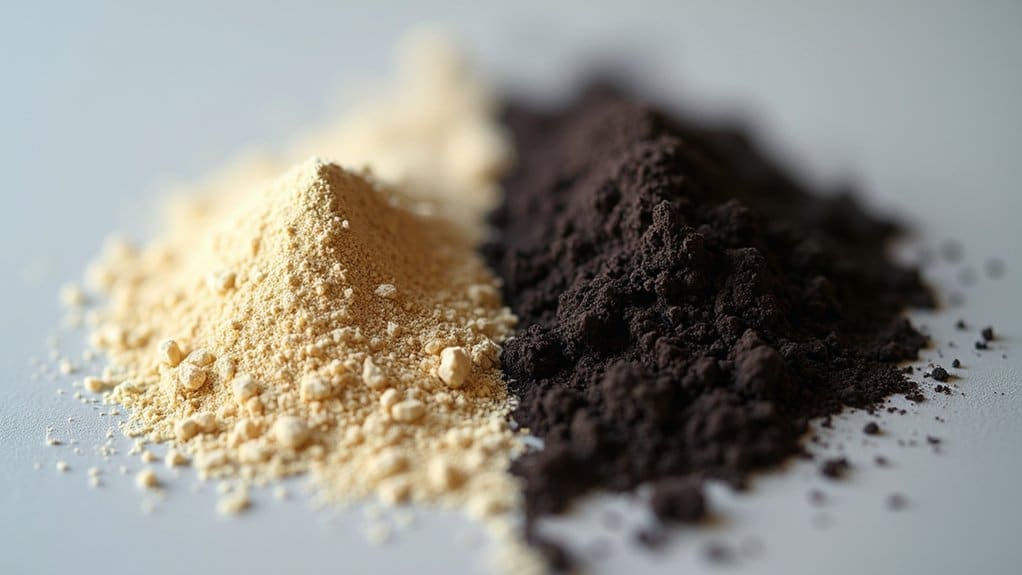
When you compare black tar and powder heroin, you’ll find significant purity differences that directly affect your overdose risk. Black tar heroin averaged 35% purity in 2024 DEA analysis, while powder heroin averaged 27%, though both forms contain dangerous contaminants and impurities from unregulated manufacturing. Understanding the cutting agents mixed into each type, from sugar and starch to deadly fentanyl, helps you recognize why no dose is ever predictable or safe.
Average Purity Levels
Black tar heroin averages approximately 35% purity across regional laboratory analyses, though individual samples range dramatically from 2% to 73%. Mexican black tar specifically averages 41% purity based on 2024 DEA data. In contrast, powder heroin demonstrates higher variability, standard powder averages 27% purity, while South American-processed white powder reaches 79%.
Key purity comparisons you should understand:
- Black tar’s crude manufacturing creates a practical purity ceiling of 30-40%
- Powder heroin’s 2024 high-purity samples increased to 50%, compared to 35% in 2023
- South American heroin consistently achieves 74-89% purity levels
These purity differences directly affect CNS depression risk and addiction potential. You cannot visually determine actual heroin content in either form, making every use unpredictable regardless of the variant you encounter.
Contaminants and Impurities
Crude Mexican processing methods leave behind plant material, acetic acid residues, and bacterial contaminants. You’ll notice the dark color and vinegar smell, these indicate retained impurities from shortened purification steps. The DEA has documented how these contaminants vary considerably between batches.
When you inject these opioids, undissolved particles can cause collapsed veins, abscesses, and heart valve infections. Toxic chemicals damage your liver and kidneys over time. Unlike powder heroin, black tar’s sticky consistency traps bacteria and fungi that survive the heating process.
The inconsistent impurity levels create unpredictable overdose risks. You can’t assess potency or contaminant load visually, making each use potentially dangerous regardless of your tolerance level.
Common Cutting Agents
The purity of black tar heroin typically plateaus at 25-30%, though recent DEA data shows considerable variation, 2024 samples ranged from 2% to 72%, averaging 35-41%. This inconsistency stems directly from cutting agents added during production.
Common adulterants you’ll encounter include:
- Lactose, the most frequent cutting agent in black tar, dissolved and recrystallized into the product
- Sugar, starch, and powdered milk, standard diluents in powder heroin that increase volume
- Quinine, added to mimic heroin’s bitter taste and mask reduced potency
Black tar’s crude acetylation process leaves more impurities than powder forms, contributing to its characteristic vinegar smell. In contrast, South American powder heroin reaches 74-89% purity. You can’t reliably gauge potency by appearance, making every dose unpredictable.
How People Use Black Tar vs. Powder Heroin
Because black tar and powder heroin differ substantially in physical properties, users have developed distinct methods for administering each form.
Snorting and Smoking
You’ll find powder heroin typically snorted dry or as a misted solution, while black tar requires dissolving in water and using a medical spray bottle for insufflation. Black tar’s irritating properties make sustained snorting uncommon. For smoking, users heat black tar on foil and inhale vapor through a straw, a technique called “chasing the dragon.”
Injection Differences
Powder heroin dissolves easily for injection. Black tar requires heating to liquefy before mixing with water. With 70-75% contaminants, black tar frequently clogs needles. However, the heating process may reduce HIV transmission risk among black tar users compared to powder heroin injectors.
Why Black Tar Heroin Destroys Veins Faster
Beyond the methods of administration, black tar heroin‘s physical and chemical properties create uniquely destructive conditions for venous tissue. When you inject black tar, you’re introducing a highly acidic, impurity-laden substance that burns through vein walls faster than powder alternatives.
Three key factors accelerate vein destruction:
- High acidity levels cause chemical burns to venous and subcutaneous tissue, directly contributing to sclerosis
- Sticky consistency creates blood clots and leaves damaging residue that irritates vessel walls
- Unpredictable contaminants trigger abscesses, infections, and rapid tissue breakdown at injection sites
Research shows 80% of black tar users report collapsed veins. You’ll likely exhaust peripheral veins quickly, forcing migration to larger, riskier vessels like the femoral vein. Colombian and other powder forms correlate with significantly fewer venous complications.
Wound Botulism and Tissue Death From Black Tar
When you inject black tar heroin, Clostridium botulinum spores contaminating the drug can germinate in your tissue, causing wound botulism, a life-threatening condition marked by progressive paralysis that’s often mistaken for overdose. The impurities and adulterants in black tar also create ideal conditions for necrotizing fasciitis, where bacteria rapidly destroy skin, fat, and muscle tissue surrounding injection sites. Subcutaneous injection, or “skin popping,” considerably increases your risk because it deposits contaminants directly into tissue where oxygen-poor environments allow dangerous bacteria to thrive.
Causes of Wound Botulism
Cooking BTH doesn’t destroy these spores. When you inject subcutaneously, a practice called skin popping, you create anaerobic conditions in necrotic tissue where spores germinate and produce deadly neurotoxin.
Key contamination factors include:
- Soil exposure during Mexican production and transport routes
- Adulterants added to increase bulk that introduce bacteria
- Unsanitary storage locations, including car tires
Contamination isn’t linked to needle sharing or skin cleaning practices. Specific BTH batches have caused outbreaks, including nine cases in San Diego between 2017, 2018, where six patients had skin popped contaminated heroin.
Necrotizing Fasciitis Risk Factors
Myonecrosis, commonly called necrotizing fasciitis or flesh-eating bacteria infection, represents one of the most severe complications you can develop from black tar heroin use. This condition rapidly destroys muscle tissue and can progress to systemic shock if you don’t receive immediate treatment.
Your risk increases considerably if you practice skin popping rather than intravenous injection. Black tar heroin becomes contaminated with bacterial spores during production or transport, and cooking the drug before use won’t kill these spores. When you inject subcutaneously, you create open wounds that provide the anaerobic environment bacteria need to thrive.
The consequences are devastating. In San Diego County during October-November 2019, nine people were hospitalized with myonecrosis, seven died. Survivors often face emergency limb amputations. If you notice injection site infections spreading rapidly, seek emergency care immediately.
Impurities Causing Tissue Damage
You should recognize these warning signs of wound botulism:
- Descending paralysis starting with facial muscles
- Difficulty swallowing, speaking, or breathing
- Drooping eyelids and blurred vision
The 2017, 2018 San Diego outbreak demonstrated how easily symptoms are misattributed to intoxication, delaying critical antitoxin treatment. One patient died from this delay. If you’re experiencing muscle weakness after injecting, you need immediate medical evaluation, wound botulism progresses rapidly and requires urgent intervention.
Fentanyl Lacing in Black Tar and Powder Heroin
Because fentanyl mixes readily with powder heroin’s fine consistency, eastern U.S. drug supplies face markedly higher contamination rates than western markets dominated by black tar heroin. Black tar’s sticky texture physically resists homogeneous blending with fentanyl powder, creating an initial protective barrier.
| Factor | Powder Heroin | Black Tar Heroin |
|---|---|---|
| Fentanyl mixing ease | High | Low |
| Geographic prevalence | Eastern U.S. | Western U.S. |
| 2020 fentanyl-free rate | Variable | 95% |
You should understand that this protection is eroding. Toxicology reports increasingly detect fentanyl in western states’ heroin supplies. Dealers add fentanyl to cut costs, effectively halving expenses per milligram. If you’re using any form of heroin, you can’t assume safety. Fentanyl-laced supplies have triggered overdose spikes across multiple regions, requiring multiple naloxone doses for reversal.
Where Black Tar Heroin Is Most Common in the U.S
If you’re in the western United States, you’re far more likely to encounter black tar heroin than powder forms, as Mexican-sourced black tar has dominated markets west of the Mississippi River since the late 1980s. Supply routes originate from Mexican trafficking organizations that transport the drug through Southwest border cities like Phoenix and Tucson before distributing it to major hubs including Los Angeles, Denver, Seattle, and Dallas. Since the mid-2000s, you’ve seen significant eastward expansion into states like Ohio, where black tar has largely replaced Colombian white heroin as the primary form available.
West of the Mississippi River
The geographic distribution of heroin types across the United States follows a distinct pattern, with black tar heroin dominating markets west of the Mississippi River since the late 1980s. If you’re seeking treatment or harm reduction services in western states, you’ll encounter this form most frequently.
Mexican production supplies this regional market, resulting in crude refinement that averages 41% purity. You should understand the key regional characteristics:
- Western markets have maintained black tar dominance for over three decades
- Midwest regions now contain both powder and black tar varieties
- Central Ohio shifted from Colombian white heroin to black tar dominance by 2007
This geographic expansion means you may encounter black tar heroin in areas historically supplied by powder forms, requiring adjusted harm reduction strategies.
Mexican Supply Routes
Mexican black tar heroin chiefly originates from opium poppies cultivated along the Sierra Madre mountain range in western Mexico, spanning states from Sinaloa and Chihuahua in the north to Guerrero and Oaxaca in the south. Michoacán and Nayarit also serve as considerable production sources.
Smugglers transport this drug overland across the U.S.-Mexico border through established points of entry. The San Ysidro crossing from Tijuana into Southern California remains the primary gateway, with Calexico, Otay Mesa, and Tecate serving as additional entry points.
Once across the border, Los Angeles functions as the major distribution hub. From there, traffickers move black tar heroin throughout the Pacific Northwest, Southwest, and Midwest. This supply chain has expanded extensively, with border seizures increasing 352% between 2008 and 2015.
Eastward Distribution Expansion
Before 2003, black tar heroin‘s reach remained largely confined to cities west of the Mississippi River, where Los Angeles functioned as the primary distribution hub supplying Denver, Honolulu, Las Vegas, Portland, Salt Lake City, San Francisco, Seattle, and St. Louis. After 2003, Mexican black tar heroin crossed the Mississippi, transforming Midwest and Southeast markets.
Columbus, Ohio, exemplifies this eastward shift. By 2007, black tar dominated central Ohio after two decades of Colombian white heroin prevalence.
Key indicators of Columbus’s transformation:
- Heroin cases at the Columbus police crime lab doubled from 53 to 107 between 2006 and 2008
- At least 20 black tar trafficking cells operated in central Ohio
- 80% of narcotic cases originated along the Southwest border
You should understand this geographic expansion continues affecting treatment needs regionally.
Heroin Purity
The quality of black tar heroin is contingent on the purification methods used, which include the types and amounts of substances added, referred to as adulterants and diluents or cuts.
Adulterants are active substances that affect the body, such as numbing powders, methamphetamines, fentanyl, or xylazine. Despite being more cost-effective and readily available, these substances can augment or imitate the effects of heroin.
In contrast, diluents are non-active materials such as sugar, starch, baby powder, or milk powder.
To amplify the volume of their product and boost profitability, dealers and chemists incorporate diluents. This allows them to distribute a larger quantity at higher prices, thereby diluting the purity of the heroin sold on the streets.
Heroin Addiction Treatment at Northridge Addiction Treatment Center
If you or someone you love is struggling with heroin addiction, compassionate treatment is accessible.
The skilled and compassionate team at Northridge Addiction Treatment Center (NATC) recognizes that every individual has unique needs, necessitating a customized and flexible treatment approach to support long-lasting healing.
Our serene residential treatment center provides on-site medical detox and medication-assisted treatment (MAT) to mitigate withdrawal symptoms with superior care and confidentiality.
Following the initial withdrawal period, we work together with you to delve deep into the root of your addiction using effective therapy methods to address and heal the underlying issues and the harm caused to you and those close to you.
NATC is committed to your rehab and sobriety journey, equipping you with the necessary skills to prevent relapse and sustain your recovery.
Contact us today to learn more about NATC’s evidence-based treatment programs. Our treatment specialists are eager to explore your rehab options with you.
Frequently Asked Questions
Does Black Tar Heroin Have a Distinct Smell Compared to Powder Heroin?
Yes, black tar heroin has a distinctly stronger odor than powder heroin. You’ll notice black tar emits a pungent vinegar-like smell due to acetic acid residues from its crude manufacturing process. When smoked, it produces burnt plastic or metallic scents. In contrast, purer powder heroin undergoes washing that removes these chemical residues, leaving it nearly odorless. The intensity of smell directly correlates with impurity levels in the substance.
How Long Does Black Tar Heroin Stay Detectable in Drug Tests?
Black tar heroin’s detection windows match standard heroin testing timelines. You’ll test positive in urine for 1-4 days with occasional use, or up to one week with chronic use. Blood tests detect it for approximately 6 hours, while saliva shows positivity for 5-6 hours. Hair follicle testing reveals use up to 90 days back. Your metabolism, dosage, and frequency considerably influence these timeframes.
Is Black Tar Heroin More Addictive Than Powder Heroin?
No, black tar heroin isn’t inherently more addictive than powder heroin. Both forms produce identical effects on your brain’s opioid receptors, carrying equal addiction risk at equivalent doses. However, you may face increased vulnerability with black tar heroin because its lower perceived potency often leads users to consume larger quantities. This escalating dosing pattern can accelerate addiction development, though the drug’s physical form doesn’t alter its fundamental addictive properties.
Why Is Black Tar Heroin Cheaper Than Powder Heroin on the Street?
Black tar heroin costs less because it’s produced using crude, fast manufacturing methods that skip expensive purification steps. You’ll find it contains only 25, 30% purity, reducing raw material needs. Its solid form allows cheaper land-based transportation from Mexico, and established regional supply chains eliminate middleman costs. These production and distribution efficiencies let dealers offer lower street prices while maintaining profit margins, making it more accessible in western U.S. markets.