
Cocaine is a stimulant that significantly impacts both the body and mind. Its effects on the eyes are particularly noticeable, often referred to as “cocaine eyes.” This term describes a range of symptoms, including dilated pupils, bloodshot eyes, and increased sensitivity to light.
These symptoms not only indicate recent cocaine use but can also highlight the potential for long-term damage to eye health. Recognizing these signs and symptoms is crucial for understanding the physical consequences of cocaine use and the importance of seeking appropriate cocaine addiction treatment.
Cocaine eyes describe the distinct ocular changes you’ll notice within seconds to minutes of cocaine use. When you use cocaine, it blocks norepinephrine reuptake and activates alpha1 receptors in your iris, causing your pupils to dilate extensively. You’ll also experience bloodshot eyes from heightened blood pressure, increased light sensitivity, and possible rapid eye movements. These symptoms signal cocaine’s powerful effect on your sympathetic nervous system, and they’re just the beginning of what this drug does to your vision.
Cocaine Eyes
“Cocaine eyes” or “cocaine eye syndrome” refers to the distinct visual changes in the eyes caused by cocaine use. One of the most notable symptoms is the dilation of pupils, commonly known as cocaine pupils.
Cocaine makes pupils bigger by relaxing the muscles in your eyes and stimulating the sympathetic nervous system. The dilated pupils may remain excessively large even in bright light, causing discomfort and sensitivity to light.
Another prominent feature of cocaine eyes is bloodshot eyes. Cocaine causes vasoconstriction, which increases blood pressure and can make the small blood vessels in the eyes more visible. This leads to a red, irritated appearance.
Additionally, cocaine can dry out the eyes by reducing tear production, contributing to redness and discomfort. The lack of moisture also makes it easier for foreign particles to enter and irritate the eyes, further aggravating these symptoms.
The combination of dilated pupils and bloodshot eyes creates a distinct, glossy appearance. This glossiness is partly caused by decreased eye movements and a blinking reflex caused by cocaine use, which can make the eyes appear more open and fixed. The reduced blinking rate can lead to dryness and increase the likelihood of foreign particles entering the eyes, exacerbating irritation and discomfort.

What Are Cocaine Eyes?
When someone uses cocaine, their eyes often undergo distinct physical changes that can serve as visible indicators of substance use. The term “cocaine eyes” describes the observable ocular effects resulting from this stimulant’s impact on your central nervous system.
Pupil dilation, medically known as mydriasis, represents the most recognizable stimulant eye change. Your pupils enlarge substantially, making the iris appear noticeably smaller. This effect occurs because cocaine triggers your sympathetic nervous system, causing the muscles controlling pupil size to contract. This dilation can last for hours after cocaine use. The rapid pupil enlargement happens because the brain releases adrenaline and endorphins in response to the stimulant. Additionally, the dilated pupils often become unresponsive to changes in light, making them appear fixed and staring.
Beyond pupil dilation, you may experience bloodshot or red eyes, increased tearing or dryness, and rapid involuntary eye movements called nystagmus. These stimulant eye changes develop quickly after use and typically persist until the drug’s effects diminish from your system.
Why Cocaine Dilates Pupils and Reddens Eyes
Because cocaine acts as an indirect sympathomimetic agent, it triggers a cascade of neurochemical effects that directly impact your eyes. The drug blocks norepinephrine reuptake at sympathetic nerve terminals in your iris dilator muscle, causing catecholamine accumulation at postsynaptic receptors. This activates alpha1 receptors, forcing your pupils to dilate in a dose-dependent manner.
Simultaneously, cocaine stimulates your sympathetic nervous system, initiating a fight-or-flight response. Your pupils widen to allow increased light intake, often remaining dilated for several hours.
The redness you experience stems from multiple factors. Cocaine elevates blood pressure, expanding blood vessels throughout your eyes and reddening the sclera. If you smoke or inhale cocaine, vapors directly irritate ocular tissues, intensifying the bloodshot appearance.
How to Spot Cocaine Eyes in Someone You Know
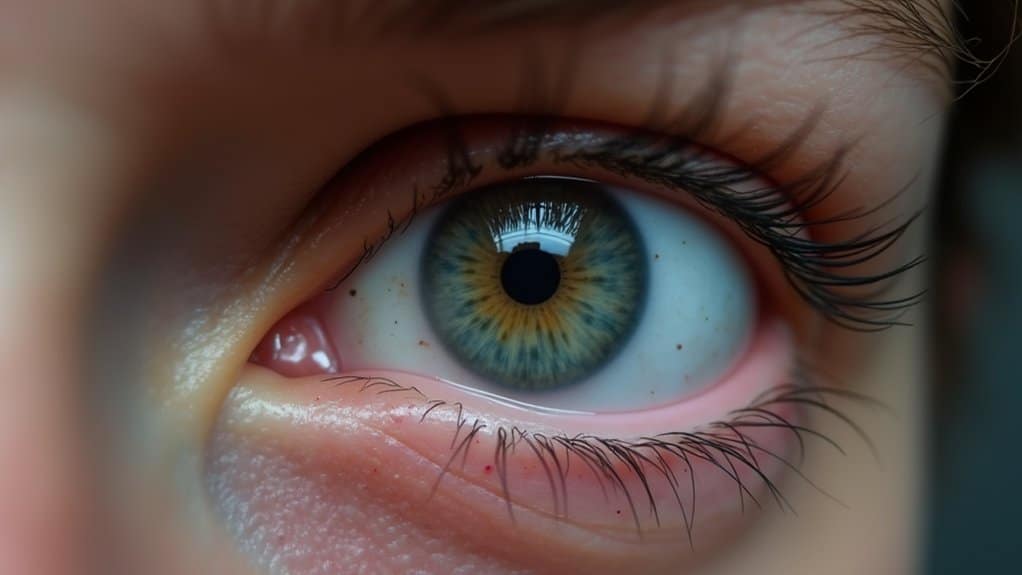
If you’re concerned that someone close to you might be using cocaine, their eyes often reveal telltale signs that warrant attention. Look for noticeably dilated pupils that don’t constrict normally in bright light, often accompanied by bloodshot eyes or red eyes from vasoconstriction effects.
The eye effects of cocaine extend beyond pupil changes. You may notice frequent squinting, excessive eye rubbing, or wearing sunglasses indoors to mask light sensitivity. Rapid, darting eye movements and a wide-eyed appearance from eyelid retraction are common behavioral indicators.
Consider accompanying signs like restlessness, amplified energy levels, or irritability. Nosebleeds or sinus problems alongside eye symptoms may indicate snorting. Remember that these observations aren’t definitive alone, they should prompt compassionate conversation and professional evaluation rather than accusation.
Cocaine Eye Symptoms That Appear Within Minutes
Cocaine’s effects on the eyes manifest rapidly, often appearing within seconds to minutes after use depending on the method of administration. You’ll notice dilated pupils first, as norepinephrine release causes immediate pupil enlargement. When inhaled, dilation occurs within seconds; snorting produces effects within three minutes.
Light sensitivity develops alongside dilated pupils, as enlarged pupils allow excessive light entry. You may observe squinting or sunglasses worn indoors.
| Symptom | Onset Time | Duration |
|---|---|---|
| Dilated Pupils | Seconds to 3 minutes | 5-30 minutes |
| Light Sensitivity | Within minutes | 1-2 days |
| Eye Redness | Within minutes | Hours |
Additional rapid-onset symptoms include bloodshot eyes from vasoconstriction, irritation from powder contact, and eyelid tremors from nervous system overstimulation.
What Does Cocaine Do to Your Eyes?
Cocaine affects the eyes mainly because of its powerful stimulant properties. As a stimulant, cocaine increases the activity of the central nervous system, leading to several physiological changes:
- Dilated Pupils: The stimulation of the sympathetic nervous system by cocaine causes the pupils to dilate, a condition known as mydriasis. This dilation makes the eyes more sensitive to light, which can be uncomfortable and lead to difficulty adjusting to different lighting conditions. People with dilated pupils because of snorting cocaine may find bright lights particularly painful and may wear sunglasses to alleviate this discomfort.
- Bloodshot Eyes: The narrowing of blood vessels and constricting of blood flow during cocaine use increases blood pressure, making the blood vessels in the eyes more prominent. This can lead to the eyes appearing bloodshot or red. The reduced tear production further contributes to this condition, as the eyes become dry and irritated, making the blood vessels more visible.
- Foreign Particles and Dry Eyes: Cocaine’s impact on the blinking reflex can lead to a reduced frequency of blinking, which normally helps keep the eyes moist and debris-free. The reduction in blinking can cause dryness, making the eyes more susceptible to irritation from foreign particles. This can lead to a sensation of grittiness or discomfort in the eyes, prompting users to rub their eyes, which can exacerbate irritation and potentially introduce bacteria, leading to infections.
- Cocaine Conjunctivitis: Direct exposure to cocaine or indirect contact through contaminated hands can cause conjunctivitis, an inflammation of the conjunctiva. This condition, often referred to as cocaine conjunctivitis, is characterized by redness, irritation, and discharge. It can be particularly severe and require medical attention to prevent complications.
Cocaine Impact on the Eyes
The long-term use of cocaine can lead to severe and sometimes irreversible damage to the eyes. The following are some of the potential long-term impacts:
- Retracting of the Upper Eyelid: Chronic cocaine use can lead to the retraction of the upper eyelid, causing a condition where the eyelid appears higher than normal. This condition exposes more of the eye, increasing the risk of dryness, light sensitivity, and injury. The aesthetic changes can also be distressing to people, adding to the psychological burden of addiction.
- Optic Nerve Damage: The optic nerve, which is crucial for transmitting visual information from the eye to the brain, can be damaged by prolonged cocaine use. Cocaine’s ability to narrow blood vessels can reduce blood flow to the optic nerve, potentially leading to optic neuropathy. This condition can cause symptoms such as blurred vision, decreased visual clarity, and, in severe cases, permanent vision loss. The risk of optic nerve damage increases with the duration and frequency of cocaine use.
- Corneal Ulcers: The combination of reduced tear production and increased exposure to foreign particles can lead to corneal ulcers in chronic cocaine users. These are painful sores on the cornea that can significantly impair vision. Corneal ulcers can lead to permanent scarring and vision loss if left untreated. Prompt medical treatment is essential to manage this condition and prevent further complications.
- Increased Risk of Infections: Cocaine use can weaken the immune system, making the eyes more susceptible to infections and eye conditions. Conditions like cocaine conjunctivitis and other bacterial or viral infections can become more frequent and severe, particularly if people frequently touch their eyes with unclean hands. Infections can lead to additional complications, including chronic inflammation and vision problems.
- Visual Hallucinations and Blurred Vision: Some people who use cocaine may experience visual hallucinations or blurred vision. These symptoms can occur because of the drug’s side effects on the brain’s visual processing areas or due to damage to the optic nerve and other ocular structures. Visual disturbances can be distressing and may persist even after the drug’s acute effects have worn off.
How Long-Term Cocaine Use Damages Your Eyes
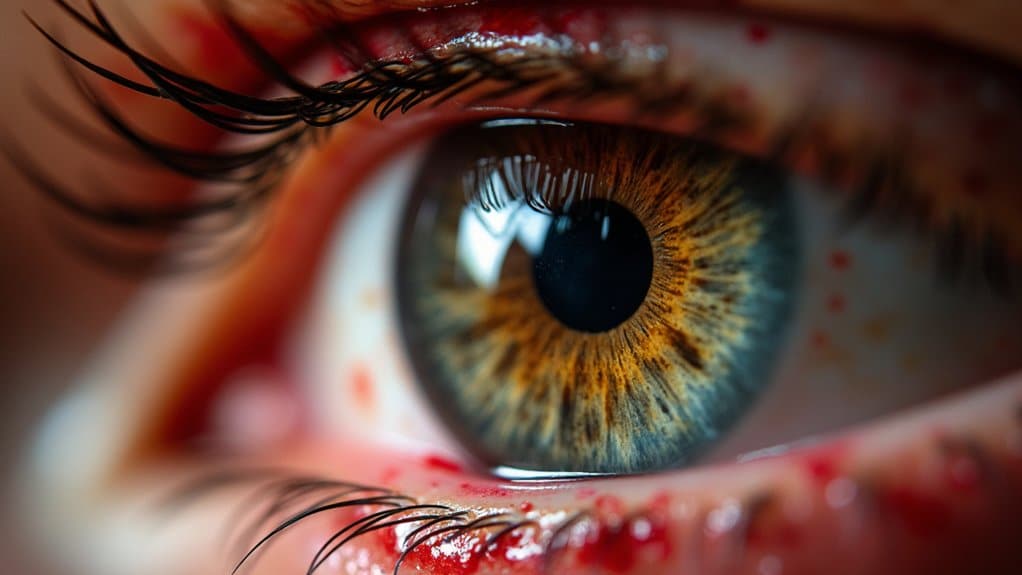
How does prolonged cocaine use transform temporary eye symptoms into permanent damage?
When you use cocaine repeatedly, your pupils remain dilated for extended periods, straining the muscles responsible for focusing. This chronic muscle damage weakens your eye’s ability to adjust between distances, causing persistent blurry vision and fatigue.
Repeated cocaine use forces pupils to stay dilated, exhausting eye muscles and causing lasting damage to your focusing ability.
Long-term use creates cascading complications throughout your visual system. Your corneas develop keratitis and ulcers from repeated irritation. Retinal blood vessels sustain damage from heightened blood pressure, leading to maculopathy and vein occlusions that impair central vision.
Raised intraocular pressure puts you at risk for glaucoma, while chronic inflammation threatens corneal perforation. If you snort cocaine, structural damage can extend to orbital bones, potentially causing optic neuropathy. These cumulative effects demonstrate how temporary symptoms evolve into irreversible vision loss.
Can Cocaine Eyes Cause Permanent Blindness?
Chronic cocaine use can lead to permanent blindness through several serious mechanisms that damage critical eye structures. Retinal vascular occlusive disease occurs when cocaine-induced blood clots block the arteries or veins supplying your retina, causing irreversible vision loss. Additionally, you’re at heightened risk for glaucoma-related optic nerve damage and corneal ulcers that can perforate and scar, both of which threaten your long-term sight.
Retinal Vascular Occlusive Disease
Although retinal vascular occlusive disease typically affects older adults with conditions like hypertension, diabetes, or atherosclerosis, cocaine abuse has emerged as a significant cause in otherwise healthy young patients. When you use stimulant drugs like cocaine, the CNS effects trigger powerful vasospasm through norepinephrine uptake inhibition and endothelin release.
Beyond typical cocaine eyes and bloodshot symptoms, this vasoconstriction can block blood flow to your retinal arteries or veins. The drug also increases platelet aggregation, promoting dangerous thrombosis in delicate retinal vessels. Case reports document young patients developing branch retinal artery occlusion within days of cocaine inhalation, presenting with sudden visual field loss.
Fluorescein angiography in affected individuals confirms delayed vascular transit and vessel leakage, while OCT imaging reveals significant retinal thickening and structural disruption.
Glaucoma and Optic Damage
Research reveals a striking 45% increased risk of open-angle glaucoma among cocaine users, even after adjusting for age and race. Men face particularly heightened odds, with ratios reaching 3.52 compared to non-users. Significantly, glaucoma patients with cocaine exposure present nearly 20 years younger than those without drug history.
Cocaine damages your optic nerve through multiple mechanisms. Blood pressure fluctuations alter intraocular pressure, while pupil dilation narrows the drainage angle, potentially triggering angle-closure glaucoma. Chronic use can also cause cocaine-induced sinusitis that spreads to optic neuropathy.
These complications carry serious consequences. Glaucoma ranks as the second leading cause of blindness in the United States, and the optic nerve damage it causes is irreversible. Untreated angle-closure glaucoma leads to permanent vision loss.
Corneal Ulcers and Perforation
Cocaine damages your cornea through several distinct pathways that can ultimately lead to permanent blindness. Direct contact with cocaine powder particles irritates sensitive corneal tissues, while snorted cocaine travels retrograde through tear ducts to reach your eyes. Smoked crack cocaine softens the cornea and reduces your blink reflex, increasing exposure damage. Adulterants like talc, flour, and procaine cause additional surface abrasion.
These mechanisms create corneal epithelial defects that progress to ulcers without treatment. Bacterial and fungal organisms readily colonize damaged tissue, causing infectious keratitis. Cocaine’s immunosuppressive effects worsen your susceptibility to these secondary infections. Vigorous eye rubbing after use compounds mechanical damage.
Untreated corneal ulcers can perforate, causing permanent scarring and irreversible vision loss. Chronic users may develop neurotrophic keratopathy, further compromising corneal integrity.
Can Cocaine Eye Damage Be Reversed?
Many individuals who’ve used cocaine wonder whether the eye damage they’ve experienced can heal over time. The reversibility depends entirely on the type and severity of damage you’ve sustained.
Some conditions resolve with abstinence and proper care:
- Bloodshot eyes and dryness typically clear within days to weeks after you stop using cocaine
- Acute corneal irritation heals with appropriate medical treatment and cessation
- Temporary pupil dilation normalizes quickly once the drug leaves your system
However, chronic use often causes irreversible damage. Glaucoma-induced vision loss, retinal artery blockages, and toxic ischemic optic neuropathy result in permanent deficits. Maculopathy affecting your central vision and orbital bone perforations from snorting won’t reverse.
Early intervention remains critical. You should consult an eye specialist immediately if you’re experiencing persistent symptoms.
Eye Conditions and Cocaine Use Disorder Help
Recognizing the symptoms of cocaine abuse, such as changes in the eyes, is an important first step in seeking help. Cocaine use disorder is a serious condition that requires comprehensive treatment. The damage caused by cocaine, including the effects on the eyes, can often be managed or mitigated with timely intervention.
For those experiencing significant eye-related symptoms, consultation with an ophthalmologist or eye specialist is recommended. These specialists can diagnose and treat specific conditions, such as optic nerve damage, corneal ulcers, and conjunctivitis, providing relief and preventing further complications. Early intervention can improve the prognosis for many eye-related issues and enhance overall quality of life.
Cocaine Addiction Treatment at Northridge Addiction Treatment Center
Struggling with substance use can be a daunting experience, and it’s natural to have questions or doubts. If you or a loved one is facing these challenges, know you’re not alone. Many people hesitate to seek treatment for various reasons.
At Northridge Addiction Treatment Center, we have a team of compassionate professionals who understand how overwhelming the thought of change can be. We take the time to address your concerns and create a personalized treatment plan for your unique needs.
Our private and intimate residential treatment center offers a serene and safe environment where you can gain confidence in your recovery journey. We use evidence-based treatments and therapies to tackle the root causes of addiction, helping you develop healthy coping mechanisms and communication skills for a successful future.
Our caring specialists are ready to support you in starting a new chapter rooted in recovery. Contact us today to begin your journey.
Frequently Asked Questions
Do Cocaine Eyes Look Different When Smoking Crack Versus Snorting Powder Cocaine?
Yes, you’ll notice subtle differences between the two routes. When you smoke crack, you experience faster, more intense pupil dilation and eye redness from direct vapor irritation to your conjunctiva. If you’re snorting powder cocaine, you’re more likely to develop corneal scratches from particle exposure and long-term eyelid retraction. Both methods cause bloodshot eyes and light sensitivity, but smoking produces quicker symptom onset while snorting creates greater mechanical damage risks.
Can Eye Drops Hide the Signs of Cocaine Eyes From Others?
You can’t effectively hide cocaine eyes with eye drops. While redness-reducing drops may temporarily decrease bloodshot appearance, they won’t constrict your dilated pupils, the most recognizable sign. Your pupils typically remain dilated for one to two days after use. Additionally, light sensitivity, rapid eye movements, and eyelid tremors persist regardless of topical treatments. Frequent eye drop use may itself raise suspicion among healthcare providers and loved ones.
How Do Cocaine Eyes Differ From Eyes Affected by Other Stimulant Drugs?
Based on available clinical evidence, you won’t find substantial documented differences between cocaine-induced pupil dilation and effects from other stimulants like methamphetamine or amphetamines. Current research hasn’t established clear comparative data distinguishing cocaine’s ocular effects from other stimulant drugs. All stimulants typically cause mydriasis (pupil dilation) through similar sympathetic nervous system activation. You’d need an in-depth clinical evaluation rather than visual inspection alone to differentiate between specific stimulant use.
Will a Doctor Report Cocaine Use if They Notice Cocaine Eyes During Examination?
Generally, your doctor won’t report cocaine use to authorities based solely on observing dilated pupils during an examination. Doctor-patient confidentiality protects your medical information in most circumstances. However, exceptions exist, if you’re a minor, if there’s imminent danger to yourself or others, or if you’re in certain monitored professions. Reporting requirements vary by jurisdiction and institutional policies. You should discuss concerns directly with your healthcare provider to understand applicable privacy protections.
Can Secondhand Crack Smoke Cause Cocaine Eye Symptoms in Non-Users?
You’re unlikely to develop classic “cocaine eyes” with dilated pupils from secondhand crack smoke, as pupil dilation requires systemic drug absorption into your bloodstream. However, you may experience general eye irritation, redness, and discomfort from smoke exposure, similar to any environmental irritant. Current evidence doesn’t document non-users developing the characteristic stimulant-induced pupil changes or crack eye syndrome from passive exposure. If you’re experiencing persistent symptoms, you should consult a healthcare provider.