Poppers, also known as alkyl nitrates, are a type of inhalant used recreationally. They are popular in certain social circles for their short-lived effects, which include a rapid head rush and relaxation of smooth muscles. Still, despite their widespread use, poppers carry significant risks and side effects that are often overlooked.
When you inhale poppers, you’ll experience an immediate head rush, flushed skin, and rapid heartbeat as your blood vessels dilate suddenly. However, the risks extend far beyond this brief euphoria. You’re exposing yourself to methemoglobinemia, a potentially fatal condition where nitrites prevent your blood from carrying oxygen. Chronic use can damage your retinas, causing vision loss that may not fully recover. Understanding who should avoid poppers entirely and specific harm reduction strategies can dramatically/considerably/greatly reduce your risk.
What Are Poppers Used For?
The use of poppers is primarily for their psychoactive effects and as a means to enhance sexual experiences. When inhaled, poppers induce a sudden rush of blood to the head, creating a sensation of euphoria and light-headedness, commonly referred to as a “head rush.” This effect is short-lived, typically lasting just a few minutes.
Among the LGBTQ community, poppers are often used during anal sex to relax the anal sphincter muscles, making the experience less painful and more pleasurable.
Poppers are also used recreationally at clubs and parties, where they are sometimes mixed with other substances. It is important to note that mixing poppers with other drugs, especially erectile dysfunction medications like sildenafil, can be extremely dangerous. The combination can cause a severe drop in blood pressure, leading to serious cardiovascular issues.

Immediate Poppers Side Effects You’ll Feel First
When you inhale poppers, you’ll experience a rapid cascade of physiological effects within seconds. The CNS effects hit immediately, you’ll notice a sudden head rush, lightheadedness, and brief euphoria lasting 30 seconds to two minutes. Disorientation and impaired judgment follow as oxygen delivery to your brain decreases.
Your cardiovascular risk becomes apparent as blood vessels dilate rapidly. You’ll feel intense warmth spreading through your face and neck, accompanied by visible skin flushing. Your heart rate accelerates to compensate for dropping blood pressure, creating a pounding sensation in your chest. Mixing poppers with erectile dysfunction medications can cause a dangerous, potentially fatal drop in blood pressure.
Simultaneously, you may experience throbbing headaches, nausea, and eye irritation. Some users report blurred vision and light sensitivity. These combined effects can cause loss of balance, increasing your fainting risk. The short duration of effects, typically two to five minutes, often leads users to inhale repeatedly, which significantly increases the chance of harm.
Poppers Side Effects and Risks
While poppers are often perceived as relatively safe due to their legal status and availability in adult novelty stores, they carry several health risks. The most immediate side effects include headaches, dizziness, and a sudden drop in blood pressure. More severe reactions can include chemical burns from skin contact with the liquid and respiratory issues from inhaling the vapors.
Chronic use of poppers can lead to more severe health problems. For instance, there is evidence to suggest that regular use may lead to strokes, heart attacks, and other cardiovascular issues. This is partly due to the vasodilating effect of the chemicals, which can strain the heart. There have also been reports of a condition known as “sudden sniffing death syndrome,” where inhalation of the vapors can cause an unexpected and fatal heart arrhythmia.
Another concerning risk is the potential for methemoglobinemia, a blood disorder where red blood cells cannot effectively release oxygen to body tissues. This condition can result in symptoms like cyanosis (bluish skin), fatigue, and shortness of breath. In severe cases, it can be life-threatening.
Methemoglobinemia: The Life-Threatening Poppers Risk
Methemoglobinemia represents the most dangerous complication you can develop from poppers use. This condition occurs when nitrites in poppers oxidize your hemoglobin’s iron, preventing red blood cells from carrying oxygen to your tissues.
Methemoglobinemia occurs when poppers oxidize hemoglobin iron, blocking oxygen delivery to tissues, making it the most dangerous complication of nitrite use.
Among poppers risks, methemoglobinemia stands out because it can become life-threatening rapidly. When your methemoglobin levels reach 10-30%, you’ll experience cyanosis, confusion, and dark brown blood. Levels exceeding 70% are potentially fatal.
You should suspect methemoglobinemia if your pulse oximetry reads below 90% while your blood oxygen appears normal on arterial gas testing. Your skin may turn pale, gray, or blue despite oxygen administration.
Treatment requires immediate cessation of poppers exposure. If your levels exceed 20% or you’re symptomatic, you’ll need methylene blue administration and high-flow oxygen therapy.
Additionally, the use of poppers has been linked to risky sexual behaviors, which can increase the likelihood of sexually transmitted infections (STIs). This risk is particularly pronounced in the context of the LGBTQ community, where poppers are sometimes used to facilitate unprotected anal sex.
How Poppers Damage Your Eyes and Lungs Over Time

Beyond the acute cardiovascular dangers, chronic poppers use causes progressive damage to your eyes that researchers have documented extensively since 2006. Alkyl nitrites directly disrupt your foveal cone outer segments, creating a condition called poppers maculopathy. You’ll notice bilateral vision loss, blurred central vision, and photopsia as warning signs.
Optical coherence tomography reveals yellow foveal spots and photoreceptor damage that worsens with dose and duration. Long-term users spanning 15-30 years show severe initial visual impairment, with acuities dropping to 20/50 or worse.
If you stop using, partial recovery occurs in many cases within months. However, some lesions remain permanent, one documented case showed no resolution after six months of abstinence. Current research lacks evidence linking chronic poppers inhalation to lung damage, though this gap warrants further investigation.
Who Should Never Use Poppers?
Certain medical conditions and circumstances make poppers use dangerous or potentially fatal. If you have cardiovascular system disorders, you’re at significant risk for sudden blood pressure drops, arrhythmias, and cardiac events. Combining poppers with erectile dysfunction medications can cause life-threatening hypotension.
Poppers pose serious cardiovascular risks, never combine them with ED medications, as this combination can cause fatal blood pressure drops.
- Heart disease or history of cardiac events, the strain on your cardiovascular system can trigger heart attacks
- Pregnancy or breastfeeding status, unknown fetal effects and oxygen deprivation risks exist
- Respiratory conditions like asthma, nitrites worsen breathing difficulties and reduce oxygen saturation
- Eye disorders including glaucoma, poppers increase intraocular pressure and accelerate vision damage
- Blood disorders or nitrite allergies, anemia complications and anaphylactic reactions can occur
Those managing substance use disorder should also avoid poppers entirely.
Harm Reduction Tips for Safer Poppers Use
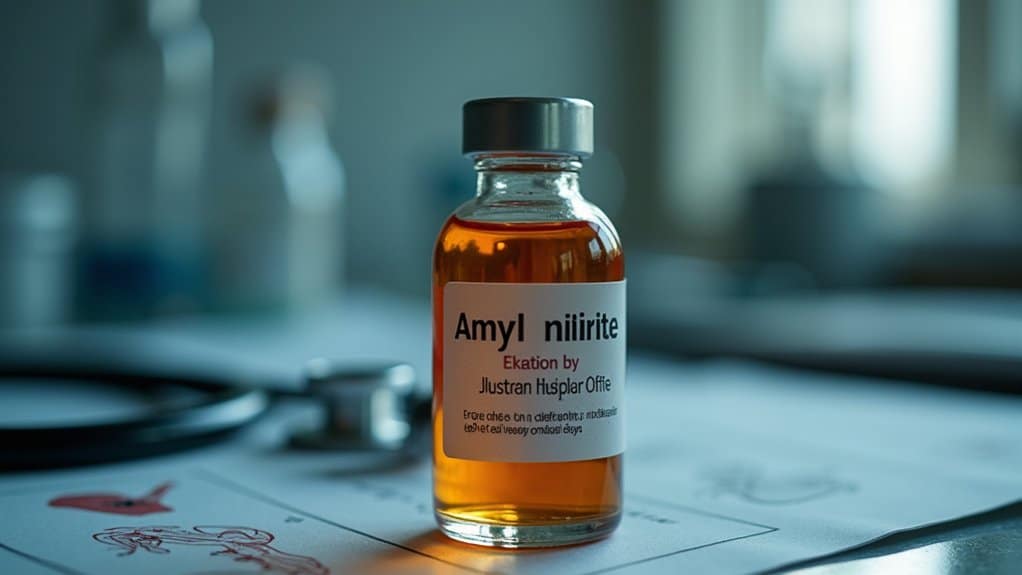
If you don’t fall into the high-risk categories above but still choose to use poppers, understanding harm reduction strategies can minimize potential dangers.
Inhalation Safety
Alternate nostrils to reduce irritation and let fumes float toward your nose rather than pressing the bottle against skin. Limit yourself to 2-4 sniffs if headaches develop. The brief euphoria affects your CNS rapidly, so always sit or recline to prevent falls from sudden dizziness.
Critical Warnings
Never swallow poppers, ingestion causes methemoglobinemia and organ failure. Avoid mixing with erectile dysfunction medications or blood pressure drugs, as this combination risks stroke or heart attack.
Fire Safety
Keep poppers away from flames, cigarettes, and ignition sources. They’re highly flammable and can cause severe burns if ignited during use.
Are Poppers Dangerous?
Given the range of potential side effects and health risks, the question arises: are poppers dangerous? The answer largely depends on the frequency and context of use. Occasional use in small amounts may result in only minor, temporary side effects. However, frequent use or combining poppers with other substances significantly increases the risk of severe health complications.
The Food and Drug Administration (FDA) has issued warnings about the dangers of inhaling or ingesting poppers, highlighting the potential for severe injury or death. Despite these warnings, many users underestimate the risks, viewing poppers as a harmless recreational drug. This perception is dangerous and overlooks the significant health risks associated with their use.
Moreover, the long-term consequences of popper use are not yet fully understood, particularly concerning their impact on brain health and cognitive function. Some research suggests that chronic exposure to nitrites may cause oxidative stress, leading to cellular damage in the brain. This could potentially result in memory issues, impaired judgment, and other cognitive impairments over time.
While more research is needed to understand these effects fully, the existing evidence raises serious concerns about the safety of poppers, particularly for long-term users. As such, users must be aware of these potential dangers and approach the use of poppers with caution.
Inhalant Addiction Treatment at NATC
For those struggling with popper use or other inhalants, seeking professional help is crucial. Inhalant addiction can be challenging to overcome, but with the proper support and treatment, recovery is possible.
Northridge Addiction Treatment Center (NATC) provides comprehensive, evidence-based inpatient treatment programs tailored to the unique needs of residents addicted to inhalants. From our medical detox program and medication-assisted treatment program to counseling and support groups, NATC provides a safe and supportive environment for recovery.
If you or someone you care about is dealing with popper misuse, reach out to NATC. Our compassionate treatment specialists are eager to discuss your needs, goals, and treatment options.
Frequently Asked Questions
How Long Do Poppers Stay in Your System After Use?
Poppers leave your system quickly due to their short half-life of just minutes. You’ll typically clear them from your blood within 12 to 24 hours, while urine may show traces for up to 72 hours. Your metabolism speed, liver function, and frequency of use all influence this timeline. Standard drug tests won’t detect poppers, they’re not included in typical screening panels, so specialized testing would be required.
Can Poppers Show up on a Drug Test?
No, poppers won’t show up on standard drug tests. These tests screen for substances like cocaine, opioids, marijuana, amphetamines, and PCP, not alkyl nitrites. Your body metabolizes poppers within minutes, making detection nearly impossible even if tested. While specialized forensic or medical tests could theoretically identify them if specifically requested, you won’t encounter this in routine employment or sports screening. Their legal status in most regions eliminates incentive for standard inclusion.
Are Poppers Legal to Buy and Possess in the United States?
You can legally possess poppers at the federal level, but their sale for inhalation is banned under 15 U.S.C. §§ 2057a, b. Manufacturers exploit loopholes by marketing them as “room odorizers” or “leather cleaners.” You’ll find state laws vary considerably, Louisiana criminalizes personal possession with fines up to $500 or six months’ imprisonment. You should check your state’s specific regulations before purchasing, as enforcement remains inconsistent nationwide.
What Should You Do if Someone Accidentally Swallows Poppers?
Call emergency services immediately, ingesting poppers causes severe methemoglobinemia, even from small amounts. Don’t induce vomiting. Place the person in the recovery position if they’re unconscious but breathing. Start CPR if they’re unresponsive and not breathing. Watch for cyanosis, confusion, rapid heart rate, or seizures. Bring the product packaging to the hospital. Medical treatment includes methylene blue as an antidote and supplemental oxygen. Time-critical intervention is essential.
Can You Become Addicted to Poppers With Regular Use?
Yes, you can develop psychological dependence on poppers with regular use. While they don’t cause classic physical addiction, you may experience habit-forming patterns, chasing euphoria, needing them for sexual performance, or using escalating amounts. You’ll notice warning signs like cravings, preoccupation with use, and neglecting responsibilities. Between uses, you might experience headaches, mood swings, irritability, and fatigue. If you’re relying on poppers to cope with stress or anxiety, that’s concerning.