When you use flakka, you’re exposing yourself to a synthetic cathinone that’s roughly 10 times more potent than cocaine. Even a 0.1-gram dose can trigger hyperthermia exceeding 106°F, violent psychosis, and the “superhuman strength” that earned flakka its zombie nickname. You’ll likely experience tachycardia, severe paranoia, and hallucinations. Prolonged use leads to rhabdomyolysis, kidney failure, and cardiovascular collapse. Understanding each stage of flakka’s effects reveals why this drug proves so dangerous.
Sometimes known as the zombie drug or mistaken for bath salts, Flakka is a type of new psychoactive substance (NPS) that falls into the category of designer drugs. These synthetic drugs are becoming more popular across the United States as they are easy to get, very affordable, and have stimulating effects.
Flakka became well-known because of several shocking and violent events. In one famous scenario, a person bit someone else’s face, leading to the nickname “zombie drug” for the substance.
You might expect that its violent effects would stop people from using Flakka. However, during its peak popularity, emergency departments in Broward County, Florida, saw up to 30 Flakka overdose cases daily in 2014 and 2015. There were also at least 60 deaths linked directly to the drug.
Even with law enforcement and public health campaigns trying hard to stop it, Flakka and other new psychoactive substances keep spreading across the country, bringing harmful effects with them.
What Is Flakka?
Flakka, sometimes called gravel or zombie drug, is an unpredictable and dangerous man-made drug that causes extreme side effects and aggressive behavior. Flakka is the street name for the chemical alpha-pyrrolidinopentiophenone, called alpha-PVP for short. Flakka is designed to imitate the stimulant effects of the khat plant but more closely resembles a combination of amphetamines, MDMA, and cocaine. Flakka, scientifically known as alpha-pyrrolidinopentiophenone (alpha-PVP), is a synthetic cathinone that’s earned its “zombie drug” nickname due to the extreme behavioral disturbances it causes in users. This compound mimics cathinone, a natural stimulant found in the khat plant traditionally used in Africa and the Middle East.
As one of the most potent synthetic drugs available, alpha-PVP works by blocking the reuptake of dopamine and norepinephrine in your brain. Research indicates it’s approximately ten times stronger than cocaine, meaning doses as small as 0.1 grams can trigger overdose. The drug’s capacity to drastically alter behavior poses significant risks, including the potential for heart attack, stroke, and even death.
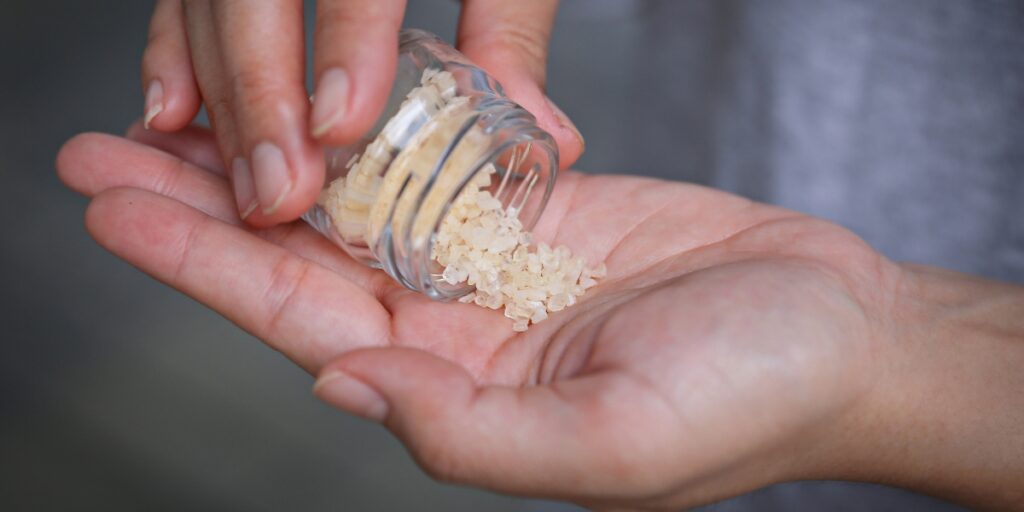
Many people use the terms Flakka and bath salts interchangeably as if they mean the same thing. While they are chemically similar and both belong to the group of designer drugs known as synthetic cathinones, they are not identical. They look and act so much alike that dealers and users often don’t worry about telling them apart. Flakka is a drug that looks like white or pink crystals, like the small rocks used in aquariums and floral arrangements, leading to its nickname “gravel.” Even though it’s labeled “not for human consumption,” people use it in various ways, including swallowing, snorting, smoking, and even injecting it. Flakka is classified as a Schedule I controlled substance in the United States, making its possession, distribution, and manufacture illegal.
To prevent Flakka and similar drugs from entering the United States, the Drug Enforcement Agency (DEA) put into place the Synthetic Drug Prevention Act (SDPA). This statute designates the components and completes versions of synthetic cathinones as Schedule I controlled substances, signifying they possess no medicinal value and bear a significant risk of addiction and abuse.
What Is Flakka Made Of?
The laboratories abroad that make and ship Flakka often tweak small ingredients to keep from being caught by the police. Even so, the main ingredient in Flakka is always alpha-pyrrolidinopentiophenone (alpha-PVP), which is needed to create the drug’s effects.
As long as alpha-PVP is included, the creators of the drug aren’t specific about the other chemicals used. Researchers have found a variety of substances in synthetic cathinones, ranging from meth to gelatin powder to oral numbing cream.
Due to its ever-changing chemical makeup, each batch of Flakka can differ in appearance, strength, intended effects, and side effects.
Flakka Drug Effects
Scientists at the National Institutes of Health (NIH) observe that the impacts of Flakka differ markedly from those of any previously studied drug. The most notable and disturbing outcome is the trance-like state it induces, earning it the name “zombie drug.”
The main ingredient in Flakka, alpha-PVP, interacts with brain neurotransmitters, triggering the release of serotonin, dopamine, and norepinephrine. These chemicals directly influence moods and emotions and also regulate biological processes, leading to various physical effects.
Users typically consume Flakka for the following effects:
- Intense happiness
- Enhanced awareness
- Increased stimulation
- Boosted energy levels
- Amplified sense of power
- Lowered inhibitions
These effects last between three to five hours, depending on the amount taken and the strength of the batch.
Unfortunately, the euphoria from Flakka doesn’t always mean calm or happy feelings. When large amounts are used, people can experience what researchers call excited euphoria or agitated delirium. This can lead to extreme side effects, including manic and violent behavior.
Signs of a Flakka Overdose
You’ll recognize a flakka overdose by three critical warning signs that require immediate medical attention. First, hyperthermia causes body temperature to spike dangerously above 104-106°F, often leading users to strip off clothing in an attempt to cool down. Simultaneously, you may observe violent behavioral outbursts marked by extreme aggression and superhuman strength, while internally, the body progresses toward multiple organ failure including kidney damage and rhabdomyolysis.
Extreme Body Temperature Spike
When flakka triggers an overdose, one of the most dangerous warning signs is hyperthermia, a rapid and severe elevation in body temperature that can reach 104 to 106 degrees Fahrenheit (40 to 41 degrees Celsius). These overdose temperature spikes occur because flakka effects include intense stimulation that overwhelms your body’s ability to regulate heat.
You’ll experience profuse sweating, muscle rigidity, and tremors as your system struggles to cope. The organ damage risks escalate quickly, rhabdomyolysis can destroy muscle tissue, leading to kidney failure and potentially requiring lifelong dialysis. Internal bleeding and renal shutdown become imminent threats.
Without immediate medical intervention, fatal outcomes include heart attack, stroke, and seizures. Excited delirium compounds these dangers, making hyperthermia one of the primary mechanisms through which flakka overdoses prove lethal.
Violent Behavioral Outbursts
As the drug overwhelms your central nervous system, violent behavioral outbursts emerge as one of the most recognizable and dangerous overdose indicators. You may experience acute psychosis characterized by severe paranoia, hallucinations, and delusions that trigger unpredictable violent behavior toward yourself or others.
Clinical agitation signs include extreme mood swings, hyperalertness, and disinhibition. You might display superhuman strength while becoming unable to feel pain, making intervention particularly challenging.
| Behavioral Indicator | Clinical Presentation |
|---|---|
| Excited Delirium | Uncontrollable aggression with erratic mannerisms |
| Psychomotor Agitation | Unprovoked violence and recklessness |
| Self-Destructive Acts | Running into traffic, self-harm behaviors |
| Paranoid Episodes | Panic-driven violent reactions |
These outbursts often coincide with profuse sweating and clothes removal. You may engage in bizarre, dangerous actions driven by disturbing hallucinations and impaired judgment.
Multiple Organ Failure
Beyond the visible behavioral symptoms, Flakka overdoses trigger a catastrophic internal cascade that rapidly progresses to multiple organ failure. When you consume this alpha-PVP stimulant, your body temperature can spike above 105°F, initiating a dangerous chain reaction throughout your systems.
The DEA has documented numerous cases where this hyperthermia leads to fatal outcomes or permanent damage. Your muscles break down through rhabdomyolysis, releasing myoglobin that overwhelms your kidneys. Simultaneously, your cardiovascular system experiences severe strain from tachycardia and hypertension.
Key indicators of systemic failure include:
- Hyperthermia exceeding 104°F causing heatstroke and dehydration
- Rhabdomyolysis leading to acute kidney injury requiring dialysis
- Cardiovascular collapse from sustained tachycardia and hypertension
- Liver dysfunction accompanying widespread organ breakdown
Without immediate medical intervention, this alpha-PVP stimulant overdose progresses to irreversible multi-organ failure and death.
Flakka Side Effects
The extreme and strange side effects of Flakka are why the drug caught national attention in the United States. Two well-known incidents involved a Florida man breaking through hurricane-proof windows to enter a police station and a Florida woman running through traffic, claiming to be Satan.
Not every Flakka binge results in a psychotic break or headline-making behavior, but it’s always dangerous. The drug’s unpredictable and sometimes life-threatening side effects make each use risky. People with co-occurring disorders are especially at high risk for experiencing psychotic breaks and lasting mental health problems from using Flakka.
Flakka’s Immediate Physical Effects
Flakka produces rapid and severe physiological changes that can become life-threatening within minutes of ingestion. You’ll experience significant cardiovascular risks, including tachycardia exceeding 100 beats per minute, dangerous hypertension, and irregular heartbeat patterns that can trigger heart attack or stroke.
The drug’s impact on your CNS causes seizures, muscle tremors, and involuntary contractions. You may develop rhabdomyolysis, where muscle fibers break down and release myoglobin into your bloodstream, potentially causing kidney failure.
Your body temperature can spike above 104°F as flakka interferes with hypothalamic regulation. You’ll sweat profusely as your body attempts cooling, leading to severe dehydration. Dilated pupils, blurred vision, and disorientation follow. Without intervention, these combined effects can progress to respiratory distress, organ failure, and cardiovascular collapse.
Paranoia, Psychosis, and Flakka’s Mental Grip
While the physical effects of flakka pose immediate dangers, the drug’s psychological impact often proves equally devastating and longer-lasting. When you use flakka, the dopamine flood in your brain triggers extreme paranoia, hallucinations, and agitated delirium. You may experience delusions that persist even after the drug leaves your system.
Research from South Florida, an epicenter for flakka-related cases, documents psychosis occurring after just one use. A 17-year-old female experienced prolonged psychosis that resisted standard treatments including benzodiazepines and antipsychotics.
Key psychological effects include:
- Extreme paranoia leading to aggression and panic attacks
- Hallucinations and delusions characteristic of psychotic episodes
- Excited delirium with confusion and bizarre behaviors
- Long-term cognitive impairments including memory loss and persistent mental illness
How Flakka Triggers Heart Attacks and Strokes
When flakka enters your bloodstream, it blocks the reuptake of dopamine and norepinephrine, causing these neurotransmitters to accumulate rapidly in your brain. This overstimulation places immediate strain on your cardiovascular system, triggering tachycardia and severe hypertension.
| Cardiovascular Effect | Clinical Presentation |
|---|---|
| Tachycardia | Heart rate exceeding 150 bpm |
| Hypertension | Dangerous blood pressure spikes |
| Hyperthermia | Body temperature above 104°F |
| Arrhythmias | Irregular heart rhythms |
| Vasoconstriction | Narrowed blood vessels |
Your heart rate can accelerate beyond safe thresholds while blood vessels constrict, elevating stroke risk. Hyperthermia compounds these effects, pushing body temperature past 106 degrees and causing dehydration. When excited delirium develops, the combined physiological stress on your cardiovascular system can trigger organ failure, heart attacks, or sudden cardiac death.
Flakka-Induced Seizures and Muscle Destruction
When you use flakka, the surge of dopamine and norepinephrine overstimulates your brain’s electrical activity, creating conditions for seizures that can cause permanent neurological damage. Simultaneously, the drug triggers rhabdomyolysis, a dangerous process where your muscle tissue breaks down and releases myoglobin proteins into your bloodstream. This myoglobin overwhelms your kidneys, potentially leading to acute kidney failure that may require lifelong dialysis.
Seizure Mechanisms Explained
Because alpha-PVP blocks the reuptake of dopamine, norepinephrine, and serotonin simultaneously, it creates a dangerous neurotransmitter buildup in the synaptic cleft that destabilizes normal brain activity. This chemical surge overstimulates your central nervous system, triggering cascading neurological dysfunction. The DEA classifies alpha-PVP as a Schedule I substance due to these severe risks.
Your brain’s electrical signaling becomes erratic as excessive dopamine floods the striatum, activating D1/D2 receptors beyond normal thresholds. This hyperstimulation precipitates seizure onset.
Key seizure triggers include:
- Hyperthermia elevating body temperature to 104 degrees, destabilizing neurological function
- Sympathetic overactivation pushing heart rates beyond 150 beats per minute
- Myoclonus and muscle spasms preceding full tonic-clonic seizures
- Excited delirium combining confusion, hyperactivity, and cardiovascular strain
High doses can cause unconsciousness or death through sustained seizure activity.
Rhabdomyolysis and Kidney Damage
Rhabdomyolysis represents one of alpha-PVP‘s most destructive physiological consequences, occurring when the drug’s intense stimulant effects cause rapid muscle fiber dissolution. Your muscle cells break down and release myoglobin into your bloodstream, overwhelming your kidneys’ filtration capacity. Body temperatures exceeding 104°F accelerate this process through heat-induced protein denaturation.
As myoglobin accumulates, it clogs your kidney tubules and prevents normal waste filtration. Dehydration from excessive sweating compounds this stress by concentrating toxic breakdown products. You’ll experience severe muscle cramps, weakness, and uncontrollable jerking movements as muscle fibers deteriorate.
Without immediate medical intervention, acute kidney injury can progress to chronic kidney failure. Aggressive fluid administration becomes essential to flush myoglobin before irreversible damage occurs. When kidney function drops below 10% capacity, organ failure becomes fatal without dialysis.
How Flakka Destroys Your Organs Over Time
Flakka tears through your body’s major organ systems with alarming efficiency. When you use this synthetic cathinone, you’re exposing yourself to cascading damage that compounds with each dose.
Your kidneys face severe stress from dehydration and rhabdomyolysis, often progressing to renal failure. Your liver sustains metabolic damage from hyperthermia and toxic strain. Your cardiovascular system experiences dangerous elevations in heart rate and blood pressure, increasing your risk of arrhythmias, heart attack, and stroke.
- Kidney damage: Muscle protein release overwhelms filtration capacity, leading to potential dialysis dependence
- Liver impairment: Chronic exposure causes irreversible hepatic dysfunction
- Cardiovascular strain: Persistent hypertension damages arterial walls and cardiac tissue
- Neurological deterioration: Dopamine flooding produces neurotoxic effects and lasting cognitive deficits
Prolonged use accelerates multi-organ failure.
Its side effects can last for several days after the initial high. The length of these effects depends on the dose taken, the strength of the batch, and whether other drugs or alcohol were used simultaneously.
Consequences of Flakka use include:
- Disorientation
- Worry
- Loss of hunger
- Sudden fear episodes
- Suspicion
- False beliefs
- Perspiration
- Rapid heartbeat
- Chest discomfort
- Severe psychosis
- Overheating (extremely high body temperature)
- Hypertension
- Muscle contractions
- Rigidity in arms and legs
- Convulsions
- Cardiac arrests
- Heart attacks
- Blood flow to the brain issues
- Dehydration
- Renal failure
- Invasive thoughts
- Perception of extraordinary strength
- Long periods of absent-mindedness
- Insensitivity to pain
- Rash actions
- Aggressive conduct
- Self-inflicted injuries
- Thoughts of suicide
- Comatose state
- Mortality
Despite how severe some side effects sound, they can happen with just one use. When users experience excited delirium, they enter an almost manic state, pushing their bodies into overdrive, which can cause internal and sometimes irreversible damage.

Flakka Drug Addiction Treatment
If you or someone you love struggles with using Flakka and bath salts, remember you’re not alone in this challenging journey. Help is available.
Our caring, licensed and experienced Northridge Addiction Treatment Center (NATC) team supports you through every step of your recovery journey. Addiction is a complex issue, and we meticulously address its underlying reasons, equipping you with the necessary resources to conquer it.
Northridge Addiction Treatment Center offers a private and peaceful residential treatment center for a new beginning in recovery, away from the triggers of substance abuse.
At NATC, we provide onsite medical detox with around-the-clock medical supervision to keep you safe through withdrawal symptoms and ensure a smooth start to your tailored treatment plan, designed to meet your specific needs and recovery goals.
Reach out to speak with one of our kind treatment specialists today. A fulfilling life, grounded in recovery, awaits you.
Frequently Asked Questions
How Long Does a Flakka High Typically Last?
You’ll typically experience the primary high from flakka for 3-5 hours, though this can vary considerably. Depending on the dose you’ve taken, your metabolism, body composition, and the drug’s purity, effects can extend from several hours to multiple days. Your liver and kidney function also influence duration. Beyond the acute high, you may notice lingering neurological and psychological effects persisting for weeks, with the substance remaining detectable in your system for 48-72 hours.
Is Flakka Addiction Treatable and What Recovery Options Exist?
Yes, you can treat flakka addiction through a combination of medical intervention and behavioral therapies. You’ll typically start with medically supervised detoxification lasting 7-10 days, where professionals manage withdrawal symptoms using medications like benzodiazepines. Following detox, you’ll benefit from evidence-based therapies including cognitive-behavioral therapy (CBT) and dialectical behavior therapy (DBT). Treatment options include inpatient rehabilitation programs lasting 30-90 days or flexible outpatient programs, depending on your addiction severity.
Can Flakka Be Detected in Standard Drug Tests?
No, standard drug tests won’t detect flakka in your system. Routine urine screening panels don’t identify synthetic cathinones like alpha-PVP. You’ll need specialized laboratory testing, including gas chromatography and mass spectrometry, for accurate detection. If you’re undergoing specific testing, flakka remains detectable in urine for up to 3 days, in blood for 2-3 days, and in saliva for 2-3 days. Detection windows vary based on dosage, frequency of use, and your individual metabolism.
Why Is Flakka Cheaper Than Other Street Drugs?
Flakka costs less because it’s synthetically manufactured, eliminating expensive plant cultivation required for cocaine or heroin. You’ll find dealers source alpha-PVP from overseas suppliers at approximately $1,500 per kilogram, yielding up to 10,000 doses. This translates to street prices of $3-$5 per hit, compared to cocaine’s $80 per gram. The low production overhead and high potency-to-cost ratio make it accessible to individuals who can’t afford traditional stimulants.
What Should You Do if Someone Near You Uses Flakka?
If someone near you uses flakka, you’ll want to prioritize safety first. Keep your distance if they’re displaying aggression or erratic behavior, and remove any dangerous objects from the area. Don’t attempt physical restraint, users may exhibit extreme strength. Call emergency services immediately if you observe seizures, chest pain, or signs of excited delirium. Once they’re stabilized, encourage them to seek professional addiction treatment and connect them with appropriate recovery resources.