
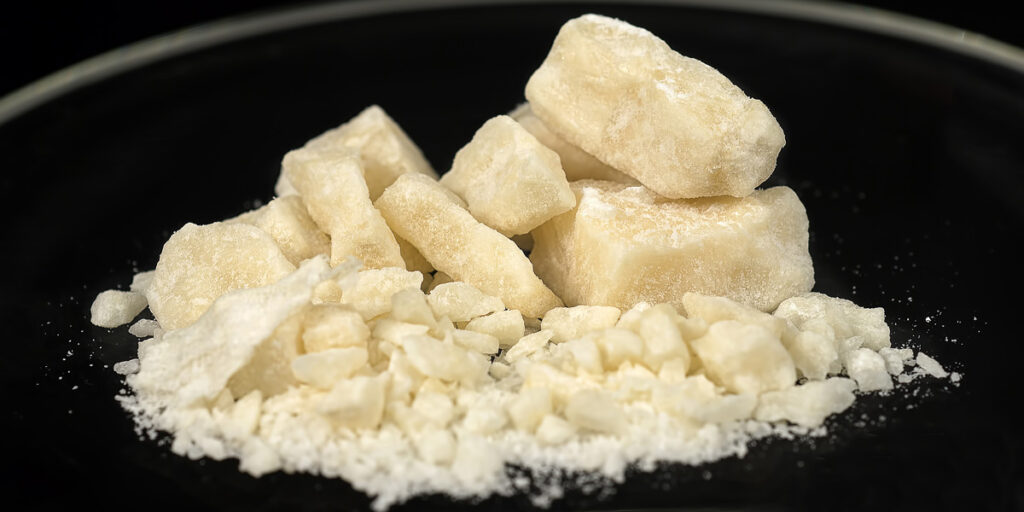
When people smoke crack cocaine, also known as freebasing, it directly affects their lungs and exposes them to the drug and other substances in the mixture. This can lead to various lung complications, such as damage caused by the drug, commonly called “crack lung.” Crack cocaine remains a major cause of visits to the emergency department due to drug-related issues, even though it carries certain dangers. In 2018, around 5.5 million people aged 12 and older in the United States admitted to using crack cocaine within the last year. Out of these individuals, approximately 757,000 reported using crack cocaine specifically. These numbers highlight how common and influential crack cocaine use is among the population.
Crack lung is an acute pulmonary syndrome you can develop within 48 hours of smoking freebase cocaine. It causes diffuse alveolar injury that triggers respiratory distress, fever, hemoptysis, and black mucus production. You’ll typically experience shortness of breath, tachypnea, and hypoxia with oxygen saturation dropping to 80-86% on room air. Without prompt treatment, crack lung can rapidly progress to acute respiratory distress syndrome and respiratory failure. Understanding the warning signs can help you recognize when to seek emergency care.
What Is Crack Lung?
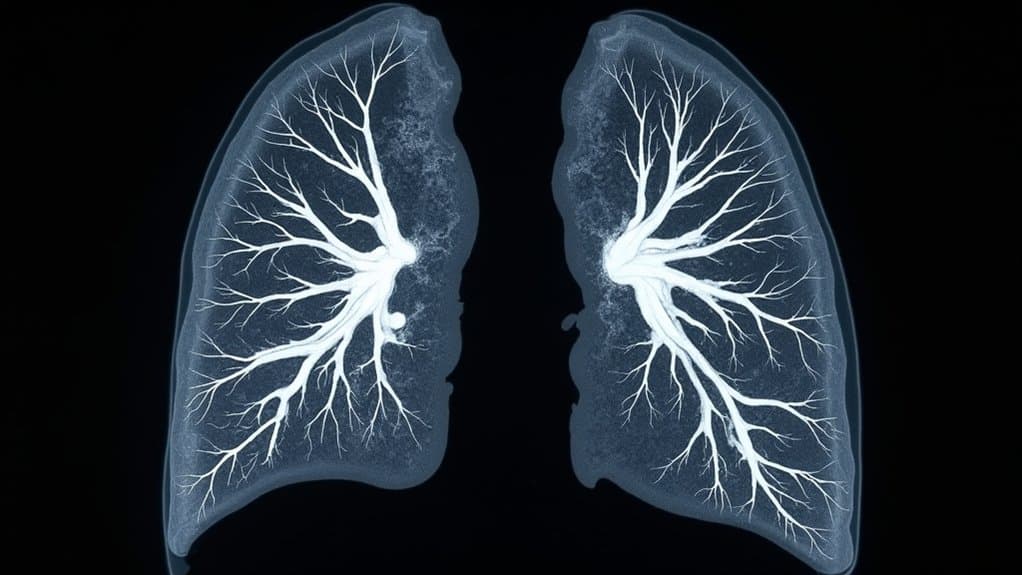
Crack lung, a crack cocaine-induced lung injury, occurs when you spend over 48 hours smoking crack cocaine. It leads to acute pulmonary syndrome, where patients typically experience pneumonia-like symptoms. These symptoms include difficulty breathing, a persistent dry cough, and various other indicators.
Crack lung refers to an acute pulmonary syndrome that develops within 48 hours of smoking crack cocaine. When you inhale freebase cocaine, toxic agents directly damage your airways and alveoli, causing diffuse alveolar injury throughout your respiratory system.
This condition represents a form of acute lung injury triggered by inhalative trauma to pulmonary tissue. You’ll typically experience respiratory distress, hemoptysis, and significant bronchial inflammation. Emergency departments increasingly recognize crack lung as drug-induced pulmonary damage, particularly as inhaled cocaine use rises across the USA and Europe.
Your respiratory system sustains damage regardless of prior lung health history. Even if you’re an older patient without previous pulmonary conditions, smoking crack cocaine can cause this syndrome. The toxic effects of inhaled cocaine also weaken your immune system, making you more vulnerable to secondary infections during recovery. Imaging studies often reveal a characteristic crazy paving pattern on CT scans of the chest. Early medical intervention remains critical for preventing permanent lung damage. Treatment typically involves supportive care including oxygen, bronchodilators, and systemic corticosteroids to reduce inflammatory damage to the lungs.
Imaging of the chest shows lung damage caused by prolonged crack cocaine use. However, crack lung is often associated with additional pulmonary complications of crack cocaine, including alveolar hemorrhage. This serious condition occurs when blood enters certain areas of the lungs, posing a life-threatening emergency.
Crack Lung Symptoms
When crack cocaine is smoked, it causes irritation to the lungs and leads to inflammation in the lung tissues, causing various respiratory issues. The negative consequences of crack are more severe when it is used alongside other substances, like marijuana and tobacco.
Signs and Symptoms of Crack Lung
You’ll recognize crack lung through several distinct warning signs that demand immediate medical attention. Respiratory distress indicators include shortness of breath, persistent dry cough, and chest tightness, while fever typically develops within 48 hours of smoking crack cocaine. Hemoptysis and black mucus production signal alveolar damage and bleeding within your lungs, indicating the severity of pulmonary injury.
Respiratory Distress Indicators
Several respiratory distress indicators signal the onset of crack lung, with dyspnea standing as the most common presenting symptom. When you smoke crack cocaine, your lungs experience inflammatory reactions and diffuse alveolar injury that typically develop within 48 hours of use.
You’ll notice tachypnea as your body compensates for reduced oxygen levels, with respiratory rates reaching 22-23 breaths per minute or higher. Hypoxia becomes a critical concern, with oxygen saturation dropping to 80-86% on room air in documented cases.
If symptoms remain untreated, you risk progression to respiratory failure and acute respiratory distress syndrome. This severe complication may require intubation or non-invasive ventilatory support. Tachycardia frequently accompanies these respiratory changes, reflecting your body’s acute stress response to pulmonary injury.
Fever and Hemoptysis
Beyond respiratory rate and oxygen saturation changes, fever and hemoptysis serve as defining clinical markers of crack lung that typically emerge within 48 hours of smoking crack cocaine. You’ll typically present with a low-grade fever around 99.2°F, accompanied by heightened white blood cell counts reaching 30.25, indicating significant inflammatory response to pulmonary damage crack cocaine causes.
Hemoptysis occurs when crack lung symptoms progress to diffuse alveolar hemorrhage, directly damaging your alveoli. You may experience severe coughing with blood alongside chest pain and acute dyspnea. Emergency medicine protocols require ruling out pulmonary embolism via CT imaging when you present with hemoptysis and tachycardia.
These crack lung symptoms signal respiratory failure risk, prompting immediate intervention with methylprednisolone and empirical antibiotics. Early recognition guarantees you receive appropriate symptomatic management before permanent lung damage develops.
Black Mucus Production
Black mucus production represents one of the most visually distinctive signs of crack lung, with approximately 75% of crack users experiencing black phlegm during or shortly after smoking. This dark sputum typically appears as thick mucus containing black spots or specks, resulting from combustion products depositing particles directly into your lung tissue.
When you inhale crack smoke, it irritates and inflames your airways, causing your sputum to darken markedly. You’ll often notice this symptom alongside shortness of breath, which affects approximately 65% of individuals producing black phlegm. The dark mucus typically emerges within 48 hours of crack use.
Black sputum signals potential alveolar hemorrhage or pulmonary edema requiring prompt medical evaluation. If you’re experiencing persistent black mucus with chest tightness or wheezing, you should seek immediate respiratory assessment to prevent permanent lung damage.
- Crack lung manifests with a range of signs and symptoms, including:
- Chest discomfort
- Fever
- Difficulty breathing, also known as shortness of breath or dyspnea
- Coughing up blood, referred to as hemoptysis
- Presence of black mucus or dark phlegm
- Insufficient oxygen levels in the blood due to impaired blood flow
- Development of a group of lung infections called eosinophilic pneumonia
- Respiratory distress and failure
Is Crack Lung a Medical Emergency?
When crack lung develops, it can rapidly progress from mild respiratory symptoms to life-threatening respiratory failure, making it a genuine medical emergency.
Crack lung can escalate from mild symptoms to life-threatening respiratory failure within hours, never delay seeking emergency care.
Your oxygen saturation can drop to 86% on room air, triggering severe hypoxia and respiratory distress. Without prompt intervention, you risk developing acute respiratory distress syndrome (ARDS), which requires intensive care admission and potentially mechanical ventilation.
Complications demand immediate attention. Alveolar hemorrhage poses a life-threatening risk, while barotrauma from smoking can cause pneumothorax or pneumomediastinum. Diffuse alveolar injury creates dangerous ventilation/perfusion mismatches that compromise your body’s ability to oxygenate blood effectively.
If you’ve smoked crack cocaine within 48 hours and experience shortness of breath, chest pain, or hemoptysis, seek emergency care immediately. Untreated crack lung can prove fatal, but rapid medical intervention considerably improves outcomes.
What Causes Crack Lung Syndrome?
When you smoke crack cocaine, you inhale superheated vapor directly into your airways, causing immediate thermal injury to the bronchial tissue. The deep inhalation technique typically used to maximize drug absorption creates significant barotrauma, placing excessive pressure on your alveoli and lung structures. These two mechanisms, direct vapor toxicity and pressure-induced damage, work together to trigger the acute pulmonary syndrome known as crack lung.
Direct Vapor Inhalation
Several distinct mechanisms contribute to lung damage when crack cocaine vapor enters the respiratory system. When you inhale crack smoke, you’re exposing your airways to temperatures reaching 187°C, causing immediate thermal injury to your tracheobronchial tree and alveolar epithelium.
| Mechanism | Target Structure | Clinical Effect |
|---|---|---|
| Thermal injury | Airway epithelium | Tissue burns and inflammation |
| Chemical toxicity | Alveolar cells | Direct cellular damage |
| Rapid absorption | Pulmonary capillaries | Systemic drug effects |
The drug’s high volatility enables faster bloodstream absorption than intravenous administration due to your lungs’ extensive surface area. You’ll experience direct cellular toxicity as cocaine interacts chemically with lung tissue. Carbonaceous debris from incomplete combustion deposits in your alveolar spaces, compounding the inflammatory response and compromising respiratory function.
Deep Inhalation Pressure
Beyond the direct thermal and chemical damage from vapor inhalation, the mechanics of how you smoke crack cocaine create a second pathway to lung injury. When you inhale deeply and hold the smoke, you’re performing a Valsalva maneuver that dramatically increases intra-alveolar pressure. This pressure surge, often followed by violent coughing, can rupture fragile alveoli.
Once alveolar rupture occurs, air dissects into the pulmonary interstitium and peribronchial connective tissue. This escaped air can track into your pleural space, causing pneumothorax, or into the mediastinum, resulting in pneumomediastinum. In rare cases, air reaches subcutaneous tissues or the pericardium.
Simultaneously, crack’s vasoconstrictive properties damage your alveolar-capillary membrane, increasing permeability and triggering inflammatory responses. This combination of barotrauma and vascular injury explains why respiratory failure develops rapidly in severe presentations.
How Doctors Diagnose Crack Lung
Diagnosing crack lung requires a systematic approach because no single test confirms the condition. Your doctor will begin with a detailed history, specifically asking about crack cocaine use within 48 hours of symptom onset. Since patients often don’t disclose substance use, expect direct questions about recreational drugs and administration routes.
During the physical exam, your physician listens for inspiratory crackles and expiratory rhonchi in your lung fields while checking oxygen saturation levels. Blood tests evaluate inflammation markers, rule out infection, and exclude heart failure through BNP levels.
Imaging plays a critical role. Chest X-rays reveal diffuse bilateral infiltrates, while CT scans show ground-glass opacities with characteristic crazy-paving patterns. CT angiography excludes pulmonary embolism. Your diagnosis ultimately depends on linking your drug history to consistent imaging findings while excluding alternative causes.
How Crack Lung Is Treated
Once your doctor confirms crack lung, treatment shifts to stabilizing your respiratory function and preventing further damage. Your care team will administer supplemental oxygen to correct hypoxemia, with most patients seeing oxygen needs resolve within 48 hours. Nebulized bronchodilators like albuterol and ipratropium address bronchospasm hourly as needed.
| Treatment | Purpose |
|---|---|
| Oxygen therapy | Corrects low oxygen saturation |
| Corticosteroids | Reduces inflammation, especially with eosinophilia |
| Bronchodilators | Relieves airway constriction |
If your eosinophil count exceeds 25%, IV methylprednisolone may be warranted. Antibiotics are initiated when infection is suspected but discontinued once cultures return negative. Severe respiratory failure may require non-invasive ventilation or mechanical intubation.
Cocaine cessation remains essential for recovery. Most patients achieve significant improvement within three to five days with appropriate supportive care.
Can Your Lungs Fully Recover From Crack Lung?
If you’ve experienced acute crack lung and stopped using cocaine, your lungs can achieve full recovery in most cases. Complete resolution of symptoms and radiographic clearance typically occurs within one to two months. Fever and hypoxemia often resolve within 24 hours, while chest radiograph findings improve markedly within 48 hours.
Your oxygen requirements generally normalize within 48 hours, with full recovery achievable after four days of observation. Ground-glass opacities and alveolar infiltrates regress completely without complications when you abstain from further crack cocaine use.
Research shows no evidence of persistent fibrosis or chronic damage following acute crack lung episodes. However, relapse can occur if you resume smoking crack cocaine. Sustained abstinence remains essential for maintaining lung health and preventing recurrent pulmonary injury.
Crack Cocaine Complications: Case of Crack Lung
The Clinical Medicine Journal reported a case involving a 33-year-old man who arrived at the emergency department with escalating chest pains, fever, breathing difficulties, and dry cough. The patient had been a regular crack cocaine smoker for the past two decades but acknowledged a significant increase in crack use during the three days leading up to his hospitalization.
After conducting thorough chest radiographs and analyzing the imaging results, the patient was diagnosed with acute alveolitis. This condition involves inflammation of the tiny air sacs in the lungs and is caused by prolonged inhalation of crack cocaine. The patient was also diagnosed with acute eosinophilic pneumonia resulting from the same prolonged crack cocaine inhalation.
Crack Cocaine Addiction Treatment at Northridge Addiction Treatment Center
It is important to seek professional help to identify and treat the underlying causes of addiction. This will help prevent further harm to the mind and body caused by substance abuse.
Northridge Addiction Treatment Center offers evidence-based care to individuals struggling with substance use disorders and co-occurring conditions. We are here to provide the support and guidance you require as you start your path toward a healthier life free from drugs.
At NATC, we recognize that overcoming addiction requires effort and commitment. Our residential treatment facility offers a nurturing and supportive environment where you can heal and find solace from life’s pressures. Our treatment programs are tailored to your circumstances and needs, promoting lasting sobriety.
Our programs, including medical detoxification, medically assisted treatment, and dual diagnosis treatment, are grounded in scientific evidence and informed by extensive medical research. These programs equip participants with specialized tools to address their triggers and develop effective coping skills.
Embrace a life centered around recovery with Northridge Addiction Treatment Center. Our compassionate treatment specialists can address any inquiries and assist you today.
Don’t hesitate to reach out now.
A Healthier Life Is Within Your Reach
Crack lung symptoms can escalate rapidly from mild respiratory distress to a life-threatening emergency prompt recognition and medical intervention are essential when these warning signs appear. Northridge Drug Rehab provides evidence-based medical detox center Northridge built to address every aspect of addiction with clinical precision and genuine compassion. Serving individuals throughout Encino, our +1 (855) 584-3819 team is available around the clock ready to help you take the next step toward lasting recovery.
Frequently Asked Questions
How Long Does Crack Lung Take to Develop After Smoking?
You can develop crack lung within 48 hours of smoking crack cocaine. Symptoms typically appear just hours after inhalation, with many cases presenting within the first few hours post-use. You’ll notice dyspnea, fever, cough, and chest pain progressing rapidly. The good news is that if you stop smoking and receive prompt treatment, your pulmonary infiltrates and respiratory symptoms often resolve within 24 to 48 hours.
Can Crack Lung Be Mistaken for Other Respiratory Conditions?
Yes, crack lung can easily be mistaken for other respiratory conditions. You’ll find its symptoms, fever, cough, dyspnea, and diffuse infiltrates on imaging, closely mimic infectious pneumonia, prompting clinicians to start empiric antibiotics. It also resembles diffuse alveolar hemorrhage and acute eosinophilic pneumonia. Bronchoalveolar lavage helps distinguish these conditions by revealing carbonaceous debris or heightened eosinophils. Your recent cocaine use history within 48 hours remains the critical factor for accurate diagnosis.
Does Crack Lung Show up on a Drug Test?
No, crack lung doesn’t show up on a drug test. Standard toxicology screens detect cocaine metabolites in your body, but they can’t identify the pulmonary damage that defines crack lung. You’ll need chest imaging, specifically X-rays or high-resolution CT scans, to diagnose this condition. These scans reveal characteristic ground-glass opacities and septal thickening that confirm acute lung injury. Your physician diagnoses crack lung through clinical symptoms and radiological findings, not drug screening results.
Is Crack Lung More Common in Long-Term Users?
You can develop crack lung regardless of how long you’ve used crack cocaine, it typically appears within 48 hours of smoking. However, if you’re a long-term user, you’ve accumulated thermal airway injuries, cellular toxicity, and inflammatory damage that increase your vulnerability. Chronic users often experience more severe complications, including alveolar hemorrhage and respiratory failure. Your cumulative lung tissue damage from repeated exposure compounds your risk with each smoking episode.
Can Secondhand Crack Smoke Cause Crack Lung Symptoms?
You won’t develop crack lung from secondhand crack smoke exposure. The condition requires direct inhalation of freebase cocaine, which causes acute pulmonary toxicity within 48 hours of smoking. The pathophysiology involves direct cellular damage, thermal injury, and barotrauma, mechanisms that don’t apply to passive exposure. While secondhand smoke may cause general respiratory irritation, there’s no clinical evidence linking it to the diffuse alveolar damage and hemorrhagic alveolitis characteristic of crack lung.