A new, more potent, and more dangerous type of meth is on the drug market, called P2P meth. The meth problem, with many people dying from overdosing and getting addicted, is much like the opioid problem.
Methamphetamine, also known as meth or crystal meth, is an addictive and illegal drug that makes you hyper. It messes with your brain and nerves, causing damage to your central nervous system. The meth epidemic and America’s dependence on stimulants didn’t develop overnight. The United States has a lengthy past with it. Recent research on the drug market suggests it will continue to cause destruction and negatively impact many Americans. Without professional treatment and support, those affected may face difficult circumstances and, sometimes, even death.
P2P meth is methamphetamine made using phenyl-2-propanone and methylamine, producing a drug that’s chemically different from traditional ephedrine-based meth. You’ll find it’s more potent, with highs lasting 24+ hours compared to 12 hours, and it causes more severe psychosis, hallucinations, and cognitive damage. This production method now accounts for 99.6% of U.S. methamphetamine samples. Understanding how P2P meth affects your brain can help explain why treatment requires specialized approaches.
History of Meth in the United States
The US history of methamphetamine is like the opioid crisis. Companies and the government promoted it without understanding the risks and consequences.
In the 1900s, people used a weaker type of meth to treat stuffy noses and chests from colds. During World War II, chemists developed a more potent form of methamphetamine. This new version could be made in large amounts and was given to soldiers. Its purpose was to enhance their energy levels and reduce their appetite.
The Nazis famously devised the Birch method for producing methamphetamine, which some meth manufacturers still use today to create ephedrine-based meth. Many returning soldiers developed meth addiction and turned to self-medication to cope with new mental health issues.
Pharmaceutical companies went all out to promote meth as a miracle drug. They marketed it as a cure for almost everything, targeting anxious homemakers, hyperactive children, and those struggling with weight issues. Meth, readily available in various forms without prescription, was a thing until the mid-1950s.
The 1960s and 70s witnessed a surge in drug experimentation, leading the government to take action, particularly against psychedelics and methamphetamines. Exploiting the demand in drug markets, drug traffickers saw an opportunity to expand their operations.
The Hell’s Angels biker gangs, hailing from Los Angeles and other parts of Southern California, transitioned in their meth production techniques. They moved away from the Birch method and adopted the phenyl-2-propanone (P2P) method, ending the ephedrine requirement. This switch showcased their resourcefulness and adaptability in the ever-evolving world of illicit drug production. They relied on other chemicals, mainly phenylacetone, to achieve a similar high.
In the 1980s, these medicines with ephedrine became easy to get, making people go back to using the Birch method to make meth. The drug cartels and even the Hell’s Angels figured out that making and selling meth was way faster than dealing with plants like marijuana, cocaine, or heroin.
But then, in the early 2000s, the governments of the United States, Mexico, and Canada got all strict and made a bunch of laws to control the sale and buying of stuff with ephedrine and pseudoephedrine. However, P2P meth production came back strong.
Journalist Sam Quinones shed light on the emerging opioid epidemic and its ties to cartels in his acclaimed book “Dreamland: The True Tale of America’s Opiate Epidemic.” In his subsequent work, “The Least of Us: True Tales of America and Hope in the Time of Fentanyl and Meth,” he documents the shift of drug traffickers towards manufacturing and selling synthetic drugs. Quinones was one of the early voices to raise awareness about P2P meth and its significant contribution to the rapid decline in mental health and the homelessness crisis in America.
What Is P2P Meth?
P2P meth, the alternative devised by drug traffickers in response to regulations on ephedrine and pseudoephedrine, involves using a blend of toxic chemicals instead of extracting substances from over-the-counter cold and allergy medicines. P2P meth is known to be more potent, cheaper, and highly dangerous compared to early 20th-century meth.
According to the National Institute on Drug Abuse (NIDA), most methamphetamine available in the United States comes from P2P meth. This type of meth is frequently laced with fentanyl to intensify the high and enhance addictive properties.
What Is P2P Meth and Why Did It Replace Traditional Meth?

P2P meth refers to methamphetamine produced using the phenyl-2-propanone (P2P) and methylamine synthesis method. This synthetic approach yields a racemic mixture containing both d- and l-isomers of methamphetamine, which differs from ephedrine-based production methods. The P2P method produces lower quality dl-methamphetamine and has historically been associated with outlaw motorcycle gangs. Illicit manufacturers began making methamphetamine using phenyl-2-propanone in the 1970s after pharmaceutical diversion became more difficult.
You’ll find that phenyl-2-propanone meth emerged as the dominant form after regulatory crackdowns restricted ephedrine and pseudoephedrine access in the U.S. and Mexico. When traditional precursors became difficult to obtain, manufacturers shifted to P2P because its chemical components could be sourced from Central America, South America, and South Africa, regions with fewer restrictions. Manufacturers refined the technique and began finding new precursors, including dozens of chemicals like toiletries, solvents, tanning products, and racing fuel.
P2P Meth vs. Traditional Meth: The Key Differences
Understanding how these two production methods differ helps clarify why P2P meth poses distinct clinical challenges.
Traditional meth relies on ephedrine or pseudoephedrine, producing primarily the d-isomer responsible for euphoric effects. P2P meth, or synthetic meth, uses phenyl-2-propanone with industrial chemicals, yielding a racemic mixture that manufacturers often enrich for potency.
P2P meth’s racemic mixture creates a fundamentally different drug than traditional ephedrine-based meth, demanding new clinical approaches.
The DEA reports that 91-96% of seized samples now test as P2P meth. You’ll notice key distinctions in clinical presentations: P2P meth reaches 90-97% purity compared to traditional meth‘s 80% baseline. The high lasts 24+ hours versus 12 hours, creating prolonged intoxication states.
P2P meth triggers more severe psychosis, hallucinations, and cognitive deterioration. You’re also seeing increased cardiovascular complications and overdoses occurring at lower doses. These differences demand adjusted treatment protocols and heightened monitoring.
Chemists and drug researchers rely on meth samples to establish impurity profiles, identify its chemical composition and origin, and assist law enforcement in tracking drug sources. This research also contributes to understanding the effects of the chemicals used in meth production and developing effective treatments for addiction.
The typical chemicals used in the P2P method of meth manufacturing include:
- Cyanid
- Sulfuric acid
- Hydrochloric acid
- Mercury
- Racing Fuel
- Acetone
- Nitrostyrene
- Lye
Why P2P Meth Contains Dangerous Industrial Chemicals
When you understand why P2P meth contains industrial chemicals, you’ll recognize how drug legislation inadvertently shaped today’s toxic supply. After 2006 restrictions moved ephedrine and pseudoephedrine behind pharmacy counters, manufacturers shifted to phenyl-2-propanone, a compound readily available for legitimate industrial purposes at considerably lower costs. This change means you’re now exposed to corrosive acids, hazardous solvents, and metal contaminants that weren’t present in traditional ephedrine-based methamphetamine.
Bypassing Legal Restrictions
Because phenyl-2-propanone became a Schedule II controlled substance in 1980, clandestine manufacturers can’t legally obtain this key precursor, so they’ve turned to unregulated industrial chemicals that introduce significant health hazards.
Clandestine labs now synthesize P2P from precursors like alpha-phenylacetoacetonitrile (APAAN) or convert nitrostyrene using iron powder and hydrochloric acid. These workarounds bypass direct purchase bans while contaminating the final product with toxic residues.
You should understand that the Combat Methamphetamine Epidemic Act’s restrictions on ephedrine and pseudoephedrine accelerated this shift. Manufacturers source industrial solvents, sulfuric acid, kerosene, ether, legally because they’re not pharmaceutical-controlled substances. Metal reductions using aluminum amalgam replace scheduled red phosphorus, eliminating another regulatory barrier.
This regulatory evasion explains why 99.6% of profiled U.S. methamphetamine samples now show reductive amination signatures characteristic of P2P production methods.
Cost-Effective Toxic Alternatives
Illicit manufacturers choose industrial chemicals over pharmaceutical precursors primarily for economic reasons, they’re cheaper, more accessible, and available in bulk quantities. Since 2006 restrictions limited ephedrine access, producers shifted to phenyl-2-propanone derived from industrial solvents like acetone, racing fuel, and kerosene.
You’re exposed to hazardous reagents catalysts including mercuric chloride, palladium, and nickel when using P2P meth. These metal catalysts leave dangerous impurities in the final product. Cyanide, chloroacetone, and benzene replace safer pharmaceutical ingredients, while sulfuric and hydrochloric acids serve as reaction agents.
This cost-driven approach creates meth with 93% purity but vastly higher toxicity. The corrosive impurities remaining in P2P meth contribute to faster addiction, severe brain damage, and physical deterioration, including characteristic meth sores from chemical exposure.
These chemicals challenge government regulation since they can be found in beauty items and fertilizers. Their widespread availability and affordability have made it easy to produce P2P meth at a low cost and distribute it in large quantities. During the early 2000s, a pound of ephedrine-based meth had a price tag of approximately $10,000, whereas a pound of P2P meth was valued at around $1,000.
Law enforcement treats ephedrine-based (traditional) meth and P2P meth equally. Both are classified as Schedule II controlled substances.
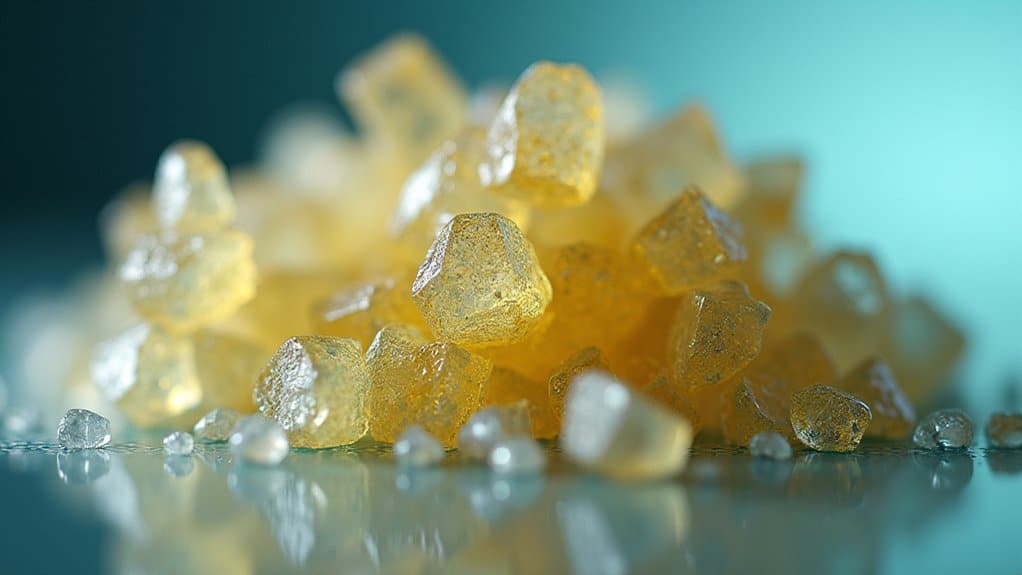
P2P meth is typically found as white or off-white crystals or a coarse, white-to-grayish powder closely resembling ephedrine-based meth. It has a bitter taste and remains odorless until it is smoked. At this point, users report a strong chemical or ammonia smell. Meth users often emit this distinct odor through sweat and breath, particularly after extended meth use.
What Does P2P Meth Look Like Compared to Crystal Meth?
You’ll notice P2P meth typically appears as a gritty powder, paste, or waxy substance rather than the iconic glass-like shards of crystal meth. While crystal meth forms translucent, sharp-edged fragments that sparkle under light, P2P meth tends to look clumpy, damp, or oily with colors ranging from off-white to yellow or brown. These visual differences stem from the distinct synthesis methods, though both carry serious health and addiction risks.
What Is P2P Drug Slang?
P2P, which stands for phenyl-2-propanone, refers to the specific chemical process used to produce this type of methamphetamine.
Standard drug slang terms for P2P meth include:
- Ice
- Hot meth
- Super met
- Crystal
- Glass
- Tina
- Crank
It is worth noting that many individuals may not be aware that they are using P2P instead of the regular versions of the drug, and they often use the same slang terms to refer to it. Some slang associated with P2P meth highlights its powerful psychoactive effects on individuals.
Side Effects of P2P Meth
The side effects of P2P methamphetamine are notably intense, even when compared to the effects experienced by regular meth users. This is primarily due to its chemical composition and the frequent inclusion of fentanyl.
How P2P Meth Affects the Brain and Body
P2P methamphetamine tears through your body’s systems with devastating efficiency, triggering both immediate and long-term damage. When you use this drug, your CNS experiences intense stimulation, producing feelings of confidence, energy, and sociability. However, these effects mask serious harm occurring simultaneously.
Acutely, you’ll experience heightened blood pressure, increased respiratory rate, and dangerous spikes in body temperature. Your cardiovascular system faces immediate strain, raising your risk of heart attack and stroke.
Chronic use produces neurochemical and neuroanatomical changes that impair your memory, decision-making, and verbal reasoning. You may develop psychosis resembling paranoid schizophrenia, complete with hallucinations. Violent paranoia, delusions, and isolating behavior become common. Your organs sustain progressive damage, and overdose can occur at increasingly smaller doses.
Common side effects of P2P meth includes rush of euphoria:
- Disconnection from reality
- High blood pressure
- Fast heart rate
- Rapid breathing
- Severe insomnia
- Loss of appetite
- Confusion
- Excessive sweating
- Extreme paranoia
- An urge to isolate oneself
- Disturbing hallucinations
- Thoughts of violence or suicide
In contrast to regular meth, which often leads people to become more social and outgoing, P2P meth users report feeling the following:
- Overwhelming anxiety
- Paranoid delusions
- Self-isolation
- Wishing harm on others or themselves

Long-Term Side Effects
“Meth doesn’t typically lead to overdose and immediate death; instead, it gradually destroys individuals over time.” This statement highlights the severity of methamphetamine’s impact.
Meth has horrible effects on its users’ well-being as they experience a progressive decline. Mental health care specialists and other researchers also describe the cognitive impact of P2P meth as a “mental catastrophe.”
Co-occurring substance use disorders:
- Homelessness
- Withdrawal symptoms
- Coma
- Death
Long-term side effects of P2P meth abuse include the following:
- Serious memory loss
- Liver damage and failure
- Brain damage
- Dental decay (known as “meth mouth”)
- Lung injury and damage
- Serious mental illness
- Psychosis
- Schizophrenia
Why P2P Meth Addiction Is Harder to Treat

If you’re struggling with P2P meth addiction, you’re facing unique treatment challenges that make recovery more difficult than other forms of methamphetamine. The severe brain damage caused by P2P meth, particularly to dopamine systems, means your brain responds poorly to standard pharmacotherapies, and no FDA-approved medications currently exist to help. You may also experience prolonged psychotic episodes that persist for months after stopping use, complicating treatment and increasing your risk of relapse.
Severe Brain Damage Effects
Chronic methamphetamine use triggers profound neurological damage that fundamentally alters the brain’s chemistry and structure. Your dopaminergic system suffers severe degeneration, with dopamine transporter loss in the striatum impairing motor control and motivation. This damage mirrors what’s seen in Parkinson’s disease patients, greatly increasing your meth addiction risk.
You’ll experience serotonergic circuit impairment as serotonin transporters diminish, disrupting mood regulation and contributing to depression and anxiety. The combination of dopamine and serotonin dysfunction creates compounding neuropsychiatric deficits.
Methamphetamine triggers neuronal cell death through oxidative stress, neuroinflammation, and excitatory neurotoxicity. Your episodic memory shows the greatest impairment, while executive function deficits reduce your ability to plan and make decisions. Though some cognitive recovery occurs with abstinence, persistent neuronal damage extends recovery timelines considerably.
Prolonged Psychotic Episodes
Prolonged psychotic episodes represent one of the most devastating consequences of methamphetamine addiction, and emerging evidence suggests P2P-derived meth may intensify these outcomes. When you use this stimulant drug variant heavily (16+ days monthly), your risk of psychotic symptoms jumps to 48%, nearly seven times higher than during abstinence.
What’s particularly concerning is symptom persistence. Approximately 30% of users experience psychotic symptoms up to six months after stopping use, while 10-28% report ongoing symptoms beyond that period. You may face suspiciousness (71% of symptomatic months), hallucinations (51%), and delusions (35%).
The sensitization effect creates lasting vulnerability. Once you’ve experienced methamphetamine-induced psychosis, subsequent episodes can develop within days of renewed use. This propensity persists for years, and some individuals develop chronic psychosis requiring months of hospitalization.
Finding Help for P2P Meth Addiction
Because no FDA-approved medications currently exist for methamphetamine use disorder, behavioral therapies serve as the primary treatment approach for P2P meth addiction. Contingency management demonstrates the strongest outcomes, reinforcing positive behaviors through incentives while reducing psychiatric symptoms and risky behaviors.
Cognitive behavioral therapy helps you recognize cravings and develop coping skills over 12-20 weeks. The Matrix Model combines group therapy, relapse prevention, and family involvement, showing higher abstinence rates with drug court supervision.
Illegal drug awareness programs complement these evidence-based treatments. You can access free, confidential support through SAMHSA’s National Helpline, available 24/7 in English and Spanish. Peer support groups like Narcotics Anonymous provide community-based understanding throughout your recovery journey. Combining multiple therapeutic approaches yields sustained reductions in methamphetamine use for up to 18 months.
Meth Addiction Treatment
There are only two outcomes regarding meth addiction, recovery or death.
Northridge Addiction Treatment Center offers a fresh start for people to find happiness and stability without substance abuse. We offer medical detoxification at our facility. We provide medical, nutritional, and emotional support during withdrawal. Our goal is to help you regain your strength.
If you are ready to embark on a life centered around recovery, we encourage you to contact us immediately.
Our team can assist you in verifying your insurance coverage and address any concerns you may have regarding your treatment options.
Frequently Asked Questions
Can Drug Tests Distinguish Between P2P Meth and Traditional Methamphetamine?
Standard drug tests can’t distinguish between P2P meth and traditional methamphetamine. When you’re tested using typical immunoassays, they’ll detect methamphetamine regardless of its production method, they don’t differentiate between isomer ratios. Even confirmatory testing like gas chromatography-mass spectrometry (GC-MS) confirms methamphetamine presence but rarely identifies the specific isomer composition that would indicate P2P origin. You’d need specialized advanced laboratory analysis to make this distinction, which isn’t routinely available.
How Long Does P2P Meth Stay Detectable in Your System?
P2P meth stays detectable in your system for varying periods depending on the test type. You’ll test positive in urine for 3-5 days (up to a week with heavy use), blood for 1-3 days, and saliva for 1-4 days. Hair testing detects use for up to 90 days. Your metabolism, usage frequency, and dosage all influence how quickly your body clears the substance.
Is P2P Meth More Common in Certain Geographic Regions?
Yes, P2P meth shows distinct geographic patterns in the US. You’ll find the highest concentrations in Western states, particularly California, Oregon, Nevada, and Arizona. The drug has spread eastward, creating hotspots in Midwestern states like Indiana and Ohio, and throughout Appalachian regions including West Virginia and Kentucky. You’re more likely to encounter P2P meth in rural areas, where prevalence rates vastly exceed urban centers.
Can P2P Meth Be Absorbed Through Skin Contact During Handling?
P2P meth doesn’t absorb well through your skin during handling. While methamphetamine is lipid-soluble, dermal bioavailability remains noticeably lower than other routes like inhalation or injection. If you’ve touched meth residue, washing your hands effectively prevents absorption and reduces any hand-to-mouth ingestion risk. The greater concern with handling isn’t skin absorption, it’s accidentally transferring residue to your mouth or inhaling particles. Simple hygiene practices provide adequate protection against incidental contact.
Many people who have attempted to quit P2P meth have reported prolonged and challenging withdrawal periods, sometimes lasting up to six months. Experts believe that the potency of the toxic chemicals used in production, combined with the presence of fentanyl, contributes to the extended duration of withdrawal symptoms.
The NIDA suggests using a matrix model for treating meth addiction. This model includes behavioral therapies, drug testing, education, and relapse prevention planning. It’s a comprehensive approach that aims for effective outcomes. Residential treatment is particularly beneficial for individuals facing housing insecurity and dealing with co-occurring disorders or multiple substance use disorders.