
Some of the most instantly recognizable effects of crack cocaine are the result of long-term, severe addiction. Due to misinformation and misguided public awareness campaigns, many people are unaware of the early signs and symptoms of crack cocaine and its effects.
Many crack users started as cocaine users who could not continue to afford it and needed a more potent drug because of increased tolerance. While crack is similar to cocaine, it causes people to feel almost immediate and overwhelming euphoric effects. The first high from taking crack cocaine can lead to people becoming almost instantly addicted and obsessed with chasing that high.
Unfortunately, highly addictive drugs like crack cocaine lead to escalating patterns of abuse and addiction that can quickly result in long-term health problems, mental health issues, permanently damaged relationships, and legal trouble. The effects of crack addiction are hard to hide, but crack users will still try. Learning the signs of abuse and addiction can be essential in realizing how important it is to find timely and effective treatment.
What Is Crack Cocaine?
Crack cocaine, crack for short, is a highly addictive, illegal stimulant drug. Crack comes from mixing powdered cocaine with another substance, typically baking soda or ammonia, and water, then cooking it down until it forms a hard, off-white or gray, smokable rock. The nickname “crack” comes from the crackling sound it makes when heated up. Smoking crack out of a pipe, improvised tube, or off foil, also called freebasing, is the most popular way to ingest crack, but it can also be snorted or injected.
In the United States, crack cocaine is a schedule II controlled substance known as crack rock, rock, freebase, and hard rock. Crack falls into the schedule II category because it is nearly identical to cocaine, a schedule II drug with minimal medical uses.
The main difference between crack and cocaine is that crack is far more addictive, primarily due to how people ingest it. According to the National Institute on Drug Abuse (NIDA), the effects of smoking crack cocaine last between 5 to 10 minutes, as opposed to snorting powdered cocaine, which takes more time to take effect and lasts from 15 to 30 minutes. Smoking the crack form of cocaine allows it to reach the brain exceptionally quickly, with potent effects attributed to how fast crack cocaine addiction takes hold in people.
Crack vs. Powder Cocaine: Why Smoking Hits Harder
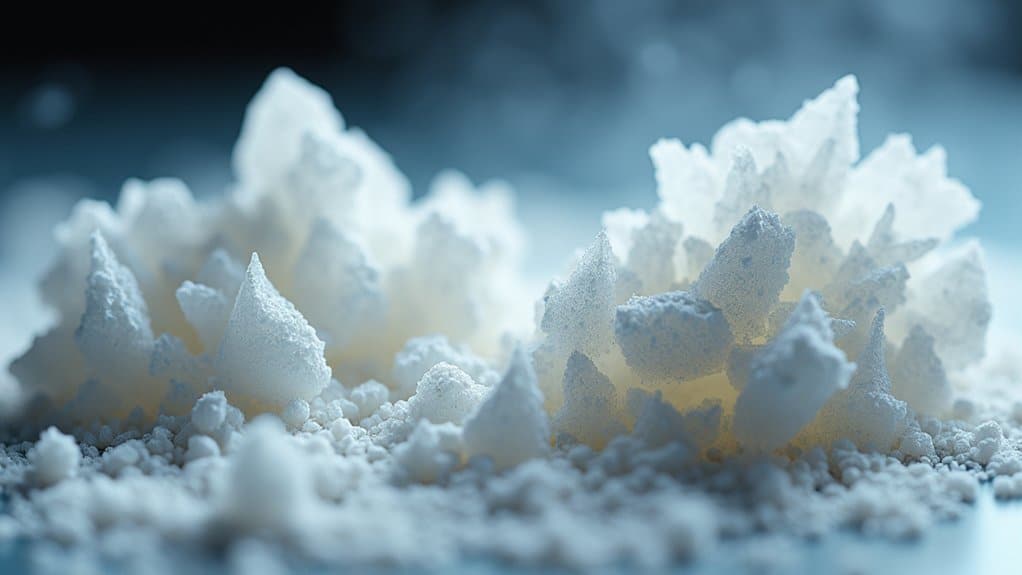
This pattern markedly increases addiction potential. Crack’s quick brain delivery intensifies cravings, accelerating dependency development compared to powder cocaine’s more gradual absorption. The effects of crack do not last long, which can lead to a cycle of repeated use as users chase the initial euphoria. While snorted powder cocaine takes several minutes to reach peak effects, smoking crack delivers an almost instantaneous high, making the reinforcement cycle significantly more intense. Despite these differences in onset and intensity, there is little pharmacological difference between the two forms once they enter the body.
The Effects of Crack Cocaine
The effects of crack cocaine are quick, intense, and addictive. Each hit produces almost immediate results that are short-lived, causing users to take repeated doses to maintain their high.
Physical Warning Signs of Crack Use
Beyond the rapid onset of addiction, crack cocaine produces distinct physical markers that clinicians, family members, and users themselves can identify. The drug’s effects on your CNS, cardiovascular system, and lungs create observable symptoms that serve as diagnostic indicators.
Crack cocaine leaves visible physical evidence on the body that doctors, loved ones, and users can recognize as diagnostic warning signs.
You’ll notice these key physical warning signs:
- Respiratory complications: You may develop persistent cough, shortness of breath, and chest pain as crack damages your lungs through repeated inhalation.
- Cardiovascular strain: Your cardiovascular system shows heightened heart rate, hypertension, and palpitations indicating cardiac stress.
- Oral and dermal damage: You’ll exhibit burned lips, finger blisters, and severe tooth decay from pipe use.
- Nutritional decline: Rapid weight loss and malnutrition occur as CNS stimulation suppresses appetite.
The effects of crack cocaine include:
- Rush of euphoria
- Talkativeness
- Burst of energy
- High blood pressure
- Increased heart rate
- Dilated pupils
- Reduced appetite
- Agitation
- Restlessness
- Reduced inhibitions
- Increased sex drive
Some of the effects of crack cocaine also mimic the signs of cocaine abuse, especially if it is a potent batch. Crack users frequently mix stimulant drugs to extend or enhance their high, which can lead to unforeseen side effects.
Short-Term Effects
The initial effects of crack wear off in under 20 minutes; however, crack cocaine stays in the system longer, causing short-term effects even after the high starts to fade. Studies show that most crack users frequently abuse other drugs and alcohol alongside crack, which can lead to heightened and dangerous side effects.
The 15-Minute High and the Crash That Follows

When you smoke crack cocaine, the drug reaches your brain within 8 seconds, triggering an intense dopamine surge that peaks in 10-15 seconds and sustains euphoria for approximately 15 minutes. This short-term euphoria creates feelings of energy, focus, and invincibility through rapid dopamine system activation.
| High Phase | Crash Phase |
|---|---|
| Intense pleasure rush | Severe depression |
| Heightened energy | Extreme fatigue |
| Feelings of invincibility | Intense cravings |
| Peak focus | Paranoia and irritability |
| 15-minute duration | Immediate onset post-high |
The crash produces powerful crack cocaine effects including anxiety, restlessness, and aggressive behavior. Your body experiences drained energy after the false burst, driving repeated use to avoid these negative symptoms and increasing overdose risk.
What Crack Does to Your Body Within Minutes
Although the euphoric high lasts only 15 minutes, crack cocaine triggers a cascade of dangerous physiological responses within seconds of inhalation. The stimulant effects crack cocaine produces begin when smoke enters your lungs and rapidly reaches your bloodstream. You’ll experience immediate cardiovascular and neurological impact as the drug floods your brain’s reward centers.
Physical signs you’ll notice immediately:
- Your pupils dilate prominently while your heart rate and blood pressure spike dangerously
- Your blood vessels constrict throughout your body, reducing oxygen flow to essential organs
- Your body temperature rises sharply, accompanied by sweating and muscle twitches
- Your respiratory system becomes irritated, causing wheezing and chest pain
These responses indicate your body’s acute distress state.
Short-term side effects of crack include:
- Nausea
- Vomiting
- Headache
- Coughing
- Increased body temperature
- Paranoia
- Anxiety
- Diarrhea
- Itchy skin
- Dizziness
- Twitching
- Erratic behavior
- Intense cravings for more crack
- Sore throat
- Runny nose
- Bloodshot eyes
- Burns around the mouth and fingers
- Violent outbursts
- Jaw clenching
- Teeth grinding
- Skin picking
- Insomnia
The short-term effects of crack will vary based on the potency of each batch and how long each user’s binge lasts. Even with first-time crack use, there is always a risk of unforeseen complications, including overdose and sudden death.
Long-Term Side Effects
Crack can cause long-term side effects and permanent damage in a short amount of time. Chronic crack users quickly develop tolerance and need higher doses more frequently to feel the same effects.
How Crack Damages Your Heart Over Time
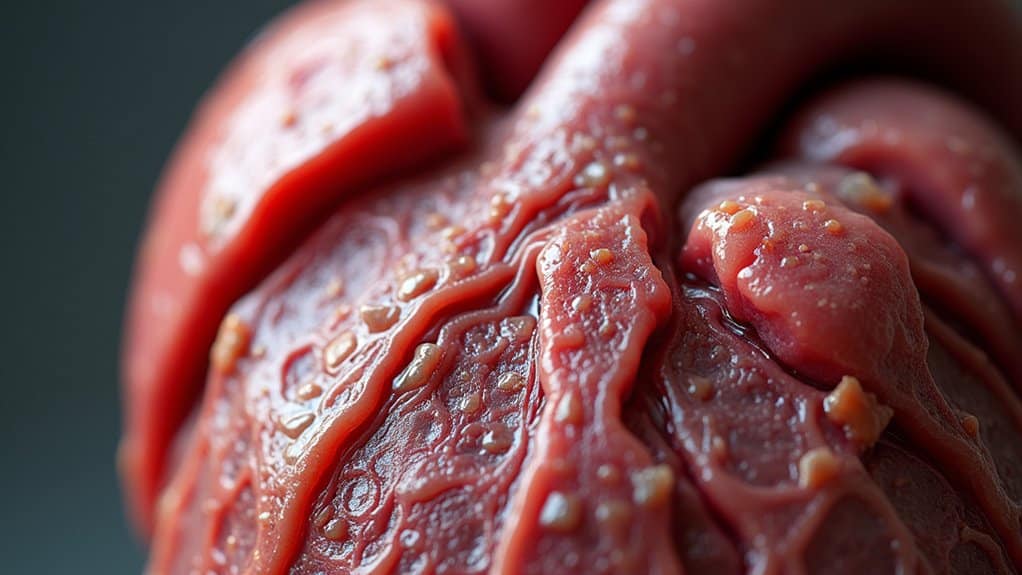
When you use crack cocaine repeatedly, your blood vessels constrict and your blood pressure spikes, forcing your heart to work harder while receiving less oxygen. This dangerous combination damages vessel linings, promotes clot formation, and thickens your heart muscle walls over time. You’re at heightened risk for heart attacks even if you’re young and otherwise healthy, as crack triggers arrhythmias and coronary artery spasms that can prove fatal.
Blood Pressure Dangers
Crack cocaine triggers an immediate sympathomimetic response that heightens your blood pressure through direct central nervous system stimulation. This vasoconstriction forces your heart to work harder while reducing oxygen delivery to cardiac tissue. The long-term health risks compound with continued use, creating persistent hypertension even after 48 hours of abstinence.
Key Blood Pressure Dangers from Crack Cocaine:
- Chronic hypertension prevalence reaches 18% in middle-aged users, with sustained readings above 140/90 mmHg
- Arterial stiffness increases through reduced aortic compliance and amplified pulse wave velocity
- Endothelial dysfunction triggers endothelin-1 release, amplifying vasoconstriction beyond crack cocaine’s direct effects
- Regulatory mechanism disruption prevents your body from naturally controlling blood pressure levels
These cardiovascular changes occur independently of age, smoking status, and alcohol consumption.
Heart Attack Risks
Beyond the blood pressure dangers already discussed, crack cocaine directly threatens your heart through multiple pathophysiological pathways that dramatically elevate myocardial infarction risk.
You face a seven-fold increased risk of heart attack compared to non-users. Crack creates a dangerous oxygen mismatch, it simultaneously increases your heart’s oxygen demand while decreasing supply through vasoconstriction and coronary spasm. This dual mechanism triggers sudden, severe reductions in cardiac blood flow.
The damage compounds over time. Among long-term users, 71% show cardiovascular disease on cardiac imaging. Crack damages your vessel lining, initiating arteriosclerosis and coronary artery disease. It promotes platelet adherence and thrombus formation, further restricting oxygen delivery.
Your risk intensifies with higher doses and frequent use. Non-fatal heart attacks occur in 5.1% of users presenting with acute coronary symptoms.
Long-Term Respiratory Effects of Smoking Crack
When you smoke crack cocaine regularly, you’re exposing your lungs to severe damage that can trigger crack lung syndrome, a condition marked by diffuse alveolar hemorrhage, fever, and dyspnea within 48 hours of use. You’ll face escalating risks of respiratory failure as thermal injury, barotrauma, and vasospasm compound to destroy your alveolar-capillary membrane. Over time, you’re likely to develop chronic breathing complications including COPD, chronic bronchitis, and permanent impairment in your lungs’ ability to exchange oxygen.
Crack Lung Syndrome
Smoking crack cocaine can trigger a severe acute pulmonary syndrome known as “crack lung,” which develops within 48 hours of inhalation and involves diffuse alveolar damage with hemorrhagic alveolitis. You’ll experience dyspnea, fever, chest pain, and hemoptysis as primary symptoms. Black mucus indicates significant respiratory tract damage.
Diagnostic imaging reveals characteristic findings:
- Chest radiographs show diffuse alveolar infiltrates and ground-glass opacities
- High-resolution CT scans display multifocal ground-glass attenuation with interlobular septal thickening
- Bronchoalveolar lavage contains carbonaceous debris and hemosiderin-laden macrophages
- Eosinophil counts exceeding 25% indicate acute eosinophilic pneumonia requiring corticosteroids
Treatment centers on supportive care with oxygen supplementation and conservative fluid management. When you discontinue cocaine use, radiographic abnormalities typically clear within 36 hours, and hypoxemia resolves spontaneously without complications.
Respiratory Failure Risks
Chronic crack cocaine inhalation produces cumulative pulmonary damage that considerably elevates your risk of respiratory failure. The destruction of alveolar walls and capillaries progressively impairs your lungs’ ability to oxygenate blood. You’ll experience persistent gas exchange abnormalities, with oxygen saturation dropping to critically low levels, reported cases show readings as low as 60% on room air.
Your respiratory system faces multiple failure pathways. Vasospasm-induced ischemia damages lung tissue, while thermal injury from smoking destroys your respiratory epithelium. Barotrauma from inhalation pressure increases alveolar rupture risk. Within 48 hours of smoking, you may develop hypoxemic failure accompanied by sinus tachycardia and fever. Hemosiderin-laden macrophages in your lungs indicate hemorrhagic damage, signaling progression toward complete respiratory failure requiring immediate medical intervention.
Chronic Breathing Complications
Beyond acute respiratory failure, prolonged crack cocaine use produces irreversible pulmonary pathology that manifests as distinct chronic breathing complications. You’ll experience progressive deterioration of respiratory function through multiple mechanisms.
Documented Chronic Complications:
- Airflow obstruction, Heavy habitual smokers averaging 6.6 grams weekly develop obstructive ventilatory abnormalities in large airways within 27 months of use.
- Alveolar-capillary damage, You sustain significant impairment in diffusing capacity as alveolar walls deteriorate, preventing adequate oxygen transfer into your bloodstream.
- Chronic bronchitis and COPD, Persistent cough, sputum production, and progressive shortness of breath on exertion indicate irreversible airway disease.
- Increased infection susceptibility, Your compromised respiratory system becomes vulnerable to pneumonia and tuberculosis due to damaged pulmonary defense mechanisms.
These conditions require ongoing clinical monitoring and targeted pulmonary rehabilitation interventions.
Long-term effects of crack include:
- Migraines
- Depression
- Anxiety
- Cocaine-induced psychosis
- Narrow and hardened blood vessels
- Heart damage
- Soft tissue damage in the nose, mouth, and throat
- Loss of a sense of smell
- Ulcers
- Crack lung
- Chronic respiratory problems
- Weightloss
- Malnutrition
- Dental decay
- Inability to feel pleasure
- Nerve damage
- Cognitive decline
- Sexual dysfunction
- Decaying bowels
- Loss of motor control
- Memory loss
- Hallucinations
- Open sores in and around the eye
- Slow healing wounds
- Increased risk of stroke
- Increased risk of heart attack
- Urges to self-harm
- Suicidal or violent intrusive thoughts
- Lack of impulse control
- Seizures
- Withdrawal
How Crack Destroys Your Liver, Kidneys, and Gut
When crack cocaine enters your bloodstream, it triggers a cascade of damage that extends far beyond the brain and heart, your liver, kidneys, and gastrointestinal tract bear significant toxic burden.
Your liver metabolizes cocaine through cytochrome P-450 enzymes, creating toxic byproducts that overwhelm filtering capacity. Raised liver enzymes signal impaired function, while fulminant hepatic failure can develop within 48 hours of excessive use. Mixing alcohol produces cocaethylene, compounding hepatotoxicity.
Your kidneys suffer from cocaine-induced vasoconstriction, reducing blood flow and causing ischemia. Rhabdomyolysis releases muscle toxins that flood renal tissue, potentially triggering failure. Creatinine phosphokinase levels exceeding 100,000 U/L indicate severe kidney-liver-muscle syndrome.
Your gut experiences diminished blood flow from vasoconstriction, resulting in bowel ischemia. Adulterants amplify gastrointestinal injury, creating a spectrum of potentially life-threatening complications.
How Crack Rewires Your Brain Permanently
Although crack’s immediate effects target your brain’s reward pathways, the drug simultaneously initiates structural changes that persist long after your last hit. Even a single dose alters perineuronal nets in your prefrontal cortex, disrupting the protective barriers that regulate neuronal connections.
Your brain undergoes permanent neuroplasticity changes through these mechanisms:
- ΔFosB accumulation mediates over 25% of gene expression changes in your nucleus accumbens, promoting structural neuron alterations
- TGF-beta activation sustains long-term rewiring that controls addictive behaviors
- Network connectivity disruption between your default mode and salience networks impairs impulse control
- CDK5 stimulation drives abnormal nerve cell growth patterns
These alterations explain why cravings persist months or years after abstinence, making crack addiction a chronic neurological condition requiring targeted treatment.
Can Your Body Recover After Quitting Crack?
Your brain’s structural damage from crack use raises an immediate question: can your body actually heal after you stop using?
The answer is conditionally yes. Physical symptoms typically resolve within one to three months, depending on your tolerance level, addiction severity, and individual body chemistry. Your mood stabilizes in approximately one month as dopamine pathways begin recalibrating.
However, recovery isn’t linear. You’ll experience acute withdrawal within 30 to 72 hours after your last use, featuring paranoia, body aches, and insomnia. Days three through seven bring extreme fatigue and irritability. By weeks two through four, most physical symptoms subside, though cravings and depression may persist.
Post-acute withdrawal syndrome can extend recovery, causing anhedonia and emotional instability for months. Stress-triggered cravings may surface years later due to lasting dopamine depletion.
Long-term crack cocaine use puts crack users at risk of contracting contagious diseases like HIV and hepatitis from sharing drug paraphernalia and risky sexual behaviors. Furthermore, because crack constricts blood vessels, any injury, specifically open sores, heal very slowly and are susceptible to severe infections.
In addition to the devastating health consequences, crack cocaine can lead to numerous social, financial, and legal repercussions.
Addiction Treatment for Crack Cocaine in Northridge, California
Crack cocaine addiction can make people feel isolated, hopeless, and reluctant to seek addiction treatment, causing them to perpetuate the cycle of abuse. However, evidence-based, effective treatment is not only available but more accessible than people realize.
At Northridge Addiction Treatment Center, we offer onsite medical detox to get you through withdrawal safely with around-the-clock medical care and support. Our residential treatment center has a superior staff-to-resident ratio to ensure each person gets the individual attention and guidance they need.
Once you’ve conquered medically supervised detox, we work closely with you to uncover the roots of your addiction and find the best approaches to help you learn healthy skills and self-reliance to achieve long-term recovery.
Contact us to discuss your treatment options. Your health insurance benefits may cover the entire cost of treatment. The best time to start on the path to recovery is right now.
Frequently Asked Questions
How Long Does Crack Cocaine Stay Detectable in Urine or Blood Tests?
You’ll test positive for crack cocaine in urine for 2-4 days after occasional use, though heavy use extends detection to 7-14 days. Blood tests detect cocaine metabolites for only 12-48 hours, making them useful for confirming recent use. Your metabolism, kidney function, dosage amount, and frequency of use all influence these windows. Tests identify benzoylecgonine, cocaine’s primary metabolite, rather than the drug itself.
Is Crack Cocaine More Addictive Than Other Illegal Drugs Like Heroin?
You’re asking about a complex comparison. Crack cocaine ranks among the most addictive substances due to its immediate, intense euphoric rush lasting just 5-10 minutes, which drives compulsive redosing. While both crack and heroin produce severe dependence, the available data doesn’t provide direct quantitative comparisons of their addictiveness. You should know that crack’s rapid onset and short duration create a particularly reinforcing cycle that accelerates addiction development.
Can Secondhand Crack Smoke Harm Children or Pregnant Women Nearby?
Yes, secondhand crack smoke poses serious health risks to children and pregnant women. If you’re exposed, you should know that infants can test positive for cocaine through passive inhalation alone. Children face increased respiratory infections, wheezing, and slowed lung development. During pregnancy, exposure correlates with lower birthweight and fetal complications. Research also links passive crack smoke to heightened SIDS risk in infants. There’s no established safe exposure threshold.
What Medications Are Used to Treat Crack Cocaine Addiction and Withdrawal?
Several medications can help you manage crack cocaine addiction and withdrawal. Propranolol reduces anxiety and improves treatment retention. GABAergic medications like topiramate and baclofen decrease cravings and promote abstinence. Disulfiram may help prevent relapse, while modafinil counters glutamate depletion from chronic use. Clonidine and buspirone address cravings and withdrawal anxiety. The TA-CD vaccine shows promise by stimulating antibodies that reduce cocaine’s euphoric effects. Your doctor will tailor treatment to your specific needs.
How Much Does Crack Cocaine Addiction Treatment Typically Cost in America?
You’ll find treatment costs vary considerably based on care intensity. Outpatient programs typically run $1,450, $11,000 for three months, while intensive outpatient costs $3,000, $10,000 for 90 days. Residential treatment averages $42,500 nationally, with 30-day inpatient programs ranging $6,000, $30,000. Medical detox costs $3,500, $10,500 for seven days. State averages differ drastically, Wyoming’s highest at $65,975 versus Idaho’s lowest at $42,195. Insurance coverage, facility type, and program duration directly impact your final expenses.