In the United States, dangerous substances like ZaZa Red, nicknamed gas station heroin by poison control and law enforcement agencies, are often sold as dietary supplements to get around regulations from the Food and Drug Administration (FDA). This mislabeling gives the false impression to people that Zaza Red is a safer or natural alternative to other drugs, leading to misuse, addiction, and overdoses.
ZaZa Red has become widespread enough in southern states that Alabama and Tennessee enacted statewide bans, with sheriff departments conducting random searches of gas stations and convenience stores to ensure they comply with the law.
For some people already addicted to the opioid-like effects of ZaZa, the ban will do little to deter them from crossing state lines to find it or turning to other opioids. Ironically, even though many people take Zaza Red to ease their opioid withdrawal symptoms, tianeptine withdrawal is very similar and, in some cases, even more intense, depending on the length and frequency of use.
ZaZa Red contains tianeptine sodium, a compound that activates your mu-opioid receptors similarly to heroin, triggering euphoria and dangerous respiratory depression. Alabama banned the substance after emergency rooms saw waves of patients presenting with severe withdrawal symptoms, with roughly one-third requiring ICU admission. You’ll find tianeptine products marketed as dietary supplements or nootropics at gas stations, though concentrations vary wildly between batches. Understanding the full state-by-state regulatory landscape reveals critical gaps in enforcement.
What Is ZaZa Red?
ZaZa Red, also called Tiana Red, ZaZa, or Tiana, is sold in the United States as a dietary supplement and mood booster but is a highly addictive synthetic drug.
Commonly sold in gas stations and convenience stores, ZaZa Red comes in pill, capsule, or liquid form. The Food and Drug Administration (FDA) has not approved ZaZa Red for medical use and warns that consuming unregulated supplements can lead to overdoses and dangerous drug interactions.
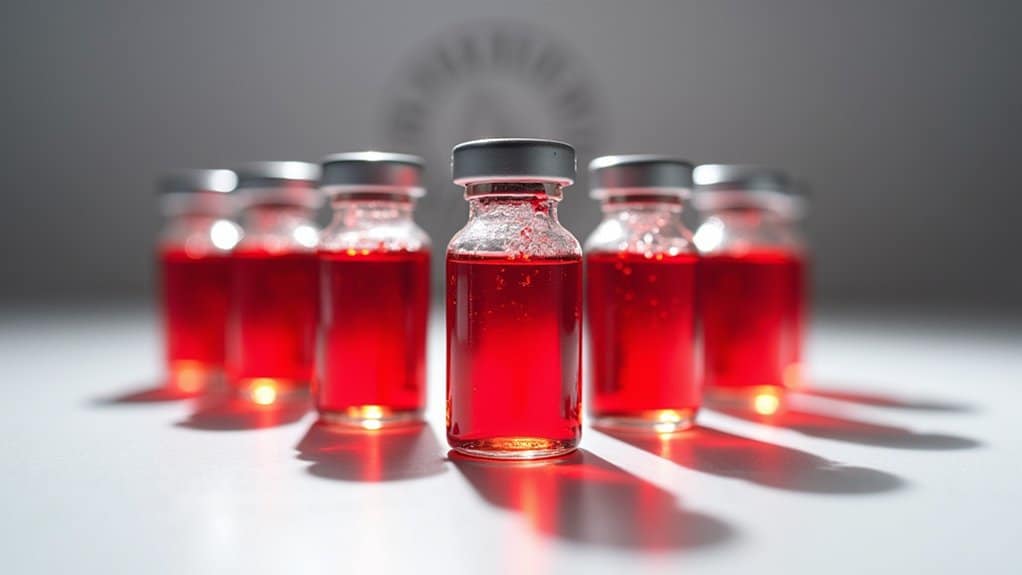
ZaZa Red contains tianeptine sodium as its active ingredient, a compound originally developed in France as an antidepressant but never approved by the FDA for use in the United States. You’ll find it sold in red and white capsules at gas stations and convenience stores, where it’s marketed as a dietary supplement or nootropic. Consumers often purchase these products seeking improved cognitive function or weight loss benefits. The drug is also commonly known as “gas station heroin” or “Tianna Red” due to its opioid-like effects.
Unlike traditional antidepressants, tianeptine acts as a mu-opioid receptor agonist, which explains why users experience effects similar to opioids. The compound also enhances serotonin reabsorption and modulates glutamatergic neurotransmission while increasing extracellular dopamine concentrations. Recreational users often take up to 100 times the recommended prescription dosage, with some chronic users reporting consumption of up to 2,500mg daily.
Each bottle typically contains 200-250mg of tianeptine sodium across 15 capsules, priced around $25. With a half-life of just 2.5 hours, you’ll need frequent redosing, a pharmacokinetic property that accelerates dependence development.
ZaZa Red is highly addictive because it acts like a combination of antidepressants and opioids. When ZaZa Red ingredients enter the brain, it causes increases in extracellular dopamine, causing intense feelings of relaxation and euphoria while also making users feel content and motivated. Zaza wears off quickly compared to other opioids, with some users taking more doses every four to six hours to maintain their high.
What ZaZa Red Does to Your Body
Understanding tianeptine’s chemical structure explains only part of the picture, what matters equally is how this compound affects your body once it enters your system.
When you consume ZaZa Red, tianeptine binds to your mu-opioid receptors, triggering a heroin-like euphoric rush. You’ll experience sedation, drowsiness, and warm skin flushing. Your pupils constrict, and your extremities feel heavy. These opioid-like effects make tianeptine product risks significant, respiratory depression can slow or stop your breathing entirely.
Tianeptine hijacks your opioid receptors, delivering heroin-like effects that can dangerously slow your breathing.
With repeated use, your body adapts rapidly. Tolerance develops quickly, pushing you toward higher doses. Physical dependence forms, placing tianeptine among highly addictive substances. Long-term consequences include liver damage, sexual dysfunction, and worsening anxiety or depression.
Overdose symptoms progress from agitation and confusion to slowed breathing, coma, and potentially death.
ZaZa Red Ingredients
ZaZa Red’s primary ingredient is tianeptine. Tianeptine is structurally similar to tricyclic antidepressants but is unique because it binds to MU opioid receptors. MU opioid receptors are where opioids like heroin, fentanyl, and prescription opioid painkillers attach to give their addictive effects.
Because ZaZa Red ingredients are unregulated in the United States and sold as a dietary supplement, they can vary, and manufacturers are not required to disclose their proprietary blends.
Several samples of ZaZa pills and liquid shots tested by labs showed plant matter similar to kava and other non-narcotic fillers like vegetable oil. ZaZa Red extra strength pills contained the same ingredients but in more significant amounts.
What Is ZaZa Red Used For?
People use ZaZa Red as a mood booster or as what they believe to be a safer substitute for opioids.
While investigating ZaZa Red, Erowid, a group researching psychoactive drugs, interviewed users about their experiences with Zaza. Many users described the effects as physical relaxation but mental clarity and motivation.
The Food and Drug Administration (FDA) has documented Zaza Red packaging claiming that it helps improve brain function, reduce anxiety, relieve pain, and treat opioid use disorder. None of these claims are scientifically proven, and self-medicating with any substance can be dangerous or lethal.
New Names, Same Drug: How to Spot ZaZa Red Copycats
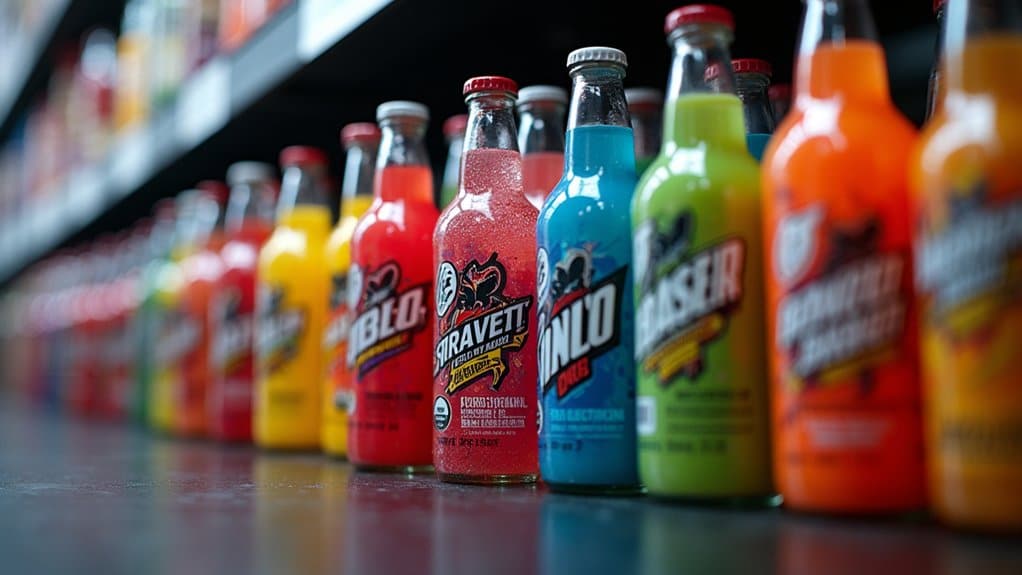
Manufacturers have cycled through brand names to stay ahead of state-level bans, but the active compound remains tianeptine sodium or sulfate. You’ll encounter products like Pegasus, Tianaa, Neptune’s Fix, and Purple Magic, all delivering the same CNS-active opioid agonist effects despite different packaging.
To identify copycats, check for these markers: availability at gas stations or smoke shops, labeling as dietary supplements or nootropics, and pricing around $25 for 15 capsules. The FDA has flagged TD Red alongside ZaZa variants in official warnings. Independent testing reveals Tianna Red contains 125mg tianeptine sulfate per capsule, far exceeding the therapeutic 12.5-50mg range.
You should note that concentrations vary wildly between batches, from zero to triple the labeled dosage. This inconsistency compounds overdose risk regardless of which brand name appears on packaging.
ZaZa Red side effects include:
- Nausea
- Vomiting
- Constipation
- Abdominal pain
- Headache
- Dizziness
- Vivid dreaming
- Drowsiness
- Confusion
- Tremors
- Sweating
- Slowed breathing
- Loss of consciousness
- Withdrawal
Because ZaZa is similar to tricyclic antidepressants, mixing it with alcohol carries additional risks.
Immediately call 911 if you believe someone is overdosing on ZaZa Red. Although ZaZa binds to MU opioid receptors, opioid receptor antagonists like Narcan have not been able to reverse overdoses.
Tianeptine Withdrawal Symptoms
Tianeptine, the main active ingredient in ZaZa Red, is what makes it both highly addictive and causes withdrawal symptoms.
People who habitually combine alcohol and antidepressants like tianeptine will experience additional complicated withdrawal symptoms.
Tianeptine withdrawal symptoms include:
- Agitation
- Confusion
- Drowsiness
- Vomiting
- Sweating
- High blood pressure
- Rapid heartbeat
- Flu-like symptoms
- Twitching
- Muscle cramps and spasms
How Does Zaza Red Withdrawal Compare to Traditional Opioid Withdrawal?
You’ll experience remarkably similar withdrawal profiles because tianeptine activates the same mu-opioid receptors as traditional opioids. Your body develops comparable physical dependence, producing identical symptoms: nausea, muscle aches, sweating, and amplified heart rate within 6-24 hours of cessation. Peak discomfort hits days 1-3, with acute symptoms resolving in 5-10 days. However, tianeptine’s shorter half-life may accelerate onset, while psychological cravings and post-acute symptoms persist for weeks.
What Treatment Options Exist for Zaza Red Addiction and Withdrawal?
You’ll need medical detoxification with 24/7 monitoring since tianeptine’s short 2.5-3 hour half-life triggers rapid withdrawal onset. Medication-assisted treatment manages opioid-like withdrawal symptoms, while IV hydration addresses acute physical needs. Following detox, you’d benefit from evidence-based interventions like CBT and DBT to modify addiction-related thought patterns. Dual diagnosis treatment addresses co-occurring depression or anxiety, and intensive outpatient programs provide ongoing support during recovery.
Tianeptine withdrawal is rarely fatal, but it can be intense and unpredictable. If you plan to stop taking ZaZa Red, you should talk to a medical professional; they may recommend medical detox to ensure your safety during withdrawal.
Alabama Department of Public Health
In the United States, most new drugs emerge in states that border other countries or international waters because that is where they’re the easiest to smuggle in. Interestingly, ZaZa Red is most prevalent in the South, with states like Alabama, Georgia, and Tennessee seeing a drastic increase in emergency department visits and poison control calls involving tianeptine exposure and overdoses.
On March 15, 2021, the Alabama Department of Public Health (ADPH) legally declared products containing tianeptine schedule II controlled substances and banned gas stations, convenience stores, and other places from selling them. The Dekalb County Sheriff’s Department gave business owners 48 hours to remove the products from their shelves or face fines and legal penalties, including felony charges.
How ZaZa Red Overdoses Sparked Alabama’s Ban

Before Alabama enacted its statewide ban, a toxicologist at UAB Medical Center faced an alarming pattern in 2019, patients flooding emergency rooms with severe withdrawal symptoms that didn’t match typical opioid presentations. You’d see agitation, myoclonic jerking, and gastrointestinal distress requiring high-dose sedatives. The Alabama Poison Information Center documented minimal tianeptine calls in prior years before this sudden spike.
The overdose potential of zaza red became undeniable when approximately one-third of patients required ICU admission. The CDC approved an investigation team in November 2019, but COVID-19 canceled deployment before they could trace gas station supply chains.
ADPH leveraged clinical research to pressure legislators, resulting in Alabama’s March 17, 2021 ban. When zaza red disappeared from shelves, a withdrawal surge confirmed the substance’s grip on users statewide.
A week after the ban in Alabama became effective, ADPH and poison control reported an influx of emergency calls from people experiencing severe withdrawal symptoms. In June, Tennessee followed suit and banned all products containing tianeptine.
While Alabama has banned ZaZa Red, Georgia and most other states have yet to take action to limit its spread. Conflicting laws and easy interstate travel make regulating and reducing the availability of ZaZa difficult. Adding to that is that the illicit drug market always seems to be one step ahead of law enforcement and creating new drugs to skirt existing laws.
Where Is ZaZa Red Banned? State-by-State List
Alabama’s 2021 ban triggered a regulatory cascade across the United States, with states implementing varying levels of tianeptine control based on documented overdose data and poison center reports.
You’ll find thorough bans in Georgia, Michigan, Tennessee, and Oklahoma, which followed Alabama’s lead. Florida, Indiana, Kentucky, Ohio, Mississippi, and Arkansas enacted retail sale prohibitions. Virginia added tianeptine to Schedule I drugs in 2025, while Delaware’s House Bill 21 prohibits manufacturing and selling tianeptine-containing products.
Despite these regulatory actions, the DEA hasn’t federally scheduled tianeptine. Pennsylvania and New Jersey lack state-level bans, leaving enforcement gaps. You can still purchase products like ZaZa, Tianaa, and Neptune’s Fix through gas stations and online retailers in unregulated states. The FDA’s safety alerts from 2023-2025 haven’t eliminated availability where state restrictions don’t exist.
Medical Detox and Substance Use Disorder Treatment
If you or a loved one have been self-medicating with or become addicted to ZaZa Red or any other substances, compassionate help is available.
At Northridge Addiction Treatment Center, we specialize in treating substance use disorders with evidence-based treatments that address the roots of addiction and prioritize your health and comfort.
We offer onsite medical detox to ensure your withdrawal experience is as safe as possible with 24-hour medical care and support. Our licensed and experienced team works closely with you to develop and follow a personalized treatment plan that allows you to overcome addiction and start your unique path to recovery.
Reach out to us today. Our caring treatment specialists are eager to get you the help you need.
Frequently Asked Questions
Can Tianeptine Show up on a Standard Drug Test?
No, tianeptine won’t show up on your standard drug test. Standard 5-panel and 10-panel screenings don’t detect it because it’s classified as an atypical antidepressant, not a traditional opioid. You’d need specialized testing like liquid chromatography-mass spectrometry (LC-MS) or gas chromatography-mass spectrometry (GC-MS) for accurate detection. These tests must be explicitly requested. Tianeptine’s short 2.5-hour half-life further narrows detection windows, making timing critical for identification.
Is Zaza Red Legal to Order Online From Other States?
You can technically order ZaZa Red online from states where it’s legal, since there’s no federal DEA scheduling. However, if you’re in Alabama, Florida, or other states with bans, possessing tianeptine remains illegal regardless of where you ordered it. The product crosses state lines through mail delivery, exploiting gaps between state-level restrictions and federal oversight. You’d face legal consequences for possession in banned jurisdictions despite the interstate purchase.
Are Doctors Allowed to Prescribe Tianeptine for Depression in the US?
No, you can’t obtain a legal prescription for tianeptine in the US. The FDA hasn’t approved tianeptine for any medical indication, which means physicians can’t prescribe it, even off-label prescribing isn’t permitted since the drug lacks baseline approval. While tianeptine functions as a prescription antidepressant in Europe, Latin America, and Asia, its mu-opioid receptor agonism and associated adverse event profile have kept it outside FDA’s approval pathway domestically.