Percocet is a combination of oxycodone and acetaminophen used to treat moderate to severe pain.
Because there is a high risk of addiction, abuse, and misuse, doctors only prescribe Percocet when they believe the potential benefits outweigh the risks.
Percocet is not meant for long-term use. Adults taking Percocet should follow the dosing schedule and amount provided by their doctor or pharmacist to prevent abuse and addiction.
Percocet comes in five strengths, with oxycodone ranging from 2.5mg to 10mg paired with 325mg to 650mg of acetaminophen. You’ll typically start at the lowest effective dose, taking tablets every 4-6 hours as needed for pain. Your daily acetaminophen intake shouldn’t exceed 4 grams, which limits higher-strength formulations to 6 tablets daily. Understanding maximum thresholds, drug interactions, and overdose warning signs helps you use this medication safely.
What Is Percocet?
Percocet is a prescription pain killer made from oxycodone and acetaminophen. It belongs to a class of drugs called opioid analgesics, which act on opioid receptors in the brain to provide pain relief.
Percocet is an analgesic and opioid combination medication approved by the Food and Drug Administration (FDA) to treat short-term moderate to severe pain and chronic pain.
The goal of Percocet is to make pain tolerable; it will not make a person pain-free.
The oxycodone component of Percocet is the opioid half of the medication that works as a central nervous system depressant to help relieve pain by decreasing the pain signals to the brain.
The other ingredient of Percocet, acetaminophen, is an anti-inflammatory found in many over-the-counter pain relievers. It is used to relieve pain and reduce fever.
Acetaminophen is a non-opioid medication that works in the hypothalamus part of the brain. It also stops the body from producing the chemical prostaglandin, responsible for causing swelling throughout the body.
What Is Oxycodone?
Oxycodone is a semi-synthetic potent opioid with a high potential for abuse, although it is FDA-approved for managing chronic pain when other treatments are not enough.
It is the base for several different opioid analgesics or can be prescribed by itself under other brand names such as Tylox, Percodan, and OxyContin.
The Drug Enforcement Administration (DEA) reports that oxycodone has historically been a popular narcotic of abuse with street names including:
- Perc
- Kicker
- OC
- Ox
- Roxy
- Oxy
Is Oxycodone the Same as Percocet?
Despite being one of the ingredients in Percocet, oxycodone and Percocet are not the same.
The acetaminophen in Percocet makes it more effective in treating some types of pain than oxycodone or other opioid medications by themselves.
Mixing oxycodone and acetaminophen, whether in the form of Percocet or from mixing prescription and over-the-counter medications, has been linked to cases of acute liver damage.
Liver failure at times can lead to jaundice, which can lead to more severe complications, including brain damage.
How Often Can You Take Percocet?
The average recommended timing of adult doses is every four to six hours as needed for pain. Although, how often you take Percocet will depend on what your doctor prescribed, your level of pain, and other physical factors.
When taking Percocet or any pain medication, the lowest, most infrequent dose is the best idea to decrease the risk of addiction, abuse, and misuse.
Some people become immune to the effects of acetaminophen and opioids and could require a higher dose to feel the relief from the medication.
The total daily dose of acetaminophen should not exceed 4000 miligrams/4 grams.
Always talk to your doctor before changing your dosing schedule or amount.
If you are pregnant, plan to become pregnant, or breastfeeding, you should not take Percocet. Opioids can affect unborn babies’ development and are passed to babies through breast milk.

Doses of Percocet
Percocet 325mg is the lowest dose and typically what doctors will prescribe to start and adjust the amount as needed. However, doctors will tailor Percocet doses to each patient based on their physical factors, the level of pain, and how they respond to the medication.
Percocet is usually dispensed in a tablet form to be taken orally for adults. When looking at a prescription for Percocet, mg indicates the dosage amount.
Each dose of Percocet has a distinct color and shape, making it easy to distinguish. Below are the doses, how often to take them, and what the pill will look like, based on prescriptions for adults:
Percocet Dosage by Strength: 2.5mg to 10mg Formulations
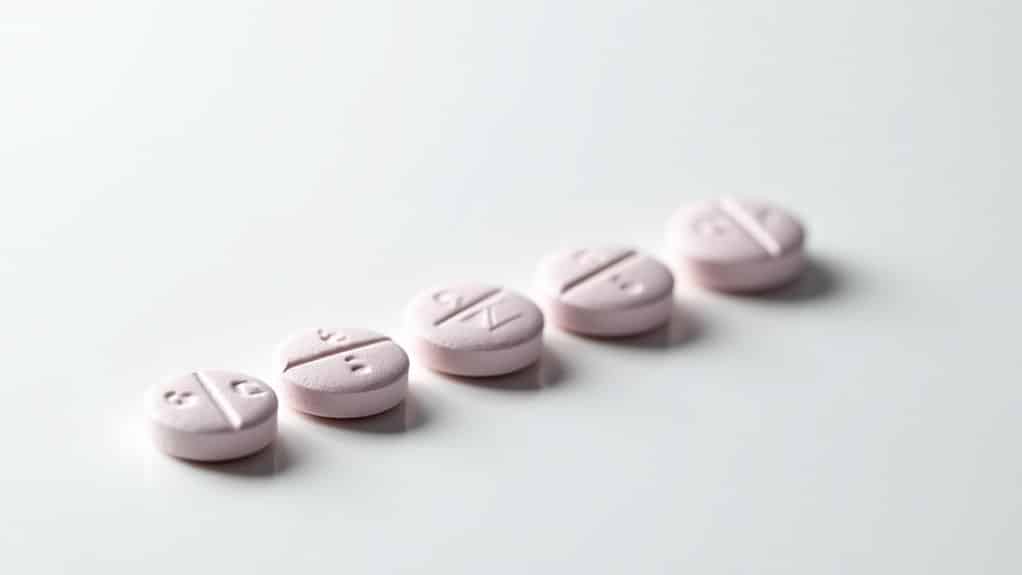
Percocet comes in five standard formulations, each combining oxycodone with acetaminophen at different strengths to address varying pain intensities.
The 2.5 mg/325 mg tablet represents the weakest formulation, typically serving as your initial starting dose. You can take one to two tablets every six hours, with a maximum of 12 tablets daily. The 5 mg/325 mg version treats mild to moderate pain, while the 7.5 mg/325 mg formulation addresses moderate pain requiring increased opioid potency.
For severe pain, you’ll find the 10 mg/325 mg tablet, limited to six tablets daily due to higher oxycodone concentration. The strongest available option combines 10 mg oxycodone with 650 mg acetaminophen, requiring dose tapering upon discontinuation. Higher acetaminophen variants demand careful monitoring to prevent liver damage. Patients with hepatic impairment should initiate treatment at lower doses with careful titration and ongoing monitoring.
2.5 mg/325 mg
Percocet 2.5 mg/325 mg
Pink color, oval shape, one side engraved with “Percocet,” the other with “2.5”
Dosage: One to two tablets every 6 hours as needed for pain
Maximum Daily Dose: 12 tablets
5 mg/325 mg
Percocet 5 mg/325 mg
Blue color, circle shape, one side engraved with “Percocet,” the other with “5”
Dosage: One tablet every 6 hours as needed for pain
Maximum Daily Dose: 12 tablets
7.5 mg/325 mg
Percocet 7.5 mg/325 mg
Peach color, oval shape, one side engraved with “Percocet,” the other with “7.5/325”
Dosage: One tablet every 6 hours as needed for pain
Maximum Daily Dose: 8 tablets
10 mg/325 mg
Percocet 10 mg/325 mg
Yellow color, capsule shape, one side engraved with “Percocet,” the other with “10/325”
Dosage: One tablet every 6 hours as needed for pain
Maximum Daily Dose: 6 tablets
Maximum Daily Limits and Acetaminophen Thresholds
Two critical thresholds govern your safe Percocet use: the 4-gram daily acetaminophen ceiling and the 60mg oxycodone cap across higher-strength formulations. Exceeding either limit amplifies dangerous oxycodone acetaminophen effects, including hepatotoxicity and respiratory depression.
Your tablet limits vary by strength. You can take up to 12 tablets daily of 2.5mg/325mg or 5mg/325mg formulations, while 10mg/325mg caps at 6 tablets. These restrictions keep acetaminophen below 4 grams and oxycodone within safe bounds.
Overdose risk escalates dramatically when you surpass these thresholds. Opioid-naive patients face respiratory depression at just 40mg oxycodone, and acetaminophen above 7,000mg daily becomes potentially fatal. If you have hepatic impairment, you’ll need lower starting doses with careful titration to prevent liver damage.
Pediatric Percocet Dosing Guidelines

Pediatric oxycodone dosing demands strict weight-based calculations, with the Harriet Lane Handbook recommending 0.05-0.15 mg/kg/dose every 4-6 hours or a total daily range of 0.2-0.9 mg/kg/day.
For children under 11 years, you’ll find no standardized Percocet dosages exist, physicians must individualize each prescription. Children 11 years and older require documented opioid tolerance, specifically a minimum 20 mg/day oxycodone equivalent for at least five days before receiving extended-release formulations. Safety and efficacy for pediatric use have not been established, making careful physician oversight essential.
You must also monitor acetaminophen intake carefully. Children under two years shouldn’t exceed 60 mg/kg/day, while those two and older can receive up to 75 mg/kg/day, never surpassing 4 g daily overall.
Effective opioid pain management in pediatric patients requires pre-administration pain assessment and ongoing monitoring. If standard doses prove insufficient, you should reassess the treatment plan promptly.
Drug Interactions That Affect Percocet Dosage
Several drug categories drastically alter Percocet’s metabolism, efficacy, and safety profile, requiring careful dosage adjustments or complete avoidance.
CNS depressants pose significant risks when combined with Percocet. Alcohol, benzodiazepines, and barbiturates intensify respiratory depression, potentially causing coma or death. The FDA warns against concurrent use of opioids with these substances.
CYP3A4 inhibitors like erythromycin and ketoconazole increase oxycodone plasma concentrations, requiring dosage reduction and close monitoring. Conversely, CYP3A4 inducers such as carbamazepine accelerate metabolism, diminishing pain relief and potentially necessitating dosage increases.
You must avoid MAOIs for 14 days before starting Percocet to prevent serotonin syndrome. Combining additional opioids like hydrocodone or fentanyl overwhelms the CNS, escalating overdose risk. Mixed agonist/antagonists may trigger withdrawal symptoms, requiring complete avoidance during treatment. Patients should also be aware that grapefruit and grapefruit juice can increase drug levels in the bloodstream, leading to heightened drowsiness, dizziness, and overdose risk.
What if I Miss or Skip a Dose?
Because Percocet is an as-needed medication, missing a dose will not have harmful side effects; it may be a sign the pain is resolving if you don’t feel the need for it.
If you realize you missed the dose close to when you usually take it and are in pain, take your scheduled amount.
If you are close to your next scheduled dose, wait until then, and resume your regular dosing schedule.
Never double up doses or take two doses close together; doing so increases risks of side effects or reactions, including nausea, vomiting, diarrhea, breathing problems, and opioid overdose.
If you take Percocet regularly, you will likely develop physical dependence. You need to consult your doctor or pharmacist before you stop taking it.
Many medical professionals recommend tapering off Percocet to decrease the risk of side effects and withdrawal.
Where Do I Store It?
Percocet should be kept at room temperature in a dry area.
Keep Percocet out of reach from children to avoid poisoning. If it is possible to keep medications in a locked cabinet or safe, that is the best option.
Pre-sorting and storing your Percocet in a pillbox can help you remember to take your dosage on time or recall if you took it already to avoid taking a second dose.
How Do I Dispose of It?
If your Percocet has expired or you are no longer taking it, you must dispose of it properly.
According to the Food and Drug Administration (FDA), Percocet is on the “safe to flush” list of medicines that you can dispose of in the toilet.
If you are not comfortable flushing medication, you should mix it with something that will make it undesirable or impossible to consume, like coffee grounds, rotten leftovers, cat litter, or liquid waste.
You can find year-round disposal sites for prescriptions, drugs, and supplements through the DEA and the Department of Justice (DOJ).
Side Effects
Side effects of Percocet can range from mild to severe to life-threatening.
High doses or prolonged use increase the chance of side effects. Additionally, Percocet contains both acetaminophen and oxycodone, so both can cause more serious side effects.
Before taking Percocet, you should talk to your doctor or pharmacist about what to expect and what side effects may need extra medical attention.
Side effects of Percocet include:
- Constipation
- Nausea and vomiting
- Dizziness
- Dry mouth
- Sweating
- Headache
- Tiredness
- Rash
- Flushed skin
- Diarrhea
- Abdominal pain
- Shortness of breath
- Confusion
- Itching
- Euphoria
- Anxiety
- Coughing
Percocet can decrease respiratory drive, so call your doctor right away if you have a history of asthma and experience breathing problems. If any symptoms don’t go away or become extremely uncomfortable, seek medical attention as soon as possible.

Adverse Effects
Percocet is known to have adverse effects, especially when taken longer than recommended or mixed with other substances.
Some of Percocet’s common adverse reactions include:
- Physical dependence
- Opioid addiction
- Chronic obstructive pulmonary disease
- Liver disease
- Muscle weakness
- Increased blood pressure
- Changes in taste
- Heartburn
- Hearing loss
- Tinnitus or ringing or buzzing in one or both ears
- Fatigue
- Chest pain
- Asthma
- Decreased sexual drive
- Trouble swallowing
- Constipation
- Insomnia
- Depression
- Anxiety
- Suicidal thoughts
- Seizures
If these or any other symptoms do not resolve on their own or become intolerable or life-threatening, seek medical attention as soon as possible.
Withdrawal Symptoms
Your body can quickly become physically dependent on Percocet; while this doesn’t necessarily mean you developed an addiction, you will still experience withdrawal symptoms if you stop taking Percocet.
Common Percocet withdrawal symptoms include:
- Irritability
- Restlessness
- Depression
- Anxiety
- Sweating
- Decreased respiratory drive
- Changes in heart rate
- Muscle spasms
- Loss of appetite
- Nausea and vomiting
- Fluctuating body temperature
- Chills
- Headache
- Fatigue
- Chest pain
- Lightheadedness
- Dizziness
- Change in menstruation
- Panic attacks
- Excess saliva
Always consult your doctor or pharmacist before you stop taking Percocet. Your doctor can help you plan to taper your dose to avoid severe withdrawal symptoms safely.
Medically supervised detox might be the safest way to quit taking Percocet with long-time drug abusers.
Overdose
Percocet is an opioid-based medication, which means overdoses are common and often fatal. According to the Centers for Disease Control and Prevention (CDC), even relatively low doses of opioids are associated with overdose and death.
Mixing Percocet with other central nervous system depressants like alcohol, muscle relaxants, or other opioids increases the risk of drug interactions that result in accidental overdose and death.
Signs and symptoms of a Percocet overdose include:
- Extreme drowsiness
- Pinpoint pupils
- Inability to wake up
- Cold or clammy skin
- Blue or purple lips, fingertips, or toes
- No ability to maintain blood pressure
- Slow heartbeat
- Slow or shallow breathing
- Limp arms and legs
- No response to loud or painful stimuli
- Foaming at the mouth or drooling
- Vomiting
- Seizures
Signs of Overdose and When to Adjust Your Dose
You should consult your prescriber about dose adjustments if you’re experiencing persistent confusion, severe drowsiness, or respiratory changes. The acetaminophen component poses significant liver toxicity risks at high doses. Your doctor must evaluate your addiction potential and monitor for dependence indicators. Never self-adjust your Percocet dosage, clinical oversight guarantees you’re receiving effective pain management while minimizing overdose risk.
If an overdose is occurring, immediately call 911, and place the person on their side, the recovery position, to keep their airway clear and prevent them from choking on vomit.
If you have access to Narcan, use it and tell emergency medical workers how many doses you have given the person when they arrive.
Percocet Addiction Treatment
Treating Percocet addiction, like any other opioid addiction, requires a comprehensive and compassionate approach to ensure long-term success.
We offer on-site medical detox at Northridge Addiction Treatment Center in our comfortable, safe, and private residential treatment facility. We surround you with 24-hour care and support, knowing it can be the most challenging part of your recovery journey.
After completing detox, we foster that confidence, address your addiction’s roots, and treat all underlying causes, not just the symptoms. Our passionate and professional team knows the hardship of addiction, eliminating all judgment and empowering your freedom from this disease.
Nestled in the San Fernando Valley of Los Angeles, NATC is an intimate 6-person treatment center surrounded by beautiful mountains that allows you to begin to heal and start your path to recovery.
We are confident our evidence-based therapies will give you the strong foundation and coping skills you need to live a successful life in lasting recovery.
Our treatment specialists are eager to help you find the right treatment for you. It only takes a phone call. Reach out now.
Break Free and Begin Healing Today
Frequently Asked Questions
How Long Does Percocet Stay in Your System After Taking It?
Percocet stays in your system for 1-4 days, depending on the test type. You’ll clear it from your blood within 24 hours, while urine tests detect it for 3-4 days and saliva tests for 1-4 days. Your body eliminates oxycodone with a half-life of 3.5 hours, but active metabolites like noroxymorphone persist longer. Factors including your age, hydration level, liver function, and dosing frequency affect your clearance rate.
Can You Safely Switch From Percocet to a Non-Opioid Pain Medication?
Yes, you can safely switch from Percocet to non-opioid pain medication under your healthcare provider’s guidance. Studies show non-opioid alternatives like acetaminophen or ibuprofen often outperform opioids for moderate pain, including post-surgical recovery. You’ll reduce your risks of dependence, liver damage, and overdose by migrating away from opioids. Your provider can taper your Percocet dosage while introducing non-opioid regimens, ensuring you maintain effective pain control throughout the process.
What Withdrawal Symptoms Occur When Stopping Percocet After Long-Term Use?
When you stop Percocet after long-term use, you’ll experience withdrawal symptoms in stages. Within 5-8 hours, you’ll notice sweating, muscle aches, runny nose, and anxiety. Days 2-3 bring peak symptoms: nausea, vomiting, diarrhea, severe cramping, and tremors. Week one introduces intense psychological symptoms including insomnia, depression, and drug cravings. You may also develop post-acute withdrawal syndrome, causing prolonged mood disturbances and relapse risk requiring medical intervention.
Is It Safe to Take Percocet While Pregnant or Breastfeeding?
You shouldn’t take Percocet during pregnancy or while breastfeeding without explicit medical guidance. Oxycodone crosses the placenta and passes into breast milk, potentially causing neonatal abstinence syndrome, respiratory depression, and preterm birth risks. First-trimester use has been linked to neural tube defects, though evidence remains limited. The FDA classifies most opioids as category C, indicating potential fetal harm. Always consult your obstetrician before using any opioid analgesics during pregnancy or lactation.
How Does Percocet Compare to Other Opioid Pain Medications Like Vicodin?
You’ll find Percocet and Vicodin offer similar pain relief lasting 4-6 hours, but Percocet’s oxycodone is 1.5 times more potent than Vicodin’s hydrocodone at equal doses. Both carry Schedule II classification due to high abuse potential. Percocet presents greater risk of respiratory depression and addiction, while Vicodin causes more constipation. Your provider will select based on your specific pain needs, medical history, and individual response to each medication.