Synthetic cathinones, the artificial psychoactive ingredient in bath salt drugs, are dangerous and addictive. The designer drug is sold as a cheap and legal alternative to other illicit drugs like MDMA, cocaine, and meth.
Despite having pleasant-sounding street names on the drug market like Ivory Wave, Vanilla Sky, and Cloud 9, bath salt drugs have nothing in common with the Epsom salts people add to their baths to relax.
Bath salts, the drug, can be bought over the counter labeled as other products and have a high potential for abuse and dangerous side effects.
The Drug Enforcement Agency (DEA) and the United States Department of Health and Human Services (HHS) placed an emergency ban on some of the most common ingredients found in bath salts in 2011. The ban became permanent throughout the United States in 2012.
Unfortunately, manufacturers frequently invent and change the chemicals found in synthetic cathinones to avoid being detected by law enforcement.
Bath Salts Explained: What They Are and Why They’re Dangerous

Bath salts aren’t what you’d find in a relaxing spa, they’re a group of dangerous synthetic drugs disguised under innocent names like plant food, powdered cleaner, or actual bath products. Manufacturers label them “not for human consumption” specifically to evade drug laws, marketing them as legal alternatives to cocaine or methamphetamine.
These substances contain synthetic cathinones, chemicals derived from the khat plant. Common compounds include MDPV, methylone, and mephedrone. You’ll find them as white or brown powders, crystals, or tablets sold under street names like Cloud Nine, Vanilla Sky, or Blue Silk. These drugs are self-administered through various methods including snorting, swallowing, or intravenous injection.
The danger lies in their unpredictability. Each packet contains varying chemical mixtures, making stimulant abuse particularly risky. Their powerful effects on your nervous system create significant overdose potential, especially since you can’t know exactly what you’re consuming. Bath salts can cause severe adverse effects including hallucinations, delusions, and violent behavior that may require emergency hospitalization. The Synthetic Drug Abuse Prevention Act of 2012 made possession, use, or distribution of these substances illegal under federal law.
What Are Bath Salts?
Bath salts are a designer drug made from synthetic cathinones, classified as a new psychoactive substance (NPS), and used as a recreational drug. The drug is made into a powder that can be swallowed, smoked, snorted, or injected.
Are Bath Salt Drugs the Same as Bath Salts?
Of course, bath salts are nothing like Epsom salts that many people use to relax in a bath. The name is just a workaround for the product to be sold over the counter and somewhat legally.
Actual bath salts, or Epsom salts, are dissolved in baths and foot soaks to help people relax. They are sold in large jars or bags with labels that specify their intended use and instructions.
Epsom salts are magnesium and sulfates with added scents and colors to make baths more pleasant. They’re chunky and thick like kosher salt and easily dissolve in water.

What Are Synthetic Cathinones?
Synthetic cathinones are artificially made by a naturally occurring chemical known as a cathinone.
Cathinones are the primary psychoactive ingredients in the khat plant (Catha edulis). The flowering plant is native to Africa and the Arabian Peninsula.
The khat plant’s stimulating effects have been known for centuries. However, in 1970, the cathinone was specifically isolated and extracted from the plant. Thus, leading to creating synthetic cathinones.
Synthetic cathinones are chemically similar to amphetamines and cathinones in the khat plant but are much more potent, dangerous, and unpredictable.
How Bath Salts Hijack Your Brain’s Reward System
Understanding why bath salts create such intense highs, and dangerous behaviors, requires looking at what happens inside your brain. When you use synthetic cathinones like MDPV, the drug blocks your dopamine transporter, causing dopamine levels to surge far beyond what cocaine produces. This flooding of your brain’s reward pathways creates powerful reinforcing effects.
Bath salts specifically target your mesocorticolimbic system, increasing connectivity in your striatum, amygdala, and nucleus accumbens, regions controlling pleasure and motivation. At doses between 0.32, 3.2 mg/kg, these substances potentiate brain reward function within the first 100 minutes of use.
The drug also impairs synaptic plasticity in your nucleus accumbens core through prefrontal inputs, similar to cocaine’s effects. This disruption compromises your brain’s ability to regulate reward-seeking behavior, driving compulsive use patterns.
What Do Bath Salts Look Like?
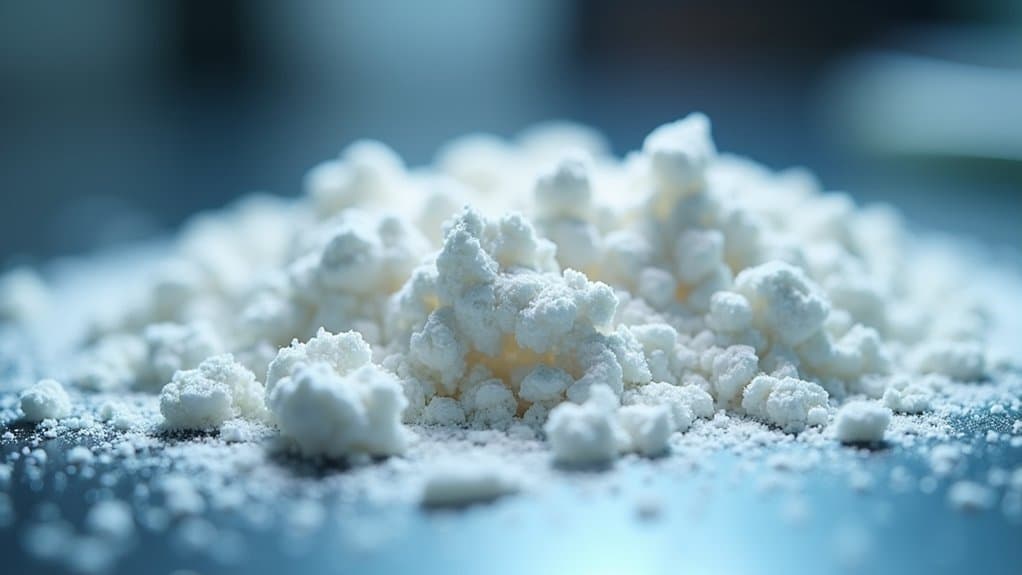
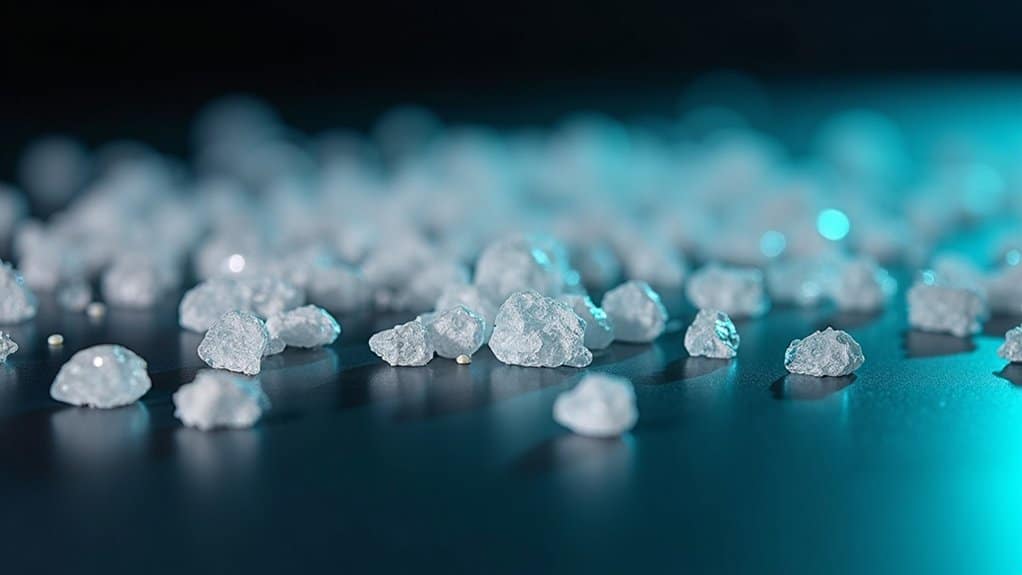
Bath salts are white or brown powders that come in small plastic or foil packages labeled “not for human consumption.” The powder ranges from fine like baby powder to tiny crystals like table salt.
Common Street Names
Bath salts are sometimes sold as plant food, jewelry cleaner, or phone screen cleaner in head shops, gas stations, convenience stores, and online.
According to the National Institutes of Health and Human Services (HHS), bath salts are most commonly bought online.
These products are labeled “not for human consumption,” which doesn’t stop people from snorting, swallowing, injecting, or smoking this substance to get high.
People and companies use many different names to sell bath salts to avoid legal ramifications. The most common street names and brand names for bath salts include:
- Flakka
- Ivory Wave
- Vanilla Sky
- White Lightning
- Stardust
- Cloud Nine
- Purple Wave
- Pure Ivory
- Meow Meow
- Ocean Burst
- Lunar Wave
- Alpha PVP
Spotting Bath Salts Use: Physical and Behavioral Warning Signs
Because synthetic cathinones affect multiple body systems simultaneously, recognizing bath salts use requires watching for a distinctive cluster of physical, psychological, and behavioral changes. These substances target both the CNS and cardiovascular system, producing observable symptoms across categories.
| Physical Signs | Psychological Signs | Behavioral Signs |
|---|---|---|
| Rapid heartbeat, heightened blood pressure | Paranoia, hallucinations | Aggression, violence |
| Hyperthermia, excessive sweating | Acute psychosis, delusions | Erratic, impulsive actions |
| Teeth grinding, nosebleeds | Anxiety, panic attacks | Self-destructive behavior |
You’ll notice cardiovascular system strain through tachycardia and amplified blood pressure. CNS disruption manifests as confusion, agitation, and impaired judgment. Watch for combinations of these warning signs, isolated symptoms may indicate other conditions, but clustered presentation strongly suggests synthetic cathinone intoxication requiring immediate medical evaluation.
What Kind of Drug Is Bath Salts?
Bath salts are central nervous stimulators made from synthetic cathinones that give a high similar to more controlled substances like amphetamines, cocaine, and MDMA but are on average ten times stronger.
Bath salts are an illegal drug and are considered a new psychoactive substance by the European Monitoring Centre for Drugs and Drug Addiction (EMCDDA), which monitors the dangers of new and threatening synthetic drugs that the United Nations (UN) haven’t officially recognized yet.
Synthetic cathinones bind to the same receptors in the brain as other stimulants but don’t dissolve or remove themselves once the body has eliminated the rest of the drug. The lingering nature of this drug gives it a high potential for abuse and addiction.
What Are Bath Salts the Drug Made Of?
Hundreds of different chemicals and ingredients make up bath salts, but the most common ingredients are 3,4-methylenedioxypyrovalerone (MDPV), mephedrone, and methylone. Additionally, it is mixed with other substances to make it easier to ingest.
Methylone is a dangerous synthetic cathinone increasingly found in multiple drugs claiming to be other substances. It is sometimes substituted for MDMA and sold as molly, the pure crystal form of MDMA.
On their own or in combination with each other, those three ingredients cause bath salts’ intense physical and psychological effects.
Manufacturers often add “cutting agents” to make the packets seem thicker and fuller. Various tests on bath salts have shown everything from baby powder to lidocaine mixed with synthetic cathinones.
The other ingredients are constantly changing to avoid detection by law enforcement.
Are Bath Salts Addictive?
Bath salts are incredibly addictive, and synthetic cathinone users are highly likely to develop a substance abuse disorder.
The National Institute on Drug Abuse (NIDA) reported that bath salt users claim the drugs give them intense and uncontrollable urges to use the drug repeatedly.
In a study conducted by the National Institutes of Health (NIH), 44.3% of users described synthetic cathinones as “at least as addictive as cocaine.”
Other users described strong urges for continued use and experiencing psychological and physical withdrawal symptoms.

Bath Salts Drug Effects
The effects of bath salts will vary because every batch is different and can last from three to eight hours.
Users take bath salts because they want a rush of euphoria and believe it can increase your sex drive and lower inhibitions. Still, more often than not, the effects of synthetic cathinones are unpleasant and dangerous.
The most commonly reported side effects include:
- Paranoia
- Hallucinations
- Extreme aggression
- Violent behavior
- Anxiety
- Insomnia
- Shaking
- Panic attacks
- Sweating
- Insensitivity to pain
- Intrusive thoughts and urges
- Suicidal thoughts
People on Bath Salts
People on bath salts can feel its effects within 15 minutes of consuming the drug. Medical professionals still are not aware of the long-term effects.
One of the most concerning bath salts effects is the dangerous psychological consequences users experience, resulting in violent and harmful behaviors.
Many people high on bath salts have committed self-mutilation and attacked others while experiencing hallucinations and paranoia.
Famously, a Florida man suspected to be high on bath salts attacked another man and tried to eat his face. Other cases include a man who killed his five-year-old son, then shot his wife and himself, and a 21-year-old who committed suicide after experiencing extreme paranoia. Autopsies revealed all the adults had MDPV in their systems.
The Substance Abuse and Mental Health Services Administration (SAMHSA) reported in 2011 that bath salts were involved in over 20,000 visits to emergency rooms and a drastic increase of calls to poison control.
When Bath Salts Use Becomes an Emergency
Roughly two-thirds of synthetic cathinone emergency cases present with severe agitation, making it one of the most consistent warning signs that use has escalated to a crisis.
If you’re witnessing bath salts effects that require emergency medicine intervention, watch for these critical signs:
- Hyperthermia with dangerously elevated/heightened/intense body temperature
- Chest pain accompanied by rapid or irregular heartbeat
- Seizures or loss of consciousness
- Psychosis with hallucinations, paranoia, or extreme aggression
Data shows 77% of emergency department cases involve cardiovascular symptoms, while 91% present with neurologic issues. Half of survivors require hospitalization, with 21% needing critical care admission.
Don’t delay seeking help. Emergency medicine teams use IV benzodiazepines to control agitation and seizures, alongside fluid resuscitation and cardiac monitoring. Severe cases involving kidney failure or persistent hyperthermia require ICU-level care.
Health Risks
Short-term and long-term abuse of bath salts comes with many health risks because synthetic cathinones interact with the brain and the central nervous system.
Bath salts cause physical and mental health symptoms that are dangerous for users with adverse effects including:
- High blood pressure
- Increased heart rate
- Increased body temperature
- Chest pain
- Vomiting
- Sweating
- Hallucinations
- Panic attacks
- Psychotic episodes
- Paranoia
- Kidney failure
- Breakdowns in muscle tissue
- Stroke
- Heart attacks
- Death
Taking bath salts with other substances, especially other uppers, dramatically increases the risk of adverse effects and overdose. If you feel your health is in danger, seek medical advice immediately.
Getting Help: Treatment and Recovery for Bath Salts Addiction
Surviving a bath salts emergency marks a critical juncture, but medical stabilization alone doesn’t address the underlying addiction. You’ll need comprehensive treatment that targets both physical dependence and psychological factors driving your use.
Treatment typically begins with medical detoxification, where benzodiazepines help manage sympathetic overstimulation symptoms. If you’re experiencing drug-induced psychosis risk, your medical team may carefully administer antipsychotic medications while monitoring for potential complications.
Following detox, you’ll move to either inpatient or outpatient rehabilitation. Since no FDA-approved medications exist specifically for bath salts addiction, behavioral therapies form your treatment foundation. Cognitive-behavioral therapy helps you identify triggers and build relapse prevention strategies, while motivational enhancement therapy strengthens your commitment to recovery.
Aftercare planning and sober living support guarantee you maintain progress beyond primary treatment.
Bath Salts Drug Abuse Treatment
As of right now, there are no medication-based treatment options for bath salt addiction or synthetic cathinone abuse.
Although, the NIDA recommends behavioral therapies to treat the roots of bath salt addiction, which may be other existing addictions and mental health conditions.
Thus, at Northridge Addiction Treatment Center, we utilize evidence-based treatments and therapies such as cognitive-behavioral therapy, dialectical behavior therapy, relapse prevention, and many more to give you the skills to take charge of your recovery and life after you walk out our doors.
We also integrate diagnosing co-occurring disorders to understand and treat all the underlying causes of addiction.
NATC’s expert and compassionate medical staff and substance abuse counselors are licensed, certified, and highly trained to help you treat all aspects of your rehabilitation and help you along your journey to life-long recovery.
Our residential treatment facility in Southern California gives you comfort, privacy, and support while learning to overcome addiction and focus on your health and healing.
Contact us today to start a new life free from addiction.
Frequently Asked Questions
Are Bath Salts Detectable on Standard Drug Tests?
No, standard drug tests won’t detect bath salts. If you’ve used synthetic cathinones, routine urine or blood panels will likely come back negative because these substances are chemically distinct from commonly screened drugs. You’d need specialized testing, like gas chromatography-mass spectrometry (GC-MS), to confirm their presence. Some labs offer specific bath salts panels that can detect substances like mephedrone, methylone, and MDPV in urine for 48-72 hours after use.
How Long Do Bath Salts Stay in Your System?
Bath salts typically stay in your system for 48-72 hours and can be detected in urine or blood during this window. The effects you’ll feel peak within 1.5 hours and the high lasts 1-4 hours, though mood symptoms can persist for days afterward. Different variants have short half-lives, mephedrone around 2 hours, MDPV about 78 minutes, meaning your body processes them relatively quickly.
Can Bath Salts Be Laced With Other Dangerous Substances?
Yes, bath salts can be laced with other dangerous substances. Because they’re produced in illegal labs with no quality control, their composition varies widely. Testing has found synthetic cannabinoids, caffeine, and even 100% lidocaine in samples sold as bath salts. You can’t know what’s actually in a product, which greatly increases your overdose risk. This unpredictable composition makes each use potentially more hazardous than you’d expect.
Why Are Bath Salts Legal in Some Countries but Banned in Others?
You’ll find bath salts are legal in some places because drug scheduling varies by country, and manufacturers constantly create new chemical variations that outpace regulatory systems. Different regions also see different synthetic cathinones, MDPV dominates in the US while mephedrone’s more common in Europe, leading to targeted bans. Producers exploit loopholes by labeling products “not for human consumption,” making uniform global prohibition difficult to achieve and enforce effectively.
What Makes Bath Salts More Dangerous Than Traditional Street Drugs Like Cocaine?
You face greater risks with bath salts because MDPV is approximately 10 times more potent than cocaine and binds to dopamine transporters without releasing, keeping your brain flooded with neurotransmitters for three to six days. Unlike cocaine’s shorter high, this prolonged effect causes extended psychosis, treatment-resistant agitation, and potentially irreversible damage to dopamine systems. Variable batch composition also means you can’t predict potency or what compounds you’re actually consuming.
Bath salts are synthetic drugs containing lab-made cathinones that mimic stimulants like cocaine and amphetamines. They’re often disguised as household products labeled “not for human consumption” to evade drug laws. When you use bath salts, they flood your brain with dopamine, creating intense but dangerous highs. Effects include rapid heartbeat, paranoia, hallucinations, and violent behavior. Understanding how these substances affect your body and brain can help you recognize the warning signs and treatment options available.