The most popular synthetic marijuana brand names are K2, Kush, and Spice, and they are used interchangeably as street names for the new psychoactive substance. Kush is a synthetic marijuana product name brand, playing on the similarly named strain of pot, “OG Kush,” and other Kush strains. The misleading name was intentional to make users believe it was a cannabis product or from a Kush plant. Kush has since become a catchall name along with K2 and Spice. Despite being easy to find and commonly called a safe, legal alternative to marijuana, Spice is not the same. It is not derived from marijuana plants. Synthetic marijuana is part of a different group of drugs called new psychoactive substances (NPS) that are mind-altering and difficult to regulate. K2/Kush is popular with young adults partly because most drug tests cannot detect it, although it has more potent, more dangerous, and negative effects than weed.
When you use K2 or Kush, synthetic cannabinoids bind to your CB1 receptors with up to 100 times the affinity of natural THC, overwhelming your central nervous system. You’ll likely experience tachycardia, severe anxiety, and acute psychosis. In 6.1% of cases, users develop rhabdomyolysis, while contamination with brodifacoum, a rat poison, can cause life-threatening hemorrhaging. Males aged 16-17 face 2.63 times higher odds of use, and the mechanisms behind these dangers reveal why certain groups remain especially vulnerable.
What Is Synthetic Marijuana?
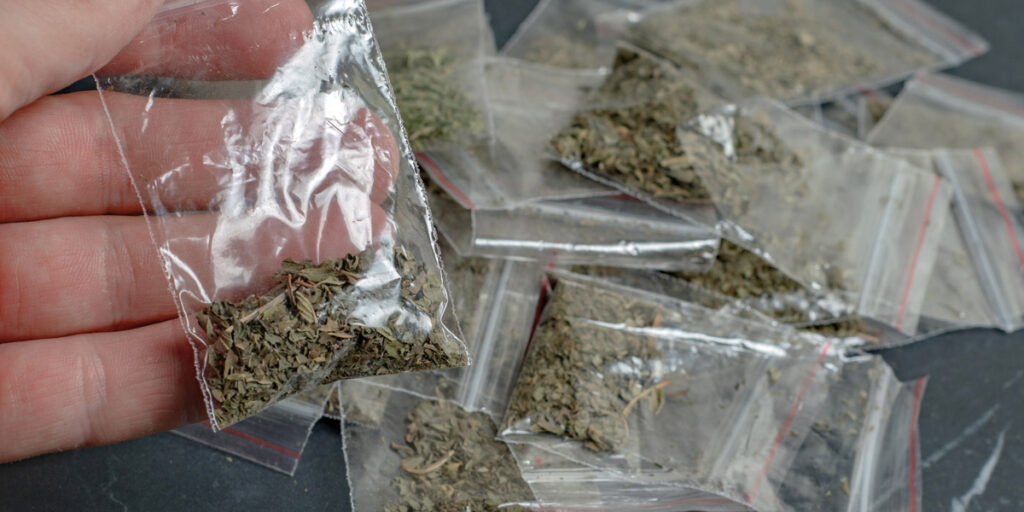
Synthetic cannabis is dried plant material that has been sprayed with lab-made chemicals called synthetic cannabinoids and other unknown chemicals.
Synthetic marijuana, commonly called K2, Spice, or Kush, consists of dried plant material sprayed with lab-manufactured cannabinoids designed to mimic THC’s effects on the brain. These synthetic cannabinoids include compounds like JWH-018 (C24H23NO) and HU-210, which bind to CB1 receptors with noticeably higher affinity than natural THC.
You’re facing compounds that are lipid-soluble, containing 22-26 carbon atoms, and they’re engineered to evade regulatory controls. The CNS effects prove far more intense because these substances lack marijuana’s moderating phytocannabinoids. Each batch varies unpredictably in chemical composition and potency. Many users turn to K2 because it does not show up on standard toxicology tests, making it appealing to those trying to avoid detection.
Manufacturers spray the plant material with various chemical compounds and then dry it out, package it, and sell it as Spice, K2, Kush, and many other brand names. The final product is called synthetic marijuana or fake weed.
It is easy to find these synthetic products in gas stations, head shops, and other places that sell herbal alternatives. Often marketed as natural but labeled as not for human consumption.
What Are Synthetic Cannabinoids?
Synthetic cannabinoids are lab-made chemicals made to mimic the naturally occurring chemicals called cannabinoids in the marijuana plant. These chemicals are made to mimic the naturally occurring cannabinoids in marijuana but are far from similar.
The reality is that synthetic cannabinoid products are nothing like real pot. The chemical compounds used in fake weed interact differently with the receptors in the brain. Because of this, the effects of synthetic marijuana are unpredictable and can range from uncomfortable to life-threatening.
How K2 Hijacks Your Brain’s Cannabinoid Receptors
When K2 enters your bloodstream, its synthetic cannabinoids don’t just interact with your brain’s CB1 receptors, they commandeer them with unprecedented force. Unlike THC, which acts as a partial agonist, K2 compounds like JWH-018 function as full agonists, binding up to 100 times more tightly to CB1 receptors. HU-210 demonstrates a Ki value of 0.06nM compared to THC’s 10.2nM.
This aggressive binding triggers cascading effects throughout your CNS and cardiovascular system. Your body metabolizes these compounds, but here’s the critical difference: SCB metabolites retain their receptor activity, prolonging toxicity. When multiple synthetic cannabinoids combine in K2 products, they create synergistic effects that amplify potency beyond individual compounds. Standard doses often fall below 1mg, yet they produce tolerance, dependence, and withdrawal symptoms far exceeding natural cannabis.
Slang and Street Names for Synthetic Marijuana:
Manufacturers of Spice, K2, Kush, and other brands have found loopholes to keep the product legal and under the radar of authorities. Because of that, there are many different name brands and slang to refer to synthetic weed.
The Drug Enforcement Administration (DEA) currently lists the most common slang terms for synthetic marijuana as:
- K2
- Kush
- Spice
- Legal weed
- Fake weed
- Bliss
- Purple Kush
- Black Mamba
- Kronic
- K3
- Blaze
- Bombay Blue
- Genie
- Zohai
- Red X
- Dawn Scooby Skunk
- Snax
- Hindu Kush Mountain
K2/Kush Ingredients
There is no specific chemical or active ingredient in K2; there can be dozens to hundreds of different things mixed to produce the desired effects.
The federal government has banned the prevalent ones, but manufacturers constantly change formulas to avoid the law. Plants are sprayed with an active chemical created in a lab, dried out, and then chopped up or dissolved into a liquid.
The Centers for Disease Control and Prevention (CDC) states that federal and state laws in the United States have begun to ban categories of ingredients rather than specific chemicals.
Much like Kratom, most Kush comes from Asia and is unregulated. That means that the amount of synthetic marijuana can vary from batch to batch, as can whatever other ingredients are present.
The CDC has found that synthetic cathinones, or bath salts, are a common ingredient in Spice. Even the plant material in Kush is not consistent. Everything from tea leaves, grass clippings, Indian Warrior, Lion’s Ear, Dog Rose, Marshmallow leaves, and dozens of other plant species have been found in K2/Kush. In addition, some of these plants have psychotropic effects on their own, which can have adverse effects when mixed with synthetic cannabis.
Who Faces the Highest Risk From Synthetic Marijuana?
If you’re a young adult, have a pre-existing heart condition, or use products with unknown chemical compositions, your risk of severe adverse effects from synthetic cannabinoids increases dramatically. The unpredictable binding affinity of these compounds at CB1 receptors can trigger tachycardia, hypertension, and cardiac ischemia, conditions that become life-threatening when your cardiovascular system is already compromised. Data shows nearly 80% of emergency department visits involve males, with youth and adolescents facing heightened vulnerability due to ongoing neurological development and higher rates of experimental use.
Youth and Adolescent Users
Among all demographic groups affected by synthetic cannabinoid toxicity, adolescents and young adults face disproportionately severe consequences due to their developing neurological systems and higher rates of exposure.
THC analogs in K2 products bind to cannabinoid receptors with vastly greater affinity than natural cannabis, amplifying psychosis risk in developing brains. The DEA has identified these compounds as Schedule I substances due to their unpredictable chemical profiles.
Your risk factors include:
- Age-dependent vulnerability: Males aged 16-17 show 2.63 times higher odds of synthetic marijuana use
- Neurological complications: 19% of teen users experience seizures versus 6% with natural cannabis
- Substance use disorder development: Users face 11.8 times greater risk compared to non-users
Nearly 78% of K2-related emergency visits involve individuals aged 12-29, demonstrating concentrated adolescent impact.
People With Heart Conditions
How exactly does synthetic marijuana threaten individuals with pre-existing cardiovascular disease? K2 kush side effects hit your compromised cardiac system through multiple pathways simultaneously. The compounds trigger CB1 receptor agonism, causing norepinephrine release that spikes your heart rate and blood pressure, creating dangerous oxygen demands on already vulnerable tissue.
Your electrical system faces direct assault. These synthetic cannabinoids inhibit myocardial voltage-gated sodium channels and L-type calcium channels, producing QT prolongation and arrhythmia substrates independent of receptor activity. Studies document cardiac arrest within one hour of exposure.
The damage extends beyond acute events. You’ll experience myocardial necrosis even without coronary artery occlusion, heightened troponin T levels, and deteriorating left ventricular ejection fraction. If you have coronary artery disease, K2 exposure carries substantially higher sudden cardiac death risk than natural cannabis.
Those Using Unknown Products
Beyond cardiac vulnerability, another population faces severe risk: those consuming products with unknown chemical compositions. You’re fundamentally gambling with your health when using unregulated synthetic cannabinoids.
The chemical unpredictability creates a dangerous equation:
- Potency variations range 2, 800 times stronger than THC, with uneven distribution within single packets creating hotspots of concentrated chemicals.
- Adulterants like brodifacoum (rat poison) caused life-threatening bleeding clusters in 2018, while vitamin E acetate has triggered EVALI lung injuries.
- Hundreds of different SC compounds get sprayed onto unknown plant material, with manufacturers introducing new chemicals annually to evade detection.
You can’t rely on standard drug screens to identify these substances. Without quality control mechanisms, each use exposes you to potentially lethal combinations, creating up to 30 times higher emergency service risk compared to natural cannabis.
What Does Synthetic Marijuana Look Like?
Synthetic marijuana looks like dried and shredded herbs. The predominant colors are green and brown because the makers want it to resemble marijuana as closely as possible. The texture and smell of K2/Kush will also be different with each batch.
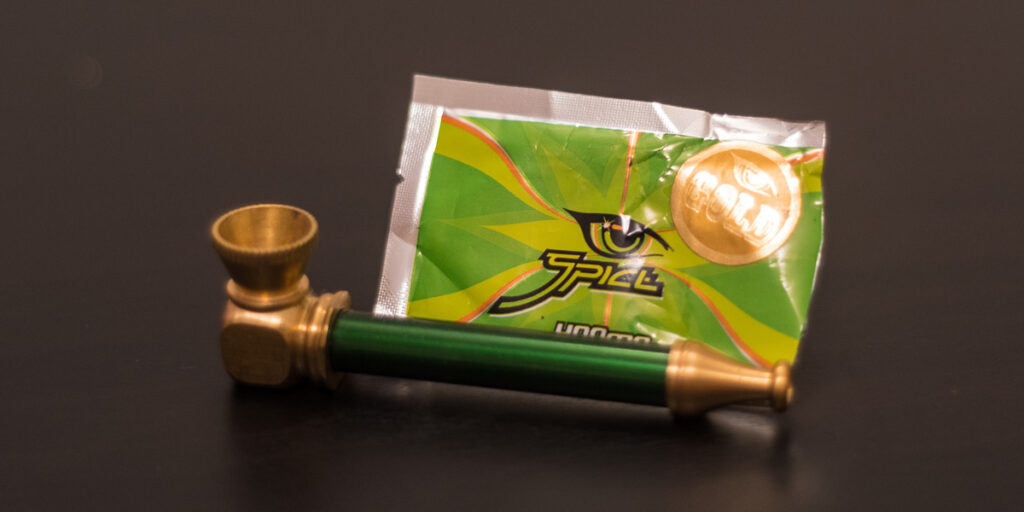
The packaging of K2 is intentionally designed to attract attention. It is typically in shiny and colorful foil or tins, sometimes plastic bottles, and usually with a unique font that stands out.
Kush sometimes comes in liquid forms for vape pens, but people can also find it sold away from tobacco, THC, or CBD-based products because it is often sold as potpourri or incense.
What K2 Does to Your Body Right Away

When synthetic cannabinoids enter your bloodstream, they trigger a cascade of immediate physiological responses that differ markedly from natural cannabis. These compounds bind to CB1 receptors with tremendously higher affinity than THC, producing amplified and unpredictable effects.
Synthetic cannabinoids hijack your brain’s receptors with alarming intensity, creating dangerously unpredictable effects that natural cannabis simply cannot produce.
Your cardiovascular system responds rapidly, you’ll experience tachycardia, hypertension, and potentially dangerous arrhythmias. Chest pain and reduced cardiac blood supply can signal impending heart attack.
Neurologically, K2 disrupts normal brain signaling, causing seizures, dizziness, and altered consciousness. You may experience intense hallucinations, paranoia, and delusional thinking within minutes of exposure.
Your body’s physical responses include severe nausea, vomiting, and rhabdomyolysis. Acute kidney injury can develop quickly as muscle breakdown overwhelms renal function.
Some batches contain anticoagulant compounds that trigger severe, uncontrollable bleeding, a potentially fatal complication requiring immediate medical intervention.
K2/Kush Short-Term Effects
Most users take K2 and Kush to feel effects similar to marijuana. Instead, however, synthetic marijuana can be inconsistent, as can the short-term effects.
K2/Kush users have reported feelings of:
- Relaxation
- Elevated mood
- Altered reality or perception of reality
- Delusions
- Hallucinations
- Intense anxiety
K2/Kush Side Effects
Synthetic drugs have different side effects than the ones they imitate. According to the National Institute on Drug Abuse (NIDA), the few studies of K2 conducted have proven that it bonds very fast and powerfully to the brain. Nonetheless, as previously stated, each batch of Spice can have different ingredients, making the effects dangerous, unpredictable, and different every time.
The NIDA reports the most common side effects of synthetic cannabinoids are:
- Anxiety
- Confusion
- Increased heart rate
- Vomiting
- Paranoia
Psychological Effects of K2: Anxiety, Paranoia, and Psychosis
The physical assault K2 launches on your cardiovascular and renal systems represents only part of its destructive profile, synthetic cannabinoids simultaneously destabilize brain chemistry with equal intensity. These compounds bind to CB1 receptors with substantially greater affinity than THC, triggering severe neuropsychiatric responses.
You’ll experience three primary psychological disruptions:
- Anxiety escalation, State-trait anxiety scores measure considerably higher in synthetic cannabinoid users than cannabis users, with acute administration producing more acute symptoms than THC.
- Paranoia induction, Delusional thinking emerges even in users without prior mental health conditions, sometimes progressing to violent behavior or suicidal ideation.
- Psychosis development, Hallucinations, disorganized speech, and aggression manifest acutely, while chronic exposure correlates with persistent schizotypal traits and potential chronic schizophrenia.
Your cognitive function also deteriorates, working memory, cognitive flexibility, and emotional processing all sustain measurable damage.
K2/Spice Long-Term Effects

Synthetic marijuana is a relatively new drug, and long-term use studies are just starting to emerge. Young people using mind-altering drugs is especially concerning because brains are still developing in humans until 25. Habitual use of K2/Kush could have severe long-term health effects and exacerbate users’ mental illnesses.
According to the CDC, the long-term effects of synthetic marijuana use include:
- Agitation and irritability
- Confusion
- Trouble concentrating
- Hallucinations
- Violent psychosis
- Impulsive and aggressive behavior
- Sleepiness
- Dizziness
- Suicidal thoughts
- Breathing trouble
- Gastrointestinal issues or digestion problems
- Increased heart rate
- Muscle damage
- Heart attack
- Kidney failure
If you or a loved one experiences severe effects, you should immediately seek medical advice or go to an emergency room. Thus, you must be honest with healthcare professionals when seeking help so they can treat you properly.
NIDA reports indicate that adolescent substance-use patterns, including synthetic cannabinoids, can change over time, which is why ongoing monitoring and prevention efforts are so important.
Can Synthetic Marijuana Kill You? Bleeding and Organ Damage
How deadly can synthetic cannabinoids actually be? The data reveals alarming mortality rates: 55 deaths occurred in Australia from 2011, 2017, while Wisconsin confirmed one fatality in July 2018 among 80 cases.
Your organs face direct chemical assault. Acute kidney injury affects 4.0% of users, while rhabdomyolysis, where muscle tissue breaks down and floods your bloodstream, occurs in 6.1% of cases. Postmortem examinations show vasocongestion in the liver, spleen, and kidneys, plus bilateral pulmonary edema.
The bleeding risk comes from contamination. Illinois documented 70 severe bleeding cases, including two deaths, after users consumed K2 laced with brodifacoum, a potent rat poison anticoagulant. You might experience coughing blood, bloody urine, or uncontrollable nosebleeds. The CDC issued warnings because these batches contain undetectable toxic ingredients until symptoms emerge.
When to Call 911 After Using K2 or Spice
If you experience severe bleeding that won’t stop, difficulty breathing, chest pain, or a rapid heartbeat exceeding 120 beats per minute after using K2 or Spice, you’re facing a medical emergency requiring immediate 911 intervention. These synthetic cannabinoids bind unpredictably to CB1 receptors with higher potency than THC, triggering cardiovascular instability, respiratory depression, and coagulation disruptions that can escalate rapidly. Altered mental states, including seizures, loss of consciousness, extreme confusion, or psychotic symptoms like hallucinations and violent agitation, also demand emergency care, as the variable chemical composition makes toxic reactions impossible to predict.
Signs of Severe Bleeding
Synthetic cannabinoid products contaminated with brodifacoum, a potent vitamin K antagonist found in commercial rat poisons, have caused over 200 documented coagulopathy cases across multiple states since March 2018. This contamination prevents your blood from clotting properly, leading to potentially fatal hemorrhaging.
You should recognize these severe bleeding indicators:
- Hematemesis or hematuria, vomiting blood or detecting blood in your urine indicates internal hemorrhaging requiring immediate intervention.
- Gingival bleeding and epistaxis, spontaneous bleeding from gums or severe nosebleeds signal compromised coagulation pathways.
- Gastrointestinal hemorrhage, blood in stool suggests internal bleeding along your digestive tract.
If you’re experiencing unexplained bruising, excessive bleeding from minor cuts, or coughing up blood alongside hypotension or tachycardia, call 911 immediately. Contact poison control at 1-800-222-1222 and inform medical providers about your synthetic cannabinoid use.
Breathing or Heart Problems
Because synthetic cannabinoids bind to CB1 receptors with far greater affinity than THC, sometimes 100 times stronger, they can trigger severe cardiopulmonary disturbances that require immediate emergency response.
You should call 911 immediately if you experience acute dyspnea, respiratory depression, or chest pain after using K2. Clinical data shows users can develop transient pulmonary infiltrates, diffuse alveolar hemorrhage, and organizing pneumonia from inhaled chemical compounds. These harsh substances cause direct lung tissue inflammation and chemical pneumonitis.
Cardiovascular complications are equally dangerous. The potent receptor activation triggers tachycardia, arrhythmias, and hypertension, conditions that can escalate to heart attack or cardiovascular collapse. If you’re experiencing rapid heartbeat combined with breathing difficulties, persistent chest pain, or signs of respiratory failure, don’t wait. These symptoms indicate your cardiopulmonary system is under severe chemical stress requiring emergency intervention.
Altered Mental State Symptoms
Beyond cardiopulmonary emergencies, K2’s potent CB1 receptor agonism disrupts neural circuits in the prefrontal cortex and limbic system, producing altered mental states that signal acute toxicity.
Call 911 immediately if you experience:
- Acute psychotic episodes, Hallucinations, delusions, severe paranoia, or catatonic states indicate neurotoxic effects requiring emergency psychiatric intervention.
- Dissociative symptoms, Depersonalization, out-of-body sensations, and loss of reality orientation impair your ability to recognize danger or seek help independently.
- Suicidal ideation or violent behavior, Extreme mood instability and self-harm impulses represent critical psychiatric emergencies.
Research shows synthetic cannabinoid-induced psychosis manifests more severely than cannabis-related psychosis, with symptoms persisting over one month post-ingestion. Some users develop chronic schizophrenia without prior mental health history. Don’t wait, these neuropsychiatric symptoms require immediate medical evaluation.
Synthetic Marijuana Withdrawal
Quitting K2/Kush can cause a person to experience withdrawal symptoms that may occur right away or several days after the last use.
Regular synthetic marijuana users may experience withdrawal symptoms including:
- Insomnia
- Paranoia
- Anxiety
- Mood swings
- Vomiting
- Rapid or irregular heartbeat
- Kidney damage
- Stroke
- Chest pains
- Heart attack
- Death
Additionally, because addiction can happen with any substance used regularly and affects both physical and mental health, talk to your health care professional ahead of time if you plan to quit a substance, so you know what to expect.
Treatment for K2/Kush Addiction
Substance abuse and addiction can feel hopeless, but help is available for you or your loved one. Northridge Addiction Treatment Center offers personalized, free of judgment care to achieve impactful recovery.
We prioritize the comfort and safety of our residents and employ fully licensed medical professionals that will provide medically supervised detox if needed and evidence-based treatment programs to heal the whole person.
NATC offers a peaceful environment for the perfect sanctuary in the San Fernando Valley of Los Angeles. Our residents enjoy modern amenities, fresh food catered daily by a chef, and recreational therapies to make recovery relaxing, engaging, and meaningful.
Our admissions specialists are looking forward to helping you navigate your first step to a better life. Reach out today.
Frequently Asked Questions
How Long Does Synthetic Marijuana Stay Detectable in Blood and Urine Tests?
You can expect synthetic cannabinoids to remain detectable in your urine for up to 72 hours and in your blood for up to 48 hours after your last use. Standard drug panels won’t catch these compounds, you’ll need specialized LC/MS-MS testing that targets specific metabolites like JWH-018 and CP 47,497 at thresholds of 1.0 ng/mL. Your detection window varies based on the specific chemicals present and your metabolism rate.
What Makes Second-Generation Synthetic Cannabinoids More Dangerous Than First-Generation Versions?
Second-generation synthetic cannabinoids pose greater risks because they bind 5-82 times stronger to CB1 receptors than THC. Unlike THC’s partial agonism, they’re full agonists, meaning you’ll experience more intense effects per binding event. Their extended half-life keeps psychoactive metabolites in your system longer, amplifying toxicity. You’re facing higher rates of convulsions, tachycardia, and neuropsychiatric symptoms. CDC data shows deaths tripled between 2014-2015, with compounds like AB-CHMINACA linked to 50% of fatalities.
Why Are Synthetic Marijuana Products Labeled “Not for Human Consumption”?
You’ll find this label serves as a legal shield for manufacturers. By marking products “not for human consumption,” sellers circumvent FDA oversight and avoid prosecution under drug laws. This disclaimer allows them to market synthetic cannabinoids as “herbal incense” or “potpourri” despite their intended psychoactive use. The tactic exploits regulatory gaps, if products aren’t officially meant for consumption, they don’t require safety testing, ingredient disclosure, or quality control standards.
What Specific Chemicals Are Commonly Found in K2 and Spice Products?
You’ll encounter several chemical classes in K2 products. Naphthoylindoles like JWH-018 (C₂₄H₂₃NO, 341.5 g/mol) and JWH-073 appear most frequently. You’ll also find cyclohexylphenols such as CP-47,497, phenylacetylindoles like JWH-250, and classical cannabinoid derivatives including HU-210. Newer compounds feature adamantoylindoles (AKB48) and tetramethylcyclopropylindoles (UR-144). Quinoline-based prodrugs like PB-22 are designed specifically to evade detection while enhancing absorption.
How Does Hu-210’s Receptor Binding Compare to Natural THC Potency?
HU-210 binds to your CB1 and CB2 receptors with 80 to 1,100 times greater potency than natural THC. You’ll find this dramatic difference stems from two key structural modifications: an extra hydroxyl group at the C-11 position and a 1′,1′-dimethylheptyl chain replacing THC’s pentyl side chain. These changes create stronger polar interactions with the S383 residue in your receptor’s transmembrane region, markedly enhancing binding affinity.