A Side-by-Side Comparison
Hydrocodone and oxycodone are doctor-prescribed pain medications. Both treat moderate to severe pain and offer relief from long-term and chronic pain caused by surgery or injury from an accident.
They are also used in treating many types of pains associated with other conditions such as a chronic cough, pancreatitis, and cancer. The two have proven to improve the quality of life for people with various types of pain.
They can both be taken on their own but are usually found mixed with another type of painkiller. For example, hydrocodone and acetaminophen, a common pain reliever, are a combination available in tablets. In comparison, oxycodone can be found together with other pain-relieving drugs, like acetaminophen, aspirin, or ibuprofen.
Both medications work for pain management by attaching themselves to the brain’s opioid receptors, blocking pain signals from being sent to the brain.
The distinctions between hydrocodone and oxycodone are minimal. The medications differ slightly in side effects and the variety of available doses and forms.
Hydrocodone vs. Oxycodone: Key Differences at a Glance

Although they’re often compared, hydrocodone and oxycodone are not interchangeable. One of the biggest differences is potency: oxycodone is commonly considered about 1.5x stronger than hydrocodone at equal milligram doses, which is why oxycodone prescriptions may look “lower” in mg while providing similar pain relief.
Formulations can differ too. Hydrocodone is often prescribed in combination products (commonly with acetaminophen), while oxycodone is available both as a combination product and as a standalone opioid (including extended-release options). Individual response varies based on factors like age, body weight, and metabolism, so prescribers may choose one medication over the other depending on the patient’s needs and risk factors.
What Are Oxycodone and Hydrocodone?
Both oxycodone and hydrocodone are FDA-approved opioid pain relievers. However, they also belong to a class of drugs with high abuse potential, Schedule II drugs. In addition, like any other opioid, they are central nervous system depressants, slowing down your heart rate and breathing.

Hydrocodone Dosages and Forms
Hydrocodone is available as an oral medication as a tablet, capsule, and liquid. It is prescribed in immediate-release and extended-release formulas ranging from 2.5mg to 10mg doses.
Immediate-release hydrocodone is available in combinations of acetaminophen and ibuprofen. Hydrocodone, on its own, is only available in extended-release formulations.
Hydrocodone is also used to treat coughs and is combined in prescription cold and cough medicines containing codeine, another similar pain reliever.
Vicodin and Lortab are recognized brand names for hydrocodone. Vicodin and Lortab’s formulas are a typical combination of acetaminophen and hydrocodone.
Oxycodone Dosages and Forms
Oxycodone is prescribed in tablet, capsule, and liquid form and available in 10mg, 20mg, 40mg, or 80mg doses. Like hydrocodone, oxycodone has immediate and extended-release formulations and is available in combination with other pain relievers.
Pure oxycodone in its extended-release formula is available in a brand name called OxyContin. Another well-known brand name, Percocet, is oxycodone and acetaminophen.
Why Oxycodone Doses Are Often Lower Than Hydrocodone
Because oxycodone is generally more potent than hydrocodone, prescribers often use a lower milligram dose of oxycodone to achieve a similar level of pain relief. This potency difference is one reason a new oxycodone prescription can look “smaller” on paper than an earlier hydrocodone dose.
This matters even more when a product contains acetaminophen. If a patient needs fewer opioid milligrams to reach an effective dose, it may also help reduce cumulative acetaminophen exposure in combination products, something prescribers often consider when planning safer pain treatment.
Hydrocodone and Oxycodone Side Effects
The most common side effect of hydrocodone and oxycodone is constipation, although studies have shown it to be more significant with hydrocodone. However, the side effects of these medications are alike.
The most commonly experienced adverse effects of hydrocodone are nausea and constipation, while oxycodone is only likely to cause constipation. Common side effects also include:
- Headache
- Lack of energy
- Dizziness
- Vomiting
- Dry mouth
- Itching
- Drowsiness
- Sweating
- Shallow breathing
Other less common but more severe side effects include:
- Abdominal pain
- Diarrhea
- Low blood pressure
- Rashes
- Anxiety

While many side effects overlap, patients can experience them differently. Both medications can cause drowsiness, nausea, dizziness, dry mouth, and itching. The most dangerous effect for both is respiratory depression, which can become life-threatening, especially at higher doses or when opioids are combined with alcohol, benzodiazepines, or other sedatives.
How Long Does Each Opioid Last?
How long hydrocodone or oxycodone lasts depends on whether the prescription is immediate-release or extended-release. Many immediate-release formulations begin working relatively quickly and are commonly used for acute pain.
Extended-release formulations can provide longer coverage for chronic pain but contain higher amounts of medication per dose, which can increase risk if misused. Your prescriber will consider your pain pattern, health history, and safety risks when selecting a formulation and dosing schedule.
Which One Works Best for Pain Relief?
Both oxycodone and hydrocodone are potent medications proven to be effective in treating pain.
The National Institute of Health (NIH) conducted a study with both drugs. In the study, researchers randomly gave seventy-three subjects oxycodone or hydrocodone. As a result, participants experienced equal amounts of pain relief within 30 minutes to an hour after taking either medication. Thus, both have almost exact effects in the first hour of pain treatment.
Furthermore, another study by the NIH tested twenty volunteers to receive random doses of oxycodone and acetaminophen, hydrocodone and acetaminophen, and a placebo of just acetaminophen. They found the combination of oxycodone and acetaminophen was approximately 1.5 times stronger than the hydrocodone combination.

Overdoses
Both hydrocodone and oxycodone are opioid drugs with a high risk of overdose if taken with other substances.
All opioids cause slow breathing, sometimes resulting in respiratory depression when the lungs don’t properly intake oxygen. In addition, taking hydrocodone or oxycodone with other depressants, such as alcohol, other opioids, or benzodiazepines like Xanax can make you stop breathing from the mix of drug interactions.
Another contributing factor of these medications being at a high potential for overdosing is the standard acetaminophen combination. Acetaminophen has been linked to toxic liver injuries if taken at doses of more than 4g per day, especially if taken together with other substances.
There is an FDA-approved antidote for opioid overdoses. It’s called Naloxone, an opioid antagonist, which means it blocks and reverses the effect of the opioid.
Signs and Symptoms of an Overdose
Signs and symptoms of oxycodone and hydrocodone are very similar to each other and include:
- Difficulty breathing
- Slowed heart rate
- Constricting pupils
- Cold and clammy skin
- Loss of consciousness
- Low blood pressure
If you suspect someone may be showing signs of an overdose, seek medical advice immediately.
Because oxycodone is typically more potent, it can carry a higher overdose risk when misused (for example, taking more than prescribed, mixing with other drugs, or using it in ways the medication wasn’t intended). Both medications can also lead to tolerance, which can increase the temptation to raise doses over time, raising the overdose risk even more.
Prescription Drug Abuse
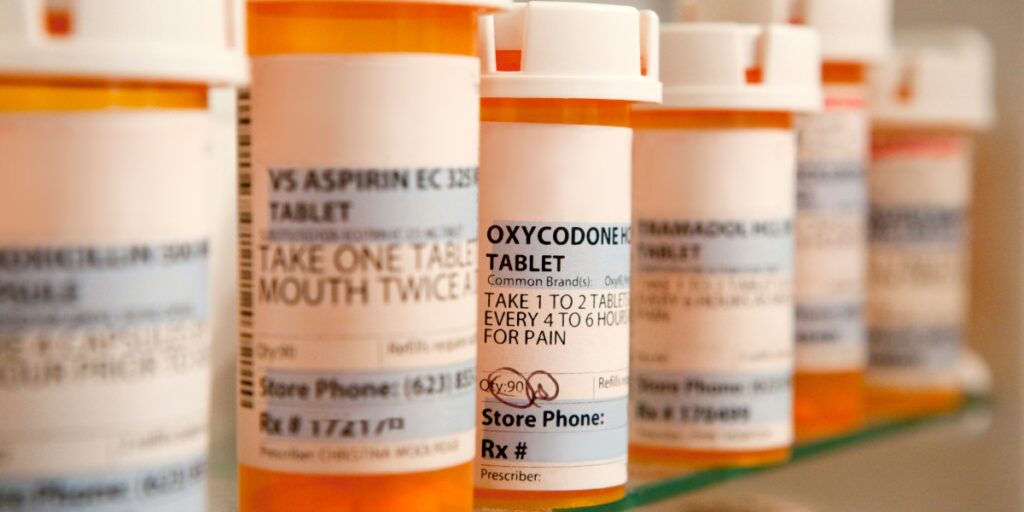
The misuse and abuse of opioids, including hydrocodone and oxycodone, is a crisis in America. In 2019, 50,000 people in the United States died from opioid-associated overdoses.
In response to the opioid crisis, the U.S. Department of Health and Human Services (HHS) has focused its efforts on five priorities. The first priority is improving access to treatment and recovery programs and services.
Research has proven that an in-patient treatment program that offers medication assisted treatment (MAT), behavioral therapies, and addresses co-occurring disorders are the most effective ways to overcome opioid addiction.
Get Help for Opioid Addiction
The first step to getting help for you or a loved one that struggles with opioid abuse is finding the right treatment program.
At Northridge Addiction Treatment Center, our team collaborates with you to find a treatment plan specifically for you and your needs. We offer medication assisted treatment (MAT), behavioral therapies such as cognitive behavioral therapy and dialectical behavior therapy, and a dual diagnosis program to address underlying issues that may affect a successful recovery.
Give us a chance to give you the life you deserve. Contact a NATC specialist today to start your uniquely tailored treatment plan.
Frequently Asked Questions
Can Hydrocodone or Oxycodone Be Taken Safely During Pregnancy or Breastfeeding?
Neither hydrocodone nor oxycodone is considered completely “safe” during pregnancy or breastfeeding. Opioids can affect fetal development, and babies exposed near delivery may experience withdrawal symptoms after birth. Both medications can also pass into breast milk and may cause excessive sleepiness or breathing problems in an infant. If pain treatment is needed during pregnancy or postpartum, it should be managed by a medical provider who can weigh risks and benefits and choose the safest approach.
Is It Safe to Switch Directly From Hydrocodone to Oxycodone?
You should not switch directly from hydrocodone to oxycodone without medical supervision. Because oxycodone is typically more potent, prescribers use equianalgesic dosing and patient monitoring to reduce the risk of overdose, withdrawal symptoms, or inadequate pain control. Always follow your prescriber’s instructions and never attempt to “convert” doses on your own.
Do Hydrocodone and Oxycodone Interact Differently With Other Medications?
They can. Both are processed by liver enzymes, and certain medications can change how strongly opioids affect you. The most dangerous interactions for both include alcohol, benzodiazepines, sleep medications, and other sedatives, which can significantly increase overdose risk. If your opioid is combined with acetaminophen, it’s also important to avoid accidentally taking additional acetaminophen-containing products that could raise liver risk.
Which Opioid Is Safer for Patients With Kidney or Liver Disease?
Neither opioid is automatically “safer” for everyone with kidney or liver disease. Reduced organ function can change how opioids and their byproducts build up in the body, which may increase side effects and overdose risk. A prescriber may choose different dosing, different timing, or a different medication entirely based on your medical history and lab results, especially if acetaminophen is part of the product and liver function is a concern.
Can You Drive or Operate Machinery While Taking Either Opioid?
It’s not recommended to drive or operate machinery when starting hydrocodone or oxycodone, after a dose increase, or anytime you feel drowsy, dizzy, or slowed down. Opioids can impair reaction time and decision-making. If you’re on a stable, long-term regimen, discuss safety with your prescriber and follow local guidance.