Xanax addiction is a clinically recognized substance use disorder where you’ve become dependent on alprazolam despite harmful consequences. Your brain chemistry fundamentally changes as Xanax enhances GABA-A receptor activity, triggers dopamine elevation, and suppresses your stress response system. Over time, your brain adapts through receptor desensitization and compensatory changes, creating powerful cravings and dangerous withdrawal symptoms when you stop. You’ll experience physical signs like poor coordination, psychological effects including memory problems, and behavioral changes such as doctor shopping. Understanding these mechanisms can help you identify the condition and investigate effective treatment pathways.
Understanding Xanax Addiction: Definition and Development
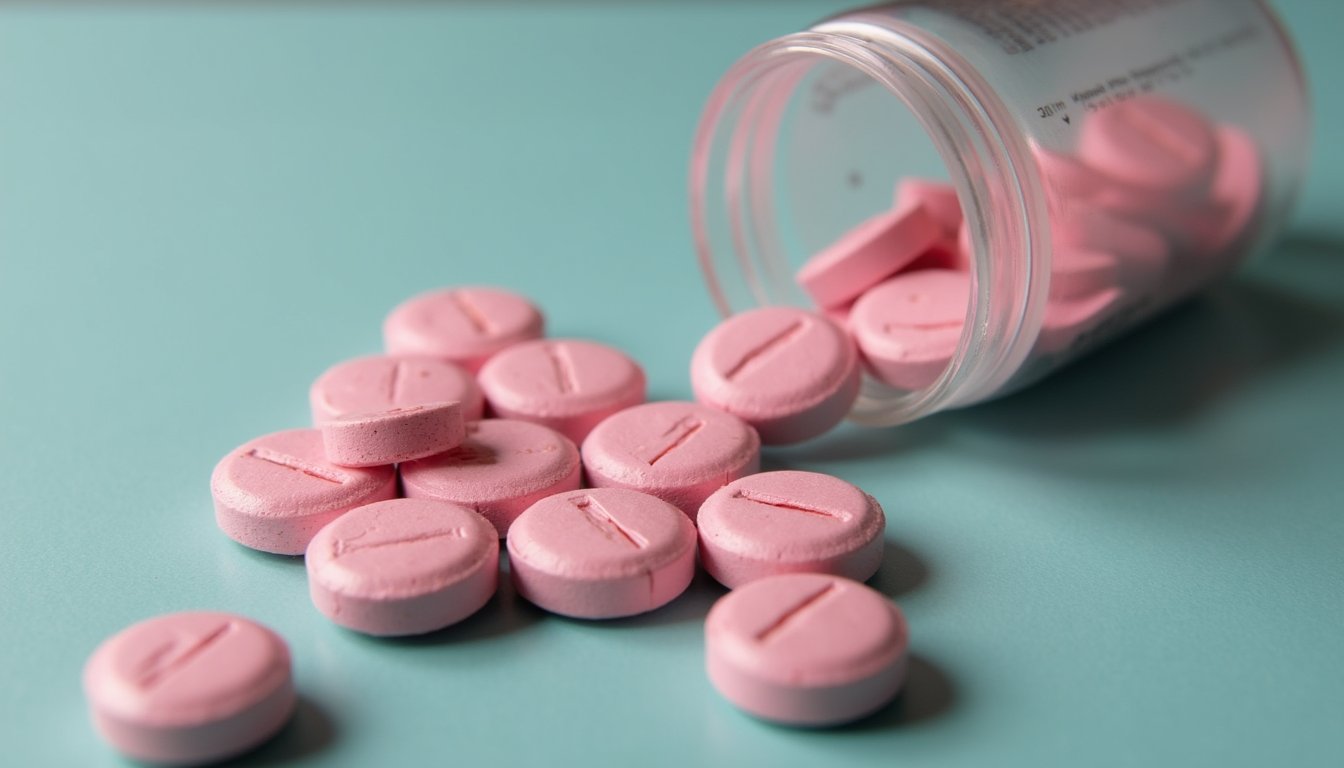
When someone develops Xanax addiction, they’re experiencing a clinically recognized substance use disorder characterized by compulsive alprazolam use despite mounting negative consequences. This condition involves powerful cravings, escalating tolerance requiring higher doses for equivalent effects, and withdrawal symptoms upon cessation.
Addiction can emerge from legitimate medical prescriptions or recreational use, with underlying mental health factors like anxiety and panic disorder substantially driving initial and continued consumption. Patterns of misuse are prevalent, 17.2% of Xanax use occurs without prescription, often obtained through friends or relatives.
The drug’s fast-acting properties and short duration create a cycle of repeated dosing, as users chase relief from rebound anxiety between doses. Over time, brain chemistry adapts to Xanax’s presence, establishing physical dependence that makes discontinuation dangerous without medical supervision. As tolerance develops, individuals may escalate their intake dramatically, with some users consuming 20-30 pills daily to achieve the desired effects. The addiction can develop even with prescribed use, as the body becomes adapted to the drug’s presence and creates a powerful compulsion to continue use. Chronic misuse can result in lasting impairments in cognition, affecting both memory function and physical coordination.
Recognizing the Warning Signs of Xanax Dependence
As Xanax dependence takes hold, specific physical, psychological, and behavioral changes become increasingly apparent to both users and those around them. You’ll notice drowsiness, poor coordination, and slurred speech mimicking intoxication. Memory problems, mood swings, and impaired judgment signal cognitive decline. Medication misuse patterns emerge through doctor shopping, early refill requests, and lying about lost prescriptions. You might withdraw from relationships, neglect responsibilities, and prioritize obtaining Xanax above all else. Physical tolerance develops rapidly, requiring higher doses while withdrawal symptoms appear upon cessation. Financial strain, legal troubles, and deteriorating work performance often follow. Fatigue and poor concentration frequently accompany the progression of dependency, making it difficult to maintain normal daily functioning. Secretive behavior and defensive responses typically emerge as individuals attempt to hide their growing dependence from concerned family members and friends. Recognizing these signs early enables timely intervention and implementation of relapse prevention strategies. Professional evaluation becomes critical when you’re taking Xanax primarily to avoid withdrawal rather than for therapeutic benefit.
How Xanax Alters Brain Chemistry and Function

Understanding why these warning signs manifest requires examining the fundamental neurochemical changes Xanax produces in your brain. Alprazolam boosts GABA-A receptor activity through binding site specificity between alpha and gamma subunits, increasing chloride influx and neuronal hyperpolarization. This produces sedation, anxiety relief, and reduced excitability across multiple neurotransmitter systems.
Critically, Xanax triggers dopamine modulation by elevating extracellular dopamine concentrations in your striatum, directly activating reward pathways and reinforcing continued use. It simultaneously suppresses your hypothalamic-pituitary-adrenal axis, diminishing cortisol production and stress responses. These euphoric and disinhibition effects contribute to why alprazolam has become subject to recreational misuse despite its therapeutic benefits.
With chronic exposure, your brain adapts through receptor desensitization and compensatory upregulation of excitatory neurotransmitters like glutamate. This neuroadaptation creates physical dependence, making withdrawal potentially dangerous due to sudden hyperexcitability and seizure risk when inhibitory tone abruptly decreases. Long-term use can cause uncoupling of the GABA-A receptor, further reducing the medication’s effectiveness and intensifying dependence. The medication’s effects typically begin within 30 minutes of taking a dose, which contributes to its rapid reinforcement of use patterns and higher potential for developing dependence compared to slower-acting anxiety medications.
The Physical and Mental Toll of Long-Term Xanax Abuse
Though Xanax initially offers relief from anxiety, sustained misuse systematically dismantles your body’s core regulatory systems and cognitive architecture. Addiction’s cognitive impacts manifest as persistent memory deficits, slowed processing speeds, and impaired decision-making that may endure beyond discontinuation. The physical devastation extends across multiple systems:
- Cardiovascular complications including arrhythmias, blood pressure irregularities, and heightened stroke risk
- Respiratory suppression leading to chronic breathing difficulties and increased infection vulnerability
- Organ failure risks particularly affecting your liver and kidneys, especially with polysubstance use
- Neurological damage from seizures during withdrawal, potentially causing irreversible brain injury
You’ll also experience deteriorating muscle coordination, vision problems, and severe withdrawal symptoms like nausea and fever. Long-term users face substantially higher mortality rates alongside deepening psychological distress. Xanax works by enhancing the GABA neurotransmitter, which initially produces calming effects but ultimately alters your brain’s natural chemistry with continued use. The recovery timeline presents additional challenges, as protracted withdrawal from benzodiazepines can persist for months, prolonging discomfort well beyond typical detoxification periods.
Treatment Options and the Path to Recovery

Breaking free from Xanax addiction requires detailed, medically supervised intervention; self-directed cessation isn’t just difficult, it’s dangerous. Medical detox manages life-threatening withdrawal symptoms through tapering protocols and 24/7 monitoring. You’ll then benefit from inpatient or outpatient rehabilitation, each offering structured therapy, counseling, and relapse prevention planning adapted to addiction severity.
Evidence-based therapies, including Cognitive Behavioral Therapy, Dialectical Behavior Therapy, and Motivational Interviewing, address the psychological drivers of dependence while building coping skills. If you’re managing co-occurring anxiety or depression, integrated psychiatric care and medication-assisted treatment provide crucial stabilization.
Holistic approaches like mindfulness and exercise support overall wellness. Nutritional plans help rebuild physical health after prolonged substance use has depleted the body’s essential nutrients and energy reserves. Art therapy offers creative expression as a pathway to process emotions and trauma underlying addiction. Treatment costs vary significantly, with outpatient programs ranging from $1,400 to $10,000 depending on program intensity and duration. Connecting programs bridge intensive treatment and independent life, reinforcing sobriety through peer support and accountability. Sustained recovery involves ongoing counseling, support groups, and commitment to long-term behavioral change.
Frequently Asked Questions
Can Xanax Addiction Occur Even When Taking It as Prescribed by a Doctor?
Yes, you can develop Xanax addiction even when following your doctor’s prescribed dosage amounts. Tolerance may emerge within six weeks of consistent use, and your brain’s chemistry adapts to expect the medication’s effects. Under doctor’s supervision, physical dependence can still occur at therapeutic doses as your natural GABA production decreases. You might experience cravings, withdrawal symptoms, and compulsive use patterns despite compliant medication use, demonstrating that addiction risk exists regardless of medical oversight.
How Long Does It Take to Become Physically Dependent on Xanax?
You can become physically dependent on Xanax within just 1, 2 weeks of daily use. Tolerance buildup often begins within days, requiring higher doses for the same effect. Your brain adapts quickly to the drug’s presence, and if you stop suddenly, withdrawal symptoms may appear within 6, 12 hours. The withdrawal timeline peaks around days 2, 4, with lingering effects lasting weeks or months. Your individual dose, frequency, and biology all influence how rapidly dependence develops.
Is Xanax Addiction More Dangerous Than Addiction to Other Benzodiazepines?
Yes, Xanax addiction’s generally more dangerous due to its high potency and rapid onset, which increase misuse potential. You’ll face severe withdrawal effects, including higher seizure risk compared to longer-acting benzodiazepines. The addiction severity stems from Xanax’s short half-life, causing intense rebound symptoms that drive compulsive redosing. When combined with opioids or alcohol, your overdose risk escalates considerably. Clinicians consistently report more frequent and serious complications with Xanax withdrawal than other benzodiazepines.
Can Brain Damage From Long-Term Xanax Use Be Reversed After Quitting?
Brain function recovery after long-term Xanax use is partially possible but not guaranteed. You’ll likely experience some cognitive impairment reversal through neuroplasticity, especially with younger life stage and shorter use duration. Memory, attention, and learning can improve over months with proper treatment and abstinence. However, certain deficits, like anterograde amnesia episodes and some neural pathway changes, may remain permanent. Your recovery depends on usage severity, phase of life, and commitment to therapeutic interventions like cognitive rehabilitation.
What Is the Success Rate for Recovering From Xanax Addiction Long-Term?
Long-term recovery from Xanax addiction shows a 30-40% success rate when you combine medically supervised tapering with extensive therapy and support. You’ll face challenges, benzodiazepine addiction has lower one-year abstinence rates (29-31%) than other substances, but medication-assisted treatment options and evidence-based therapies greatly improve your outcomes. Your success depends on personalized care, addressing co-occurring mental health conditions, and maintaining long-term relapse prevention strategies through ongoing therapy and support groups.