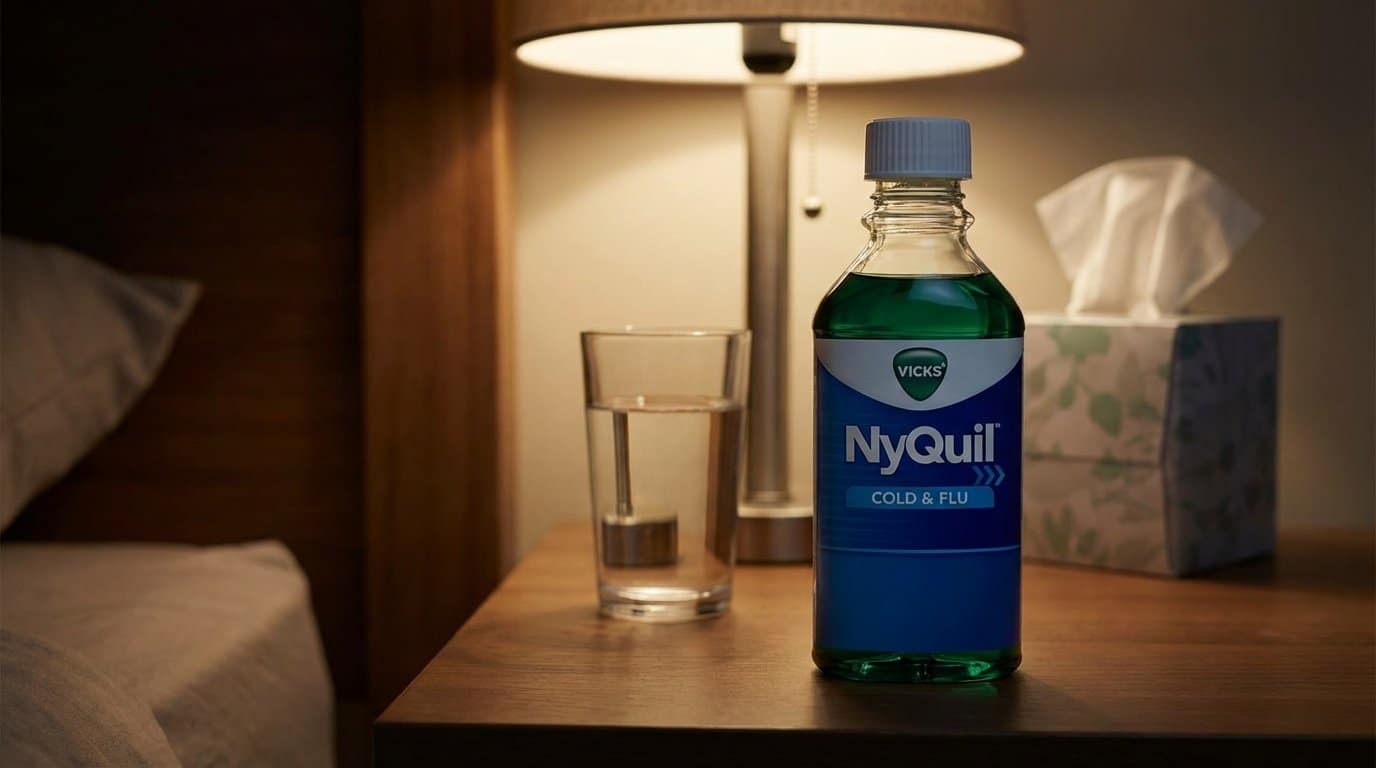
NyQuil makes you drowsy primarily because of doxylamine succinate, a first-generation antihistamine that crosses your blood-brain barrier within 30 minutes. This ingredient blocks the histamine receptors that keep you alert. You’ll also find dextromethorphan, which adds mild sedative effects, and in liquid formulations, 10% alcohol by volume, comparable to white wine. Together, these three compounds create NyQuil‘s signature knockout effect, though understanding their individual mechanisms reveals why morning grogginess often follows. NyQuil makes you drowsy primarily because of doxylamine succinate, a first-generation antihistamine that crosses your blood, brain barrier within about 30 minutes and blocks the histamine receptors that keep you alert. You’ll also find dextromethorphan, which adds mild sedative effects, and in liquid formulations, roughly 10% alcohol by volume, comparable to white wine. Together, these compounds create NyQuil’s signature knockout effect, but they don’t necessarily mean does nyquil help you sleep longer in a restorative way, which helps explain why morning grogginess and unrefreshing sleep often follow.
Why NyQuil Makes You Sleepy So Fast

The sedative punch NyQuil delivers stems primarily from doxylamine succinate, a first-generation antihistamine that crosses your blood-brain barrier within minutes of ingestion. This rapid penetration allows the compound to block histamine receptors responsible for maintaining wakefulness in your brain.
When you’re wondering what ingredient in NyQuil makes you sleepy, doxylamine is your answer. Unlike newer antihistamines designed to stay outside the central nervous system, doxylamine directly suppresses neurological activity that keeps you alert. You’ll typically notice drowsiness within 30 minutes as histamine signaling drops. Doxylamine is actually stronger than diphenhydramine, the antihistamine found in Benadryl and original ZzzQuil.
Peak sedation hits between 30-60 minutes post-dose. Your metabolism speed, age, liver function, and body weight influence how quickly absorption occurs. Taking NyQuil with food slightly delays onset, but the sedative effect remains consistent once doxylamine reaches therapeutic levels. These sedative effects typically last six to eight hours, which is why NyQuil is recommended only before bedtime.
NyQuil vs. DayQuil: The One Ingredient That Changes Everything
You’ll notice the key difference between NyQuil and DayQuil comes down to one ingredient: doxylamine succinate at 12.5 mg per dose, which NyQuil contains and DayQuil doesn’t. This first-generation antihistamine is specifically included in NyQuil’s nighttime formula to promote drowsiness, while DayQuil substitutes it with phenylephrine or guaifenesin to keep you alert during the day. The alcohol content in some NyQuil liquid formulations can also enhance sedation, working alongside doxylamine to compound the drowsy effect you experience. Both formulas come from Vicks, a brand that has been trusted for over 125 years to provide relief from cold and flu symptoms. This combination approach allows NyQuil to help you get a good night’s sleep while fighting off your cold and flu symptoms.
Doxylamine: The Sedating Difference
While NyQuil and DayQuil share dextromethorphan and acetaminophen for cough suppression and pain relief, doxylamine succinate creates the critical distinction between these formulas. This first-generation antihistamine transforms NyQuil from a standard cold remedy into a sedating nighttime formulation.
Doxylamine succinate in NyQuil functions as an H1-receptor inverse agonist, blocking histamine receptors throughout your central nervous system. It crosses your blood-brain barrier readily, producing pronounced sedative and hypnotic effects. Studies rank it among the most powerful over-the-counter sedatives available in the United States. Beyond its sleep-inducing properties, doxylamine is also used as first-line pharmacologic therapy for nausea and vomiting of pregnancy when combined with pyridoxine (vitamin B6).
You’ll experience sedative effects approximately 30 minutes after taking your dose. The compound’s anticholinergic properties contribute additional sedation while reducing nausea through inhibition of histaminergic signaling to your brain’s vomiting center. These same anticholinergic effects can cause side effects such as constipation, dysuria, and blurred vision.
Alertness Versus Sleep Design
Because DayQuil and NyQuil share acetaminophen 650 mg and dextromethorphan HBr for their core therapeutic effects, a single ingredient swap determines whether you’ll stay alert or feel drowsy.
DayQuil replaces sedating antihistamines with guaifenesin 400 mg, an expectorant that thins mucus without affecting your central nervous system. This formulation keeps you functional during daytime hours. The non-drowsy DayQuil formula is specifically designed for daytime relief so you can power through your day. Guaifenesin works by loosening phlegm and thinning bronchial secretions to make coughs more productive.
NyQuil takes the opposite approach. What in NyQuil makes you sleepy is doxylamine succinate 12.5 mg, a first-generation antihistamine that crosses the blood-brain barrier and blocks histamine receptors responsible for wakefulness.
The dextromethorphan dosing also varies: DayQuil contains 20 mg while some NyQuil versions include up to 30 mg, contributing mild additional drowsiness. This precise ingredient engineering creates two distinct products from nearly identical therapeutic foundations.
Alcohol Content Matters
Beyond doxylamine’s sedating effects, original NyQuil liquid contains approximately 10% alcohol by volume, a concentration matching white wine and doubling most beers. When you take a standard 30 mL dose, you’re consuming about 3 mL of pure alcohol. This alcohol functions primarily as a solvent, dissolving active ingredients like dextromethorphan and doxylamine succinate while maintaining uniform suspension for consistent dosing. The alcohol also serves as a preservative to maintain product stability over time.
Understanding what causes drowsiness in NyQuil requires recognizing alcohol’s contribution to sedation. DayQuil contains 0% alcohol specifically because its daytime formulation targets symptom relief without sleepiness. For those in recovery from alcohol use, even the taste and smell of alcohol in liquid NyQuil can be a powerful trigger, reactivating neural pathways associated with drinking. If you need to avoid alcohol entirely, whether for medical, personal, or recovery reasons, NyQuil LiquiCaps and Alcohol-Free NyQuil Liquid deliver identical active ingredients without any alcohol content, eliminating this sedating component from your dose.
Doxylamine: The Antihistamine That Knocks You Out
NyQuil’s sedating punch comes primarily from doxylamine succinate, a first-generation antihistamine that doesn’t discriminate between peripheral and central H1 receptors. This antihistamine drowsiness occurs because doxylamine crosses your blood-brain barrier and blocks histamine signaling in areas controlling wakefulness. Doxylamine was discovered in 1948 by Nathan Sperber and colleagues, establishing its long history as a sedating compound.
Here’s what happens when you take doxylamine:
- It binds to central H1 receptors, suppressing your brain’s alertness signals
- Peak plasma concentrations hit between 1.5 to 2.5 hours post-dose
- The 10-12 hour elimination half-life explains next-morning grogginess
- It antagonizes muscarinic acetylcholine receptors M1 through M5, intensifying sedation
You’ll also experience anticholinergic effects, dry mouth, constipation, and potential urinary retention. With repeated use, you’ll develop tolerance, which can trigger rebound insomnia when you stop. The standard 25 mg dose reaches approximately 120 ng/mL plasma concentration. Because doxylamine causes drowsiness, you should avoid driving or operating heavy machinery until you understand how the medication affects you.
How NyQuil Blocks Histamine to Shut Down Alertness

What makes NyQuil sleepy is this direct central nervous system penetration. Doxylamine competitively binds to H1 receptors, preventing histamine from triggering wakefulness signals. Your brain fundamentally enters “sleep mode” because the chemical resistance to drowsiness disappears. Doxylamine’s anticholinergic properties cause broader central nervous system depression beyond just histamine blocking.
This receptor antagonism eliminates the neurological signals maintaining your cognitive alertness. Without histamine’s wakeful influence, you’ll experience reduced ability to sustain attention and consciousness, the characteristic drowsiness associated with first-generation antihistamines. Like diphenhydramine, doxylamine functions as a first-generation H1 receptor antagonist, which explains why both ingredients produce similar sedating effects when crossing the blood-brain barrier.
Dextromethorphan: The Cough Suppressant With Sedative Effects
When you take NyQuil, dextromethorphan blocks NMDA receptors in your brain, which reduces neuronal excitability and contributes to the drowsiness you experience. At standard doses of 5-30mg, you’ll notice sedative effects beginning within 15-30 minutes and peaking around 2-4 hours after ingestion. The degree of sedation you feel depends directly on the dose, with the medication’s NMDA antagonism and sigma-1 receptor binding working together to suppress alertness. The duration of these sedative effects can vary significantly because dextromethorphan has a half-life of 3-30 hours, depending on individual metabolism.
NMDA Receptor Blockade Effects
Beyond its cough-suppressing role, dextromethorphan functions as a low-affinity uncompetitive NMDA receptor antagonist, sharing pharmacological properties similar to ketamine. This NMDA receptor blockade prevents excessive neuronal excitation and modulates pain sensation by inhibiting excitatory amino acids.
However, dextromethorphan’s lower NMDA binding affinity compared to esketamine lessens dissociative effects you might experience at standard doses.
Here’s how NMDA receptor blockade affects your system:
- Neuronal protection occurs through prevention of excitotoxic damage
- Pain modulation results from reduced glutamatergic signaling
- Sedative potential emerges from combined nicotinic receptor antagonism
- Rapid metabolism by CYP2D6 limits brain exposure in most individuals
Since approximately 90% of people are extensive metabolizers, first-pass metabolism considerably reduces dextromethorphan’s central nervous system effects at typical NyQuil doses.
Dose-Dependent Sedation Timeline
Dextromethorphan’s sedative effects intensify across four distinct dosage plateaus, each producing progressively stronger central nervous system depression.
At therapeutic doses of 10-30 mg, this sleep ingredient in NyQuil causes minimal sedation. Effects begin within 30-60 minutes and peak at 2-4 hours, with a half-life of 3-4 hours. At therapeutic doses of 10, 30 mg, this sleep ingredient in NyQuil causes minimal sedation, which is why using nyquil for sleep may feel subtle rather than strongly sedating for many people. Effects typically begin within 30, 60 minutes, peak at 2, 4 hours, and have a half-life of about 3, 4 hours.
You’ll notice sedation becomes prominent at the second plateau (200-400 mg), where drowsiness resembles alcohol intoxication. The third plateau (300-500 mg) produces moderate sedation amid dissociative effects. At the fourth plateau (500-1500 mg), you risk delirium and potential coma.
Serum levels exceeding 400 ng/ml correlate with pronounced sedative side effects in 87.5% of cases. Standard NyQuil doses remain well below these thresholds, limiting sedation to mild drowsiness rather than dangerous central nervous system depression. Serum levels exceeding 400 ng/mL correlate with pronounced sedative effects in 87.5% of cases, which helps contextualize common nyquil side effects. Standard NyQuil doses remain well below these thresholds, typically limiting sedation to mild drowsiness rather than dangerous central nervous system depression when used as directed.
Why NyQuil’s 10% Alcohol Adds to the Drowsiness
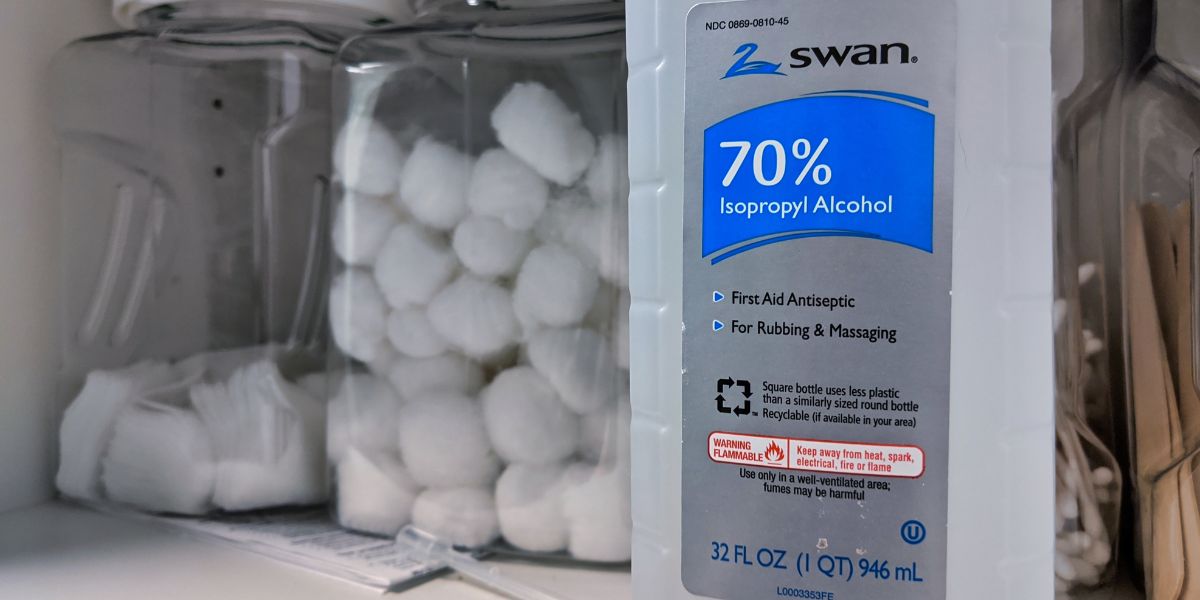
NyQuil contains 10% alcohol by volume, which directly contributes to the product’s sedative profile through central nervous system depression. This nyquil drowsy ingredient works synergistically with doxylamine, amplifying the overall sedation you experience.
When alcohol enters your bloodstream, it enhances the drowsiness effects through four distinct mechanisms:
- Slows central nervous system activity, reducing neural signaling
- Amplifies doxylamine’s sedative properties beyond its standalone effect
- Extends drowsiness duration past the typical 6-8 hour window
- Depresses cognitive function, causing mental fog and impaired judgment
You’ll notice drowsiness onset approximately 30 minutes post-dose. The combined action produces excessive sedation that impairs alertness and coordination more intensely than either component alone, making timing your dose critical.
How All Three Ingredients Combine to Sedate You
All three active ingredients in NyQuil work through distinct receptor mechanisms that compound into pronounced sedation. Doxylamine crosses your blood-brain barrier to block histamine H1 receptors, directly reducing wakefulness signals in your brainstem and cortex. Dextromethorphan acts as an NMDA receptor antagonist, inhibiting excitatory neurotransmission while also binding sigma receptors to modulate neuronal excitability.
When you take NyQuil’s standard dose, 12.5mg doxylamine paired with 30mg dextromethorphan, this dual blockade suppresses cortical excitability and enhances intracortical inhibition. Acetaminophen at 650mg contributes by reducing pain-related arousal and fever-induced thermoregulatory disruptions that could otherwise prevent sleep. The combined profile produces an effect size of 0.47 versus placebo, mimicking potent sleep aids. This multi-receptor action explains why 15-20% of users report dizziness alongside drowsiness.
Why You Still Feel Groggy the Morning After NyQuil
Because doxylamine succinate possesses a 10-12 hour half-life, roughly half the original dose remains active in your system when you wake up after a typical night’s sleep.
This residual doxylamine succinate continues blocking histamine receptors that regulate alertness, producing next-day mental fog and slowed reaction times.
Several factors determine your grogginess severity:
- Dosage timing, Taking NyQuil close to morning prevents adequate metabolization before waking.
- Metabolic rate, Slower metabolizers retain higher drug concentrations longer.
- Age, Older adults experience prolonged sedation due to decreased clearance efficiency.
- Body weight, Lower body mass correlates with extended drowsiness duration.
The blood-brain barrier crossing allows doxylamine succinate to sustain wakefulness suppression for 6-8 hours typically, though individual variations extend this window considerably.
NyQuil Side Effects Beyond Sleepiness
Beyond drowsiness, doxylamine succinate and dextromethorphan produce several additional effects you should recognize. The ingredient in NyQuil that makes you sleep, doxylamine, also causes dry mouth, blurred vision, and difficulty urinating. Dextromethorphan contributes to dizziness and lightheadedness, particularly in older adults who face higher fall risks.
You may experience gastrointestinal issues including nausea, constipation, and upset stomach. Liquid NyQuil’s 10% alcohol content can worsen nausea, while each 30 mL dose contains 24 mg sodium affecting sensitive stomachs.
Nervousness and mild headaches occur, especially with excessive use. Children may display agitation. These effects typically resolve within six hours as the medication clears your system. Avoid activities requiring alertness until symptoms subside. Serious risks include liver damage from acetaminophen overdose and rare allergic reactions.
Frequently Asked Questions
Can You Build a Tolerance to Nyquil’s Sleep-Inducing Effects Over Time?
Yes, you can build tolerance to NyQuil’s sedating effects. Your brain’s H1 receptors adapt to doxylamine succinate with repeated exposure, reducing drowsiness within 3-7 days of continuous use. Studies show doxylamine’s effectiveness drops 20-30% after one week of nightly dosing. The 10-12 hour half-life accelerates this adaptation. You shouldn’t use NyQuil for sleep beyond 4-5 days, as tolerance develops quickly and rebound insomnia may follow.
Is Nyquil’s Drowsiness Effect Stronger in Older Adults Than Younger People?
Yes, NyQuil’s drowsiness hits you harder if you’re older. Your body metabolizes doxylamine succinate more slowly as you age, meaning the sedative stays in your system longer. You’ll also experience more pronounced central nervous system depression because age-related changes in your blood-brain barrier allow more of the drug to reach neural tissue. This creates stronger, longer-lasting drowsiness and increases your risk of next-day grogginess.
Does Taking Nyquil With Food Change How Quickly Drowsiness Occurs?
Yes, taking NyQuil with food delays how quickly you’ll feel drowsy. When you take it on an empty stomach, doxylamine succinate crosses your blood-brain barrier within 30 minutes, blocking wakefulness receptors rapidly. Food, especially high-fat meals, slows gastric emptying and delays dissolution, potentially pushing drowsiness onset back 15-30 minutes. The 10% alcohol content also absorbs faster without food, amplifying rapid sedation when you’re fasted.
Can Nyquil Interact With Prescription Sleep Medications or Antidepressants?
Yes, NyQuil can interact dangerously with both prescription sleep medications and antidepressants. When you combine NyQuil with sleeping pills, you’re risking excessive sedation and respiratory depression. If you’re taking MAOIs, you shouldn’t use NyQuil within two weeks due to potentially fatal interactions. Mixing NyQuil with other antidepressants amplifies sedation and side effects like dry mouth. Always consult your healthcare provider before combining NyQuil with any prescription medications.
Why Do Some People Experience Vivid Dreams or Nightmares After Taking Nyquil?
You experience vivid dreams because doxylamine suppresses REM sleep during early sleep cycles, triggering a rebound effect later. Your brain compensates with intensified REM activity 4-6 hours after ingestion, amplifying dream vividness. Clinical trials show 40% of participants report unusual dreams versus 10% on placebo. If you’re a slow CYP2D6 metabolizer (5-10% of people), you’ll metabolize doxylamine slower, prolonging this effect. Higher doses double vivid dream incidence.